
Close Menu
    Follow us on Google News
    Follow Livewell Magazine on Google News
    Facebook X (Twitter) Instagram
    LiveWell Magazine
    Facebook
    Follow LiveWell Magazine on Google News
    • Cancer

      The “Silent Killer”: 2 Hidden Signs of Pancreatic Cancer You Can Spot Years in Advance

      April 20, 2026

      Barry Manilow Opens Up About Embracing Healthier Lifestyle Choices During His Cancer Battle

      April 8, 2026

      Healthy Dad’s Unexpected Cancer Diagnosis Revealed After Ignoring Nighttime Bathroom Trips: ‘A Heartbreaking Surprise’

      February 22, 2026

      BREAKING NEWS: Gene therapy for sickle cell disease: a medical breakthrough still out of reach for many

      December 29, 2025

      How Your Drinking Habits Could Significantly Increase Your Cancer Risk

      December 28, 2025
    • Fitness

      At 100, the ‘First Lady of Fitness’ Shares Her Daily Workout Secrets and One Must-Have Food

      April 15, 2026

      How can weighted planks help you elevate your strength and master your core?

      April 14, 2026

      A 65-Year-Old Fitness Trainer’s Guide to Stocking Up on Healthy Foods at Costco

      April 10, 2026

      How many calories do you actually burn by running one mile?

      April 9, 2026

      Biochemist Reveals the Powerful 10-Minute Workout That Keeps the Mind Razor-Sharp All Day

      March 23, 2026
    • Health

      How can better patient-doctor communication help you stay on track with your medication?

      April 8, 2026

      What can an infectious disease doctor’s experiences in Kazakhstan and America teach us about global health?

      April 3, 2026

      Federal Judge Hits Pause on HHS Secretary Kennedy’s Vaccine Policy Overhaul

      March 18, 2026

      Medicare Advantage Shifts: Payments to Plans Increase as Enrollment Hits a New Record

      March 18, 2026

      The battle over “$0 premium” plans: What’s at stake for your healthcare?

      February 19, 2026
    • Lifestyle

      How can you break free from the sitting trap and revitalize your life?

      April 22, 2026

      How can transformative approaches to home life enhance your overall well-being?

      April 17, 2026

      Solo Cooking Simplified: 8 Easy Habits to Eat Healthy When Cooking for One

      April 15, 2026

      Psychology-Backed Habits to Revolutionize Your Money Mindset

      April 11, 2026

      The ‘Healthy’ Habit That Could Be Holding You Back, Reveals New Research

      April 10, 2026
    • Nutrition

      What are the surprising benefits of miso soup for your gut, heart, and immune health?

      April 23, 2026

      How can you nourish your gut with delicious choices for a healthier you?

      April 22, 2026

      What are the surprising effects of eggnog on your blood sugar levels?

      April 16, 2026

      How can effective nutrition help you achieve a faster dental recovery?

      April 15, 2026

      Could eating microbial food reduce your risk of kidney disease?

      April 13, 2026
    • Senior

      Nurturing Your Gut After 50: 7 Essential Habits for Lasting Digestive Wellness

      April 3, 2026

      Nourishing Your Golden Years: 10 Essential Nutrition Habits to Promote Healthy Aging and Maintain Independence After 60

      March 27, 2026

      Wound Care Revolution: How a New Medicare Payment System Aims to Cut Waste in Senior Care

      March 19, 2026

      The $2,000 Cap is Here: How the New Annual Out-of-Pocket Drug Limit Saves Seniors Thousands

      March 17, 2026

      Why Conventional Health Tips Might Shift After Turning 50

      March 15, 2026
    • Trends

      How could the 7 surprising travel trends of 2026 disrupt your wellness plans and how can you navigate them?

      April 15, 2026

      Which innovative skincare trends will shape the industry in 2026 according to Uliana-Sofiia Savchenko?

      April 6, 2026

      Transparency at HHS: How the New “Radical Transparency” Initiative Aims to Expose Big Pharma Conflicts

      March 13, 2026

      How Wearable Technology Could Spark a Revolution in Healthier Living

      February 5, 2026

      Early cholesterol treatment in kids may prevent heart disease for life

      January 28, 2026
    • Wellness

      What is the power of modern med spa care for your well-being?

      April 24, 2026

      What are the top 10 complimentary activities in Seattle for your well-being?

      April 23, 2026

      Where can you find the ultimate wellness retreat in Mexico for tranquil explorers?

      April 14, 2026

      Lincoln YMCA to Celebrate Healthy Kids Day on April 11 with Free Event Promoting Summer Wellness

      April 12, 2026

      The 20-Minute Routine That Could Unlock a Healthier Heart and a Sharper Mind

      April 8, 2026
    Subscribe
    LiveWell Magazine
    Home»Health & Safety»This new blood pressure patch might replace pills entirely
    Health & Safety

    This new blood pressure patch might replace pills entirely

    Tina NguyenBy Tina NguyenNo Comments
    Facebook Twitter Email WhatsApp Pinterest LinkedIn Reddit Telegram Threads
    Share
    Facebook Twitter LinkedIn Email Reddit Telegram WhatsApp Threads

    This new blood pressure patch might replace pills entirely

    Could the days of swallowing daily blood pressure pills be numbered? A new transdermal patch is showing promise as a revolutionary way to manage hypertension. This innovation could offer patients a more consistent, targeted, and user-friendly alternative to traditional medications. But how does it work — and is it truly effective?

    Let’s dive into the science behind this medical breakthrough and explore why some researchers believe it could change the future of cardiovascular care.

    Why traditional blood pressure treatments fall short

    For millions of Americans, managing high blood pressure means a lifelong commitment to daily pills. But oral medications often come with drawbacks:

    • Side effects due to systemic distribution of the drug
    • Low patient compliance — many forget to take pills regularly
    • Variable absorption depending on digestive factors
    • Drug interactions with food or other prescriptions

    This is where transdermal patches offer a compelling solution. Instead of going through the digestive system, the patch delivers active compounds directly through the skin and into the bloodstream — offering more stable results with fewer side effects.

    How the blood pressure patch works
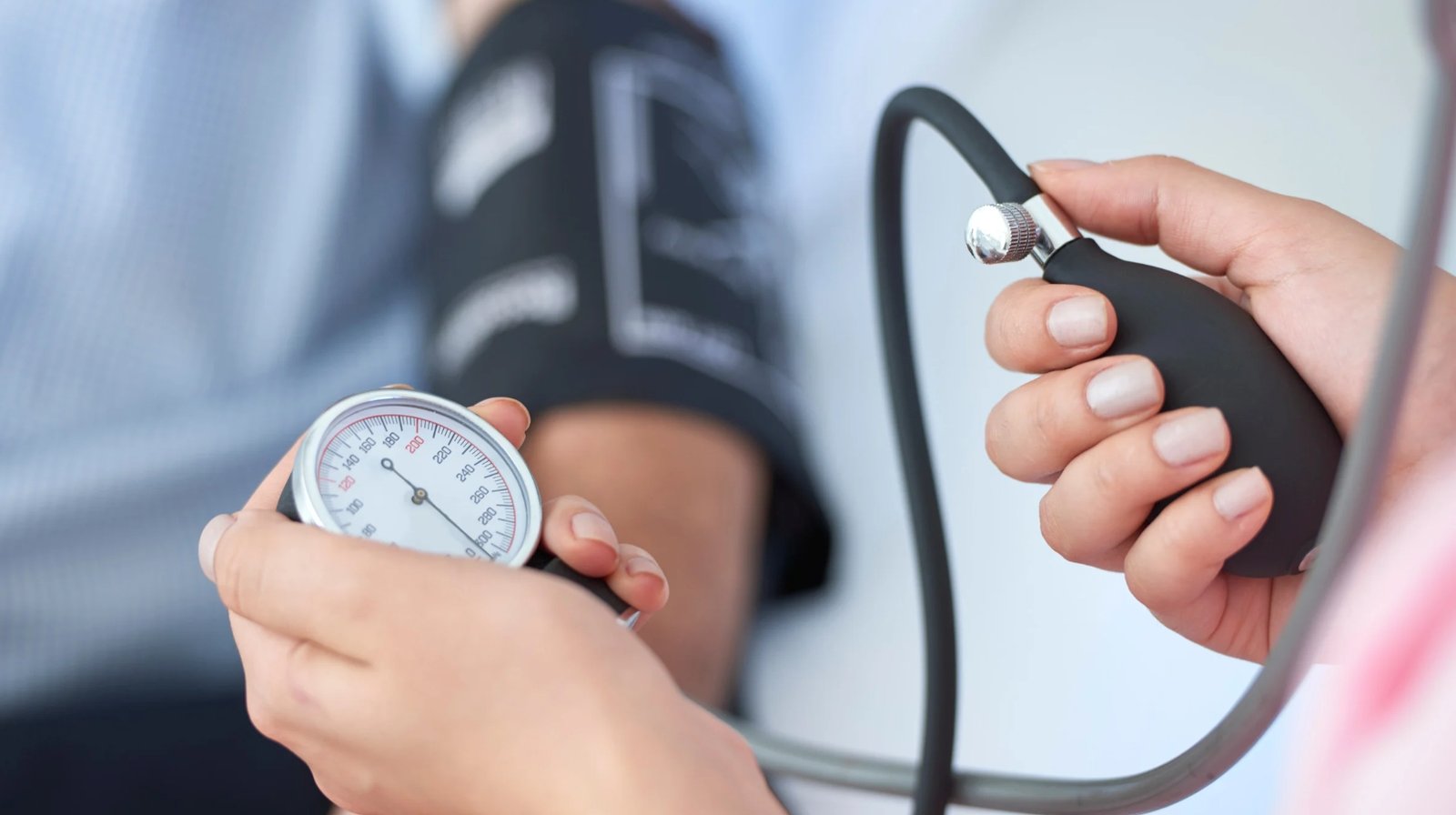
    The new patch uses a microneedle-based system that painlessly penetrates the upper layer of skin to deliver antihypertensive agents. These microneedles dissolve after application, releasing the drug gradually over a 24- to 48-hour window.

    According to Dr. Elisa Monroe, a molecular pharmacologist involved in the prototype’s development, the patch allows for controlled, sustained drug release — minimizing the spikes and dips that patients often experience with pills. The molecules used are lipid-soluble and engineered for enhanced permeability, improving bioavailability while reducing overall dosage requirements.

    Related Article :  Fixing “surprise costs” in Medicare Part D: the 2026 changes that could make budgeting easier for retirees

    Promising results from early-stage trials

    So far, the patch has undergone two clinical trial phases involving over 200 patients with moderate hypertension. Participants using the patch saw an average reduction of 15 mmHg in systolic pressure — comparable to standard oral beta-blockers.

    Equally important, researchers reported fewer side effects such as fatigue or dizziness. Unlike pills, which flood the system and taper off quickly, the patch maintains a stable plasma concentration over time, reducing strain on the liver and kidneys.

    Expert perspectives: a game changer in the making?

    Dr. Miguel Alvarez, a cardiologist based in New York, sees enormous potential: “This technology is especially beneficial for elderly or forgetful patients who struggle with daily medication routines. The patch could increase adherence and save lives.”

    Meanwhile, oncologists and pharmacologists are intrigued by the patch’s drug delivery mechanism. Similar methods are used in targeted cancer therapies, where steady dosing is essential to avoid toxicity. “We’ve learned from oncology how to tailor delivery for maximum impact,” notes Dr. Monroe. “It’s exciting to see that knowledge applied to chronic diseases like hypertension.”

    Looking ahead: what needs to happen next?

    While the technology is promising, the patch is still awaiting FDA approval. Researchers are now launching a larger-scale trial to assess long-term efficacy and safety across diverse patient populations. If approved, the patch could be available within three to five years.

    Cost remains a factor. Current prototypes are more expensive to produce than generic pills, but developers believe prices will fall with mass production. There’s also ongoing work to design patches with smart sensors that monitor blood pressure in real time and adjust release rates accordingly.

    Related Article :  The rise of wearable health tech: are smart rings and watches worth it?

    What this means for patients

    • More consistent blood pressure control with fewer fluctuations
    • Improved compliance thanks to easy use and longer intervals
    • Reduced side effects due to localized, controlled dosing
    • Potential for integration with wearable tech for future versions

    For the millions living with hypertension, this patch could become a true game changer — not just simplifying care, but transforming outcomes. It’s a future where managing chronic conditions might no longer mean opening a pill bottle every morning.

    Could the patch be the future of hypertension treatment?

    While oral medication has been the gold standard for decades, new delivery methods like the blood pressure patch may soon take center stage. With improved patient adherence, fewer side effects, and scientific backing, this innovation signals a potential turning point in cardiovascular care.

    Will this patch truly replace pills entirely? Time — and further testing — will tell. But one thing is certain: the future of medicine is moving closer to the skin.

    Follow on Google News
    Share. Facebook Twitter LinkedIn Email WhatsApp Reddit Telegram Threads Copy Link
    Previous ArticleWhat nobody tells you about cancer — until it’s too late
    Next Article Can your diet & weight loss routine predict your mental wellness?
    Avatar photo
    Tina Nguyen

    Tina has been a health journalist for over ten years, reporting from various countries around the world. Her international experience gives her a unique and nuanced perspective on global wellness trends, public health challenges, and cultural approaches to healthy living. Known for her curiosity and clarity, Tina strives to deliver reliable, well-researched content that resonates with diverse audiences. She is passionate about making health information both engaging and empowering for readers everywhere.

    Continue reading

    What is the best choice for your cardiac well-being?

    By Amelie Goujon

    What are the essential tips for selecting the best health insurance plan in the USA?

    By Amelie Goujon

    Does the timing of your coffee consumption affect heart disease risk and longevity?

    By Amelie Goujon

    How could the 7 surprising travel trends of 2026 disrupt your wellness plans and how can you navigate them?

    By Amelie Goujon

    The Surprising Pet Habit That Could Be Inviting Unwanted Pests Into Your Home

    By FRANK JOST

    What are the best strategies for long-term relief from chronic back pain through interventional pain management?

    By Amelie Goujon

    Cardiologist Issues Warning: The Snack You Should Steer Clear of to Protect Your Heart

    By FRANK JOST

    What are the six hidden health risks you should be aware of?

    By Amelie Goujon

    What are the top 10 advantages of using a virtual receptionist for your healthcare practice?

    By Amelie Goujon

    How could Venezuela’s military moves impact your travel safety and well-being in the Caribbean?

    By Amelie Goujon

    Could smoking be permanently harming your eyesight?

    By Amelie Goujon

    Common Contaminants in Tap Water That Prove a Home Filter Is Essential

    By FRANK JOST
    Add A Comment
    Leave A Reply Cancel Reply

    Subscribe to Our Newsletter

    Join the Live Well Magazine Newsletter and get exclusive tips on health, wellness, lifestyle, and personal growth — straight to your inbox.

    Trending
    Wellness

    What is the power of modern med spa care for your well-being?

    Healthy Recipes

    Which 10 surprising foods boost digestion more effectively than ginger?

    Nutrition

    What are the surprising benefits of miso soup for your gut, heart, and immune health?

    Wellness

    What are the top 10 complimentary activities in Seattle for your well-being?

    Lifestyle & Habits

    How can you break free from the sitting trap and revitalize your life?

    Men’s Health

    Why is the trend of male facelifts and facial rejuvenation growing?

    Facebook
    • About us
    • Contact us
    • Contributors
    • Legal
    • Privacy
    © 2026 livewellmagazine.org.

    Type above and press Enter to search. Press Esc to cancel.