


How Decaf Green Tea Supports Cholesterol Management and Heart Health
Among the various options available for an after-dinner drink, decaf unsweetened green tea stands out as a superb choice for those focused on cholesterol management and heart health. Unlike many traditional evening beverages such as sugary coffee drinks, dessert cocktails, or cream-based concoctions, decaf green tea offers a low-fat drink alternative that is free from added sugars and alcohol. This makes it not only a comforting warm beverage to conclude the day but also a tool to support a heart-friendly lifestyle.
The benefits of green tea primarily stem from its rich concentration of plant compounds known as catechins, especially epigallocatechin gallate (EGCG). These antioxidants are renowned for their ability to combat oxidative stress and inflammation, key contributors to the development of atherosclerosis. Catechins help protect LDL cholesterol from oxidation—a harmful process that leads to plaque buildup within arteries. By limiting LDL oxidation, green tea supports vascular health and slows the progression of plaque formation, which is crucial in preventing cardiovascular diseases.
For those comparing other metabolism-focused drinks, this coffee-based supplement review examines possible benefits and drawbacks.
Research analyses focusing on the impact of green tea on blood cholesterol reveal that consuming green tea regularly can modestly lower both total cholesterol and LDL cholesterol levels. It is critical to understand that while green tea is beneficial, it should not be seen as a replacement for cholesterol-lowering medications or a heart-healthy diet but rather as a supportive adjunct in an overall lifestyle strategy.
10 quick checks to spot low-quality supplements before you buy - plus research-backed doses for 12 common ingredients. Free PDF, no spam.
Another advantage of choosing decaf green tea for your post-meal ritual is what it replaces. Many typical after-dinner beverages contain hidden sugars or saturated fats that can aggravate cholesterol issues. Swapping out these drinks for green tea ensures the avoidance of these detrimental ingredients while still satisfying the desire for a warm, relaxing beverage. Keeping the tea unsweetened preserves its benefits, aligns with recommendations from the American Heart Association to limit added sugars, and helps to maintain stable blood sugar and lipid profiles.
Adopting decaf green tea as a nightly habit complements other cholesterol-friendly actions such as adopting natural ingredients focused drinks for health, cultivating balanced diets rich in soluble fiber, and reducing saturated fats. This integration resonates well with the ongoing recommendations from health professionals aiming to enhance cardiovascular wellness through sustainable, enjoyable practices.

The Role of Soluble Fiber and Unsaturated Fats in Cholesterol-Lowering Evening Habits
While the choice of an after-dinner drink matters, it forms only one piece of the cholesterol management puzzle. The composition of the dinner itself can profoundly influence cholesterol levels in the bloodstream. Soluble fiber plays a key role in reducing LDL cholesterol by binding cholesterol molecules in the digestive tract and facilitating their elimination. Including foods high in soluble fiber—such as beans, lentils, oats, barley, and various fruits and vegetables—during dinner supports this cholesterol-lowering process effectively.
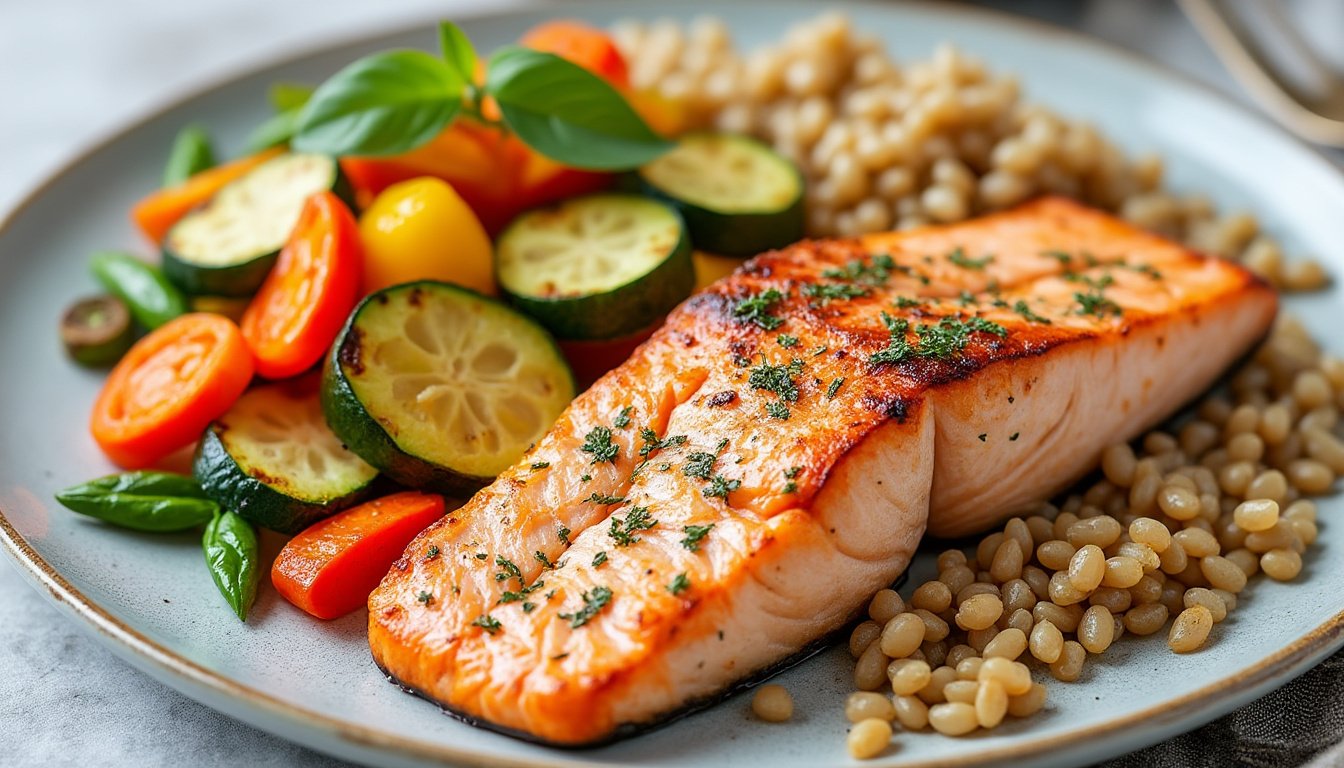
Making fiber-rich choices at dinner does not have to be complicated. Adding a bean-based side dish or a serving of roasted vegetables can significantly boost fiber intake, enhancing digestion and supporting the removal of cholesterol. For example, a dinner plate featuring grilled salmon with a side of steamed barley and roasted Brussels sprouts provides a hearty dose of soluble fiber alongside heart-healthy fats.
Replacing saturated fats with unsaturated fats is another cornerstone of heart health. Foods like olive oil, nuts, seeds, avocado, and fatty fish supply monounsaturated and polyunsaturated fats, which have been shown to improve the lipid profile by reducing LDL levels and increasing HDL (the “good” cholesterol). It is advisable to use these plant oils instead of butter or tropical oils like coconut oil, especially in cooking and salad dressings.
Integrating a pattern of consuming soluble fiber and unsaturated fats at dinner can amplify the effects of a cholesterol-conscious after-dinner drink regimen. This comprehensive approach ensures that your entire evening routine—from the last bite to the last sip—aligns towards the goal of sustained heart health and effective cholesterol-lowering.
Planning your meals with these principles in mind can also make subsequent dietary choices easier. For instance, prepping overnight oats or portioning fruit the night before can streamline breakfast with a fiber-rich start. Maintaining this cycle of nutrient-focused meals and beverages creates a robust natural defense against cholesterol accumulation.
Replacing Harmful Drinks with Heart-Healthy Alternatives for Cholesterol Control
One of the most impactful yet often overlooked aspects of cholesterol management is the choice of beverages consumed regularly, particularly after meals. Many popular after-dinner drinks tend to contain ingredients detrimental to cholesterol, such as added sugars, alcohol, or saturated fats. Sweetened coffee lattes, dessert cocktails, and rich cream-based drinks can contribute to elevated LDL cholesterol and overall cardiovascular strain.
Switching these drinks for a healthy beverage like decaf unsweetened green tea significantly reduces the intake of these harmful components. Green tea offers the benefit of being naturally sugar-free and caffeine-light without sacrificing warmth and comfort, allowing individuals to continue enjoying a satisfying post-dinner routine without undermining heart health objectives.
Furthermore, this substitution supports overall wellness beyond cholesterol. Alcohol consumption after meals can impair the liver’s ability to metabolize fats efficiently, potentially raising triglyceride levels and further complicating heart disease risk. Eliminating or reducing alcohol in favor of a natural, antioxidant-rich beverage like green tea helps maintain metabolic balance.
The benefits of this switch are well-documented in scientific literature, and health professionals increasingly recommend incorporating such substitutions into daily habits. Alongside this, limiting added sugar intake to less than 6 percent of daily calories—for most adults this is about 6 to 9 teaspoons per day—is critical in maintaining optimal lipid profiles and preventing insulin resistance.
Choosing green tea post-dinner also promotes a relaxing evening ritual that can encourage mindfulness and reduce stress, both of which positively influence cardiovascular health. Individuals who have integrated this habit often report enhanced digestive comfort and a sense of wellness, further highlighting its holistic benefits beyond isolated cholesterol effects.
Integrating Physical Activity and Lifestyle for Comprehensive Cholesterol-Lowering Effects
While dietary choices surrounding evening meals and drinks are critical, they function best when combined with other lifestyle factors that influence cholesterol and cardiovascular wellness. Physical activity, for example, plays an integral role in this ecosystem by improving HDL cholesterol levels, promoting weight management, and reducing inflammation throughout the body.
A simple, accessible strategy is to incorporate a light walk after dinner. This routine not only aids digestion but has been shown to modestly improve cholesterol markers by enhancing the body’s ability to process and clear LDL cholesterol. The American Heart Association recommends at least 150 minutes of moderate-intensity aerobic activity weekly to support heart health, and post-meal walks can contribute meaningfully to this goal.
In addition, prioritizing sufficient, quality sleep fosters balanced hormonal regulation, which is important for lipid metabolism. Sleep deprivation can elevate LDL cholesterol and triglycerides while reducing HDL cholesterol, undermining efforts at kitchen tables and tea cups.
Building a robust cholesterol-lowering routine is about creating synergy among physical activity, nutrition, restful sleep, and mindful beverage choices like adopting decaf green tea. This multi-faceted approach empowers individuals to manage their cholesterol effectively and enjoy improved wellness in day-to-day life.
Practical Tips and Natural Ingredients for Sustaining Cholesterol-Lowering Evening Habits
Building sustainable habits for cholesterol-lowering is essential for long-term heart health. Besides choosing the ideal after-dinner drink, considering other natural ingredients and digestive aids can enrich your evening routine and promote better lipid profiles.
Here are practical, expert-endorsed tips to consider:
- Focus on natural soluble fiber sources: Add beans, lentils, and high-fiber fruits like apples and berries to your dinner or dessert plate to support cholesterol metabolism.
- Choose unsweetened beverages: Avoid sweetened teas and bottled drinks that often contain hidden sugars counterproductive to managing LDL cholesterol.
- Prepare fiber-rich breakfasts ahead of time: Overnight oats or chia pudding can reduce morning decision fatigue and support consistent fiber intake.
- Replace butter and tropical oils with olive oil or avocado oil: These unsaturated fats contribute to lowering LDL cholesterol and enhancing heart health.
- Incorporate a post-meal walk: Even a 10–15-minute walk can stimulate digestion and improve metabolic health.
- Monitor your drink’s caffeine and sugar content: Opt for decaf green tea to prevent sleep disturbances and avoid added sugars.
- Limit alcohol consumption after dinner: Alcohol can impede cholesterol metabolism and raise triglycerides.
Using these tips alongside the adoption of decaf unsweetened green tea can create a synergetic effect, providing a simple but effective routine that respects both pleasure and health. Many people find that these incremental changes are easier to maintain than drastic overhauls, making a positive impact on their cholesterol management in the long term.
For more comprehensive insights, visit expert resources such as EatingWell’s guide on the best after-dinner drink for cholesterol or explore Medical News Today’s review on cholesterol-lowering drinks.
Why is decaf green tea recommended as an after-dinner drink for high cholesterol?
Decaf green tea contains catechins, antioxidant compounds that help reduce LDL cholesterol oxidation and limit cholesterol absorption, without adding sugar, caffeine, or alcohol, making it an ideal healthy beverage after dinner.
Can drinking green tea alone significantly lower cholesterol levels?
While green tea offers modest cholesterol-lowering benefits, it should be combined with a heart-healthy diet, regular physical activity, and medications if prescribed, for effective cholesterol management.
What are some other effective evening habits to support cholesterol control?
Incorporating soluble fiber at dinner, replacing saturated fats with unsaturated fats, limiting alcohol and added sugars, and taking a short walk after meals are practical habits that support better cholesterol levels.
Are sweetened or bottled green teas good choices for lowering cholesterol?
No, many bottled or sweetened green teas contain added sugars that can undermine cholesterol management efforts. Unsweetened, brewed decaf green tea is preferable.
10 quick checks to spot low-quality supplements before you buy - plus research-backed doses for 12 common ingredients. Free PDF, no spam.
