


High-Sodium Meals in the Evening and Their Impact on Stroke Prevention
Stroke remains one of the most significant causes of mortality and long-term disability in the United States, with someone experiencing a stroke every 40 seconds. Research leading up to 2026 continues to show that controlling risk factors such as high blood pressure is critical in stroke prevention. An important yet often overlooked contributor to elevated blood pressure is excessive sodium intake, especially in the evening meal. Evidence shows that many people consume the majority of their daily sodium during dinner, often through restaurant meals, takeout dishes, and processed foods like deli meats and soups.
Sodium plays a vital role in regulating bodily functions such as fluid balance, nerve signaling, and muscle contractions. Yet, chronic consumption of sodium beyond recommended levels can increase blood pressure levels, which in turn significantly elevates the risk of stroke. The average American typically consumes over 3,300 milligrams of sodium daily, surpassing the advised limit of 2,300 milligrams. This imbalance stresses the cardiovascular system by causing vascular stiffness and increasing the heart’s workload.
Take, for example, the story of Mark, a 52-year-old who loved dining out after work to relax but was unaware of the hidden sodium content in his favorite meals. Over several years, he developed hypertension, greatly increasing his stroke risk. It wasn’t until he adopted the DASH (Dietary Approaches to Stop Hypertension) diet—rich in fruits, vegetables, whole grains, and low in sodium—that he began to see improvements in his blood pressure control and reduced stroke risk.
Choosing lower-sodium foods in the evening is a practical habit that can be incorporated as part of an overall strategy for stroke prevention. Simple swaps include cooking more meals at home, opting for fresh vegetables rather than canned, and reading labels for sodium content on packaged products. Experts consistently recommend encapsulating this diet management approach in the evening routine, emphasizing how it serves as a foundation for long-term heart and brain health.
10 quick checks to spot low-quality supplements before you buy - plus research-backed doses for 12 common ingredients. Free PDF, no spam.
Besides sodium reduction, combining this with physical activity such as a short walk after dinner can further enhance blood pressure control, showcasing how intertwined these evening habits can be for optimal stroke prevention. Nutritionists and cardiologists alike highlight that consistency with diet and activity after 5 p.m. can cumulatively lower stroke risk over time.

Alcohol Avoidance in the Evening: A Crucial Element for Maintaining Vascular Health
Unwinding with a glass of wine or a cocktail after work has become a cultural norm for many, yet mounting evidence suggests that alcohol consumption, even in moderate amounts, could hinder stroke prevention efforts. Alcohol impacts cardiovascular health negatively by increasing blood pressure and vascular inflammation, two factors intrinsically linked to stroke risk.
Notably, studies in 2025 and continuing into 2026 have shown that alcohol disrupts sleep quality and elevates heart rate variability, both of which can burden the cardiovascular system. Research highlights that beyond heavy drinking, even moderate alcohol intake can have adverse effects on blood pressure control and heart health, thereby compromising the body’s resilience to stroke. Health professionals now increasingly recommend alcohol avoidance or significant reduction in intake as a key habit after 5 p.m.
In light of these findings, many have turned towards alcohol-free alternatives such as mocktails or herbal teas during evening hours, which support a stress reduction routine while protecting sleep quality. Behavioral changes around evening drinking not only reduce inflammation and hypertension but can also contribute to better mental health outcomes by encouraging relaxation without alcohol-induced disruptions.
For instance, Sarah, a 45-year-old professional, replaced her nightly glass of wine with a calming cup of chamomile tea combined with deep breathing exercises. Within months, she experienced improvements in her sleep duration and quality, reported reduced anxiety, and saw a decrease in her evening blood pressure readings—all contributing to her lowered stroke risk profile.
Integrating alcohol avoidance into your evening routine complements other stroke-prevention habits like diet management and physical activity. Adapting this approach after 5 p.m. does not require perfection; rather, consistent, small changes over time create significant improvements in vascular health and stroke prevention.
Limiting Added Sugar Intake in the Evening for Better Blood Pressure Control
Added sugars, prevalent in many snacks and beverages, represent another lifestyle factor best managed after 5 p.m. Excessive sugar consumption is associated not only with weight gain and type 2 diabetes but also with elevated blood pressure, all of which can heighten stroke risk. The evening hours, particularly the period before dinner, tend to be a vulnerable time for many, leading to consumption of sugary snacks driven by hunger or fatigue.
Many Americans consume more than the recommended daily added sugar limit, with evening snacking often contributing disproportionately to this. Choosing nutrient-dense snacks that provide protein, fiber, or healthy fats can effectively reduce cravings for sugary foods, thereby supporting diet management that controls blood sugar and vascular tone.
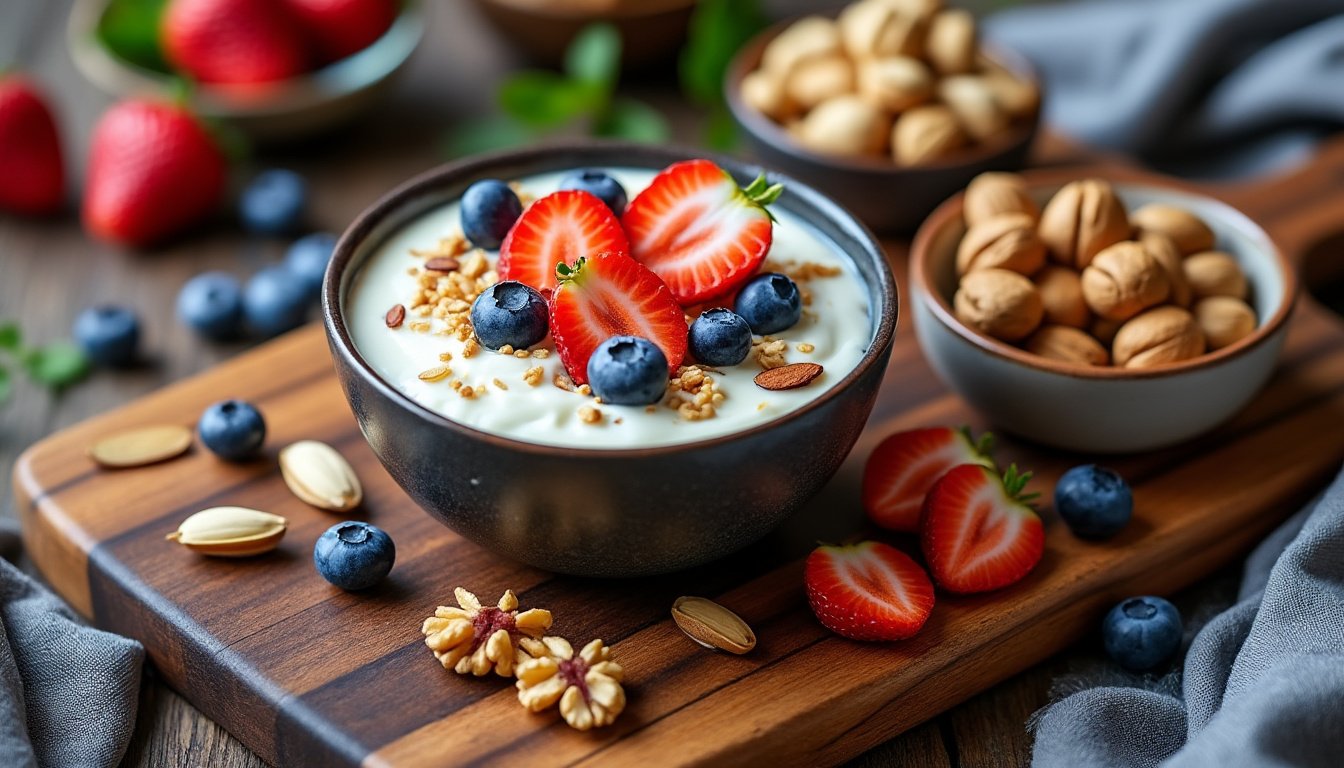
A practical example includes substituting candies or sweetened beverages with snacks like Greek yogurt topped with fresh berries, raw nuts, or sliced vegetables paired with hummus. These alternatives not only satisfy hunger but also provide sustained energy, preventing blood sugar spikes and dips that further compromise blood pressure control. Such snack choices are essential components of an evening routine aimed at supporting healthy habits and stroke prevention.
Additionally, research in 2026 suggests that reducing evening added sugar intake can improve the body’s inflammatory profile and reduce oxidative stress, both of which play a role in vascular health deterioration. This means that managing sugar consumption is not just about calories or weight but also about directly influencing the mechanisms leading to stroke.
Incorporating this knowledge into daily life means creating awareness around evening cravings and developing strategies, such as preparing balanced snacks ahead of time or establishing a calming post-work routine that doesn’t revolve around food. By prioritizing nutritious, low-sugar options after 5 p.m., individuals can strengthen their ability to control blood pressure and support overall cardiovascular health.
Reducing Prolonged Sitting After 5 PM to Enhance Physical Activity for Stroke Prevention
A sedentary lifestyle is a recognized risk factor for many chronic conditions, including stroke. After a long day at work, it’s tempting to settle into a routine of sitting on the couch, but research increasingly shows that prolonged sitting negatively affects circulation, blood sugar regulation, and overall heart health. In terms of stroke prevention, breaking up sedentary time in the evening is a simple yet powerful habit.
Physical activity does not necessarily mean engaging in lengthy gym sessions. Small, manageable bursts of movement—such as a 15-20 minute walk after dinner, stretching during television time, or performing household chores—can significantly improve cardiovascular function and aid in blood pressure control. These movements stimulate circulation, improve glucose metabolism, and contribute to stress reduction, all essential elements in lowering stroke risk.
Consider Laura, who used to spend evenings sedentary but recently began taking a short walk around her neighborhood each evening. Not only did she find her sleep quality improving, but consistent physical activity also helped regulate her blood pressure. This anecdote reflects growing evidence that integrating manageable physical activity into your evening routine can bring long-term benefits.
Experts highlight that the cumulative effect of these small bursts is pivotal. It serves as a reminder that daily stroke prevention is less about extreme exertion and more about sustainable, consistent changes that fit naturally into your lifestyle. Encouraging physical activity after 5 p.m. also promotes stress reduction by releasing endorphins and improving mood, which further supports heart health.
Optimizing Sleep Quality After 5 PM: A Key Factor in Stroke Prevention and Healthy Habits
Sleep quality plays a fundamental role in stroke prevention, with disruptions linked to higher blood pressure, inflammation, and compromised vascular health. Unfortunately, many adults experience erratic sleep patterns due to lifestyle factors, especially in the evening. Establishing consistent sleep habits as part of a structured evening routine can enhance cardiovascular health and lower stroke risk.
Studies show that going to bed late, eating too close to bedtime, or engaging in stimulating activities before sleep can interrupt restorative sleep phases. Consistent sleep duration and quality help regulate blood pressure overnight, support brain detoxification processes, and reduce stress hormones. For example, sticking to a sleep schedule, limiting screen time, and avoiding heavy meals or alcohol after 5 p.m. all positively influence sleep hygiene.
Adopting a calming wind-down routine that includes reading, light stretching, or journaling can promote relaxation without interfering with sleep quality. Such strategies contribute to stress reduction, which is closely tied to heart health and stroke prevention. The interplay between sleep quality, stress management, and physical activity illustrates how an integrated evening routine forms the foundation of lifelong healthy habits.
Healthcare professionals emphasize that protective stroke habits revolve around regular, restorative sleep. Women, in particular, may benefit from targeted sleep interventions due to emerging research suggesting healthy sleep habits may extend lifespan significantly. This connection underscores the broader importance of sleep as part of overall cardiovascular wellness and stroke prevention strategies.
To cultivate better sleep quality, try avoiding caffeine and heavy meals late in the day, maintaining a cool and dark sleep environment, and prioritizing stress-reducing activities in the evening. These efforts collectively reinforce blood pressure control and reduce the likelihood of stroke-related health complications.
- Prioritize a consistent bedtime and wake-up time daily.
- Engage in relaxing activities such as reading or meditation before sleep.
- Avoid alcohol and heavy meals after early evening.
- Limit screen exposure at least one hour before bedtime.
- Incorporate physical activity earlier in the evening to promote sleep readiness.
Incorporating these elements into your evening routine can significantly boost sleep quality, foster healthy habits, and contribute to effective stroke prevention over the long term.
Explore more expert advice on evening habits for heart health and detailed preventive strategies after meals and before bedtime for comprehensive insights on managing stroke risk through lifestyle.
How does sodium intake after 5 PM affect stroke risk?
Consuming high-sodium meals in the evening can lead to elevated blood pressure, which is a major risk factor for stroke. Limiting sodium at dinner supports better blood pressure control and reduces stroke risk over time.
Is moderate alcohol consumption safe in the evening regarding stroke prevention?
Recent research suggests that even moderate alcohol intake in the evening can increase blood pressure and disrupt sleep quality, both detrimental to stroke prevention. Reducing or avoiding alcohol after 5 PM is advised to protect vascular health.
What are some effective ways to break up prolonged sitting after work?
Incorporate short walks, stretching, household chores, or light exercise after 5 PM to improve circulation and support blood sugar and blood pressure regulation, all key to reducing stroke risk.
How does sleep quality after 5 PM influence stroke prevention?
Good sleep quality regulated by consistent sleep routines promotes blood pressure control, reduces inflammation, and supports brain and heart health, thereby lowering stroke risk.
Can snacks in the evening influence stroke risk?
Yes, high added sugar snacks increase the risk of high blood pressure, excess weight, and type 2 diabetes, all linked to stroke. Choosing protein and fiber-rich snacks instead supports healthier blood sugar and heart health.
10 quick checks to spot low-quality supplements before you buy - plus research-backed doses for 12 common ingredients. Free PDF, no spam.
