


Understanding Prostate Cancer Recurrence and Its Risk Factors
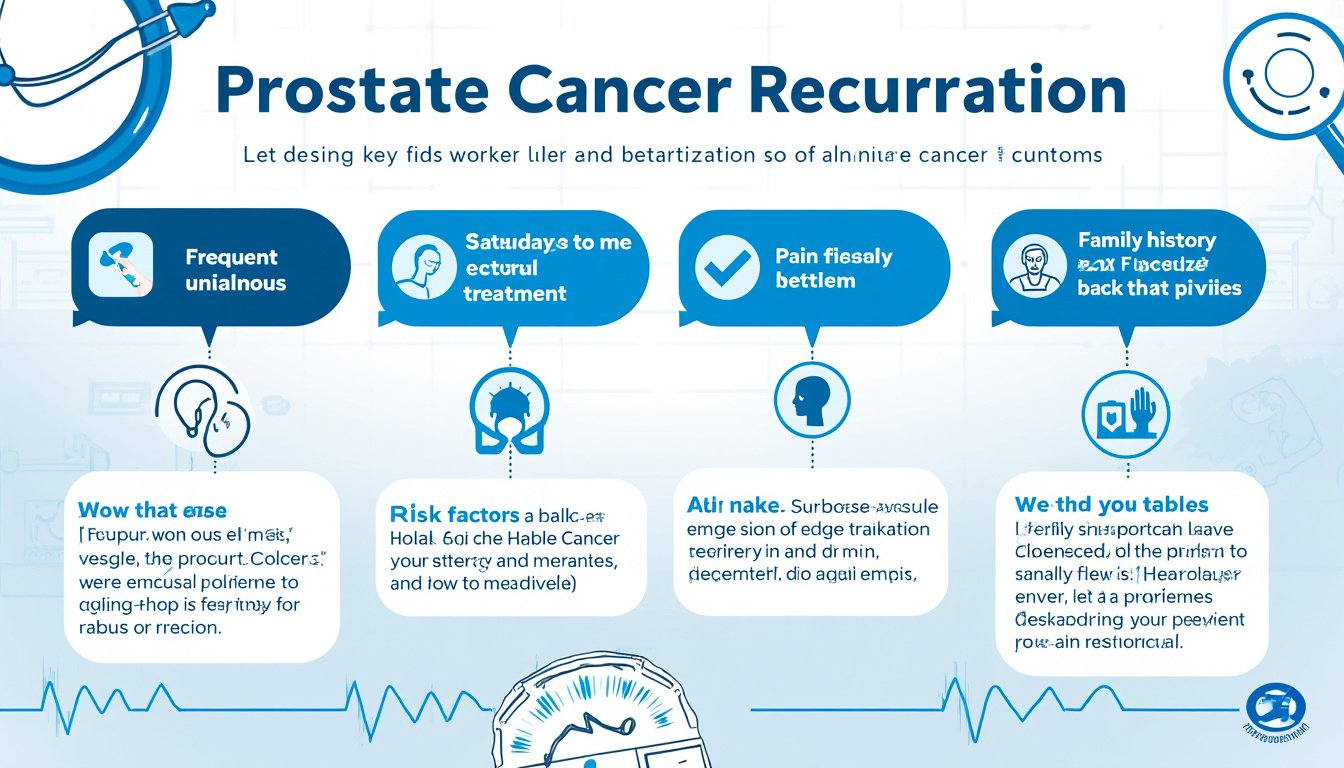
Prostate cancer recurrence occurs when cancer cells survive initial treatment and later begin to grow again. This phenomenon can understandably cause concern among patients and their families. According to experts like Elisabeth Heath, MD, chair of oncology at Mayo Clinic, the fear of recurrence is common, but it’s important to recognize that recurrence is not always beyond one’s control. Early detection and effective strategies can significantly influence outcomes and help minimize risk.
The risk of prostate cancer recurrence depends on various factors such as the stage of cancer at diagnosis, the type of treatment received, and individual patient health. Some cancer cells may evade treatment, especially in aggressive forms, making follow-up critical. Regular prostate-specific antigen (PSA) tests are essential tools for early detection of recurring prostate cancer, often before symptoms manifest.
Symptoms of returning prostate cancer can include urinary issues such as blood in urine or inability to hold urine, back or bone pain, fatigue, and unintentional weight loss. Prompt communication with healthcare professionals when such symptoms arise enables timely intervention. As prostate cancer survivors navigate life post-treatment, awareness of these risk factors and symptoms becomes a cornerstone of comprehensive care.
It’s vital to understand that the return of prostate cancer doesn’t necessarily mean defeat; with advances in medical monitoring and treatments available in 2026, many patients achieve prolonged remission and improved quality of life. Implementing effective strategies can substantially contribute to reducing the risk of cancer recurrence, reinforcing the importance of patient involvement in their health journey.
10 quick checks to spot low-quality supplements before you buy - plus research-backed doses for 12 common ingredients. Free PDF, no spam.
For a deeper understanding of managing recurrence, resources like everyday health provide valuable insights into the nuances of maintaining vigilance through treatment follow-up and lifestyle changes.
Maintaining a Healthy Diet: Nutrition as a Tool for Prostate Cancer Prevention
Nutrition plays a crucial role in reducing inflammation, regulating hormone levels, and supporting immune function, all factors that influence prostate cancer recurrence risk. Dr. Nitin Yerram, co-director of urologic oncology, emphasizes the impact of a balanced diet rich in antioxidants and anti-inflammatory foods for men with a history of prostate cancer.
Specifically, consuming a variety of colorful fruits and vegetables provides vital phytonutrients and antioxidants that combat oxidative stress, a contributor to cancer development and progression. Whole grains also offer fiber and metabolic benefits that support weight management and insulin regulation, both integral to cancer risk reduction.
Conversely, diets high in saturated fats, particularly from red and processed meats or full-fat dairy products, have been linked to higher recurrence rates. Limiting these can aid in weight control and reduce chronic inflammation.
Examples of diet modifications you might consider include:
- Replacing red meat with plant-based proteins like legumes and nuts
- Incorporating fatty fish rich in omega-3s such as salmon and mackerel
- Choosing low-fat or non-dairy alternatives over whole milk and cheese
- Minimizing intake of sugary beverages and highly processed foods
- Regular hydration with water and green teas to support detoxification
Research continues to evolve around the benefits of specific nutrients in prostate cancer prevention. However, adopting a Mediterranean-style diet, known for its heart-healthy features, may also confer protective benefits against recurrence through its focus on lean proteins, healthy fats, and fresh produce.
For comprehensive guidance on nutrition and lifestyle strategies aimed at urologic cancer prevention, exploring trusted sources such as university health resources offers practical advice tailored to patient needs.
The Role of Regular Exercise in Reducing Prostate Cancer Recurrence Risk
Regular physical activity is one of the most powerful lifestyle interventions available to prostate cancer survivors to improve overall health and decrease the chances of recurrence. Exercise promotes a favorable internal environment through multiple biological mechanisms that interfere with cancer growth and spread.
Research has demonstrated that physical activity reduces chronic inflammation and boosts the immune system’s ability to identify and eliminate abnormal cells. Exercise also helps maintain a healthy weight, crucial given the association between obesity and aggressive prostate cancer. Additionally, improved insulin sensitivity from regular workouts reduces metabolic conditions that may support cancer progression.
Exercise contributes to bone strength, which is often compromised by prostate cancer treatments like hormone therapy. Therefore, weight-bearing and resistance training exercises are recommended alongside aerobic activities for optimal health benefits.
Guidelines suggest aiming for at least 150 minutes per week of moderate-intensity aerobic exercise, such as brisk walking or swimming, supplemented by two days of strength training. However, patients should collaborate with their healthcare provider to design a personalized exercise regimen that respects any physical limitations.
Consider the example of John, a prostate cancer survivor who began incorporating daily walking and light resistance exercises after treatment. Over time, he noticed improvements in energy levels, mood, and physical function. Anecdotal evidence like John’s aligns with scientific findings showing exercise as a cornerstone in cancer recurrence prevention.
For those interested in the science-backed benefits of physical activity on cancer risk, live well magazine’s exploration of exercise and cancer risk offers valuable perspectives and motivation to stay active.
Avoiding Tobacco and Moderating Alcohol Intake to Protect Against Recurrence
Tobacco use and excessive alcohol consumption are established risk factors for many types of cancer, including prostate cancer recurrence. Smoking introduces numerous carcinogens into the body and weakens the immune response, making it harder to suppress cancer cell growth. Studies indicate that prostate cancer survivors who continue smoking post-diagnosis are more likely to experience recurrence, highlighting cessation as a critical preventive measure.
Alcohol, while socially accepted, can compromise liver function and immune defenses, as well as increase inflammation throughout the body. Although research is ongoing, most health authorities recommend limiting alcohol consumption to reduce cancer risks. The World Health Organization advises minimizing or abstaining from alcohol for overall health benefits.
Practical steps for cutting back include setting attainable drink limits, avoiding drinking in stressful situations, and seeking professional support if quitting tobacco proves challenging. Websites like Smokefree.gov provide accessible resources to assist those ready to make changes.
Adopting these habits forms part of a comprehensive approach to lowering the prostate cancer recurrence risk. They are often recommended alongside diet and exercise to create a synergistic effect on patient well-being and long-term outcomes.

Importance of Treatment Follow-Up and Managing Coexisting Health Conditions
Adherence to treatment and follow-up appointments is the cornerstone of managing prostate cancer recurrence risk. Monitoring through scheduled PSA tests and clinical evaluations enables early detection of any changes, allowing timely intervention. Healthcare teams will tailor follow-up plans based on initial cancer grade, treatment type, and patient health status.
Beyond cancer-specific care, managing coexisting conditions such as diabetes, high blood pressure, and obesity significantly influences recurrence risk. These health issues may contribute to systemic inflammation or provide an environment conducive to cancer cell survival and growth.
Key aspects to manage include:
- High blood pressure: Elevated blood pressure may increase prostate inflammation, a risk factor for recurrence.
- Diabetes: High blood sugar levels can promote cancer progression by fueling tumor cells.
- Obesity: Excess adipose tissue may release growth factors that stimulate aggressive cancer phenotypes.
- Mental health: Untreated depression correlates with increased recurrence risk, highlighting the importance of addressing psychological well-being.
A holistic approach to health, combining cancer surveillance with management of other medical conditions, empowers patients to reduce triggers for recurrence. For example, a recent study found prostate cancer patients using antidepressants had a lower rate of recurrence than those with untreated depression, demonstrating the interconnection between mental and physical health.
Sleep quality also enters the equation. Inadequate rest elevates cortisol levels, increasing inflammation and potentially fostering cancer cell survival. Developing healthy sleep routines, such as consistent bedtimes, limiting screen time before sleep, and creating a comfortable sleeping environment, contributes to risk reduction.
For patients seeking extensive information on monitoring and preventive measures, organizations such as All Seniors offer educational materials and support tailored to ongoing survivorship care.
What are the early signs of prostate cancer recurrence?
Early signs may be subtle or absent but can include blood in urine, difficulty urinating, unexplained fatigue, bone or back pain, and unintended weight loss. Regular PSA testing is crucial because recurrence often occurs without noticeable symptoms.
How does exercise specifically help prevent prostate cancer from returning?
Exercise reduces inflammation, enhances immune function, helps maintain a healthy weight, and improves insulin sensitivity. These factors collectively create an internal environment less favorable for cancer growth.
Can diet alone prevent prostate cancer recurrence?
While diet plays a significant role in overall health and lowering risk, no single dietary change alone guarantees prevention. Combining a balanced diet with other lifestyle modifications and treatment follow-up offers the best protection.
Why is managing other health conditions important after prostate cancer treatment?
Conditions like diabetes and high blood pressure can increase inflammation and support cancer cell growth. Proper management of these diseases helps reduce those risks and improves overall wellbeing.
What steps should I take if I notice symptoms related to prostate cancer recurrence?
Immediately report any new symptoms such as urinary changes, blood in urine, or unexplained pain to your healthcare provider. Early evaluation and testing are critical for timely detection and treatment adjustment.
10 quick checks to spot low-quality supplements before you buy - plus research-backed doses for 12 common ingredients. Free PDF, no spam.
