


Understanding Unhealthy Habits and Their Impact on Well-Being
Unhealthy habits pose a significant threat to our overall well-being, affecting physical health, mental stability, and social relationships. These behaviors often develop gradually and become entrenched, making them difficult to identify and overcome. Examples include smoking, excessive alcohol consumption, poor dietary choices, and sedentary lifestyles, all of which carry notable health risks such as cardiovascular disease, obesity, and diabetes.
One crucial element in understanding unhealthy habits is recognizing their connection to psychological coping. Often, individuals adopt these behaviors as maladaptive coping mechanisms to deal with stress, anxiety, or negative emotions. For instance, smoking or overeating might temporarily relieve emotional discomfort but ultimately worsen health outcomes. These unhealthy coping strategies interfere with mental health, creating cycles of dependence and reinforcing negative patterns.
Scientific research has demonstrated that the persistence of unhealthy habits is fueled by factors including environmental cues, social pressure, and biological predispositions. For example, compulsive behaviors linked to addiction activate the brain’s reward system, creating cravings that challenge self-discipline. This biochemical aspect explains why breaking bad habits requires more than mere willpower; it calls for strategic interventions that address underlying triggers and cognitive patterns.
The toll of these habits on well-being is not only physical but also emotional and social. Chronic stress, compounded by poor lifestyle choices, impairs immune function and promotes inflammation, which can exacerbate depression and anxiety disorders. Consequently, the interplay between stress management and lifestyle choices emerges as critical in maintaining holistic health. To mitigate these risks, it is imperative to develop awareness around personal behaviors and seek healthier alternatives that promote resilience.
10 quick checks to spot low-quality supplements before you buy - plus research-backed doses for 12 common ingredients. Free PDF, no spam.
For a comprehensive approach to recognizing and tackling unhealthy habits, exploring psychological frameworks and evidence-based models can be instructive. Numerous online resources provide insights on how to identify maladaptive patterns and initiate change. One such example is the detailed exploration of unhealthy coping mechanisms, which highlights emotional triggers and offers foundational knowledge for intervention.
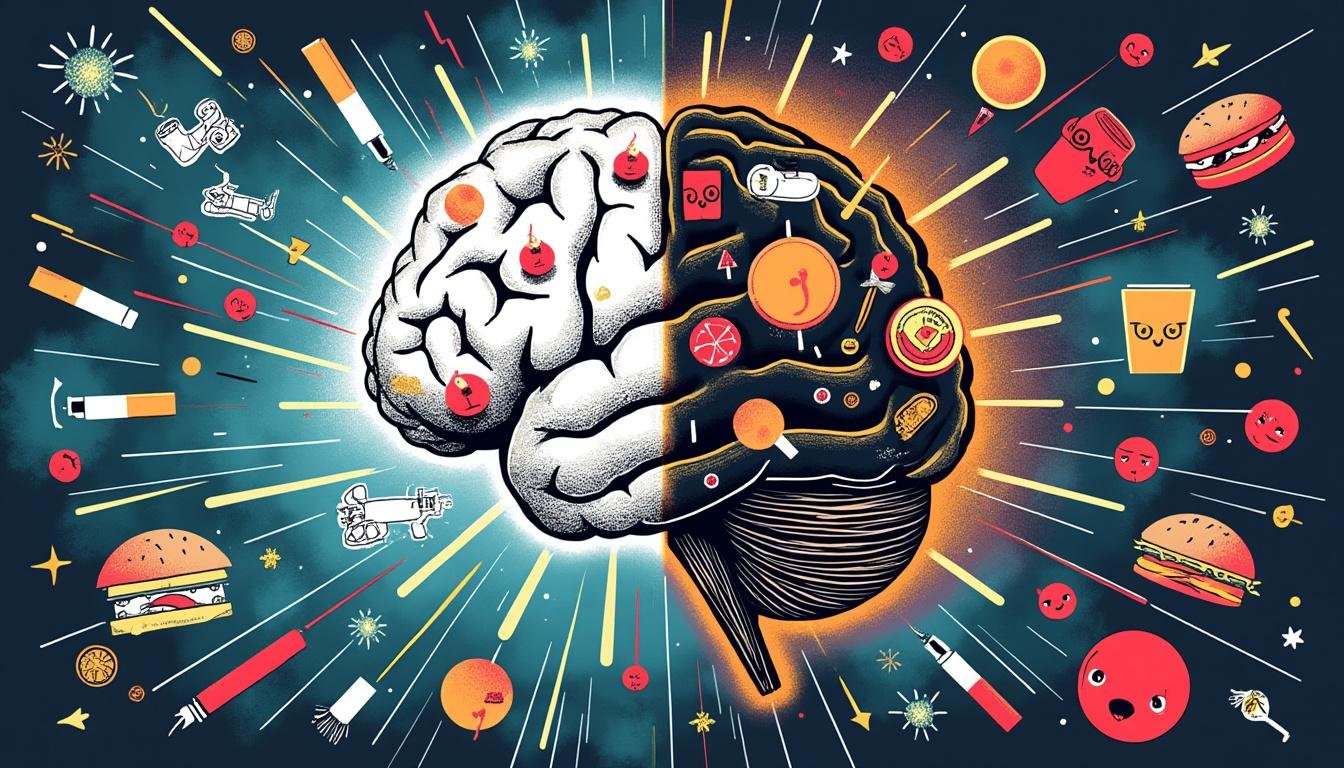
Health Risks Associated with Common Unhealthy Habits
The wide spectrum of unhealthy habits manifests through various behaviors, each carrying distinct but often overlapping health risks. Smoking remains a primary cause of preventable illnesses such as lung cancer and chronic obstructive pulmonary disease (COPD). Similarly, excessive alcohol intake leads to liver cirrhosis, cardiovascular issues, and cognitive decline, all impairing quality of life.
Poor dietary choices—characterized by high consumption of processed foods, sugar, and unhealthy fats—contribute to metabolic disorders including obesity, type 2 diabetes, and hypertension. These conditions impose an additional burden on healthcare systems and reduce longevity. A sedentary lifestyle compounds these risks by promoting muscle weakness, joint problems, and decreased cardiovascular fitness.
Besides the physical ramifications, addiction to substances or behaviors, such as gambling or technology overuse, can severely compromise mental health. Addiction alters brain chemistry, impairing judgment and emotional regulation, thereby disrupting social bonds and professional responsibilities. This underscores the need for effective behavior modification techniques and comprehensive treatment plans focusing on both physical and psychological recovery.
Stress management plays an instrumental role in either exacerbating or alleviating these issues. Unmanaged stress can lead to emotional eating, insomnia, and substance abuse, creating a vicious cycle that perpetuates unhealthy habits. Conversely, mastering stress management techniques strengthens the ability to resist temptations and maintain healthier lifestyle choices.
Many preventive measures focus on promoting awareness about these risks and encouraging early intervention. Collaboration between healthcare providers, community organizations, and individuals facilitates the dissemination of information and fosters environments that support positive change.
For those seeking practical advice, authoritative sites like HelpGuide’s resource on breaking bad habits offer valuable strategies grounded in psychological research. They emphasize the importance of small, specific goals and environmental redesign to reduce exposure to triggers and reinforce healthy alternatives.
Psychological Foundations and Stress Management in Overcoming Unhealthy Habits
The road to overcoming unhealthy habits is deeply intertwined with psychological insights into human behavior and emotion. Recognizing the underlying motivations behind certain actions is pivotal. For many, these habits serve as crutches during high-stress periods, highlighting the connection between stress management and habit formation.
Among the psychological models, the habit loop concept illustrates how cues, routines, and rewards work together to form habits. To interrupt this cycle, increasing self-awareness is essential. For example, one might notice that stress acts as a cue to engage in smoking. Replacing this routine with a healthier activity, such as deep breathing or a short walk, can weaken the habit loop.
Effective healthy coping strategies include mindfulness meditation, progressive muscle relaxation, and cognitive restructuring. Each assists in reducing emotional reactivity and increasing resilience against triggers. Additionally, incorporating regular physical activity has shown tremendous benefits by releasing endorphins that improve mood and reduce anxiety.
Another vital psychological strategy involves goal-setting with measurable benchmarks. Setting small, achievable objectives encourages progress and prevents discouragement. For instance, someone trying to quit excessive snacking might aim to replace one unhealthy snack per day with a nutritious alternative until the habit is fully changed.
Social support further amplifies the effectiveness of these techniques. Engaging with peer groups, therapists, or support networks fosters motivation and accountability. Research emphasizes that individuals are more likely to succeed when they do not attempt change in isolation.
For deeper understanding of behavior change science, numerous resources provide evidence-based tips. The article on science-based strategies on breaking bad habits outlines these components succinctly, offering practical advice for sustainable transformation.

Lifestyle Changes and Self-Discipline: Building a Healthier Future
Adopting new lifestyle habits anchored in self-discipline is fundamental to replacing harmful behaviors with constructive ones. Self-discipline empowers individuals to resist short-term temptations in favor of long-term health and well-being. This journey often entails redefining daily routines, setting priorities, and fostering an environment conducive to healthy choices.
Implementing small but impactful changes such as regular meal planning, scheduled exercise, and adequate sleep significantly improves outcomes. For example, starting the day with a balanced breakfast can reduce impulsive snacking later, mitigating poor diet choices. Similarly, developing an evening wind-down ritual helps in stress reduction and better rest, which further supports behavior change.
Consistent application of these changes leads to what experts call ‘keystone habits’—routines that catalyze broad positive effects across various life domains. Examples include regular physical activity or mindfulness practice, which enhance both physical health and mental clarity.
A list of actionable lifestyle changes to consider for sustainable improvement includes:
- Incorporating at least 30 minutes of moderate exercise daily
- Replacing sugary snacks with fruits or nuts
- Setting specific sleep schedules to improve rest quality
- Practicing mindful breathing exercises during stressful moments
- Tracking progress through journals or apps to maintain accountability
Resources such as Mental Health Hope’s guide on habit building and My Brain Rewired’s top strategies offer stepwise approaches to cultivating self-discipline and maintaining motivation over time.
Ultimately, the transformation requires patience and compassion toward oneself. Recognizing setbacks as learning opportunities rather than failures fosters resilience and encourages perseverance.
Strategies to Sustain Healthy Habits and Avoid Relapse
Sustaining healthy lifestyle changes is as challenging as initiating them. The risk of relapse into unhealthy patterns is high due to ingrained neural pathways and environmental temptations. Successful maintenance involves continuous effort and adjustment to evolving circumstances.
One effective strategy is the redesign of one’s environment to minimize exposure to triggers. For example, removing junk food from the home or avoiding social situations that encourage smoking can significantly reduce temptation. Creating supportive social circles also establishes a network that encourages ongoing accountability and positive reinforcement.
Another key component is embracing flexibility. Life inevitably brings unexpected challenges; therefore, rigid plans may break down. Allowing room for occasional indulgences without guilt reduces the pressure that often leads to all-or-nothing relapse cycles.
Routine self-reflection, including journaling or meditation, helps maintain awareness of emotional states that might provoke old habits. This awareness acts as an early warning system to deploy alternative coping mechanisms before falling back into harmful behaviors.
Health professionals recommend integrating these strategies with professional support when needed. Therapy, coaching, or group programs can provide personalized guidance, enhancing success rates. The importance of addressing both mental health and physical health in tandem cannot be overstated.
The article from AARP underscores that motivation alone is insufficient, emphasizing goal setting and environment design as pivotal to habit maintenance. Complementing this, the insights from Healthline’s discussion on barriers shed light on common pitfalls and practical ways to overcome them.
What are some common unhealthy habits that affect well-being?
Common unhealthy habits include smoking, excessive alcohol use, poor diet, lack of physical activity, and maladaptive coping mechanisms like emotional overeating.
How can stress contribute to maintaining unhealthy habits?
Stress often triggers maladaptive behaviors as temporary relief mechanisms, such as smoking or overeating, which may develop into persistent unhealthy habits.
What strategies are effective in breaking unhealthy habits?
Strategies include behavior modification, self-discipline development, setting small achievable goals, social support, and environment redesign to reduce exposure to triggers.
Why is self-discipline important in overcoming bad habits?
Self-discipline helps individuals resist short-term temptations, maintain consistency in new behaviors, and foster a proactive mindset necessary for sustainable change.
How can one maintain healthy habits in the long term?
Maintaining healthy habits involves ongoing awareness, flexible approaches to setbacks, social accountability, environmental controls, and seeking professional support when needed.
10 quick checks to spot low-quality supplements before you buy - plus research-backed doses for 12 common ingredients. Free PDF, no spam.

1 Comment
Pingback: Everyday 'Healthy' Habits That Harm Your Well-Being