


How Positive Mindset Transforms Aging and Enhances Longevity
Many people envision aging as an inevitable decline in physical and mental abilities, but recent research challenges this long-held belief. A groundbreaking study published in the journal Geriatrics analyzed data from over 11,000 adults aged 65 and older, revealing remarkable insights into how a positive mindset can significantly influence health outcomes during the golden years. This study tracked participants for up to 12 years, assessing changes in cognitive performance through mental tests and physical ability via walking speed assessments.
Surprisingly, almost half of the study population experienced improvements in either cognitive function or physical health, with 32% showing enhanced mental abilities and 28% demonstrating improved physical performance. Beyond mere preservation, many participants maintained stable levels in these areas rather than declining. Specifically, 51% sustained or improved cognitive skills, and 38% maintained or enhanced their walking speed. These findings signal that aging can be a phase of growth and adaptation — not just gradual deterioration.
Researchers delved deeper to identify factors that differentiated those who improved from those who did not. The key was the individual’s mindset about aging. Those harboring more positive beliefs about getting older were more likely to experience health advancements over time. This connection between attitude and outcomes paints a compelling case for nurturing wellness through mental outlook alongside physical care.
Thea Gallagher, Psy.D., a clinical associate professor at NYU Langone Health and cohost of the Mind in View podcast, emphasizes the transformative power of beliefs. According to her, expecting decline may lead individuals to disengage from healthy behaviors such as exercising, mental challenges, and social interactions. Conversely, a mindset embracing growth encourages continuous engagement with activities that support longevity and wellbeing.
10 quick checks to spot low-quality supplements before you buy - plus research-backed doses for 12 common ingredients. Free PDF, no spam.
Furthermore, clinical psychologist Hillary Ammon, Psy.D., highlights the detrimental effects of anxiety and negativity about aging. Chronic worry can compromise not only mental health but also physical wellbeing by elevating stress hormones like cortisol, which disrupts sleep, blood sugar regulation, and inflammation levels — all factors linked to poorer health outcomes. It follows that cultivating a positive approach can potentially counteract these risks, enhancing overall wellness.
Understanding this mind-body connection is vital as it reframes aging from a narrative of inevitable loss to one of ongoing opportunity and strength. This perspective shift aligns with recent advances in wellness science — underscoring that how we think about aging profoundly impacts how well we age.
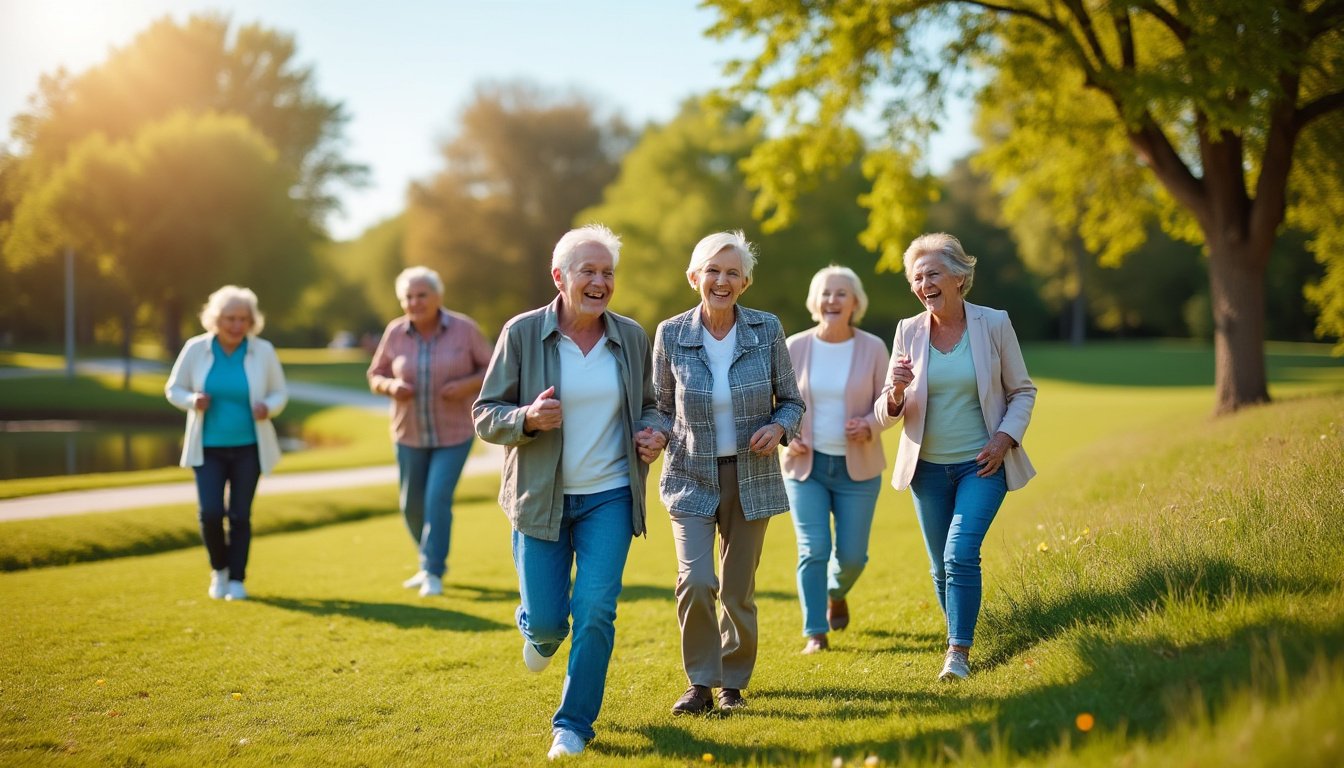
The Science Behind Mindset and Its Impact on Brain Health After 65
While the link between a positive mindset and healthier aging is supported by observational studies, emerging biological research sheds light on the mechanisms involved. For instance, a study published in the journal Psychoneuroendocrinology in early 2025 investigated the biological aging process in women, revealing that high anxiety about aging corresponds with accelerated epigenetic aging. This measurement, which tracks chemical modifications to DNA that occur over time, serves as an indicator of biological rather than chronological age.
This suggests that psychological stress regarding aging is not just a mental burden but manifests biologically, potentially hastening age-related decline. High anxiety and negative expectations may promote harmful physiological changes, including increased inflammation and oxidative stress, which impair both cognitive and physical health. In contrast, individuals adopting positive aging beliefs potentially experience slower biological aging through reduced stress responses and healthier lifestyle choices.
Dr. Gallagher explains that mindset shapes behavior — those confident in their ability to adapt with age are more likely to maintain healthy habits such as regular exercise, social engagement, mental stimulation, and proper healthcare. These behaviors, supported by neuroscientific evidence, contribute to the brain’s remarkable plasticity even in late adulthood. Connections between neurons continue to form, enabling sustained cognitive functions and emotional regulation improvements.
Moreover, aging adults can develop strengths in emotional wellbeing, prioritizing meaningful experiences while letting go of stressors that previously drained energy. This psychological growth complements physical health to create a holistic picture of aging well. The interplay of mental health and brain function underscores why fostering positive thinking is a cornerstone of promoting longevity and quality of life.
In addition to individual health impacts, this evolving understanding challenges societal narratives, encouraging cultural shifts that recognize older adults’ capacity for growth instead of decline. Such change empowers elderly individuals to redefine their aging journey and inspires doctors and health practitioners to integrate mental health strategies alongside traditional medical care.
Healthy Habits Embedded in a Growth Mindset for the Elderly
Adopting a positive mindset is more than an attitude; it becomes the driving force behind the formation of healthy habits that enhance longevity and wellness. Research continuously shows that lifestyle changes focusing on diet, physical activity, and cognitive engagement improve both brain and body health after age 65. Notably, a comprehensive two-year intervention involving over 2,100 seniors leveraged mental and physical exercises combined with a heart-healthy diet, resulting in noticeable gains in memory and thinking skills.
Here are key practices that integrate mindset with action to boost health in later life:
- Regular physical activity: Engaging in cardiovascular and strength training exercises enhances muscle mass, walking speed, balance, and brain blood flow.
- Nutrition emphasizing brain health: Diets rich in antioxidants, omega-3 fatty acids, and low in processed foods support cognitive function and reduce inflammation.
- Cognitive training: Mental stimulation through puzzles, learning new skills, or social activities promotes neuroplasticity and slows cognitive decline.
- Social connection: Healthy relationships prevent isolation, increase emotional support, and contribute to better mental health.
- Stress management: Mindfulness practices, therapy, or hobbies help reduce anxiety and the physiological burden of stress hormones.
- Positive aging beliefs: Maintaining optimism about aging encourages consistent participation in these health behaviors.
Doctors emphasize that these habits not only improve physical health but also foster a resilient mindset. According to experts, shifting the focus from merely avoiding illness to actively building health daily cultivates a more fulfilling and longer life. Elderly individuals who embrace these positive habits often report enhanced wellbeing and greater independence.
The synthesis of positive mindset and practical habits aligns with the advice shared by leading health authorities who advocate for an integrated approach to aging. It’s a compelling reminder that aging does not mean withdrawal but rather continuing growth through intentional wellness choices.

Psychological Factors Shaping Health Outcomes in the Elderly
The relationship between mental health and physical wellness becomes particularly evident as adults enter their senior years. Negative emotions such as anxiety, fear, and depression can have lasting reverberations on the health of elderly individuals. Persistent anxiety about aging increases the likelihood of chronic health issues like cardiovascular disease due to prolonged exposure to stress hormones like cortisol.
Hillary Ammon, Psy.D., explains that anxiety impacts sleep quality and metabolic functions, both crucial for maintaining health. Poor sleep exacerbates immune dysfunction and cognitive lapses, while blood sugar fluctuations can complicate management of diabetes and other diseases common among the elderly. Thus, mental health is intricately connected to lifelong wellbeing and longevity.
Positive psychology interventions provide a useful toolbox to counteract these trends. Encouraging elderly individuals to focus on gratitude, purpose, and achievable goals can improve psychological resilience. Programs that cultivate optimism have shown to reduce depressive symptoms and promote healthier lifestyle decisions.
Integrating mental health support within primary care for seniors, including therapy or counseling aimed at addressing aging-related anxieties, is gaining traction among healthcare providers. Providing elderly people with the tools to reshape their mindset not only enhances their mental health but also indirectly supports physical function and wellness.
Doctors are increasingly acknowledging that a crucial part of aging well is caring for the mind with as much attentiveness as the body. Engaging in activities that promote emotional wellbeing—from social groups to hobbies—can make a significant difference in health trajectories after 65.
Practical Strategies for Cultivating a Positive Mindset in Later Life
While aging is a natural process, the capacity to influence how we experience it is substantial when adopting the right mindset. According to Dr. Thea Gallagher, older adults who embrace growth and positivity often unlock new potential in brain function, emotional regulation, and physical health. This mindset shift involves intentional actions and cognitive reframing.
Effective strategies for cultivating a positive aging mindset include:
- Reframing beliefs: Replace thoughts of inevitable decline with expectations of ongoing growth and capabilities. Remind yourself that many older adults experience cognitive gains and emotional maturity.
- Setting achievable goals: Pursue hobbies, social engagements, or learning opportunities that bring joy and purpose.
- Staying physically active: Incorporate daily walks, stretching, or exercise routines that match your ability.
- Engaging socially: Foster meaningful connections with family, friends, and community to support mental health.
- Learning new skills: Challenge the brain regularly through reading, games, courses, or creative activities.
- Seeking professional support: Consult therapists if negative aging beliefs or anxiety interfere with daily wellbeing.
These practical steps not only improve health outcomes but also enhance quality of life and longevity by helping older adults embrace their evolving journey with confidence. This mindset and behavioral approach aligns with recent studies emphasizing that positive thinking about aging is more than hopeful optimism—it is a critical health tool.
For those interested in expert insights on healthy aging habits and mindset, valuable resources are available to explore. They offer personalized guidance on how reorienting your outlook can lead to meaningful improvements in both body and mind, illustrating that the best years can indeed come after 65.
Check out articles on lifestyle changes that improve brain health with age and comprehensive longevity guides to complement this mindset shift with actionable advice.
Can mindset alone improve physical health after 65?
While a positive mindset supports healthier behaviors and psychological resilience crucial for aging well, it is not a standalone cure. Combining mindset with healthy habits like exercise, balanced nutrition, and social engagement is essential.
How does anxiety about aging affect longevity?
Anxiety triggers biological stress responses that can accelerate aging by disrupting sleep, increasing inflammation, and affecting metabolic health. Managing anxiety through therapy and lifestyle changes can mitigate these effects.
What are simple ways to develop a positive mindset about aging?
Practicing gratitude, setting small achievable goals, staying socially active, and reframing negative beliefs with factual positive aging outcomes can foster a healthier mindset.
Is cognitive improvement common after age 65?
Recent studies reveal that a significant portion of older adults experience improvements or stability in cognitive function, especially those who maintain brain-stimulating activities and positive outlooks.
When should I seek professional help for aging-related anxiety?
If worries about aging significantly interfere with your sleep, mood, or daily functioning, consulting a mental health professional who specializes in health or aging anxiety is advisable.
10 quick checks to spot low-quality supplements before you buy - plus research-backed doses for 12 common ingredients. Free PDF, no spam.
