


Exploring the World of Beneficial Teas: Types and Nutritional Insights
Tea remains one of the most cherished wellness drinks around the globe, celebrated not only for its comforting feel but also for its exceptional health benefits. Nutrition experts emphasize the importance of incorporating a variety of teas in our daily routine to avail the diverse range of antioxidants and immune support they offer. Understanding the distinction between the two primary categories—herbal teas and true teas derived from the Camellia sinensis plant—helps appreciate their unique contributions to health.
Herbal teas include infusions made from fruits, flowers, roots, and spices such as ginger, turmeric, chamomile, and fennel. These teas are naturally caffeine-free and often possess specialized health-promoting properties like anti-inflammatory and digestive support. For instance, the coupling of ginger and turmeric tea brings a potent blend of anti-inflammatory compounds and digestion-enhancing agents, widely recognized by nutritionists as effective natural remedies.
On the other side, Camellia teas encompass well-known varieties including black, green, white, oolong, and pu-erh teas. Each type undergoes a particular processing method that affects oxidation and flavor intensity, altering their caffeine content and antioxidant profiles. Green tea, for example, is less oxidized than black tea and contains powerful antioxidants like EGCG, which contribute to heart health, metabolic balance, and inflammation reduction.
Recognizing these foundational categories not only enhances your tea experience but also encourages adopting a healthful daily routine. By rotating between herbal and camellia teas, you maximize polyphenol diversity, ensuring your metabolism, brain, immune system, and heart receive broad-spectrum support.
10 quick checks to spot low-quality supplements before you buy - plus research-backed doses for 12 common ingredients. Free PDF, no spam.
Studies in 2026 reaffirm the value of tea antioxidants as a key element of natural wellness strategies, demonstrating that sipping tea consistently can improve long-term health markers. For comprehensive guidance on this, nutrition experts suggest exploring detailed breakdowns in resources such as which is the healthiest tea to drink that delve deeper into tea varieties and their specific benefits.
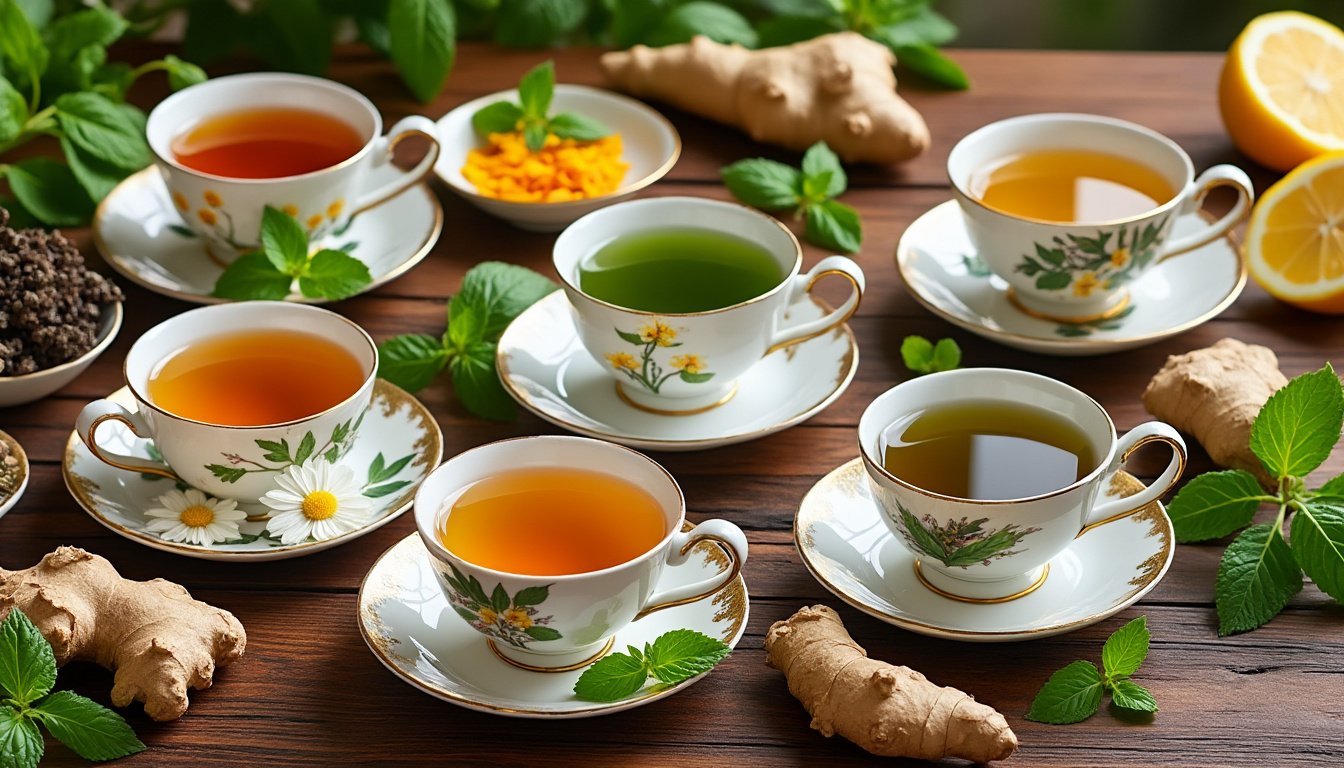
Black Tea and Green Tea: Powerhouses of Antioxidants and Metabolic Support
Among the camellia teas, black tea and green tea stand out prominently for their profound health benefits. Black tea, being the most oxidized and robust of camellia teas, provides a strong caffeine kick of approximately 47 mg per cup—about half that of coffee—making it a favored choice among those looking for a natural boost in energy. The rich oxidation process enhances its theaflavin content, a group of polyphenols recognized for their heart-protective effects, including improving cholesterol levels and regulating blood pressure.
Nutrition experts have also acknowledged black tea’s positive impact on cognitive health and gut microbiome balance, highlighting its role in enhancing brain function and digestive wellness. This aligns with findings presented on registered dietitians’ recommendations for healthiest teas, supporting daily consumption to maintain metabolic and immune health.
Green tea distinguishes itself through minimal oxidation and a moderate caffeine level around 30 mg per cup. Its subtle flavor delivers a potent dose of antioxidants like epigallocatechin gallate (EGCG), quercetin, and catechins, which nutrition experts link to substantial immune support and chronic disease prevention. Green tea’s benefits extend to enhancing fat oxidation, making it popular among individuals aiming for weight management and heart health improvement.
Intriguingly, the powdered form of green tea known as matcha intensifies these properties by allowing consumers to ingest the whole leaf, thus amplifying the intake of tea antioxidants and polyphenols. Whether in traditional whole-leaf or matcha format, green tea remains a cornerstone in natural health regimens.
To refine your tea selections for maximum health impact, exploring expert-reviewed insights about tea’s antioxidant power and choosing high-quality loose-leaf teas can be beneficial. This strategic approach to tea brewing is well covered in thorough analyses such as those available at top 10 healthiest teas, advocating for quality as a decisive factor in deriving health benefits.
Herbal Teas as Trusted Natural Remedies for Inflammation and Digestion
Herbal teas shine as exemplary choices among wellness drinks, prized especially for their caffeine-free compositions and targeted health-supporting compounds. Illustrated by blends like ginger turmeric tea, they effectively address inflammation and digestive issues using natural plant bioactives. Turmeric’s active ingredient curcumin acts as a potent anti-inflammatory agent, while gingerol in ginger enhances gastrointestinal function and provides gentle pain relief.
Other herbal varieties like chamomile tea earn praise for their calming properties, often employed as natural sleep aids and anxiolytics without causing drowsiness during the day. Chamomile is also recognized for its carminative effects that soothe digestion and its potential to support metabolic and immune health, which the latest nutritional studies continue to endorse.
Hibiscus tea, with its vivid color and tart taste, has surged in popularity due to its cardiometabolic benefits. Rich in flavonoids such as rutin and quercetin, this tea variety contributes to blood sugar stabilization and blood pressure regulation. This makes hibiscus a valuable tool for maintaining heart health through natural means.
Mint teas, including peppermint and spearmint, also hold a special place for their nootropic effects that enhance mental clarity and memory. Additionally, as carminatives, these herbal teas alleviate bloating and respiratory discomforts such as coughs and sinus congestion, reinforcing their integral role in holistic health strategies.
Choosing herbal teas crafted by local herbalists or certified organic producers ensures the highest quality and efficacy of natural compounds. Nutrition experts frequently recommend exploring specialty brands that focus on sustainable and ethical sourcing to maximize health impact, echoing themes found in articles focusing on tea antioxidants and natural remedies.

Oolong, White, and Specialty Teas: Unique Antioxidant Profiles and Health Advantages
Expanding beyond the common tea varieties, oolong and white teas offer intriguing health benefits as they occupy distinct oxidation positions between green and black teas. Oolong tea provides a flavor spectrum from light and floral to rich and intense, combining attributes of both green and black teas.
Its moderate caffeine content and abundant phytonutrients support heart health by improving cardiovascular markers and lowering the risk of metabolic disorders. Importantly, oolong tea impacts brain function positively and enhances gut flora diversity, contributing to robust immune defenses.
White tea is renowned for its delicate taste and lower caffeine content, often less than 30 mg per cup. With an ancient history, white tea carries a wealth of catechins and l-theanine —an amino acid associated with relaxation and focus. Its antioxidant density lends itself to skin health benefits and wound healing, as discussed by nutrition experts seeking non-pharmaceutical wellness options.
For those intrigued by blends, Earl Grey tea marries black tea with bergamot citrus oil, creating a soothing digestive aid due to bergamot’s carminative qualities. This combination enhances natural enzyme production aiding digestion and easing gastrointestinal discomfort.
These specialty teas showcase the versatility and profound benefits tea antioxidants provide. Integrating such varieties into your tea collection enriches daily health management, revealing new flavors and therapeutic properties season after season.
Optimizing Your Tea Routine for Maximum Health Benefits
Nutrition experts stress that the health advantages found in teas are best realized through consistency and quality-driven practices. Selecting loose-leaf or herbalist-made teas ensures the full array of nutrients and antioxidants remains intact during brewing. Moreover, properly steeping tea to the recommended temperatures extracts optimal polyphenol content, influencing efficacy significantly.
Rotating between different teas is advised to leverage the unique phytochemicals each variety offers. This approach supports comprehensive immune support and metabolic health, as diverse antioxidants act synergistically to enhance cellular resilience.
Experts recommend enjoying up to three cups of beneficial teas daily, balancing total caffeine intake while maximizing health benefits. Brewing the same tea leaves multiple times can moderate caffeine levels, offering more cups with fewer stimulant effects.
Developing a tea ritual attached to daily habits—such as breakfast or after-work moments—facilitates integration of these wellness drinks into everyday life. This strategy enhances adherence and enjoyment, converting tea drinking into a sustainable health practice.
For deeper insights on achieving the most from your tea habits, discovering trustworthy guidance on how to select and prepare the healthiest teas is invaluable, with detailed advice found at resources highlighting the most beneficial teas to drink daily.
- Choose high-quality teas, preferably organic or herbalist-made
- Use loose-leaf teas rather than dust or fannings for superior flavor and health
- Steep teas at appropriate temperatures (e.g., green tea at 160-180°F)
- Incorporate both herbal and camellia teas for a variety of antioxidants
- Drink tea consistently while moderating caffeine if you have sensitivity
Which tea offers the best immune support?
Green tea is highly regarded for its immune-boosting antioxidants such as EGCG, while herbal teas like ginger turmeric and hibiscus also provide strong immune benefits through anti-inflammatory and metabolic effects.
Can I drink beneficial teas if I am sensitive to caffeine?
Yes, opting for herbal teas like chamomile, hibiscus, or mint provides health benefits without caffeine, and you can also consume lower-caffeine teas like white or carefully brewed green tea in moderation.
How many cups of tea should I drink daily to gain health benefits?
Nutrition experts suggest up to three cups daily is beneficial, balancing caffeine intake while allowing the body to absorb antioxidants and polyphenols effectively.
Are there ethical considerations when purchasing tea?
Choosing brands with certifications like Fair Trade ensures ethical labor practices, and sourcing organic or herbalist-made teas supports sustainable health and environmental standards.
What is the best way to maximize antioxidants when brewing tea?
Using high-quality loose-leaf tea, steeping at correct temperatures, and not over-boiling water helps extract maximum antioxidants without damaging delicate compounds.
10 quick checks to spot low-quality supplements before you buy - plus research-backed doses for 12 common ingredients. Free PDF, no spam.
