

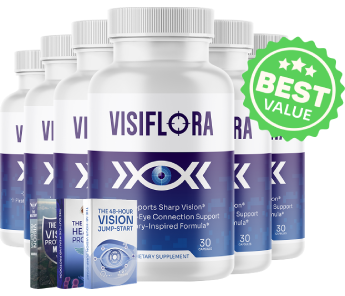
VisiFlora side effects and safety: What you need to know
If you’re considering VisiFlora, it’s important to weigh claimed benefits against possible side effects and safety considerations. For a broader review of the product, ingredients and customer feedback, see the complete VisiFlora review for safety and side‑effect information.
What VisiFlora is marketed as
According to the maker, VisiFlora is a 22-in-1 supplement that supports the so-called gut–eye connection and provides “complete vision support”. The product page highlights groups of ingredients such as an antioxidant-rich Vision Defense Matrix (eg astaxanthin, vitamins C and E), a Gut‑Eye Barrier Complex (eg grape seed extract, rutin, quercetin), vision performance boosters (eg ginkgo biloba, coleus forskohlii) and a macular/lens protection blend (eg lutein, zeaxanthin, beta‑carotene, zinc). The manufacturer also describes the capsules as non‑GMO, stimulant‑free and 100% vegan, and states ingredients are handled in a certified facility.
Common types of side effects reported with eye‑support supplements
While VisiFlora itself provides limited public safety data, supplements containing similar ingredients can be associated with mild side effects in some people. These commonly reported issues include:
- Gastrointestinal upset — nausea, bloating or diarrhoea, particularly when taken on an empty stomach.
- Headache or mild dizziness.
- Allergic reactions — skin rash, itching or, rarely, more severe allergic responses in people sensitive to a botanical ingredient.
- Changes to stool colour from concentrated pigments (eg from lutein, zeaxanthin or bilberry) — usually harmless but can be surprising.
Ingredients that warrant special caution
Certain ingredients in multi‑component vision supplements are known to need extra caution because of interactions or specific effects. The following notes are for awareness only — they are not exhaustive or definitive medical advice.
10 quick checks to spot low-quality supplements before you buy - plus research-backed doses for 12 common ingredients. Free PDF, no spam.
- Ginkgo biloba: Often marketed to support blood flow, ginkgo can increase bleeding risk when combined with anticoagulant (blood‑thinning) medicines such as warfarin or some antiplatelet agents. If you take blood thinners, check with your prescriber before using products containing ginkgo.
- Coleus forskohlii: This botanical can affect blood pressure and heart function in some people. If you have low blood pressure or take heart or blood‑pressure medicines, consult your clinician first.
- Chromium: Marketed to support blood‑sugar stability, chromium supplements can interact with diabetes medications and may affect blood‑glucose control. People with diabetes should discuss any chromium‑containing supplement with their diabetes team.
- Zinc (11 mg listed): Zinc is included in many eye formulas. At moderate doses it’s generally well tolerated, but higher doses can cause nausea and, over long periods, affect copper status. The product’s zinc amount is lower than some clinical doses, but mention supplements to your clinician if you take other zinc‑containing products.
- Saffron, bilberry and herbal extracts: While commonly used traditionally, these botanicals can cause allergic reactions in susceptible people and might interact with prescription medicines.
Who should avoid or check first
As with any food supplement, there are groups who should be especially cautious:
- Pregnant or breastfeeding people — many supplements lack robust safety data in pregnancy and lactation.
- Children — products formulated for adults may not be suitable for children unless specifically advised by a paediatrician.
- People on prescription medicines — especially anticoagulants, antiplatelets, blood‑pressure drugs, diabetes medicines or immunosuppressants.
- Those with autoimmune disorders, a history of allergic reactions to herbs or botanicals, or known eye disease being treated with prescription therapy — check with a specialist or GP before starting.
Dosing, labelling and quality points
The manufacturer presents VisiFlora as a daily capsule formula. Follow the label instructions for dose and timing. A few practical safety tips:
- Do not exceed the recommended dose on the product label unless advised by a clinician.
- Check the ingredient list carefully for allergens or ingredients you recognise from other supplements or prescription medicines.
- Look for quality claims on the label (eg non‑GMO, certified facility handling) and consider purchasing from official retailers to reduce the risk of counterfeit products.
What to do if you experience side effects
If you suspect an adverse reaction:
- Stop taking the product and keep the bottle for reference.
- Contact your GP or pharmacist to discuss symptoms and any possible interactions with your medicines.
- Report suspected adverse reactions to the MHRA’s Yellow Card Scheme in the UK — this helps monitor product safety at population level.
If symptoms are severe (for example, signs of a serious allergic reaction such as difficulty breathing, facial swelling or collapse), seek emergency medical attention immediately.
Bottom line
VisiFlora is marketed as a comprehensive, 22‑ingredient vision support supplement that targets the gut–eye link. While many of its components are widely used in eye‑support formulations, supplements can cause side effects, interact with medicines and are not risk‑free for everyone. Talk to your GP, pharmacist or eye specialist before starting any new supplement — especially if you take prescription medicines, are pregnant, breastfeeding or have underlying health conditions.
Check VisiFlora availability →
This article uses information provided by the manufacturer and general safety resources; it does not substitute for personalised medical advice.
Medical disclaimer: This article is for informational purposes and is not medical advice. Consult your healthcare professional for personalised guidance.
Related reading
- VisiFlora review: full verdict
- VisiFlora vs Florastor: Which probiotic is better for gut and vision support?
- Symptoms and causes of gut dysbiosis: A guide to underlying digestive imbalance
10 quick checks to spot low-quality supplements before you buy - plus research-backed doses for 12 common ingredients. Free PDF, no spam.
