


How Making Beds Daily Reflects Strong Self-Discipline and Mental Health Benefits
In 2026, psychologists increasingly emphasize the profound impact of seemingly small rituals on mental health and overall well-being. One such habit, making beds daily, extends beyond keeping the bedroom tidy; it is a powerful indicator of self-discipline and positivity that shapes how individuals manage their lives. Engaging in this simple task signals the start of a productive daily routine, enhancing motivation and setting the tone for a day filled with focused activities and accomplishment.
Psychologists explain that a made bed subconsciously reinforces a sense of order and control within one’s environment. When people establish this habit, they demonstrate a readiness to face challenges and embrace responsibilities, fostering a positive mindset. This act activates dopamine release in the brain, the neurotransmitter related to reward and pleasure, which cultivates feelings of satisfaction and boosts productivity throughout the day. It’s a small but essential step that reflects broader mental health benefits such as reduced stress and increased emotional regulation.
Consider the routine of someone preparing for a busy day: by making their bed first thing in the morning, they achieve an immediate sense of progress. This early victory creates momentum, encouraging the completion of additional tasks. Notably, this habit intertwines with self-discipline, implying consistency and focus. Rather than succumbing to chaos, individuals who make their beds daily practice regularity that reminds their minds of the importance of structure in life.
The relationship between making beds and mental health was analyzed in various studies, indicating that home habits can influence perceived life control and feelings of accomplishment. Those who engage in this daily ritual often report less anxiety and a stronger ability to regulate emotions. Through orderly surroundings, they experience improved clarity and less cognitive overload, making decision-making smoother. This foundational habit invites a ripple effect, fostering further constructive behaviors that support well-being.
10 quick checks to spot low-quality supplements before you buy - plus research-backed doses for 12 common ingredients. Free PDF, no spam.
One practical example is how patients in recovery or therapy sessions are encouraged to develop morning rituals like bed-making, helping them transition from passive states to active engagement with their healing process. These practices are recognized by professionals as valuable in building resilience and enhancing emotional stability. These observations highlight why a simple act as making one’s bed mirrors larger psychological frameworks.

The Power of Consistent Daily Routines Rooted in Making Beds
Creating consistent routines is essential to maintaining a harmonious household and balanced lifestyle, and bed-making often acts as the cornerstone of such habits. Psychologists highlight that people who make beds daily usually adopt morning routines that extend beyond the bedroom, influencing other areas such as meal preparation, exercise, and planning their day. Regularity in these activities reduces mental fatigue associated with decision-making, enabling smoother transitions between different roles in a person’s life such as work, family, or study.
Stacy Sheller, a Licensed Marriage and Family Therapist, emphasizes that these routines provide predictability which instills a sense of safety. A morning ritual including bed-making sends a signal to the brain, delineating the shift from rest to action mode. This transition is vital for activating focus and emotional readiness throughout the day. Through this structure, individuals also integrate other health-supporting actions like scheduling hygiene practices and preparing nutritious meals.
Moreover, consistency in these habits enhances organization and helps maintain a cleaner living environment. By embedding small, achievable tasks into daily rituals, individuals prevent mess and clutter from accumulating, avoiding overwhelming cleaning sessions later. Usage of tools such as a habit tracker calendar or a magnetic dry-erase board in visible areas can reinforce these routines, turning abstract goals into tangible accomplishments.
This patterned behavior can also be linked to better time management. Individuals with firm routines are less prone to procrastination because their daily structure reduces uncertainty about what to do next. The predictability and repetition of tasks foster automaticity, where actions become effortless and habitual. Consequently, their productivity surges, and they experience less stress from chaos or disorder.
In a practical living scenario, a busy professional who sets a morning routine starting with making their bed might then proceed to a brief workout or meditation session, followed by breakfast preparation and reviewing daily objectives. These linked activities create a seamless flow from rest to peak functioning states, illustrating how a single habit can scaffold multiple positive outcomes.
Addressing Small Tasks Early: The Positive Home Habit of Tackling Mess
Another hallmark of those who consistently make beds is their inclination to address small messes swiftly before they multiply. Psychologists point out that avoiding clutter accumulation is a silent, yet crucial, behavior correlated with better mental health and home harmony. Instead of allowing minor disruptions—a pile of dirty dishes or scattered papers—to escalate, these individuals engage in prompt corrective actions.
Dr. Amy Fitzpatrick, MD, highlights that many people with this habit embrace the concept of “cleaning in the moment.” This approach prevents feelings of overwhelm that can arise when spaces become chaotic, thereby maintaining mental clarity and motivation. They may spend just a few minutes folding blankets or wiping surfaces, effectively resetting their environment to support calmness and order.
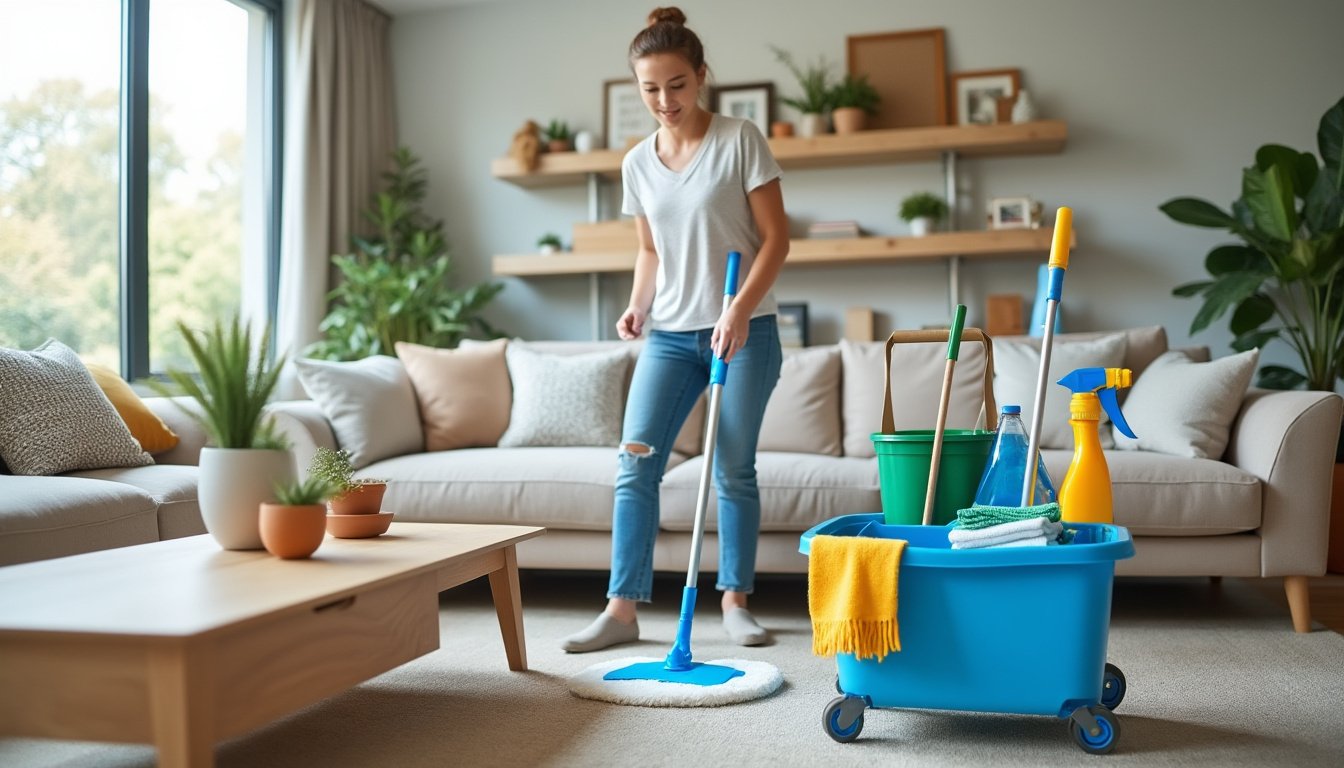
The strategy goes beyond mere tidiness; it empowers homeowners to maintain control over their living spaces without dedicating excessive time to cleaning. Convenient access to cleaning supplies, such as storage caddies or multi-purpose sprays, encourages spontaneous tidying. For instance, keeping an IKEA PEPPRIG Cleaning Bucket nearby enables swift response to spills and messes.
This habit sustains a feedback loop of order and satisfaction, making it less likely for clutter-related stress to interfere with daily functioning. Notably, this mindset differs significantly from all-or-nothing cleaning approaches. Instead, it embraces manageable, incremental tasks that add up to a consistently welcoming home.
For example, families adopting these practices might assign small chores to each member, emphasizing the importance of immediate responsibility for their personal clutter. This collective effort reduces cleaning frustration and fosters a shared sense of pride in the home environment.
Valuing Progress Over Perfection within Home Organization
The psychology behind daily bed-making underscores an important mindset: prioritizing progress over perfection. Psychologists stress that the goal is not a flawlessly made bed or an immaculate room but rather consistent achievement through small, manageable tasks that foster a sense of accomplishment. This shift in perspective relieves pressure, making healthy home habits more sustainable.
Stacy Sheller describes how maintaining daily routines like bed-making can boost confidence by allowing individuals to experience success incrementally. This incremental success builds self-efficacy, the belief that one can influence events and outcomes in life. With this foundation, individuals become more resilient against setbacks and better equipped to tackle larger challenges at home and beyond.
Atomic Habits author James Clear also advocates that tiny changes, sustained over time, lead to significant transformation. Applying this to home life, embracing even imperfect tidying routines nurtures motivation rather than discouraging it. Instead of aiming for a perfect home each day, people can focus on consistent improvements that ultimately redefine their living environment.
This mindset fosters a forgiving environment where mistakes or skipped tasks are viewed as normal, thus reducing stress and encouraging long-term adherence to habits. It is particularly valuable for those balancing multiple responsibilities, as it allows flexibility without sacrificing progress.
For instance, someone might not make their bed perfectly every morning but acknowledges the effort made consistently across weeks. This pattern increases their confidence in managing daily duties and builds momentum for more complex organization tasks, enhancing their overall sense of control and well-being.
Creating a Comforting and Supportive Home Through Intentional Habits
A house should be a sanctuary where comfort and stability reign, and people who make their beds every day tend to cultivate this ambiance consciously. According to psychological research, this habit is not just about tidiness—it symbolizes an investment in one’s environment as a source of encouragement and support for daily living.
Stacey Sheller explains that people who prioritize morning bed-making often extend this care to other areas of home life, tailoring spaces to promote relaxation and positive energy. Rather than striving for a “perfect” home, they focus on creating welcoming, functional environments conducive to well-being. This might include integrating sensory touches like favorite candles or soft textures that stimulate calmness and joy.
These positive home habits create an emotional refuge, helping inhabitants recharge and face daily stresses more effectively. Maintaining a neat, orderly bedroom sets the stage for restful sleep and mental recovery, essential facets of health often overlooked. Such intentional environments support cycles of productivity and relaxation, underscoring the critical interface between space and psychological wellness.
Some practical approaches include incorporating warm lighting, decluttering regularly, and using cherished decor elements to personalize spaces. For instance, a candle like the Posie Woody Sandalwood Vanilla Glass Candle can enrich the sensory atmosphere, making home feel both inviting and serene. These subtle enhancements complement the routine of making beds, altogether fostering a holistic environment that nurtures mind and body.
Building these comforting spaces is a key part of the broader concept of well-being, reflecting the interplay between physical surroundings and emotional health. It serves as an invitation to slow down and appreciate the home as a grounding force amidst life’s complexities.
- Start the day with a simple, achievable task to boost motivation
- Incorporate routines to minimize decision fatigue and increase structure
- Tackle small messes early to prevent clutter accumulation and reduce stress
- Focus on consistent progress rather than perfect results to maintain habits
- Create sensory-rich, comforting home environments to support mental health
Psychologists share the 5 healthy home habits people who make the bed every morning also have highlight these themes effectively, underscoring how seemingly trivial routines influence broader life outcomes. Additionally, insights on mental health benefits of making your bed further validate this connection between home habits and emotional well-being.
Why do psychologists stress the importance of making your bed daily?
Psychologists emphasize that making your bed daily fosters a sense of accomplishment, boosts self-discipline, and sets a positive tone for mental health and productivity throughout the day.
How does making the bed contribute to improved organization at home?
Making the bed is often part of a larger routine that includes tackling small tasks promptly, which helps prevent clutter and maintains order, enhancing the overall organization of the home.
Can focusing on progress instead of perfection improve home habits?
Yes, prioritizing progress encourages consistent small actions and reduces stress from unrealistic expectations, helping sustain healthy habits over the long term.
What role does environment play in mental well-being related to home habits?
A comforting and orderly home environment supports emotional stability by reducing cognitive overload and providing a sanctuary for relaxation, which is essential for mental health.
What practical tips help maintain these positive home habits?
Integrate visual reminders like habit trackers, keep cleaning supplies accessible, break chores into manageable tasks, and personalize spaces with sensory elements to encourage consistency and comfort.
10 quick checks to spot low-quality supplements before you buy - plus research-backed doses for 12 common ingredients. Free PDF, no spam.
