


Understanding Hypertension: The Silent Cardiovascular Threat
Hypertension, commonly known as high blood pressure, affects nearly 50% of adults in the United States, positioning it as one of the most prevalent cardiovascular conditions in modern society. Despite its widespread presence, the condition is notoriously silent—many individuals remain unaware they have elevated blood pressure until they suffer from life-threatening complications like heart attacks, strokes, or kidney disease. This underlines the critical need for regular monitoring and early intervention to protect heart health and overall well-being.
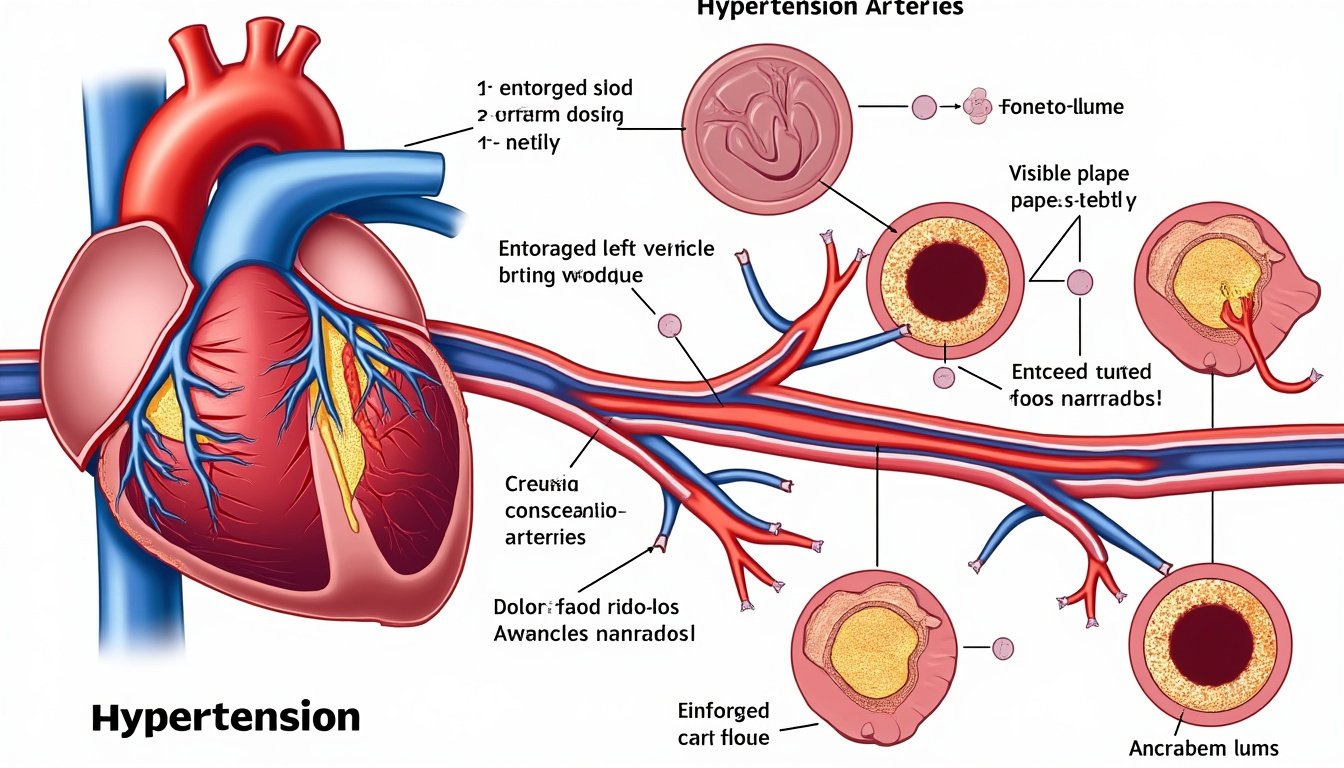
Blood pressure is a measure of the force that circulating blood exerts on artery walls. When this pressure consistently remains too high, it causes damage to blood vessels and organs, leading to hypertension. The condition is multifaceted, influenced by genetics, lifestyle choices, and underlying medical issues. High blood pressure burdens the cardiovascular system by forcing the heart to work harder, ultimately increasing the risk of hypertensive heart disease.
Cardiologists stress the importance of awareness and routine checks to detect hypertension early. According to recent guidelines released by organizations such as the American Heart Association and the American College of Cardiology, blood pressure readings above 130/80 mm Hg are now considered hypertensive, lowering the threshold from previous standards. This adjustment means nearly half of adults are now classified as having hypertension, shining a spotlight on the urgent need for effective management strategies.
Expert insights often emphasize that managing high blood pressure goes beyond pharmacological interventions. While medication plays a pivotal role for many, lifestyle changes form the foundation of prevention and long-term control. Adopting a heart-healthy lifestyle can not only reduce the reliance on medication but also improve quality of life by addressing root causes like poor diet, physical inactivity, and chronic stress.
10 quick checks to spot low-quality supplements before you buy - plus research-backed doses for 12 common ingredients. Free PDF, no spam.
For people newly diagnosed or those aiming to prevent hypertension, it’s crucial to grasp how dietary strategies, exercise, stress management, and sleep hygiene interplay to impact cardiovascular health. Several leading experts advocate for a holistic approach, highlighting that a combination of these elements yields more significant results than isolated efforts. By understanding the physiology of blood pressure regulation and the mechanisms that contribute to hypertension, individuals can make informed decisions about their health journeys.
This foundation prepares us to dive deeper into the most effective lifestyle modifications recommended by heart-health authorities for reducing blood pressure naturally and sustainably.
The DASH Diet: Expert-Recommended Nutritional Strategy to Lower Blood Pressure
Among dietary strategies to reduce blood pressure, the DASH diet—Dietary Approaches to Stop Hypertension—stands out as the most extensively researched and widely endorsed by heart-health experts. Cardiologist Francisco Lopez-Jimenez, M.D., highlights that DASH is not a fad but a scientifically validated eating pattern designed specifically to target mechanisms behind hypertension.
The diet emphasizes nutrient-dense whole foods rich in vegetables, fruits, whole grains, lean proteins like fish and chicken, and low-fat dairy products. It minimizes intake of sodium, saturated fats, and added sugars, all of which negatively affect blood pressure and cardiovascular health. This blend supports the body’s natural ability to regulate blood pressure through several physiological pathways.
Potassium, magnesium, and calcium are key electrolytes abundant in the DASH diet that play crucial roles in maintaining healthy blood pressure. For instance, potassium aids in excreting excess sodium, magnesium helps dilate blood vessels, and calcium relaxes arterial walls. This synergistic nutrient effect helps lower systolic blood pressure by up to 13 mm Hg and diastolic by 10 mm Hg in hypertensive individuals—a significant decline that reduces the risk of heart attacks by roughly 10% with just a 5 mm Hg systolic drop.
Fiber content in the DASH diet also supports cardiovascular benefits indirectly. Since fiber is not digested, it reaches the colon where gut bacteria ferment it, producing short-chain fatty acids. These compounds have anti-inflammatory properties that help maintain arterial flexibility and reduce blood pressure.
Michelle Routhenstein, M.S., RD, notes how the DASH diet addresses metabolic concerns like insulin resistance, which is closely tied to elevated blood pressure by contributing to sodium retention. The capacity of the DASH diet to influence various blood pressure pathways simultaneously makes it highly effective.
Another distinct advantage is the diet’s flexibility. Unlike restrictive fad diets, DASH encourages gradual, sustainable changes to dietary patterns tailored to individual food preferences and cultural contexts. It allows sodium intake up to 2,300 milligrams per day but advocates for lower consumption for enhanced benefits. This practical approach aligns well with many lifestyle change programs focusing on adherence and long-term health.
Cardiologist Kunal Lal, M.D., stresses incorporating DASH alongside exercise, weight management, and stress management for a comprehensive blood pressure control plan. The diet’s evidence-backed efficacy coupled with its adaptability continues to make it a cornerstone recommendation for hypertension management.
For further detailed guidance and expert advice on managing high blood pressure through diet and lifestyle, reputable sources such as the American Heart Association offer valuable resources for those seeking to start or maintain DASH-based habits effectively.
Key Components of the DASH Diet
- Abundant vegetables and fruits to boost potassium intake
- Whole grains for fiber and essential minerals
- Low-fat dairy products providing calcium
- Lean protein sources like fish and poultry
- Reduced sodium through limiting processed and packaged foods
- Minimal saturated fats and added sugars for heart health
Physical Activity and Exercise: Boosting Cardiovascular Function to Lower Blood Pressure
Physical activity is a cornerstone lifestyle change to combat hypertension. Exercise improves cardiovascular efficiency, promotes healthy weight, and reduces the body’s stress response—all of which are vital for optimal blood pressure regulation. Experts underscore that the benefits of exercise extend beyond caloric burn by enhancing blood vessel elasticity and heart function.
Aerobic exercises such as brisk walking, jogging, cycling, and swimming are particularly recommended. These activities increase heart rate and promote systemic vasodilation, which lowers peripheral resistance and subsequently reduces blood pressure. Dr. Lopez-Jimenez points out that while diet targets vascular mechanisms from a nutritional standpoint, exercise supports the cardiovascular system in adapting to metabolic and physical demands more effectively.
Importantly, consistent exercise has been linked to sustained blood pressure reduction comparable in magnitude to some pharmacological therapies. The synergy between the DASH diet and regular physical activity creates a powerful combination to prevent or reverse hypertension.
Furthermore, physical activity assists with weight control, which is essential since excess body weight increases cardiac workload and is a common contributor to hypertension. Exercise also improves insulin sensitivity, mitigating borderline metabolic disorders that could elevate blood pressure through sodium retention.
For many, a practical start includes aiming for at least 150 minutes of moderate aerobic exercise weekly. Even smaller incremental increases can generate meaningful effects. Lifestyle interventions favor exercises easily integrated into daily routines, such as walking during breaks, cycling for errands, or group classes to maintain motivation.
To achieve long-term success, experts recommend combining structured workouts with increased general movement and reducing sedentary time. By enhancing cardiovascular health holistically, patients can see not only improved blood pressure but also reduced risk of heart disease and stroke.

Exercise Tips for Hypertension Management
- Begin with low-to-moderate intensity aerobic activities like walking or swimming
- Gradually increase duration and intensity as fitness improves
- Include strength training 2-3 times per week to enhance muscular health
- Limit prolonged sedentary periods with movement breaks
- Consult with healthcare providers before starting new exercise regimens, especially if medication is involved
Managing Stress and Sleep to Complement Blood Pressure Reduction Strategies
Stress management is an often-overlooked yet crucial aspect of hypertension control. Chronic stress invokes a persistent fight-or-flight response, stimulating the sympathetic nervous system and triggering hormone release that elevates blood pressure. Techniques such as mindfulness meditation, deep breathing exercises, yoga, and progressive muscle relaxation have demonstrated effectiveness in dampening stress signals and promoting cardiovascular recovery.
Shannon Herbert, Ph.D., RD, underscores the importance of addressing stress alongside diet and exercise because combined lifestyle changes have a multiplicative rather than additive effect on blood pressure reduction. Managing emotional health impacts heart rate variability and helps normalize blood pressure’s natural circadian rhythm, including the nocturnal “dip” critical for cardiovascular repair during sleep.
Sleep quality also plays a pivotal role. Individuals sleeping fewer than six hours per night face a 36% to 66% increased risk of developing hypertension compared to those who rest seven to eight hours. Irregular sleep schedules further disrupt the internal circadian clock that governs vascular tone and nervous system balance, raising blood pressure by approximately 17%. Prioritizing consistent sleep hygiene can thus markedly support the cardiovascular system.
Practical steps to improve sleep include maintaining a regular bedtime, limiting exposure to electronic screens before sleep, creating a cool and dark sleep environment, and addressing underlying sleep disorders when present. The impact of sleep on heart health underscores the need for holistic lifestyle changes beyond diet and exercise.
Incorporating stress management and sleep optimization into hypertension care plans enhances overall treatment efficacy, supporting sustainable lifestyle changes recommended by cardiologists and primary care providers alike.
Effective Stress Reduction Techniques
- Daily mindfulness or meditation sessions for 10-15 minutes
- Regular physical activity as a natural stress reliever
- Practicing deep breathing exercises especially during high-stress moments
- Engaging in hobbies and social activities to foster emotional support
- Seeking professional help when chronic stress or anxiety persists
The Role of Medication and Combined Strategies for Sustained Blood Pressure Control
While lifestyle changes are foundational in managing hypertension, medication remains essential for many patients, particularly those with advanced or resistant cases. Heart-health experts agree that early intervention incorporating both lifestyle and pharmacological treatments reduces cardiovascular risk more effectively than either approach alone.
Recent guidelines emphasize a stepwise approach: adopting lifestyle changes immediately upon diagnosis, closely monitoring blood pressure, and introducing medication when necessary to achieve target levels. This prevents long-term complications and enhances quality of life.
Medications such as ACE inhibitors, beta-blockers, calcium channel blockers, and diuretics help regulate blood pressure by targeting various physiological pathways involved in hypertension. However, their effectiveness is maximized only when combined with expert-recommended lifestyle habits.
Patients are encouraged to maintain open communication with healthcare providers to tailor treatment plans. Registered dietitians, cardiologists, and primary providers collaborate to support behavior change and medication adherence.
For readers seeking in-depth perspectives on managing blood pressure holistically, comprehensive resources like Consumer Reports’ insights on hypertension provide updated guidelines and expert advice bridging lifestyle and medication considerations.
Ultimately, the integration of evidence-based diet, regular exercise, stress and sleep management, and appropriate medication forms a cohesive blueprint to reduce blood pressure and safeguard cardiovascular health long term.
What exactly is the DASH diet and why is it recommended for blood pressure?
The DASH diet is a scientifically researched eating plan focusing on whole foods rich in potassium, magnesium, calcium, and fiber while limiting sodium, saturated fats, and sugars. It effectively lowers blood pressure by improving vascular function and reducing strain on the cardiovascular system.
How quickly can lifestyle changes affect blood pressure?
Many individuals experience meaningful reductions in blood pressure within weeks of consistent adherence to lifestyle changes like the DASH diet, regular exercise, and stress management. The extent varies but early benefits are common.
Is medication always necessary to manage hypertension?
Medication is critical for many, especially with severe hypertension or when lifestyle changes do not suffice. However, combining medication with dietary, physical activity, and stress reduction efforts leads to the best outcomes.
Can managing stress and sleep really impact blood pressure?
Yes, chronic stress elevates blood pressure by activating the body’s fight-or-flight response, and poor sleep disrupts blood pressure’s natural rhythm. Effective stress management and healthy sleep patterns support cardiovascular recovery and blood pressure control.
What types of exercise are best for lowering blood pressure?
Aerobic activities like walking, jogging, cycling, and swimming are particularly effective at improving cardiovascular function and reducing blood pressure. Consistency and gradual progression in intensity are key.
10 quick checks to spot low-quality supplements before you buy - plus research-backed doses for 12 common ingredients. Free PDF, no spam.
