

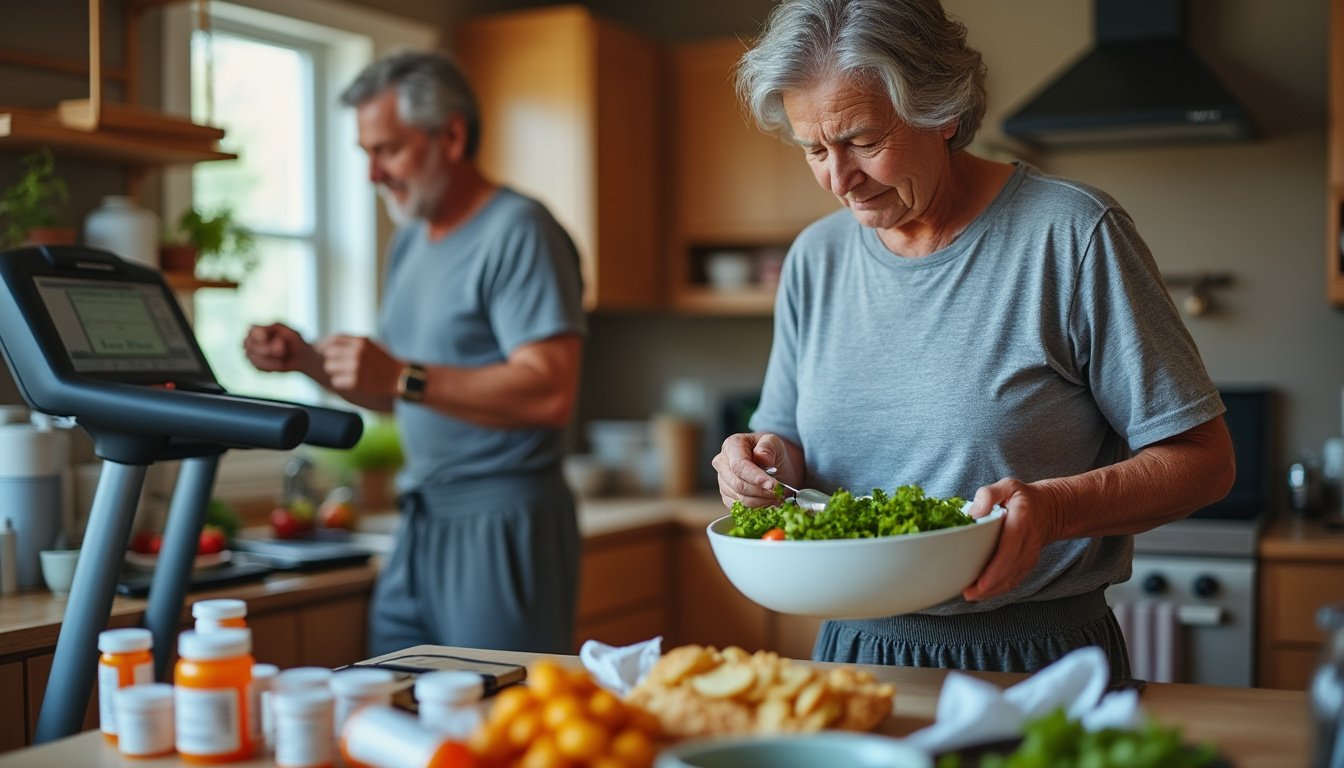
The Gap Between Healthy Aging Intentions and Sustainable Lifestyle Habits
In 2026, aging gracefully remains a universal aspiration for many Americans, yet the reality often falls short of this goal. Most individuals are acutely aware of the lifestyle choices that promote health and wellness in later years: regular physical activity, balanced nutrition, quality sleep, stress management, and regular preventive care check-ups. However, translating these noble intentions into habitual behaviors proves to be an enduring struggle for a significant portion of the population.
According to a recent survey conducted for HEALTH’s Longevity Insights Report, over 90% of Americans recognize the importance of living a healthier life and are focused on at least one aspect of their health. Despite this enthusiasm, only about one-third have successfully cultivated sustainable habits that foster graceful aging. This discrepancy between aspiration and action reveals the complex challenges behind behavior modification in the aging process.
Experts emphasize that the crux of the difficulty stems from the brain’s wiring to reinforce existing routines. Dr. Bonnie Carpenter, a clinical psychologist, explains that the brain favors familiarity, making entrenched behaviors more rewarding and easier to maintain than novel healthy habits. Even with strong motivation, individuals often find it arduous to shift established patterns, because motivation alone fluctuates and is an unreliable driver for consistent change.
Moreover, many confuse motivation with immediate action, but they are distinct steps on the pathway to behavior change. Dr. Rachel Goldman, a clinical assistant professor of psychiatry, points out that initiating even small actions can generate momentum and motivation over time, fostering a sense of accomplishment and confidence that propels sustained habit formation.
10 quick checks to spot low-quality supplements before you buy - plus research-backed doses for 12 common ingredients. Free PDF, no spam.
Therefore, while most Americans endeavor to embrace healthier lifestyles, the challenge is clear: bridging the divide from intention to sustained practice requires strategic planning, manageable changes, and psychological support to reinforce new daily rituals.

Understanding the Complex Barriers to Successful Aging Habits
Overcoming the obstacles to healthy aging involves more than just willpower. The barriers to adopting and maintaining beneficial habits are multifaceted, involving both internal and external factors that complicate the journey.
Internally, a significant hurdle is the lack of perceived urgency. Approximately 11% of those surveyed reported that the benefits of healthy habits seem too distant to compel immediate action, particularly because the rewards of these behaviors — such as prevention of age-related diseases — accrue over years or decades. This diminished urgency is especially problematic for aging Americans, for whom the aging process feels abstract and distant while other immediate life stresses demand attention.
Externally, financial constraints top the list as a deterrent for nearly 42% of respondents. The costs of gym memberships, healthy foods, wellness programs, or healthcare services can be prohibitive, especially as the economic landscape evolves. Information overload is another critical barrier, cited by 20%, where the sheer volume of conflicting advice from social media, online forums, and traditional media overwhelms those trying to make informed choices.
Time scarcity (18%) and environmental factors (16%) such as unsafe neighborhoods for outdoor exercise or caregiving responsibilities further restrict the capacity to engage in health-promoting behaviors. Caregivers particularly feel this pressure, balancing their needs with the demanding task of supporting others.
Tanya Spruill, a population health professor, underlines the interplay of these factors, noting that competing priorities can immobilize attempts to start or maintain new habits. The challenge extends beyond mere desire, touching on socioeconomic factors, psychological readiness, and access to supportive environments.
The complexity of these barriers highlights why many Americans’ best intentions to age well remain unrealized and supports the growing need for accessible, practical interventions targeting these diverse hurdles to improve overall wellness and quality of life during aging.
How Information Overload Hindrances Graceful Aging Efforts
In today’s digital age, the abundance of health information does not always translate into better decision-making for many Americans. In fact, a large proportion of people report feeling overwhelmed by the flood of varying health advice available across media platforms.
About 89% of survey participants admitted that the magnitude of health information they encounter—ranging from television programs and social media posts to conversations in social circles—often induces a paralysis in action. They face numerous, sometimes contradictory recommendations, leaving them uncertain about which path to follow. This confusion can result in analysis paralysis, where individuals delay acting due to fear of making wrong choices.
Clinical psychologist Bonnie Carpenter elucidates that ongoing searching for definitive, flawless guidance leaves many stuck, unable to commit to actionable steps. The appeal of quick-fix solutions—those promising rapid results without sustained effort—is strong, despite many such tips lacking scientific validation.
Tanya Spruill highlights a particular challenge: misinformation and poorly vetted advice circulating widely, creating false hopes or misguided practices. The temptation to adopt trendy but unproven health hacks distracts from fundamental, evidence-based habits that genuinely support healthy aging.
Americans increasingly recognize the importance of consuming verified information. The survey revealed that 91% of participants prefer actionable recommendations endorsed by credible sources such as healthcare professionals, peer-reviewed research, and recognized health organizations.
Understanding source credibility is crucial. For example, dietary advice should ideally come from registered dietitians rather than fitness enthusiasts, and adjustments to medication or medical treatments require consultation with licensed clinicians. This critical discernment helps filter noise and empowers individuals to implement strategies that truly benefit their aging process.
Reliable health education provided through expert organizations remains a cornerstone of transforming well-intentions into effective, lasting habits. Clear, digestible, and trustworthy guidance can slice through the noise, offering a steady compass for those navigating the complexities of graceful aging.
Small Lifestyle Changes as a Sustainable Pathway to Aging Well
In the context of the difficulties Americans face in adopting sweeping health reforms, experts stress the power of small, incremental changes to cultivate long-term wellness. This pragmatic approach aligns well with the realities of busy lives and minimal disruption tolerance.
Tanya Spruill emphasizes simplicity and consistency over drastic transformations. Core habits known to support aging well include:
- Engaging in regular, moderate physical activity, tailored to individual capabilities.
- Eating a balanced diet rich in fruits, vegetables, whole grains, and lean proteins.
- Prioritizing consistent and restorative sleep routines.
- Incorporating consistent stress reduction techniques such as mindfulness or gentle yoga.
- Adhering to a schedule for preventive health screenings and vaccinations.
The survey finds that 85% of Americans believe that minor lifestyle adjustments can significantly impact long-term healthy aging, with 56% feeling relieved that they don’t need to perfect every health domain immediately. This mindset fosters sustainable momentum without overwhelming individuals.
Dr. Rachel Goldman advises identifying “one small thing” to tweak — like going to bed 10 minutes earlier rather than overhauling sleep entirely. These manageable changes create positive ripples in overall health and wellbeing. For instance, improved sleep can reduce cravings and boost energy, which in turn may increase physical activity levels and healthier meal choices.
Adoption of minor changes also improves the likelihood that behaviors become habitual and automatic, seamlessly integrated into daily life rather than a chore. When these habits are part of a routine, maintaining them no longer requires conscious effort, helping individuals embrace aging gracefully with less resistance.
Key to success is consistency, not perfection. Slips are normal, and resilience builds through persistence rather than flawless execution. This compassionate perspective reduces self-judgment and encourages progress over time, offering a sustainable framework for aging well that respects individual circumstances.
For those seeking guidance and inspiration, credible resources emphasize the value of gradual habit-building, making it clearer how to close the gap from knowing to doing in aging successfully. This reflects growing evidence that in the intricate dance of lifestyle and aging, small steps often win the race.
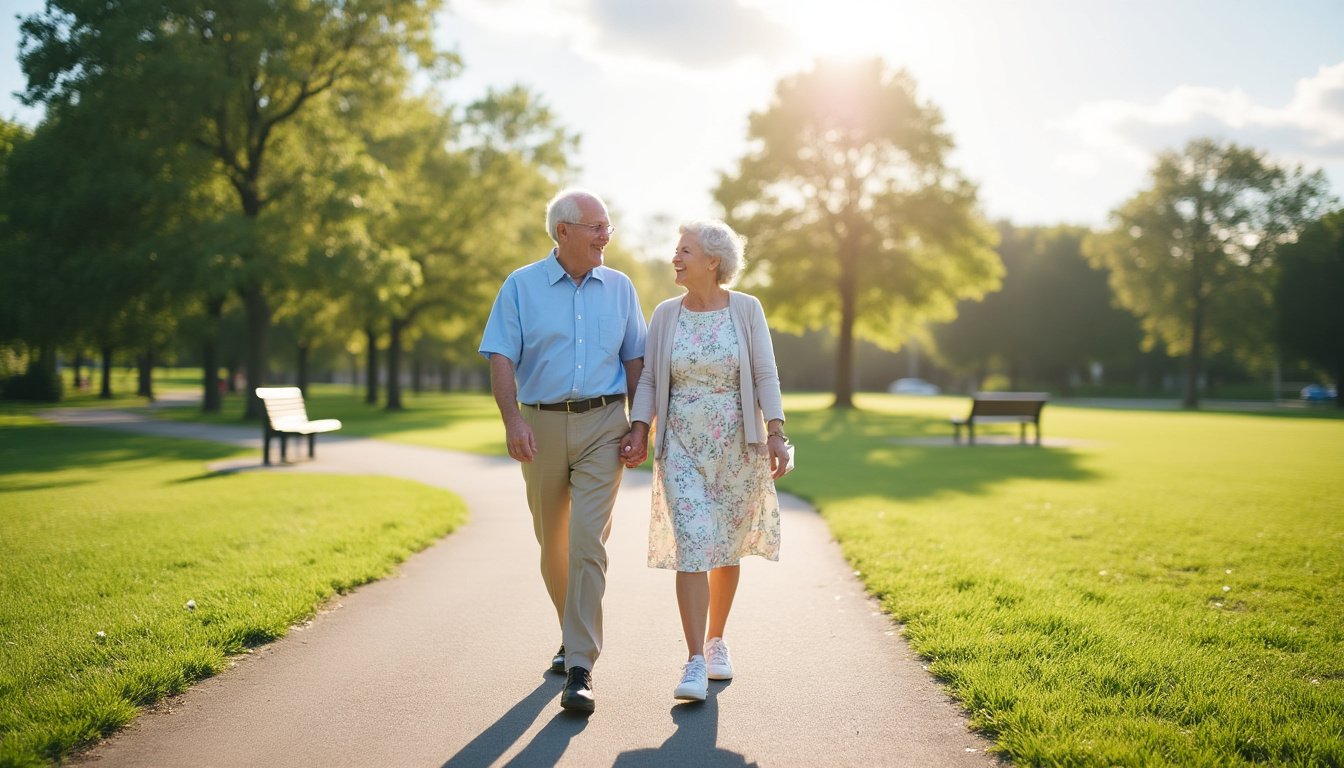
The Crucial Role of Mindset in Overcoming Aging Challenges
Beyond the practical barriers and habits, the psychological perspective—especially mindset—plays a critical role in how Americans experience and approach the aging process. Research and expert opinion increasingly highlight that the way individuals conceptualize aging deeply influences their health outcomes and quality of life.
Ageism, a pervasive social prejudice, continues to shape attitudes toward aging in the United States. It can manifest as internalized negative beliefs about one’s capabilities and potential in later life, limiting motivation to engage with proactive health behaviors. Psychologists assert that dismantling such stigma is essential to fostering a culture where people anticipate and prepare for aging with optimism and agency.
The positive mindset about aging has tangible benefits. In fact, recent studies show that despite risks for conditions like dementia affecting roughly 42% of Americans over 55, a visible and increasing number of older adults are thriving well beyond previous life expectancy, consciously extending the years free from major disease or decline, commonly called “healthspan.”
Encouraging this positive reframing involves shifting the conversation from disability and decline to capability and opportunity. Stories abound of people in their 70s, 80s, and even 90s running marathons, writing books, or continuing active careers, challenging outdated stereotypes about what aging looks like. This evolving narrative contributes to a more inclusive understanding that supports better mental and physical health.
According to Harvard Gazette’s coverage, adapting cultural perceptions is critical as America’s population ages. As older adults’ social and economic participation grows in importance, society benefits hugely from an optimistically framed mindset towards aging.
Psychologists and wellness coaches recommend cultivating a growth-oriented approach to aging. This includes celebrating small victories, embracing lifelong learning, adapting to changing bodies with compassion, and building resilience against age-related challenges. Such a mindset helps individuals maintain engagement with health and wellness behaviors, making the aging process less daunting and more fulfilling.
Ultimately, transforming mindset around aging is as important as physical lifestyle changes. It empowers Americans to approach their later years with confidence, improving adherence to health-promoting habits and reinforcing the full spectrum of well-being necessary for graceful aging.
Why do most Americans find it hard to maintain healthy aging habits?
Despite strong intentions, the difficulty lies in ingrained brain habits, fluctuating motivation, time constraints, costs, and environmental factors that interfere with establishing sustainable health routines.
How can small changes improve the aging process?
Small, manageable adjustments like minor sleep improvements or incremental physical activity create positive momentum that leads to sustainable lifestyle shifts and overall better health outcomes as we age.
What role does mindset play in aging gracefully?
A positive, growth-oriented mindset combats ageism, supports motivation, and encourages consistent wellness behaviors, which altogether enhance quality of life during the aging process.
How can individuals avoid the pitfalls of information overload regarding health?
Focusing on credible, expert-verified sources and disregarding unproven or anecdotal advice helps reduce confusion and enables informed decisions for healthy aging.
Are motivation and action the same when it comes to lifestyle changes?
No, motivation is the desire to change, while action refers to actually doing so; behavior changes often require initiating action first to build ongoing motivation and momentum.
10 quick checks to spot low-quality supplements before you buy - plus research-backed doses for 12 common ingredients. Free PDF, no spam.
