


Building Strength and Power: The Foundation of Senior Fitness and Independence
Entering your 60s and 70s often brings noticeable shifts in physical abilities. Many seniors find themselves wondering how to maintain the agility and independence they once took for granted. Strength and power training become pivotal pillars of wellness in these decades, as they directly affect the ability to carry out daily tasks without assistance.
Muscle mass naturally diminishes with age, a condition termed sarcopenia. This loss can start as early as in our 30s but accelerates in the 60s and beyond, leading to frailty and increased risk of falls. Maintaining muscle strength is not about competing with youth but rather securing functional capacity to live life actively and independently. For instance, simple actions such as rising from a chair without using the hands or carrying groceries safely hinge on adequate muscle power.
One can begin with modest exercises tailored to individual capacity, even if physical activity levels have historically been low. Clinical experts like Dr. Silvia Tee from the Stanford Senior Care clinic emphasize that “just a few days of inactivity can set back mobility significantly,” but equally, “regular engagement in strength exercises can sustain independence.” This is supported by the latest national physical activity guidelines recommending 150 minutes of moderate aerobic activity weekly paired with muscle-strengthening workouts at least twice a week.
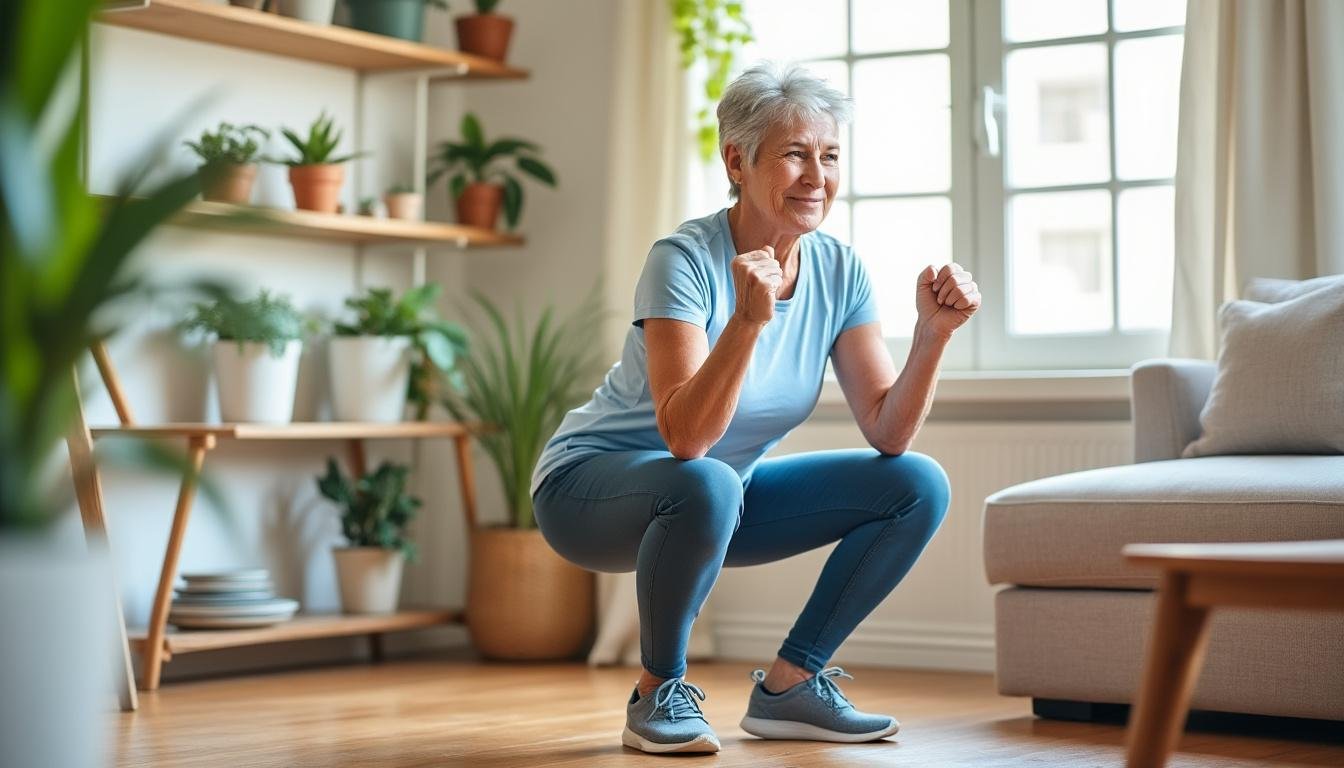
Examples of accessible resistance exercises include chair squats, wall push-ups, and usage of resistance bands. These movements emphasize safety and ease but still contribute substantially to preserving muscle endurance and coordination. Moreover, experts advise not to shy away from lighter weights with higher repetitions rather than heavy lifting, a strategy that encourages adherence among older adults more comfortable with gentler regimens.
10 quick checks to spot low-quality supplements before you buy - plus research-backed doses for 12 common ingredients. Free PDF, no spam.
This stage of life also marks the ideal period to proactively work on balance. Poor balance is a significant contributor to falls, which can adversely affect both health and independence. A striking study revealed that adults aged 51 to 75 who could maintain a one-legged stand for 10 seconds had better mortality rates — an eye-opening insight underscoring balance’s role not only in mobility but overall longevity.
Simple balance exercises, such as single-leg stands supported by a countertop or “corner stands” with eyes closed, can be effortlessly integrated into daily routines. Pairing balance training with everyday events, like brushing your teeth, turns healthful practices into automatic rituals. These incremental changes to an active lifestyle underscore how critical exercise, tailored for seniors, is in combating the natural decline associated with ageing and fostering well-being.
Optimizing Nutrition: Fueling Longevity and Healthy Aging
Nutrition plays an unmatched role in supporting senior fitness and mental health, especially as physiological changes influence metabolism and nutrient absorption. It isn’t simply about reducing calories but about enhancing nutrient density to preserve muscle mass, cognitive function, and overall vitality.
Loss of muscle mass with aging makes protein intake a key focus. Research advises approximately 1.0 to 1.3 grams of protein per kilogram of body weight daily to sustain muscle repair and function. For example, a 150-pound individual requires about 68 to 88 grams of high-quality protein daily, achievable through meals containing chicken breast, Greek yogurt, eggs, or plant-based sources like tofu. This balanced intake goes hand-in-hand with a Mediterranean-style diet, celebrated for its anti-inflammatory properties and proven benefits in reducing risks of heart disease, diabetes, and cognitive decline.
Embracing whole foods such as fresh fruits, vegetables, whole grains, nuts, and healthy fats like olive oil and avocados fosters wellness and supports self-care for healthy aging. It is equally important to minimize ultra-processed foods laden with excess sugars, salt, and saturated fats, which can exacerbate inflammation and chronic disease. Nutrition experts highlight the growing availability of convenient, healthy options including grab-and-go salads or nutrient-forward frozen meals that cater to busy senior lifestyles.
Incorporating key dietary habits can be summarized in this simple list:
- Fill half your plate with a vibrant variety of fruits and vegetables
- Include lean or plant-based protein at every meal
- Choose whole grains over refined carbohydrates
- Prioritize healthy fats such as nuts, seeds, and olive oil
- Ensure adequate intake of calcium and vitamin D for strong bones
- Limit consumption of ultra-processed foods and refined sugars
This nutritional approach supports a thriving, active lifestyle and is linked closely to longevity. Seniors who adopt these habits often report increased energy levels, improved mental clarity, and a greater sense of well-being, essential for embracing life after 60 with vitality.
Engaging the Mind: Cognitive Wellness and Social Vitality in Later Years
The intersection between mental health and wellness in your 60s, 70s, and beyond is crucial for preserving cognitive sharpness and emotional balance. Cognitive decline, including forms like dementia, poses significant challenges; however, lifestyle factors exert considerable influence over brain health.
Engaging in mentally stimulating activities is seen as a beneficial practice. Activities such as crossword puzzles, learning new skills, or even participating in thought-provoking conversations activate various cognitive domains. Victor Henderson, a specialist in Alzheimer’s disease, underscores that intellectual engagement supports cognitive preservation, although no single activity offers a guaranteed shield against decline.
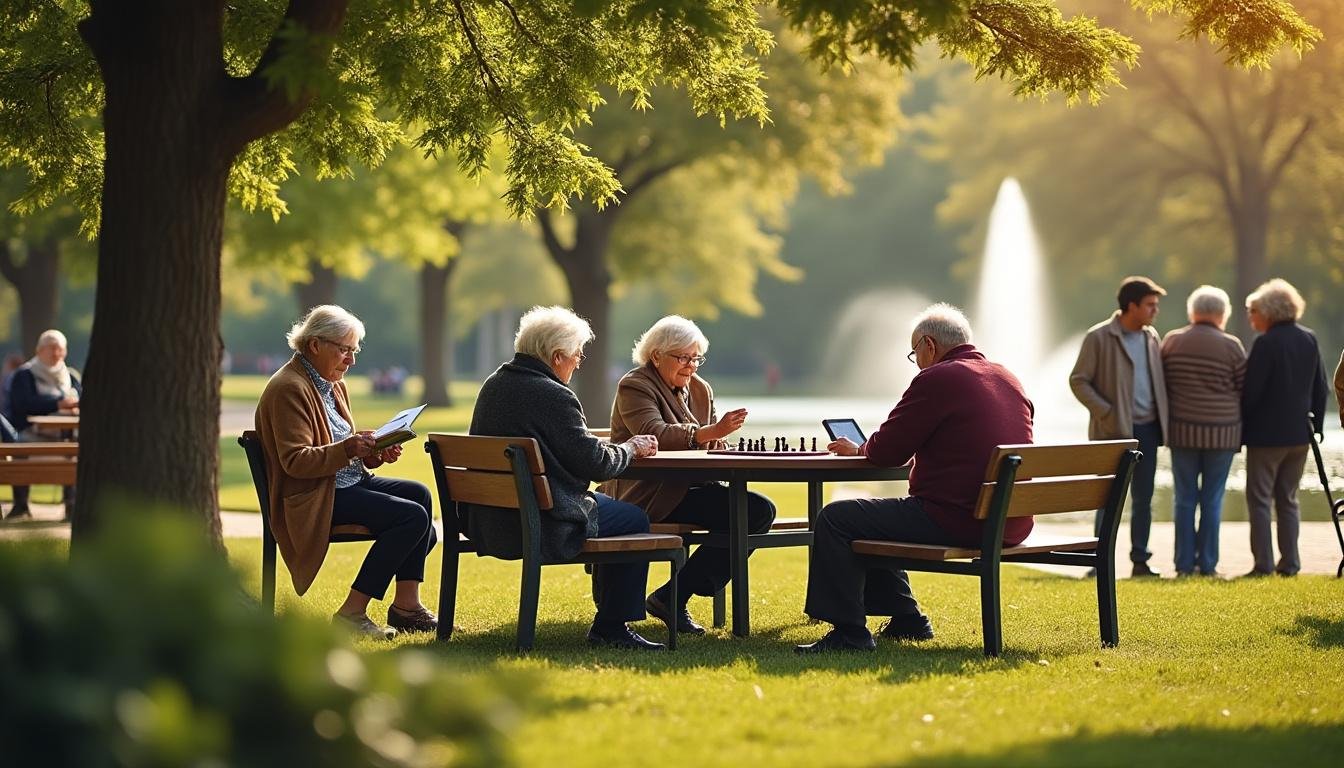
Evidence increasingly points to the essential role of social interaction in mental wellness. Being socially connected strengthens memory and cognitive function for older adults. Meaningful relationships provide emotional support and foster mental agility by encouraging listening, processing, and responding – key cognitive processes.
Senior individuals can enhance their mental health through a variety of habits:
- Commit to lifelong learning by taking classes or workshops
- Engage regularly in reading and journal writing to stimulate the mind
- Practice new hobbies like learning a new language or musical instrument
- Participate in community groups, volunteer, or maintain close friendships
- Incorporate mindfulness techniques to manage stress and improve focus
These habits function as mental exercise and promote emotional resilience. They are essential components of holistic self-care strategies that complement physical activity and nutrition, ultimately supporting longevity and quality of life. Mental health plays a vital role in preserving independence and vitality — the true hallmarks of successful ageing.
Incorporating Preventive Healthcare and Monitoring: Stay Proactive to Thrive
In the 60s and 70s, maintaining an active lifestyle requires vigilant preventive care and health monitoring. As aging alters risks and priorities, personalized plans are essential. Not all routine screenings remain beneficial at every age; decisions should account for overall health status and life expectancy.
For example, patients with a decade or more of life expectancy might continue with colonoscopies or mammograms depending on their health history. However, for those with complex chronic conditions, doctors might adjust recommendations to reduce unnecessary procedures. Annual blood pressure checks, cholesterol screenings, and diabetes testing take high precedence due to their role in preventing cardiovascular and cognitive diseases.
Additionally, bone density screenings are especially advised for women over 65 and men over 70 at risk of osteoporosis. Hearing and vision assessments are equally important because sensory declines can increase fall risk and impair quality of life. Vaccinations, including annual influenza shots and updated COVID-19 vaccines, remain critical preventive tools.
Home health monitoring technologies can empower seniors to take control of their wellness. Regular blood pressure measurements at home, for instance, assist with managing hypertension more effectively. It’s crucial, however, to balance data with mental well-being; some individuals thrive on health tracking, while others might feel overwhelmed.
Routine visits with healthcare providers, typically annually or more frequently for chronic condition management, afford opportunities to update health goals and treatments. These encounters foster a collaborative approach to healthy aging, combining medical oversight with encouragement of physical activity, nutrition, and lifestyle modifications.
This proactive healthcare regimen intertwines seamlessly with wellness and senior fitness principles to optimize quality of life. Being mindful and engaged with preventive care offers older adults a firmer grasp on their health trajectory, empowering them to thrive well into their later decades.
For additional strategies on maintaining health through these stages, numerous resources provide expert advice on balancing exercise, diet, and mental health in your 60s and beyond, making 2026 a year where intentional wellness can redefine aging.
Mastering Mindfulness and Self-Care: Essential Habits for Longevity in Your 60s and Beyond
Mindfulness and self-care routines hold a profound place in promoting longevity and emotional well-being in senior years. While physical health is fundamental, mental and emotional balance through mindfulness practices help reduce stress, improve sleep, and enhance overall mental health.
Wellness in later years increasingly incorporates techniques such as meditation, deep breathing exercises, and guided relaxation. These approaches modulate stress responses and support better mood regulation. An active lifestyle paired with mindfulness cultivates resilience, helping older adults face the challenges of aging with calm and positivity.
Self-care habits extend beyond relaxation methods to include prioritizing adequate sleep, hydration, and leisure activities that foster joy and creativity. By consciously cultivating time for these practices, seniors reinforce their physical and mental foundations.
Some practical tips to integrate mindfulness and self-care include:
- Establishing consistent sleep schedules to improve rest quality
- Engaging in gentle yoga or tai chi for both movement and meditation
- Designating daily moments for deep breathing or guided mindfulness
- Participating in hobbies and social activities that spark happiness
- Maintaining hydration and balanced nutrition for body and mind synergy
Such habits contribute to a holistic sense of wellness that transcends physical measures. They encourage a nurturing relationship with oneself, ultimately extending longevity by fostering mental health and reducing the burden of chronic stress-related ailments.
Integrating mindfulness with other healthy habits like exercise and nutrition can amplify their effects, a concept sometimes called “wellness stacking,” which is gaining momentum among seniors seeking to maximize benefits from their daily routines.
Those interested in further exploring the art of building healthy habits throughout life can find inspiration and guidance through platforms dedicated to lifelong wellness and proactive self-care.
What are the best exercises for seniors to maintain strength?
Simple resistance exercises like chair squats, wall push-ups, and resistance band workouts are effective for maintaining muscle strength and independence in seniors. Balance exercises such as single-leg stands are also crucial to prevent falls.
How much protein should someone over 60 consume daily?
Older adults should aim for approximately 1.0 to 1.3 grams of protein per kilogram of body weight daily to maintain muscle mass and support overall health.
Can social engagement really affect brain health in older adults?
Yes. Research indicates that staying socially connected helps maintain cognitive function and memory, reducing risks associated with cognitive decline and dementia.
Why is personalized preventive care important in the 60s and 70s?
As individuals age, their health risks and life expectancy vary greatly. Personalized preventive care ensures that screenings and treatments focus on what’s most beneficial without unnecessary procedures.
How does mindfulness contribute to healthy aging?
Mindfulness reduces stress, improves sleep, and supports mental health, all of which are essential for emotional balance and longevity during senior years.
10 quick checks to spot low-quality supplements before you buy - plus research-backed doses for 12 common ingredients. Free PDF, no spam.

1 Comment
Pingback: The “protein first” trick: protect muscle and stay full during holiday meals - LiveWell Magazine