

The Link Between Drinking Habits and Cancer Risk
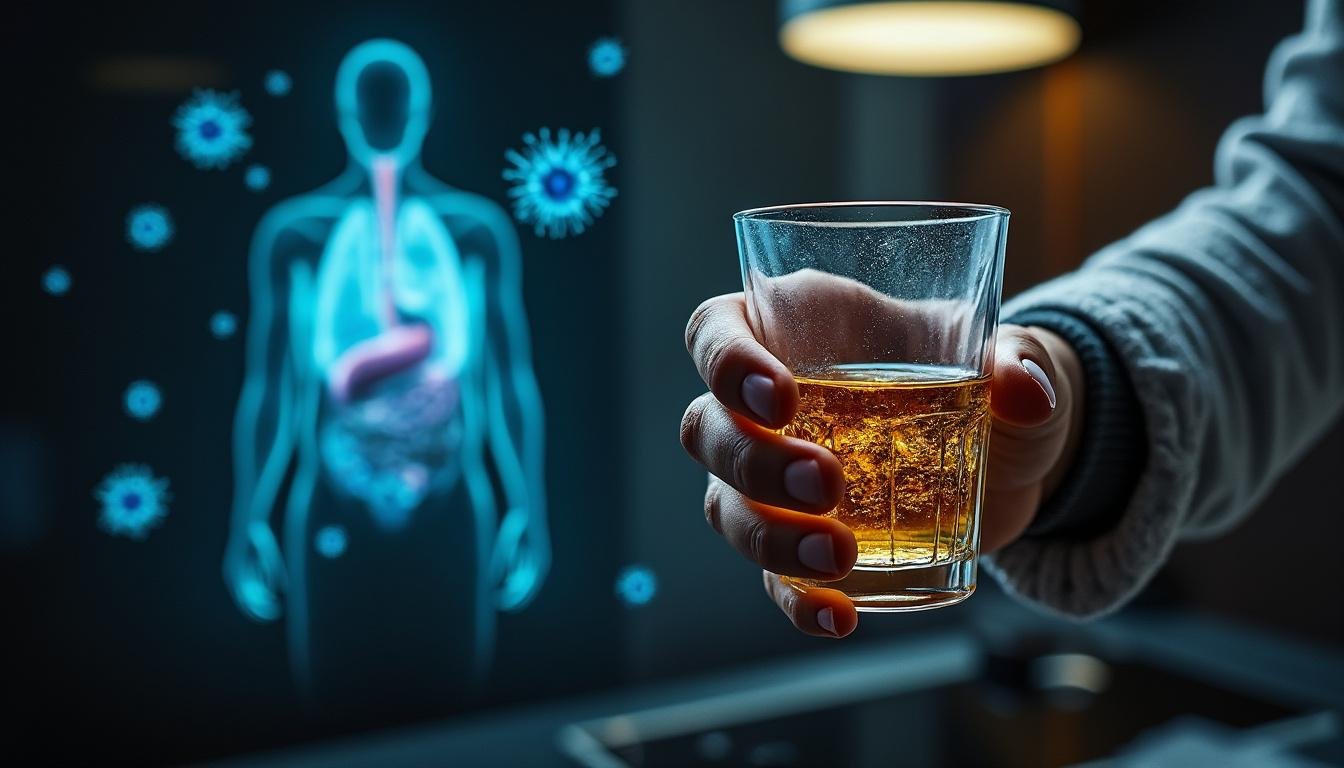
Alcohol consumption is deeply ingrained in many cultures worldwide, often associated with social events, celebrations, and relaxation. However, the relationship between drinking habits and cancer risk is a critical health concern that too many people overlook. Research has consistently shown that alcohol acts as a carcinogen, which means it has the potential to cause cancer by damaging the DNA in cells and interfering with the body’s ability to repair this damage. This damage, if left unchecked, can trigger uncontrolled cell growth, a hallmark of cancer.
One of the main health effects of alcohol consumption is its role in increasing the risk of several types of cancer, particularly liver cancer, breast cancer, esophageal cancer, and cancers of the mouth and throat. People who regularly consume high amounts of alcohol are especially vulnerable. More surprisingly, studies indicate that even moderate or low levels of drinking habits can raise cancer risk. The harmful effects do not depend solely on binge drinking or addiction but also on the cumulative amount of alcohol exposure over time.
For example, a widely publicized fact sheet by the National Cancer Institute highlights that the risk begins as soon as you start drinking alcohol. These findings underscore the importance of public health awareness to encourage individuals to reconsider their drinking habits for cancer prevention. Unfortunately, many Americans remain unaware of this connection; according to a recent survey, less than half of adults know that alcohol increases cancer risk.
Understanding the mechanisms behind alcohol and cancer can empower people to make informed decisions about their drinking habits. It’s not simply a matter of whether you drink, but how much and how often. This insight reshapes health recommendations globally, pushing for lowered consumption guidelines and increased public health campaigns to mitigate the burden of alcohol-related cancers.
10 quick checks to spot low-quality supplements before you buy - plus research-backed doses for 12 common ingredients. Free PDF, no spam.
How Different Types of Alcohol Impact Cancer Risk
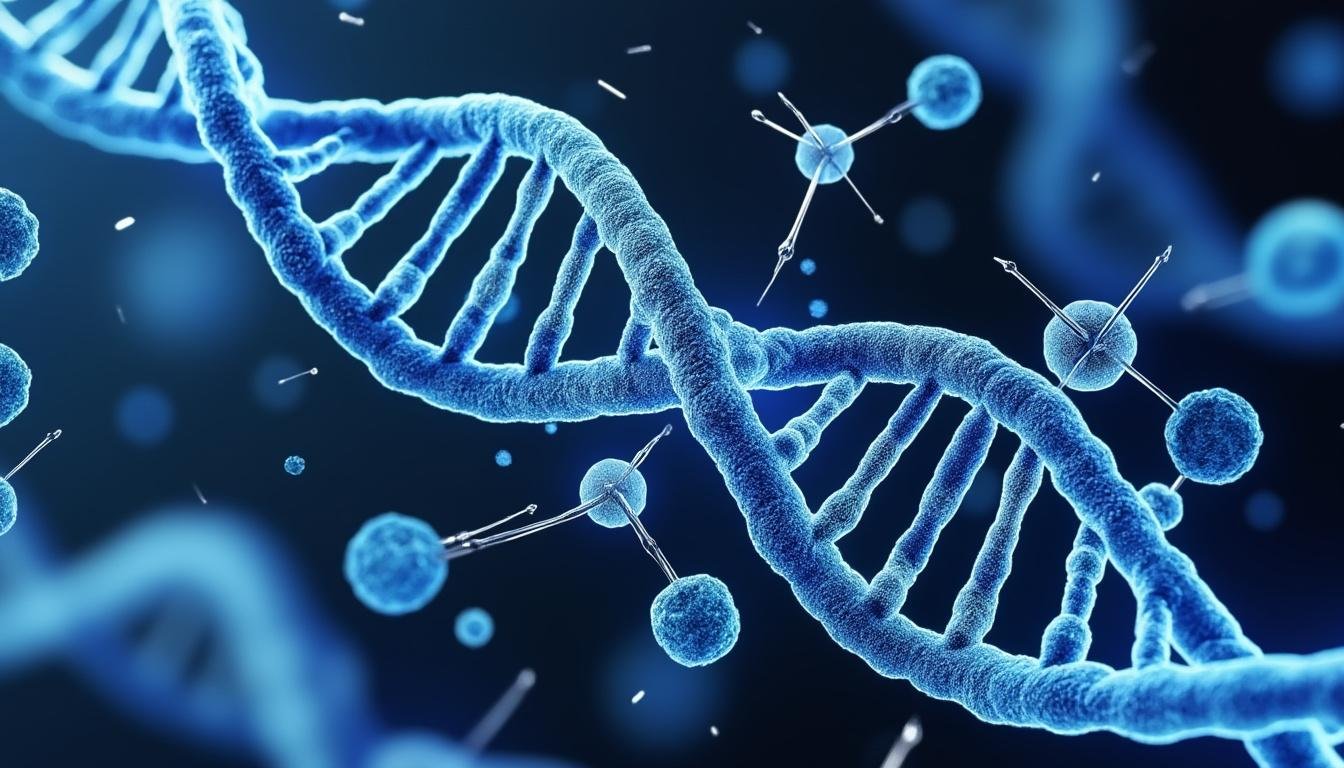
Not all alcoholic drinks are created equal when it comes to cancer risk, yet many assume that some beverages might be safer than others. For instance, red wine often earns a reputation for health benefits in moderation, such as heart health from antioxidants, but the truth about its impact on cancer risk is different. According to experts, all forms of alcohol, including beer, whiskey, wine, and spirits, increase cancer risk due to their ethanol content. Ethanol is metabolized in the body to acetaldehyde, a toxic chemical and a probable human carcinogen, which is known to damage DNA and proteins.
Each type of alcoholic beverage undergoes metabolic processes that may differ slightly in other compounds, but the amount of ethanol consumed remains the primary determinant of cancer risk. For example, drinking large quantities of beer or spirits might elevate the risk more quickly due to higher ethanol intake. Furthermore, some drinks contain additives or are consumed alongside habits such as smoking, which synergistically increase risks of cancers related to the throat and esophagus.
The consumption style also plays a vital role. People who engage in binge drinking or episodic heavy drinking face distinct risks of tissue damage and inflammation that can accelerate carcinogenesis. Comparatively, consistent moderate drinkers might experience a steady accrual of cellular damage over years.
An important aspect to consider is that certain cancers, such as breast cancer in women, show elevated risk even at minimal levels of drinking. This means that long-held beliefs suggesting some drinking is harmless may need updating based on current evidence. Public health authorities emphasize that reducing alcohol intake can decrease the probability of developing certain cancers, making awareness and lifestyle changes essential components of cancer prevention.
List: Common Alcoholic Beverages and Their Impact on Cancer Risk
- Beer: Contains ethanol and possible carcinogens from brewing processes.
- Wine (red and white): Ethanol present; antioxidants do not offset cancer risk.
- Spirits (whiskey, vodka, rum): Typically higher ethanol concentration, higher risk per serving.
- Mixed drinks and cocktails: Often contain high volumes of alcohol combined with sugary mixers, increasing overall health effects.
- Homemade or illicit alcohol: Risk of contaminants that might compound carcinogenic effects.
Understanding the Biological Mechanisms Behind Alcohol and Cancer Development
The question often arises: why does alcohol consumption lead to cancer? The biological mechanisms behind this link are complex but have been increasingly clarified through scientific research. When a person drinks alcohol, the body metabolizes it primarily in the liver, converting ethanol into acetaldehyde. Acetaldehyde is recognized as a toxic substance that directly damages the DNA in cells, causing mutations that can lead to cancer formation.
Besides acetaldehyde, alcohol causes oxidative stress, producing reactive oxygen species (ROS) that further injure DNA and cellular membranes. This oxidative damage can impair cell repair mechanisms and trigger inflammation, both of which are established risk factors for tumor growth. The liver, being the main site of alcohol metabolism, bears the brunt of this damage, explaining why liver cancer is closely associated with chronic alcohol use.
Furthermore, alcohol disrupts the balance of folate, a B vitamin critical for DNA synthesis and repair. Deficiency in folate due to alcohol interference enhances the carcinogenic potential because DNA replication errors increase. This explains why alcohol consumption combined with poor nutrition can be particularly harmful.
Excessive drinking also impairs the immune system, reducing the body’s ability to detect and destroy early cancer cells. This immunosuppression fosters an environment where malignant cells can evade destruction and proliferate unchecked.
One crucial insight from recent research, highlighted by cancer biologists, is that even small quantities of alcohol can initiate these deleterious mechanisms. This challenges previous assumptions that only heavy drinking presents risks, urging for broader health awareness.
The Role of Drinking Habits in Different Cancer Types: Focus on Liver Cancer and Beyond
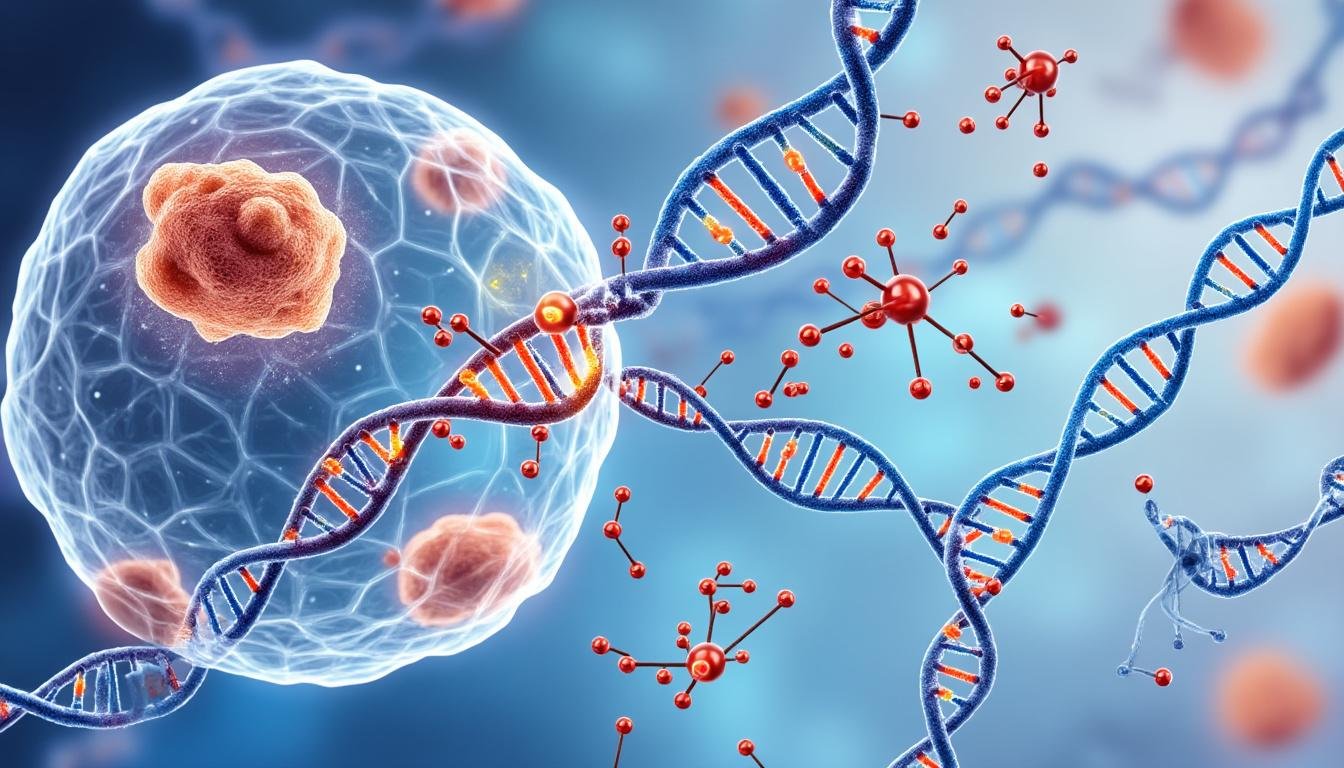
Among the various cancers linked to alcohol consumption, liver cancer is one of the most directly and tragically connected to long-term drinking habits. Chronic alcohol use causes cirrhosis, a scarring of the liver that severely compromises its function and sets the stage for malignant transformation. The progression from cirrhosis to hepatocellular carcinoma is well documented and a leading cause of cancer-related death globally.
But liver cancer is not the only concern. Alcohol and cancer research also underscore risks for cancers of the breast, esophagus, throat, and mouth. For instance, breast cancer risk increases in women even with low alcohol consumption, a fact underscored by the American Cancer Society. In combination with hormonal factors, alcohol’s influence on breast tissue can elevate carcinogenic processes.
Esophageal and head and neck cancers show even stronger associations with alcohol, particularly when combined with tobacco use—a common co-risk factor. This illustrates the cumulative nature of risk factors and how alcohol consumption exacerbates existing health risks.
Understanding that cancer risk varies by type and individual drinking patterns is essential for targeted cancer prevention strategies. Experts recommend reducing or eliminating alcohol intake as a fundamental step towards lowering cancer incidence. For those battling substance abuse, professional help and support systems can play a pivotal role in recovery and health restoration.
Addressing alcohol’s multifaceted role in cancer development requires ongoing research, public health dissemination, and personalized risk factor assessments. It calls for a holistic approach in which behavioral changes, health awareness, and medical interventions work together.
Practical Steps to Modify Drinking Habits for Effective Cancer Prevention
Given the overwhelming evidence about alcohol’s role in increasing cancer risk, changing drinking habits is a critical action for anyone concerned about their long-term health. Modifying these habits involves more than just reducing intake; it requires an understanding of behavioral patterns, social influences, and psychological triggers behind alcohol consumption.
Here are practical steps individuals can take to reduce their cancer risk through healthier drinking habits:
- Set clear limits: Determine a maximum number of drinks per week, adhering to guidelines that recommend limiting or abstaining from alcohol.
- Identify triggers: Avoid situations or environments that encourage excessive drinking, such as binge drinking parties or stressful social settings.
- Seek social support: Inform friends and family about your goals to reduce alcohol consumption and ask for encouragement.
- Explore alternatives: Replace alcoholic beverages with non-alcoholic options like herbal tea, flavored water, or other healthy alternatives.
- Consult professionals: Engage with healthcare providers or counselors if struggling with substance abuse or to create personalized cancer prevention plans.
Additionally, integrating this change into a broader lifestyle transformation—including healthy nutrition, regular physical activity, and stress management—can amplify cancer prevention benefits. Knowledge about the health effects of alcohol and the ongoing risk factors that it exacerbates helps individuals stay motivated and informed.
For more in-depth understanding, resources such as the CDC’s detailed explanations and expert advice from cancer centers offer comprehensive guidance. Many individuals have successfully altered their drinking habits and witnessed improved overall health, underscoring the power of informed lifestyle choices.
Can light alcohol consumption still increase cancer risk?
Yes, even light drinking can increase the risk of certain cancers, particularly breast cancer. Research shows there is no safe threshold for alcohol when it comes to cancer risk.
Which types of cancer are most strongly linked to alcohol consumption?
The cancers most strongly associated with alcohol use include liver cancer, breast cancer, esophageal cancer, throat cancer, and mouth cancer.
Does quitting alcohol reduce cancer risk immediately?
Quitting alcohol reduces cancer risk over time, but some damage may be irreversible. However, stopping drinking improves overall health and lowers the likelihood of developing new cancers.
How can I support a loved one struggling with substance abuse related to alcohol?
Encourage professional help, offer emotional support, and promote healthy coping mechanisms. Many programs and counseling services can assist in recovery and reduce cancer risk.
Are there any benefits to drinking alcohol in relation to cancer prevention?
Current evidence indicates no cancer-preventive benefits from alcohol consumption. Any positive effects on other health aspects do not outweigh the elevated cancer risk.
10 quick checks to spot low-quality supplements before you buy - plus research-backed doses for 12 common ingredients. Free PDF, no spam.
