

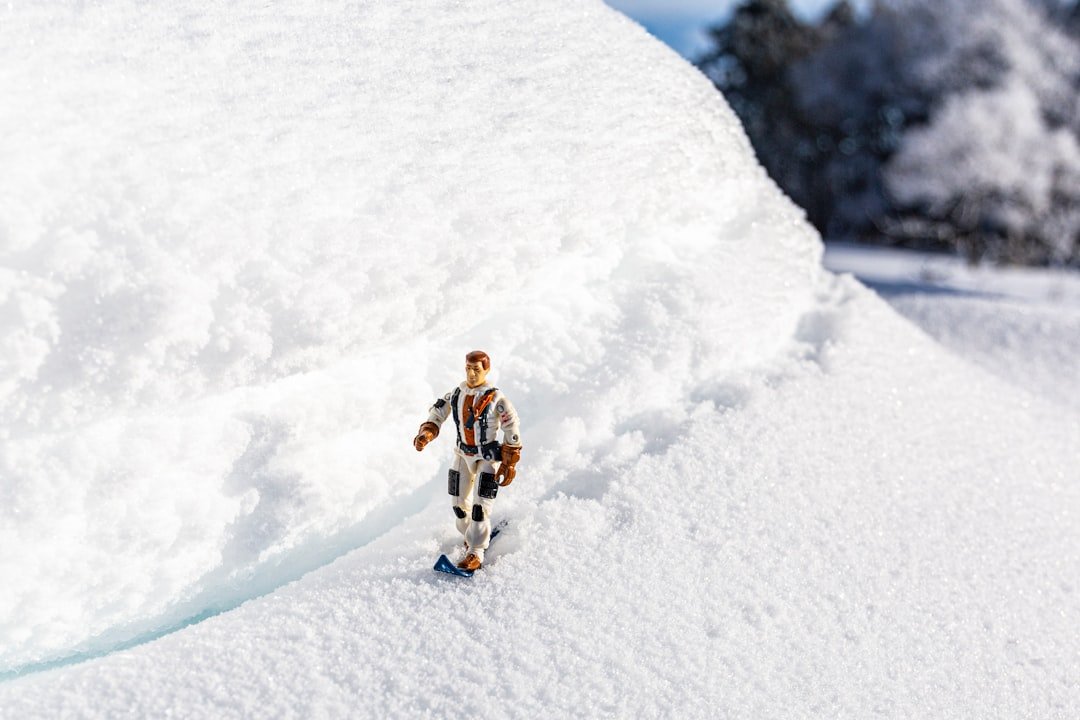
The frost-kissed mornings of 2026 bring a familiar chill, painting the world in a pristine, shimmering white. Many might view this icy transformation as a cue to retreat indoors, pulling the covers up and waiting for spring. Yet, the serene beauty of a snow-draped landscape offers a unique canvas for invigorating our bodies and spirits.
Elias, a sixty-eight-year-old retired architect, watches the sunrise reflect off the frozen lake from his window. He knows that embracing the crisp air is a powerful catalyst for vitality in our golden years.
Stepping outside when the temperature plummets requires more than just willpower; it demands a thoughtful approach to our physiology. The cold weather transforms our neighborhood trails into a fresh, dynamic environment that challenges our cardiovascular system in entirely new ways. It is about harmonizing with the elements rather than fighting them.
Through careful preparation and a deep understanding of how our mature bodies react to winter climates, we can unlock a season of boundless energy. This transformation turns the darkest months of the year into an opportunity for profound physical renewal.
10 quick checks to spot low-quality supplements before you buy - plus research-backed doses for 12 common ingredients. Free PDF, no spam.
– Protecting your core begins with synthetic fabrics that pull moisture away from the skin, preventing dangerous chills during outdoor excursions.
– Layering is an adaptable art form, allowing you to shed garments as your internal engine warms up the body.
– Extremities and exposed skin demand dedicated shields against biting winds, freezing temperatures, and surprising winter ultraviolet rays.
– A gentle, dynamic preparation of the muscles mimics your intended activity, preventing the sudden snapping of cold, stiff tissues.
– Hydration remains a silent necessity, as the dry winter air stealthily strips the body of fluids even when thirst is absent.
Essential Preparations to Stay Active and Healthy Through Winter Fitness
Elias meticulously selects his garments before opening his front door, treating his wardrobe as the first line of defense. The most common pitfall for those stepping into the frost is dressing warmly without considering moisture management. Cotton, while comfortable indoors, becomes a heavy, freezing trap once it absorbs perspiration from physical exertion.
Instead, modern winter athletes choose synthetic fibers like polypropylene or specially woven polyester. These advanced materials wick sweat away from the skin remarkably fast, keeping the body dry and resilient against the cold.
A damp environment next to the skin accelerates heat loss, plunging the core temperature and increasing the risk of hypothermia. Building a reliable clothing system is one of the essential healthy habits to embrace before the winter break. Elias ensures his base layer is snug but flexible, allowing him to move freely through the snow.
The Art of Adaptable Layering and High Visibility
Once the moisture-wicking base is secured, trapping warm air becomes the next priority. A middle layer composed of polar fleece acts as an excellent insulator, holding the body’s natural heat close to the torso. Over this, a protective outer shell defends against biting winds, sudden snowflakes, and freezing rain.
This modular approach allows Elias to peel off the fleece if his brisk walk turns into a more vigorous hike. Removing layers proactively prevents excessive sweating, which is crucial for maintaining a stable internal climate.
Visibility is equally paramount during the shortened, often overcast days of the winter season. Gray skies and snowy backdrops can easily camouflage pedestrians, making bright, contrasting colors a critical safety measure. Neon oranges, radiant yellows, and reflective gear ensure that drivers and fellow trail users can spot you from a distance.
Integrating wearable blinking lights into your ensemble transforms you into a visible beacon, preventing accidental collisions. Prioritizing safety through visibility is simply one of the 4 easy ways to stay fit this winter. A well-prepared adventurer is a safe adventurer.
Defending Vulnerable Extremities During Outdoor Sports
When the mercury drops, the human body instinctively prioritizes the survival of vital organs by shunting blood toward the core. This physiological shift leaves our hands, feet, nose, and ears highly susceptible to freezing temperatures. Elias always reaches for his thermal mittens, knowing they trap heat better than gloves by keeping his fingers together.
A high-quality woolen or synthetic beanie is non-negotiable, acting as a thermal lid to prevent heat from escaping the head. Footwear demands a critical evaluation, as standard athletic shoes are explicitly designed to vent heat outward.
In freezing conditions, this ventilation allows the icy chill to seep directly into the toes, causing rapid discomfort. Investing in insulated shoe covers or specialized winter trail shoes creates a fortress against the frozen ground. Thick, moisture-wicking socks provide the final layer of defense, ensuring that every step remains comfortable and secure.
Shielding Sensitive Skin from Invisible Winter Threats
The winter environment mounts a two-front attack on the skin through arid air and deceptive solar radiation. Elias routinely applies a protective barrier of petroleum jelly to his nostrils and the tips of his ears to block the biting wind. The atmosphere lacks humidity, silently sapping moisture from exposed areas and leaving them cracked and painful.
Hydrating the skin from the outside with rich lotions complements the internal hydration required for overall cellular health. Many outdoor enthusiasts underestimate the sheer power of the winter sun, assuming clouds offer adequate protection.
However, a blanket of snow acts as a massive mirror, reflecting up to eighty percent of ultraviolet rays right back at you. Applying a broad-spectrum sunscreen and wearing UV-blocking sunglasses are mandatory rituals before stepping onto the glowing snowscapes. Protecting the delicate outer layers preserves long-term seasonal health and happiness.
Mastering the Body’s Mechanics for Safe Winter Workouts
Treating the muscular system like a rubber band perfectly illustrates the necessity of a proper warm-up in freezing environments. A cold rubber band is brittle and prone to snapping under sudden tension, much like unconditioned muscles and ligaments. Elias begins his routine indoors, initiating dynamic movements that gently elevate his heart rate and increase blood flow.
By the time he steps into the brisk 2026 air, his joints are lubricated and his muscles are remarkably pliable. These dynamic preparations should mirror the specific outdoor activity, such as performing bodyweight squats and lunges before a snowy hike.
Static stretches are strictly reserved for the end of the session, as pulling on cold muscles can induce microscopic tears. The crisp air can also shock the respiratory system, causing the airways to constrict and making each breath feel sharp. Loosely wrapping a synthetic scarf around the mouth captures exhaled moisture, creating a warm, humid microclimate for the lungs.
| Workout Intensity | Weather Condition | Hydration Strategy | Layering Action |
|---|---|---|---|
| Light Walking | Crisp and clear | Sip water every 20 minutes | Keep mid-layer zipped |
| Brisk Hiking | Windy and overcast | Sip water every 15 minutes | Unzip outer shell slightly |
| Vigorous Snowshoeing | Heavy snowfall | Electrolyte drink every 15 minutes | Remove mid-layer, tie around waist |
Navigating Hydration and Wind Strategies
The sensation of thirst frequently diminishes in colder climates, masking the body’s continuous loss of essential fluids. Every visible breath of vapor in the frosty air represents moisture leaving the system, demanding consistent replenishment. Elias carries an insulated flask, sipping small amounts of water regularly rather than overwhelming his system all at once.
Monitoring the color of urine remains the most reliable indicator of hydration, aiming for a pale, clear hue. Strategic route planning transforms the chilling wind from a formidable enemy into a helpful companion.
Commencing an activity by heading directly into the wind ensures the hardest work is done while energy levels are at their peak. As Elias turns back toward his warm home, the wind is at his back, gently pushing him along. This prevents the icy gusts from freezing his perspiration-soaked clothes during the vulnerable return journey.
Executing a Proper Cool Down and Hazard Recognition
Halting physical exertion abruptly in sub-zero temperatures sends a shockwave of stress directly to the cardiovascular system. As Elias approaches his front porch, he deliberately slows his pace, allowing his elevated heart rate to gently taper down. This gradual deceleration helps the body process metabolic byproducts, significantly reducing the likelihood of delayed muscle soreness.
Once safely indoors, a thorough session of static stretching elongates the muscles while they are still deeply warmed. The immediate removal of damp athletic wear is paramount the moment the threshold is crossed.
Moisture clinging to the skin acts as a persistent thermal drain, rapidly pulling core heat away even within a heated room. Transitioning instantly into dry, comfortable clothing preserves the warmth generated by the workout and initiates the recovery phase. Incorporating these recovery steps into a daily routine reveals effective healthy habits to combat the winter blues.
Identifying When to Transition to Indoor Environments
Despite the immense benefits of fresh winter air, recognizing environmental hazards is a vital component of a mature fitness strategy. Hidden patches of black ice present an unacceptable risk of severe falls, fractures, and prolonged mobility loss. Elias meticulously inspects his route, entirely avoiding unplowed backroads and sticking to well-maintained, salted community paths.
Attaching removable ice spikes to his footwear provides exceptional mechanical grip, though he carefully removes them before walking on bare pavement. Certain meteorological thresholds demand that physical activities be temporarily relocated to the safety of a living room or local gym.
When the thermometer dips toward zero degrees Fahrenheit, or when severe windchill advisories are broadcast, outdoor exposure becomes a liability rather than a benefit. Those managing chronic cardiovascular conditions, asthma, or circulatory issues should maintain an open dialogue with their medical providers. Respecting nature’s boundaries ensures that the pursuit of winter vitality remains a safe, enduring joy throughout the season.
10 quick checks to spot low-quality supplements before you buy - plus research-backed doses for 12 common ingredients. Free PDF, no spam.
