

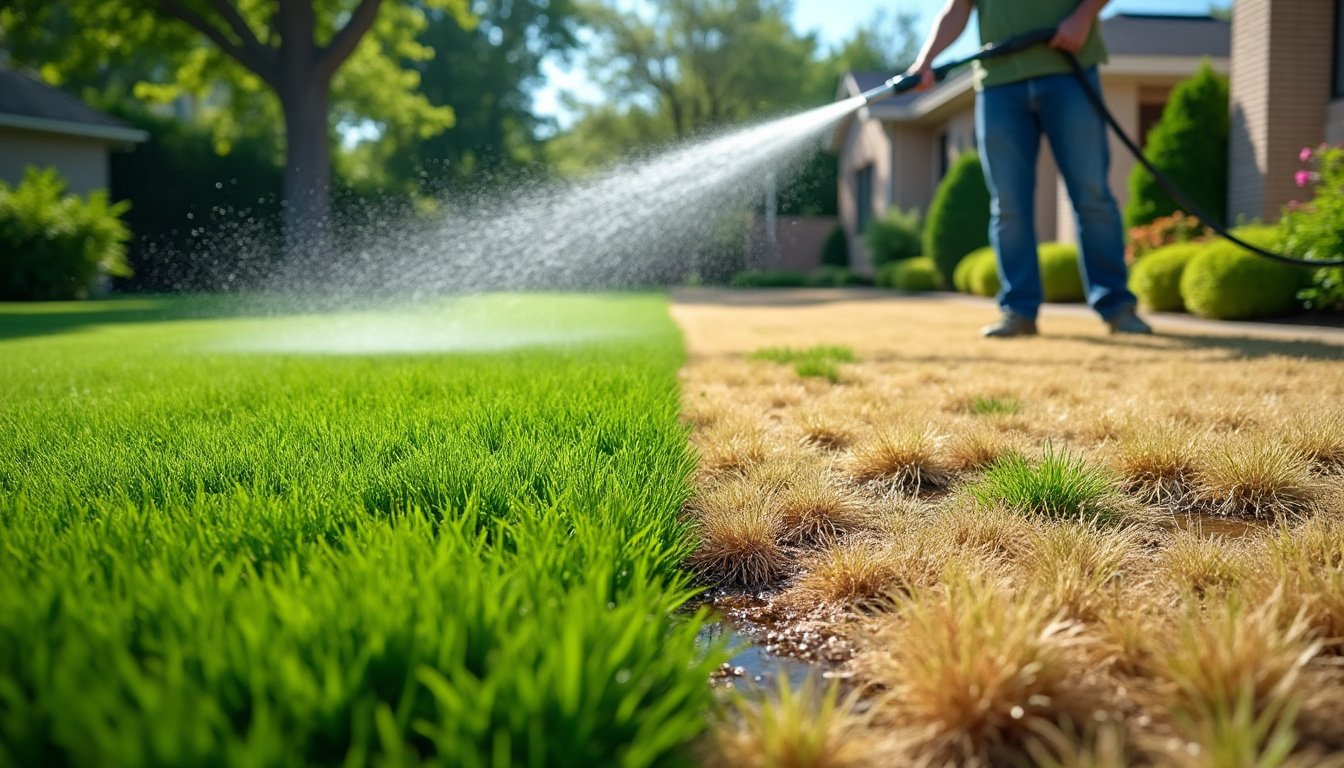
Understanding the Impact of Watering Mistakes on Lawn Health
Caring for a lawn might seem straightforward—water it regularly, mow often, and maybe fertilize occasionally—but many homeowners unknowingly follow practices that actually harm their grass. Common watering mistakes are at the heart of many cases of lawn distress. Even with a consistent watering routine, brown patches, thinning grass, and poor overall growth can manifest if water management is misguided.
One of the first misconceptions that grass enthusiasts encounter is treating lawn care like a timed chore, watering their grass on a strict schedule regardless of weather conditions or soil moisture. This approach overlooks critical variables such as recent rainfall, temperature fluctuations, and wind, all of which influence soil moisture levels. For instance, warm-season grasses like Bermuda or St. Augustine naturally require less water during hot periods due to their drought tolerance, while cool-season grasses like bluegrass need more frequent watering because their root systems are shallower and less efficient at water absorption.
To avoid lawn damage caused by inappropriate watering, it’s essential to understand these nuances. Checking for visual cues—such as other wilting plants in your yard or soil conditions using the poke test—can guide whether your lawn truly needs water. For example, inserting a screwdriver into the soil can reveal dryness if it meets hard resistance, signaling the need for hydration. By embracing an approach tailored to the lawn’s specific requirements rather than a rigid calendar, you optimize grass maintenance and encourage healthy root development.
Experts emphasize that watering frequency and depth are critical for robust grass growth. Frequent, shallow watering promotes weak, shallow roots, making the lawn vulnerable during heat and drought. On the contrary, deep and less frequent watering, saturating the soil 4 to 6 inches down every week or so, encourages roots to grow deep, anchoring the grass better and improving resilience. Tools such as placing an empty tuna can under your sprinkler help you measure sufficient watering volumes effectively.
10 quick checks to spot low-quality supplements before you buy - plus research-backed doses for 12 common ingredients. Free PDF, no spam.
Overwatering is a widespread error with grave consequences for lawn health. Besides wasting water resources, it suffocates grass by saturating the soil continuously, which reduces oxygen availability to roots and promotes fungal and bacterial diseases. These issues undermine grass maintenance efforts and inflate water bills unnecessarily. On the flip side, while underwatering deprives grass of needed moisture, the lawn can often tolerate moderate drought stress better than excessive wetness, especially if watering practices are adjusted thoughtfully.
Seasonal and environmental variations also dictate watering strategies. For example, shaded areas naturally retain moisture longer and typically need watering less frequently than sun-exposed slopes. Mistimed watering sessions—such as during the hottest hours, when evaporation rates soar—result in less effective watering, as much of the water evaporates before it reaches the roots, leaving grass parched despite apparent irrigation.
When approaching lawn care, embracing adaptive watering habits founded on observation and knowledge fosters a greener, healthier lawn that thrives even during stressful summer conditions. For more insights into preventing watering mistakes that cause grass damage, resources like this detailed guide offer practical advice on fine-tuning your watering routine to lawn needs.
Why Timing Your Lawn Watering Correctly Can Prevent Grass Damage
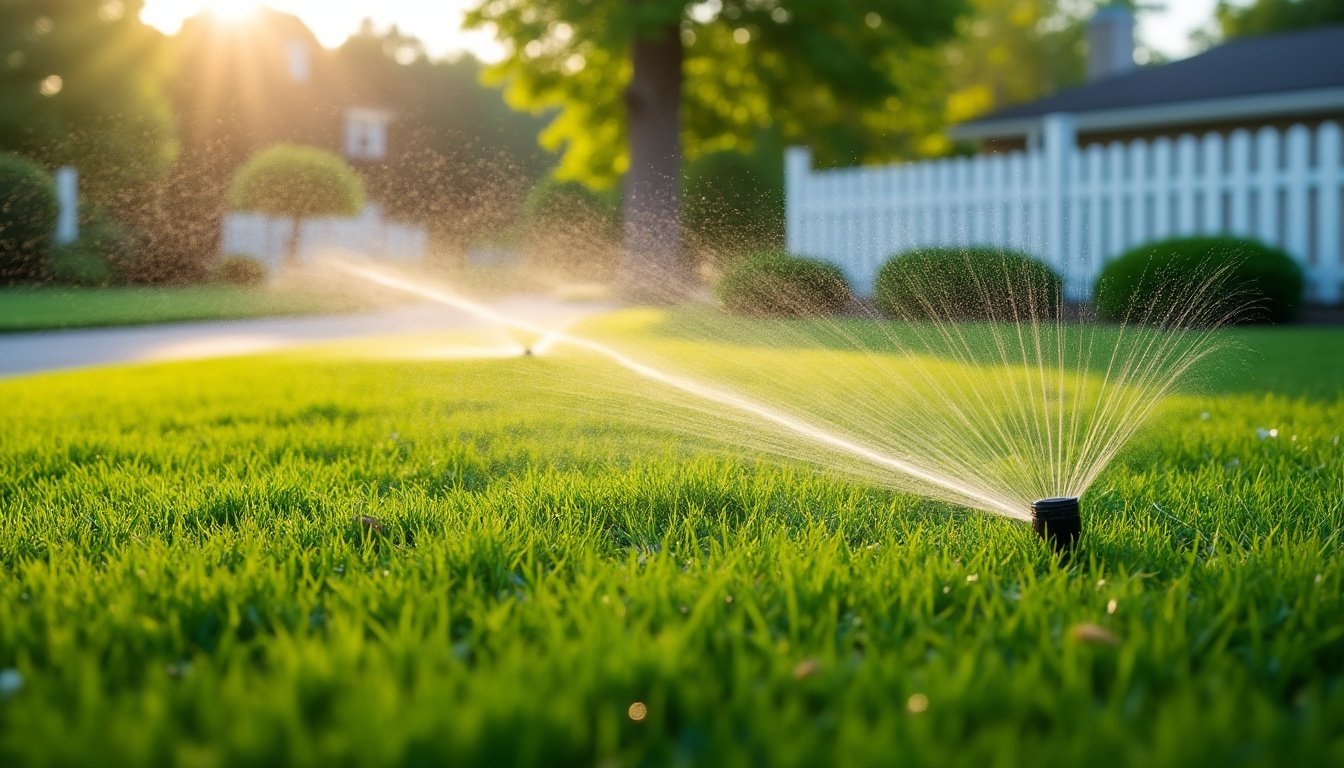
The timing of when you water your lawn plays a crucial role in how effectively your grass can absorb moisture and maintain its health. Watering at the wrong time of day can lead to significant grass damage that often goes unnoticed until patches brown or diseases emerge.
Lawn care specialists agree that the optimal window for watering is early morning, ideally before sunrise or before 9 a.m. This timing reduces water loss from evaporation, a prevalent problem when watering during midday heat, where up to 50% of water can evaporate before reaching the grass roots. In contrast, watering at night—though seemingly logical, since cooler temperatures reduce evaporation—creates a damp environment on grass blades that encourages fungal and bacterial growth.
Fungal infections like dollar spot and brown patch thrive in moist, humid conditions. If water remains on the lawn overnight regularly, these pathogens can take hold, deteriorating lawn aesthetics and vitality. By watering early, the grass blades have several hours to dry out before cooler evening temperatures set in, reducing the risk of disease.
Additionally, timing complements other lawn care practices. Scheduled watering aligns better with fertilization and mowing when done in the morning, as water helps nutrients absorb into the soil rather than sitting on the surface. This synchronization is vital for complex lawn maintenance regimens aiming for dense, resilient turf.
In practical terms, maintaining a timer or irrigation controller set to morning hours saves both water and effort — no overwatering during dry spells, nor wastage on rainy days. Using modern smart controllers or soil moisture sensors, homeowners can further refine this approach by automatically adjusting schedules based on real-time weather data and soil moisture levels.
Choosing the right irrigation equipment also enhances timing effectiveness. For instance, impact sprinklers offer adjustable spray ranges fitting varied yards and watering nuances, while oscillating sprinklers suit rectangular lawns. Ensuring sprinkler heads are functioning correctly prevents dry spots and overwatering zones, enhancing performance when watering at optimal times.
For those interested in how timing intersects with other care elements to protect against grass damage, this expert advice outlines common timing errors and how to correct them to maximize lawn vitality and sustainability.
How Overwatering and Underwatering Threaten Grass Maintenance and What To Do Instead
Maintaining the delicate balance between overwatering and underwatering is paramount for effective grass maintenance. Both extremes jeopardize lawn health but in distinct ways, and recognizing the symptoms and adapting your watering strategy is essential for sustained lawn vitality.
Overwatering saturates the soil, leading to poorly aerated roots and increased susceptibility to fungal diseases, as oxygen deprivation weakens root systems. In waterlogged soil, nutrients crucial for grass growth get washed away, degrading soil quality. Lawns may appear lush temporarily, yet beneath the surface, roots weaken, and disease risk escalates. Overwatering also escalates water bills and contributes to environmental waste, pressing the need for thoughtful water management.
Conversely, underwatering stresses grass, causing it to turn brown or go dormant. While slight droughting can build root resilience, prolonged lack of moisture shrinks roots and eventually kills grass blades, leaving unsightly patches that invite weeds. Many gardeners mistakenly increase watering frequency in response, leading back to overwatering issues.
Adopting best practices promotes consistency and effectiveness in watering, including:
- Watering deeply about once or twice per week, depending on soil type and climate
- Using tools, such as rain gauges or irrigation timers, to monitor water application
- Allowing soil to dry out between watering sessions to encourage deep root growth
- Checking soil moisture regularly by probing with a screwdriver or moisture meter
- Avoiding watering during windy or hot conditions to minimize evaporation loss
Consider soil type as an integral factor for watering modification. Sandy soils drain quickly and often need shorter more frequent watering, while clay soils hold moisture longer but can suffocate roots if overwatered. Tailoring water management to these conditions shield grass from stress and fosters sustainable growth.
Ultimately, balanced watering supports a lawn’s natural defenses against common pests and diseases, helping maintain an inviting and lush green space throughout the growing seasons. To learn more about how watering extremes harm lawns and how to optimize care, see comprehensive guides such as this expert resource.
The Role of Soil Moisture and Sprinkler Choice in Preventing Lawn Damage
Water management is not just about how much and when you water but also about ensuring that water penetrates the soil effectively and uniformly. Understanding soil moisture dynamics and selecting the appropriate sprinkler system are vital components of successful grass maintenance.
Soil moisture dictates grass health—too much leads to root suffocation, too little causes drought stress. Different areas within a lawn, influenced by sun exposure, slope, and soil type, will require varying watering strategies. For example, a south-facing incline exposed to direct sunlight will dry out faster, whereas shaded patches hold moisture longer.
Advanced gardeners often employ moisture sensors or smart irrigation systems that detect when soil moisture hits threshold levels, triggering watering only when necessary. This technology prevents unnecessary irrigation and reduces resource waste, supporting environmental goals and reducing costs.
Choosing the right sprinkler system helps apply water evenly and efficiently:
- Impact sprinklers offer versatility for various yard sizes with adjustable spray ranges.
- Oscillating sprinklers distribute water in a fan-like pattern, perfect for square or rectangular lawns.
- Rotating sprinklers suit small, round spaces providing even coverage.
- Ensuring all sprinkler heads are free from clogging and correctly aligned is critical to avoid dry or oversaturated patches.
Improper sprinkler choice or malfunctioning equipment leads to patchy watering, with some grass areas suffering from underwatering while others get soaked excessively, both causing grass damage. Regular maintenance checks of irrigation systems in spring and summer prevent such issues.
Combining knowledge of soil moisture with tailored sprinkler selection and maintenance creates a synergistic effect that strengthens turf durability, optimizes water usage, and promotes a consistently lush lawn. For further insights, specialized lawn care guides such as this resource provide detailed advice on avoiding these watering pitfalls.
Recognizing and Correcting Common Watering Mistakes for Better Lawn Care
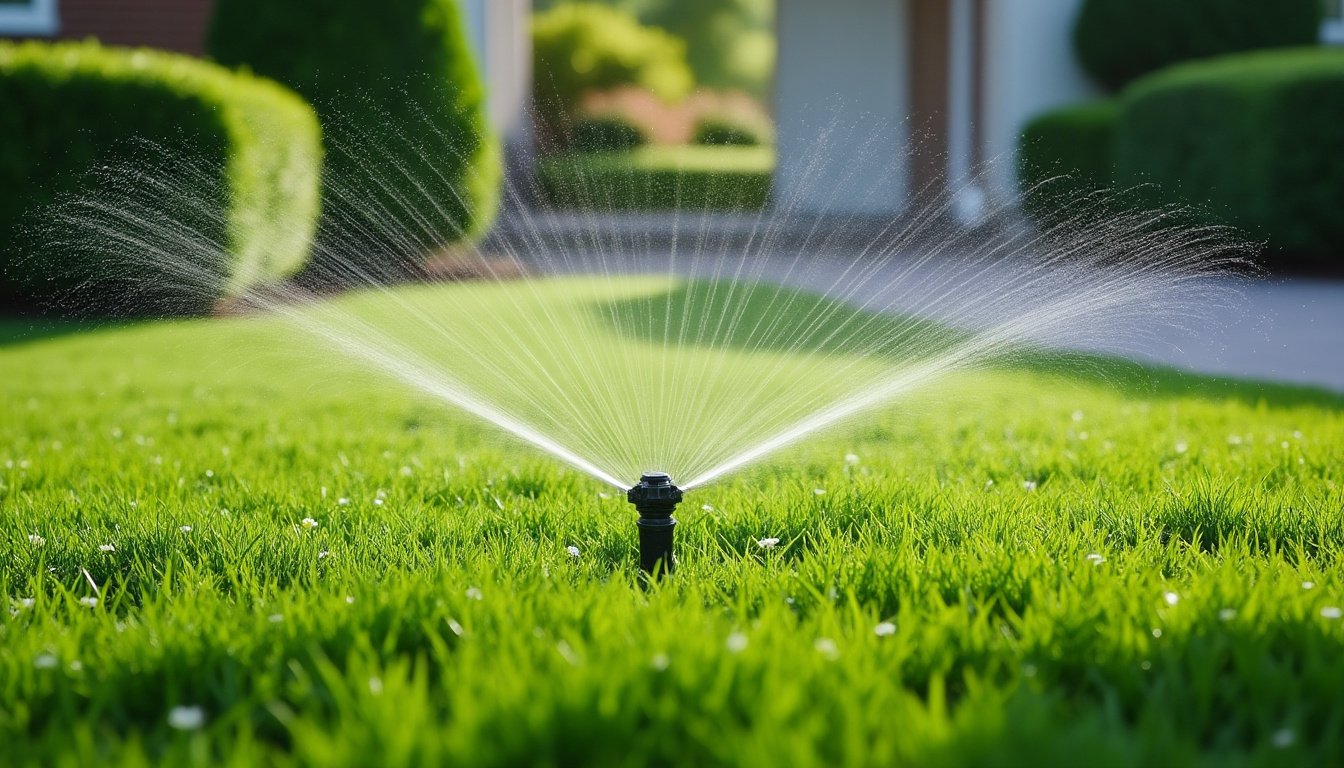
Despite best intentions, homeowners often fall into predictable watering pitfalls that sabotage their efforts and damage grass health over time. It’s essential to recognize these mistakes and correct them promptly to restore and maintain a vibrant lawn.
Common watering mistakes include:
- Watering on a strict schedule without considering weather or soil moisture. Reliable lawn care requires flexibility; overwatering after rain or during cool weather wastes water and promotes disease.
- Watering too often but shallowly instead of deeply and less frequently. This encourages weak roots and surface-level growth vulnerable to drought and heat stress.
- Watering during midday heat. Excessive evaporation leads to inefficiency and dry grass despite watering efforts.
- Neglecting sprinkler maintenance. Faulty sprinkler heads cause uneven coverage and create dry spots or runoff.
- Ignoring variations in lawn areas. South-facing or sloped sections often require more watering than shaded or low-lying ground.
Adjusting your routine by integrating observation and adaptive watering will significantly improve lawn resilience and appearance. Try these recommendations:
- Perform periodic soil moisture tests using simple tools or moisture meters.
- Inspect and adjust sprinkler systems before the growing season begins.
- Water early in the morning to maximize moisture absorption and minimize disease risk.
- Adapt watering frequency based on grass type and environmental conditions.
- Allow lawn areas to dry between waterings to encourage deeper roots and stronger grass.
Practicing these changes not only revives struggling lawns but also supports sustainable garden care by conserving water and reducing chemical inputs. Education through trusted websites and local extension services enriches a homeowner’s lawn care knowledge and effectiveness, transforming common watering mistakes into opportunities for growth. Visit comprehensive articles such as this guide on common lawn care mistakes to deepen your understanding and avoid pitfalls.
How often should I water my lawn to promote healthy growth?
Watering deeply once or twice a week is generally ideal, depending on your grass type and soil. This encourages deep root growth and strengthens the lawn against drought and heat stress.
Can watering at night really damage my lawn?
Yes, watering at night can leave grass blades wet for extended periods, creating favorable conditions for fungal diseases, which can weaken or kill grass over time.
What signs indicate my lawn is being overwatered?
Look for consistently soggy soil, fungus growth, patches of yellowing grass, and increased weed presence—these all can signal overwatering issues harming your lawn health.
Is it better to underwater or overwater my lawn?
It’s generally better to underwater than overwater. Occasional drought stress strengthens roots, while overwatering leads to root suffocation and fosters diseases.
How do I check if my sprinkler system works efficiently?
Regularly inspect sprinkler heads for clogs, misalignment, or broken parts, and ensure water is distributed evenly throughout the lawn without runoff or dry spots.
10 quick checks to spot low-quality supplements before you buy - plus research-backed doses for 12 common ingredients. Free PDF, no spam.
