


Debates about childhood vaccines have moved from the fringes into the center of public discussion. High‑profile figures, including Robert F. Kennedy Jr., argue that children receive “too many shots” and have questioned the safety and necessity of several vaccines.
Public health data, however, paint a very consistent picture: when vaccination rates fall, serious infections come back.
This article uses four diseases currently at the center of that debate—hepatitis A, influenza (flu), meningitis, and rotavirus—to explain:
- What each illness is
- How vaccines changed the landscape
- What can happen if routine vaccination slows down
- How parents can think through decisions in a practical, evidence‑based way
Why Routine Vaccine Recommendations Matter
In the U.S., the childhood vaccine schedule is shaped by expert committees (such as ACIP) that review:
10 quick checks to spot low-quality supplements before you buy - plus research-backed doses for 12 common ingredients. Free PDF, no spam.
- How dangerous a disease is
- How well the vaccine works
- How safe it is
- How common the disease is likely to be without vaccination
When a vaccine is “universally recommended” for all children in a given age group, uptake tends to be high and diseases become rare. When a vaccine is downgraded to “shared clinical decision‑making” (meaning: “talk with your doctor and decide”), uptake typically drops, and outbreaks become more likely over time.
Even if vaccines remain available and covered by insurance, weaker recommendations can:
- Confuse parents
- Fuel distrust and misinformation
- Lead to lower vaccination rates
- Allow once‑controlled diseases to resurge
The four conditions below are prime examples of what’s at stake.
1. Hepatitis A
Why Hepatitis A Still Matters

Hepatitis A is a highly contagious viral infection of the liver. It spreads mainly through fecal–oral transmission, often via:
- Contaminated food or water
- Close person‑to‑person contact
- Inadequate handwashing, especially around diaper changes or bathroom use
Most healthy children recover, but hepatitis A can cause:
- Severe illness with weeks of fatigue, nausea, vomiting, abdominal pain, dark urine, and jaundice
- Sudden liver failure in a small fraction of cases
- Death, particularly in older or medically fragile adults
Even though most reported cases are in adults, vaccinating children has been a key tool in reducing spread throughout communities.
What We’ve Seen with the Vaccine
- A hepatitis A vaccine became available in the U.S. in 1995.
- In 2006, experts recommended routine vaccination for all children at ages – months.
- After widespread childhood vaccination, U.S. cases fell by more than from 1996 to 2011.
Data cited from recent CDC reports show:
- In 2023, about hepatitis A infections were reported, estimated to be closer to around when accounting for underreporting.
- At least people died from hepatitis A that year in the U.S.
- Coverage is strong: about of children born in 2019–2020 received the recommended two doses by 35 months.
Experts estimate that vaccinating about of people in high‑risk groups (like people who inject drugs) could prevent large outbreaks in those communities.
- Provides strong protection against hepatitis A infection and its complications.
- Often given as a two‑dose series starting at – months.
Why vaccinating children helps adults
- Children may have milder symptoms but can easily spread the virus to caregivers, teachers, and older relatives.
- By blocking transmission in kids, you protect vulnerable adults—especially those with liver disease or other health conditions.
Safety
- Side effects are generally mild: soreness at the injection site, low‑grade fever, or fatigue.
- Serious adverse events are extremely rare and closely monitored.
If recommendations become weaker
- Fewer children will be routinely vaccinated.
- Herd protection may decrease.
- More outbreaks are likely, especially in communities with lower sanitation resources or higher risk factors.
2. Influenza (Flu)
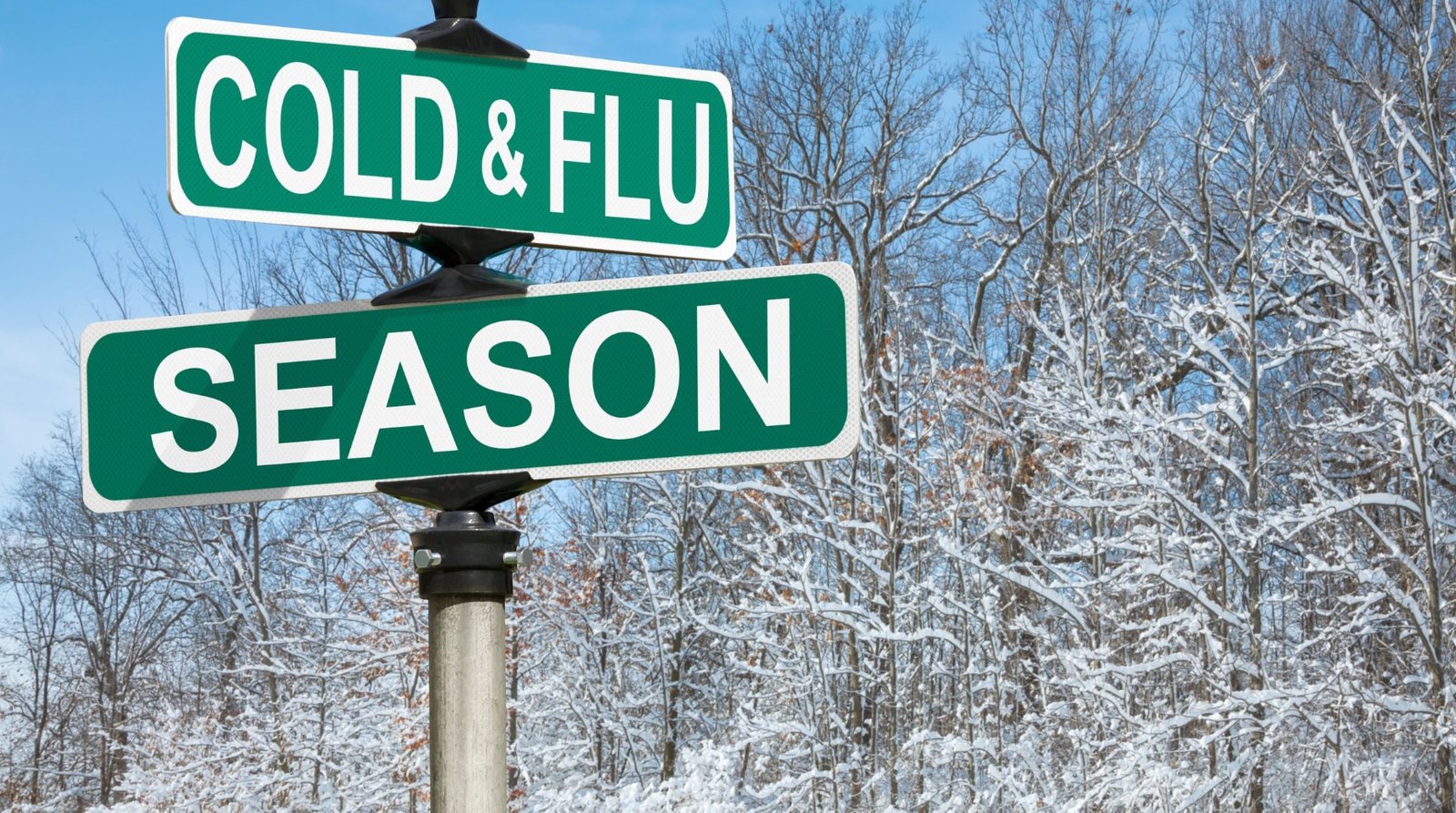
The Flu Is Not “Just a Cold”
Influenza is a respiratory virus that:
- Spreads easily through droplets when people cough, sneeze, or talk
- Can cause high fever, intense body aches, and profound fatigue
- Sometimes leads to pneumonia, respiratory failure, heart complications, or death
Children are central to the flu equation because they:
- Get infected frequently
- Shed lots of virus
- Bring flu home to siblings, parents, and grandparents
Recent Seasons: What the Numbers Show
Based on CDC data cited in recent reports:
- The 2024–2025 flu season was especially hard on children, with 289 pediatric deaths officially reported. Most were unvaccinated or had unknown vaccination status.
- That season saw at least 43 million symptomatic cases in the total population.
- In the early months of the 2025–2026 season, at least 9 pediatric deaths had already been reported, with the true number likely higher; estimated deaths across all ages were around 5,000 by that point.
Vaccination coverage in children has been declining:
- As of late December in one recent season, about of children ages months to years had received a flu shot—down from at the same time the prior year.
- Over the past decade, coverage has dropped from over (2019–2020) to under by the end of more recent seasons.
The U.S. “Healthy People 2030” goals call for vaccination coverage against influenza, but current levels fall well short.
Why Yearly Vaccination Is Recommended
The CDC has long recommended that everyone months and older receive an annual flu shot because:
- Flu viruses change from year to year.
- Immunity from a prior season’s infection or vaccine wanes.
- Even when the match isn’t perfect, vaccination significantly reduces:
- Risk of hospitalization
- Risk of ICU admission
- Risk of death, particularly in children and older adults
- Lowers your child’s chance of getting the flu.
- If they do get sick, makes illness less severe on average.
- Reduces missed school days and keeps family members—especially infants, pregnant women, and older adults—safer.
Common worries
- “Can the flu shot give you the flu?”
- No. Injectable flu vaccines use inactivated virus or pieces of the virus; they cannot cause influenza. Mild fever or soreness means the immune system is responding.
- “If it’s not effective, why bother?”
- Few vaccines are effective, but flu shots:
- Prevent millions of infections each year
- Reduce hospitalizations and deaths even when they don’t prevent infection entirely
- Few vaccines are effective, but flu shots:
Safety
- Side effects are typically mild: sore arm, achiness, low fever.
- Serious allergic reactions are very rare, and vaccination is deferred in people with known severe allergies to components of the vaccine.
3. Meningococcal Meningitis
A Rare but Devastating Disease
Meningitis is an inflammation of the protective membranes around the brain and spinal cord. Meningococcal disease, caused by the bacteria Neisseria meningitidis, is one of the most feared forms because it can progress very quickly.
Potential outcomes include:
- Severe headache, stiff neck, fever, and sensitivity to light
- Seizures and coma
- Permanent hearing loss or cognitive disability
- Limb loss due to tissue damage
- Death, sometimes within 24 hours of first symptoms
The bacteria spread via respiratory droplets and saliva—coughing, kissing, sharing drinks or utensils, and close living situations like dorms or military barracks.
Trends and Vaccination Impact
Recent CDC surveillance (as cited in public reports) shows:
- In 2024, there were 503 confirmed or probable cases of meningococcal disease in the U.S., the highest number since 2013.
- The increase was largely driven by the Y group of meningococcal bacteria—one of the types targeted by routine adolescent vaccination.
Vaccination coverage has been relatively strong:
- Over of teens ages 13–17 had received at least one dose of the MenACWY vaccine (protecting against A, C, W, and Y groups) in 2024, up from about in 2023.
Outbreaks remain relatively rare compared with the pre‑vaccine era, but when they occur, the consequences can be severe.
- MenACWY: Protects against types A, C, W, and Y.
- MenB: Protects against type B; usually recommended for:
- Certain high‑risk groups
- Some adolescents and young adults based on shared clinical decision‑making, especially before starting college.
Typical schedule (MenACWY)
- First dose at 11–12 years
- Booster at 16 years
Why adolescents are targeted
- Teens and young adults:
- Are more likely to carry meningococcal bacteria in their nose and throat.
- Often live in close quarters (dorms, camps, sports teams).
Safety
- Side effects: arm soreness, mild fever, fatigue, or headache.
- Serious reactions are rare and monitored carefully.
Why even rare diseases matter
- Meningococcal disease is uncommon, but:
- It can be rapidly fatal.
- Survivors may face lifelong complications.
- Vaccination dramatically reduces risk at the ages where the disease is most likely to strike.
4. Rotavirus
The “Stomach Bug” That Used to Fill Pediatric Wards
Rotavirus is a highly contagious virus that infects the intestines, causing:
- Profuse, watery diarrhea
- Vomiting
- Fever
- Rapid dehydration
It spreads primarily via the fecal–oral route, which is why it’s so common in:
- Daycares
- Preschools
- Households with infants and toddlers
Before the vaccine era, rotavirus was a leading cause of severe diarrhea in young children worldwide.
According to historical U.S. data:
- Before vaccination, rotavirus caused about 55,000–70,000 hospitalizations and 20–60 deaths each year in U.S. children under 5.
- The current vaccine is estimated to prevent around 45,000 hospitalizations annually in the U.S. alone.
How Well the Vaccine Works
The CDC reports that among vaccinated children:
- About are protected from severe rotavirus disease.
- About are protected from any rotavirus illness.
Coverage is good but not complete:
- Roughly of children born in 2019–2020 were fully vaccinated against rotavirus by 8 months of age.
A previous rotavirus vaccine (introduced in the late 1990s) was removed from the market because it was associated with an increased risk of a bowel obstruction called intussusception. Current vaccines, introduced in 2006, have been extensively studied and are considered safe, with far more benefits than risks.
- An oral (by mouth) vaccine, not a shot.
- Given in a series starting at 2 months of age, typically completed by 6–8 months.
Benefits
- Prevents most severe cases that lead to IV fluids or hospitalization.
- Helps keep emergency rooms and pediatric wards from being overwhelmed during winter months.
- Reduces spread in households and childcare settings.
Safety
- Current vaccines have a very low risk of serious side effects.
- Intussusception is very rare, and overall, the benefit–risk balance strongly favors vaccination.
Why it’s easy to underestimate
- In high‑income countries, rotavirus deaths are now rare because of both:
- Vaccination
- Ready access to medical care and rehydration
- But without vaccination, many more children get severely ill, and health systems carry a heavier burden.
What Happens When Recommendations Are Weakened?
Even if vaccines remain available:
- Fewer strong recommendations → more confusion → lower uptake.
- Diseases that had become rare due to vaccination can rebound within a few years.
- Hospitals may again see surges of:
- Children with severe diarrhea (rotavirus)
- Adolescents with devastating meningitis
- Adults with liver failure from hepatitis A
- Young children dying from influenza
Public health history offers many examples: when vaccination coverage falls (measles is a classic case), outbreaks follow.
Sorting Through Conflicting Information as a Parent
If you’re feeling overwhelmed by changing guidance or vocal vaccine critics, a few practical steps can help:
- Ask your child’s clinician direct, specific questions.
- “What are the real risks of this vaccine for my child?”
- “What are the real risks of the disease if we skip it?”
- Look for patterns, not anecdotes.
- One story (good or bad) does not outweigh data from millions of children.
- Know the scientific consensus on autism and vaccines.
- Large, well‑designed studies from multiple countries have not found a causal link between routine childhood vaccines and autism.
- Major scientific and medical organizations worldwide agree on this point.
- Use reputable sources.
- Centers for Disease Control and Prevention (CDC)
- American Academy of Pediatrics (AAP)
- World Health Organization (WHO)
- Revisit decisions over time if needed.
- If you’re not ready to proceed today, set a date to re‑discuss with your clinician rather than leaving the decision indefinitely unresolved.
Bottom Line
- Hepatitis A, influenza, meningococcal meningitis, and rotavirus are not trivial illnesses.
- Vaccines against these diseases have:
- Dramatically reduced hospitalizations and deaths
- Prevented large outbreaks
- Made childhood measurably safer and healthier
When routine recommendations are weakened, vaccination rates tend to fall—and the diseases we thought we’d left behind begin to return.
For parents, the most protective path is to:
- Stay informed from credible, science‑based sources
- Maintain an open dialogue with trusted health professionals
- Weigh not just the small, well‑quantified risks of vaccines, but also the much larger and often overlooked risks of the diseases themselves
10 quick checks to spot low-quality supplements before you buy - plus research-backed doses for 12 common ingredients. Free PDF, no spam.
