

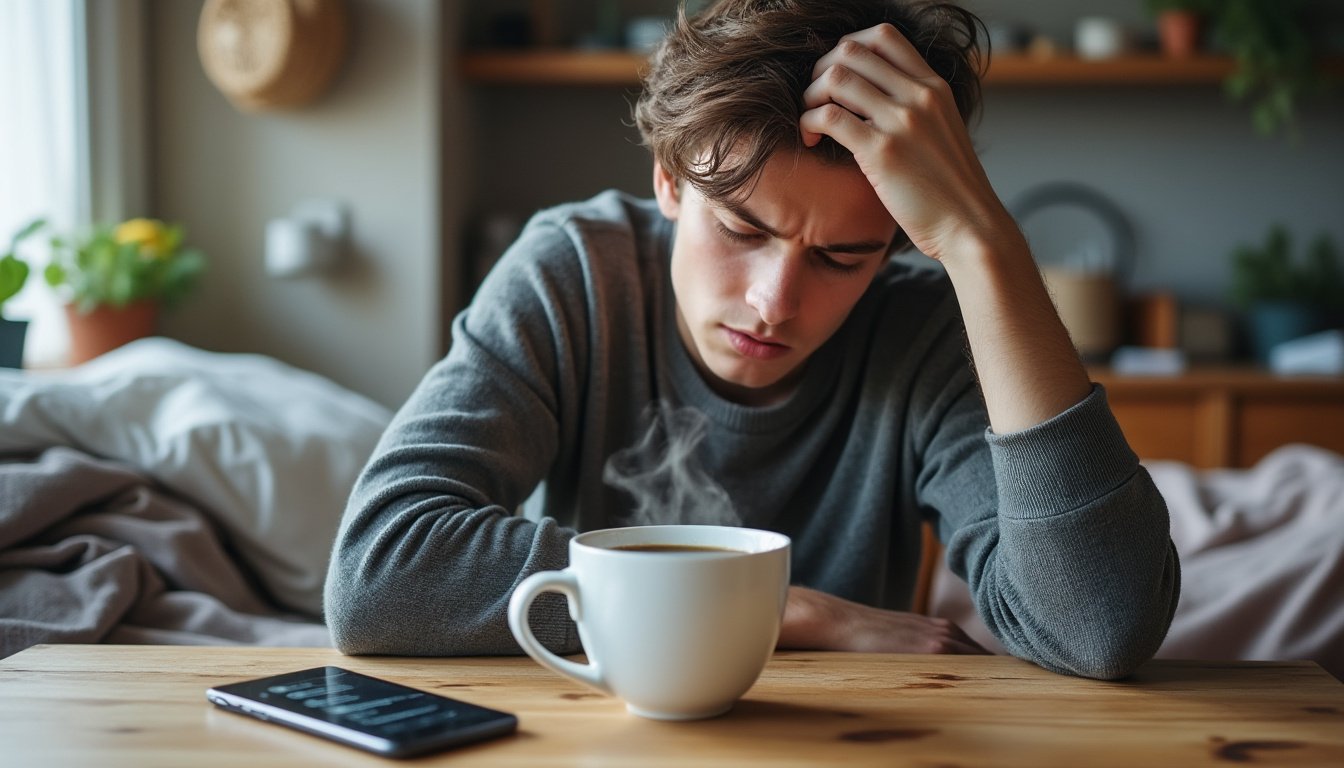
How Skipping Breakfast Can Amplify Morning Anxiety and Deplete Energy Levels
Many people underestimate the powerful influence of their morning habits on their overall mental health, particularly when it comes to anxiety. One such habit that often gets overlooked is skipping breakfast. While skipping this meal might seem like a harmless way to save time or reduce calorie intake, it can significantly affect your stress and anxiety levels by midday.
When you wake up, your body’s blood sugar levels are naturally low after hours without food. Breakfast serves as the fuel to replenish these levels, which in turn stabilizes your energy and mood. Without this crucial morning meal, your body enters a state of energy deprivation, which can trigger the release of stress hormones such as cortisol.
Cortisol, commonly known as the “stress hormone,” peaks naturally in the morning to help you wake up, but when combined with low blood sugar, it can lead to heightened feelings of anxiety. These physiological changes create a perfect storm where your brain interprets signals as threats, increasing feelings of nervousness, agitation, and worry.
For example, consider the case of Sarah, a young professional struggling with daily anxiety. She regularly rushed out of her home without eating, thinking she could grab a snack later. By late morning, she noticed her stress and unease escalating, causing difficulty focusing at work. After consulting with a nutritionist, she began prioritizing a balanced breakfast containing protein, complex carbohydrates, and healthy fats. The result was a remarkable improvement in her energy levels and a reduction in anxiety episodes by noon.
10 quick checks to spot low-quality supplements before you buy - plus research-backed doses for 12 common ingredients. Free PDF, no spam.
Additionally, eating breakfast initiates the body’s metabolism in a process called the thermic effect of food, which supports stable energy and emotional wellness. Research supports the idea that a regular healthy morning meal aids in mindfulness and self-care, laying a strong foundation for managing daily routine stresses effectively.
Common breakfast foods that support mental health include oatmeal, nuts, yogurt, fresh fruits, and eggs. These choices provide nutritional benefits like vitamins B and D, magnesium, and omega-3 fatty acids, which have been linked to mood regulation and reduced anxiety symptoms.
Failing to include breakfast in your morning habits has been highlighted in some studies as a contributor to daytime fatigue and irritability, further impairing emotional resilience. For readers curious about the intricate relationship between morning meals and anxiety, comprehensive insights can be found in articles focusing on morning habits that cause anxiety without you realizing it and detailed overviews on morning habits and anxiety from experts.
It’s crucial to see breakfast as not just a physical necessity but also a mental health practice. By consciously incorporating a nutritious morning meal, you equip your body and mind to better handle the challenges and uncertainties that cause anxiety to build up by midday.

The Hidden Impact of Excessive Morning Screen Time on Stress and Emotional Wellness
Another morning habit that can unknowingly undermine your mental well-being is overexposure to screens early in the day. Checking emails, scrolling through social media, or reading distressing news right after waking can significantly elevate stress and anxiety levels.
Research indicates that immediate engagement with digital devices floods the brain with information and stimuli which it may not be prepared to process in the early morning. This overstimulation can disrupt your ability to practice mindfulness or calmly transition from sleep to an alert state, increasing emotional volatility.
Consider the story of James, an entrepreneur who admitted to starting his day by diving straight into work emails on his phone. He frequently found himself feeling overwhelmed and anxious before even getting out of bed. After adjusting his morning routine to include 20 minutes of quiet reflection and postponing screen use until after breakfast, James noticed a significant decrease in stress and a steady rise in his emotional wellness.
The blue light emitted by electronic devices is another factor that can influence morning anxiety by interfering with your body’s natural production of melatonin and cortisol rhythms. When these hormones become imbalanced, your energy levels may feel erratic, and your mood can take a dip, leading to a less productive and more anxious day.
Simple strategies to counteract this include setting device-free zones or times first thing in the morning, engaging in mindfulness exercises, or even reading a physical book to ease into the day. Prioritizing these habits aligns with the broader theme of self-care, emphasizing intentionality in your daily routine.
Addressing morning screen habits not only improves your mental health by reducing anxiety but also sets a healthier tone for productivity and emotional regulation throughout the day.
Incorporating these changes can complement other scientifically backed morning practices proven to enhance well-being, such as light exercise and controlled breathing. For more strategies to manage morning anxiety effectively, consider exploring resources on morning anxiety explained and treatments.
The Role of Poor Sleep Hygiene in Triggering Morning Anxiety by Noon
Poor sleep quality is perhaps the most significant contributor to feelings of anxiety by midday. Sleep problems such as insomnia, fragmented sleep, or inconsistent sleep schedules cause a cumulative deficit in emotional resilience and cognitive function, intensifying stress responses as the day progresses.
Sleep deprivation elevates cortisol production and reduces the ability of the brain to regulate negative emotions, directly linking poor sleep hygiene with increased anxiety levels. This connection may explain why some individuals report their anxiety peaking around noon, as their bodies struggle to cope without restorative rest.
To illustrate, Emily, a college student dealing with both academic and social pressures, started facing mid-morning panic attacks routinely. Upon reviewing her habits with a counselor, she realized that she was staying up late using devices and consuming caffeine close to bedtime, which disrupted her sleep cycles. She implemented a consistent sleep schedule, avoided stimulants late in the day, and used relaxation techniques before sleep, leading to improved night rest and a noticeable reduction in day-time anxiety.
Implementing good sleep hygiene practices serves as a cornerstone for better mental health and overall well-being. Among these practices are maintaining a regular bedtime, creating an ideal sleep environment free from distractions, limiting exposure to blue light in the evening, and incorporating calming rituals such as journaling or herbal teas into your nightly routine.
Since sleep directly impacts energy levels and emotional wellness, prioritizing quality rest will support your ability to navigate stressful mornings without the compounding anxiety that often emerges if these foundations are weak.
For a deeper understanding of these relationships and techniques to improve your mental state through better sleep, reading authoritative articles on the science behind morning anxiety and the role of restful nights can be enlightening and empowering.
How Mindful Morning Habits Can Break the Anxiety Cycle and Boost Well-Being
The integration of mindfulness and intentional self-care practices into your morning routine can drastically alter the trajectory of anxiety that builds up by noon. By consciously shifting focus away from stress-inducing triggers and adopting grounded habits, you can foster emotional wellness and sustainable energy throughout your day.
Mindfulness involves paying purposeful attention to the present moment without judgment. In practical terms, this can mean starting your day with breathing exercises, gentle stretching, or meditation. These activities help calm the nervous system, reducing the physiological signs of stress and providing mental clarity.
For instance, Maria, a corporate manager with a hectic schedule, began dedicating just 10 minutes each morning to mindful practices. She used apps and guided sessions to cultivate awareness and emotional regulation. Over several weeks, she reported less intense anxious feelings and improved ability to handle the demands of her day, underscoring how such rituals enhance well-being.
Self-care can also include organizing your daily routine to avoid last-minute stressors. Simple habits like preparing your outfit the night before, setting realistic daily goals, and allowing buffer time in the morning facilitate a smoother transition from sleep to activity, thereby lowering anxiety levels.
Various studies back the inclusion of mindful and self-care habits in combating morning stress, reminding us that small changes in routine can have profound effects. To explore a wider range of tips tailored to managing morning anxiety through mindfulness and routine adjustments, readers can refer to trusted mental health resources.
Practical Morning Routine Adjustments to Improve Mental Health and Reduce Anxiety
Recognizing which morning habits trigger anxiety by noon is the first step toward crafting a daily routine that prioritizes mental health. Implementing targeted changes can boost emotional wellness and help maintain energy levels throughout the day.
Here is a curated list of practical morning habits known to support mental health and minimize anxiety symptoms:
- Eat a balanced breakfast rich in nutrients to stabilize blood sugar and reduce stress hormone spikes.
- Limit screen time by postponing email and social media use until after establishing a calming routine.
- Prioritize sleep hygiene to ensure adequate, quality rest that supports emotional resilience.
- Practice mindfulness or meditation for at least 5-10 minutes to center your thoughts and reduce anxiety reactions.
- Engage in light physical activity like stretching or yoga to energize the body without overstimulation.
- Create a to-do list to organize tasks and set achievable goals, improving focus and sense of control.
- Maintain hydration by drinking water soon after waking to support bodily functions and alertness.
By integrating these practices into your daily routine, you foster a proactive approach to mental health that builds long-term resilience against stress and anxiety. This kind of self-care underscores the importance of being intentional with morning habits to protect emotional wellness and optimize energy levels.
For a more comprehensive guide on building healthy routines, you may find useful advice in curated articles that detail the process of establishing morning habits designed for well-being and mental clarity.
Why do I feel more anxious in the morning than at other times?
Morning anxiety is often linked to natural fluctuations in cortisol levels, low blood sugar, and the immediate engagement with stressful stimuli upon waking, all of which can trigger heightened feelings of anxiety.
How can changing my breakfast habits reduce my anxiety by noon?
Eating a nutritious breakfast helps stabilize blood sugar levels and moderates cortisol release, which supports better energy and reduces stress, thus lowering anxiety as the day progresses.
What are some effective mindfulness practices to ease morning anxiety?
Simple techniques such as deep breathing, meditation, or light yoga immediately after waking can calm the nervous system and improve emotional wellness throughout the day.
How does screen time cause anxiety in the morning?
Exposure to screen light and overwhelming digital content too early can overstimulate the brain, disrupt hormonal balance, and increase stress responses, contributing to morning anxiety.
Can improving my sleep routine help with my daytime anxiety?
Yes, better sleep hygiene supports emotional resilience and helps regulate stress hormones, significantly reducing anxiety that might spike by midday.
10 quick checks to spot low-quality supplements before you buy - plus research-backed doses for 12 common ingredients. Free PDF, no spam.
