

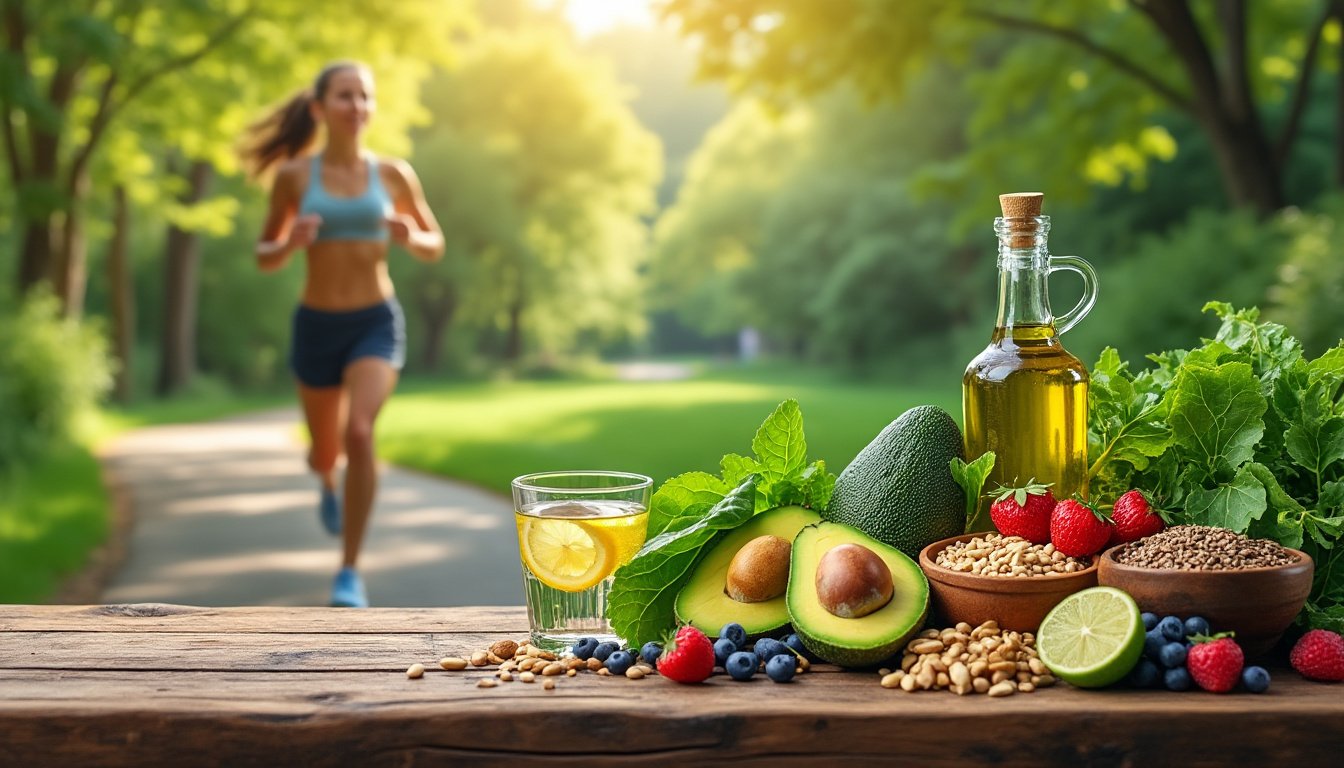
Incorporating Whole Plant Foods for Expert-Backed Cholesterol Management
Elevated cholesterol levels, especially the low-density lipoprotein (LDL) type, are a leading contributor to cardiovascular diseases globally. However, there are multiple natural strategies endorsed by health experts that can effectively bring cholesterol down while enhancing overall heart wellness. One of the most prominent approaches involves embracing diets rich in whole plant foods.
Whole plant foods—such as fruits, vegetables, legumes, nuts, seeds, and whole grains—are a cornerstone of any expert-approved heart health plan. What makes these foods so beneficial in managing cholesterol? They provide plant sterols, natural compounds structurally similar to cholesterol that help block its absorption in the digestive tract. Studies indicate that consuming approximately 2 grams (or 2000 milligrams) of these plant sterols daily can decrease LDL cholesterol by 8% to 12%, a significant reduction for cardiovascular risk management.
The antioxidants found in these foods also play a crucial role. Oxidative stress fosters the oxidation of LDL cholesterol, a key step in the formation of arterial plaques that escalate heart attack and stroke risk. By neutralizing free radicals, antioxidants reduce LDL oxidation, thereby protecting arteries and promoting vascular health. As Dr. Elizabeth Klodas, a preventive cardiologist, describes, antioxidants blunt the potential harm of elevated LDL in blood vessels.
Beyond sterols and antioxidants, incorporating whole plant foods means increasing dietary fiber that supports cholesterol regulation. Furthermore, whole foods are generally minimally processed, reducing the intake of harmful trans fats and additives that often aggravate lipid profiles.
10 quick checks to spot low-quality supplements before you buy - plus research-backed doses for 12 common ingredients. Free PDF, no spam.
To make meaningful progress, envision a daily plate filled predominantly with a variety of colorful vegetables, legumes such as lentils or chickpeas, nuts like almonds or walnuts, and whole grains including quinoa or brown rice. Such a plate not only optimizes cholesterol levels but also infuses meals with vitamins, minerals, and phytonutrients conducive to lasting wellness.
Experts worldwide encourage these dietary adjustments as a frontline strategy, especially for those seeking to enhance their heart health naturally before considering medication. To learn more about the comprehensive benefits of whole plant foods in cholesterol management, you might explore the insightful guide on how to lower cholesterol through diet, which delves into these nutritional strategies in detail.
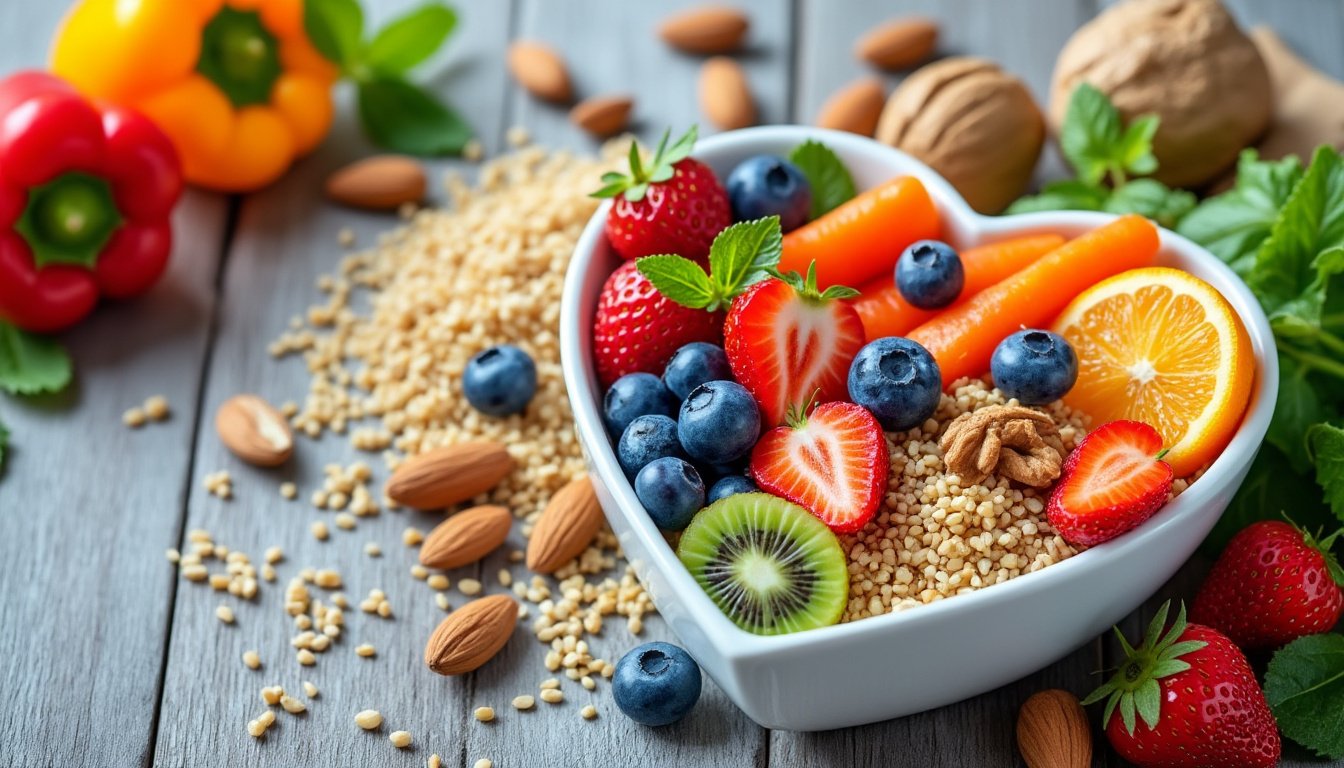
Harnessing the Power of Soluble Fiber and Its Impact on LDL Cholesterol Levels
Soluble fiber emerges as another vital element in expert-approved natural tactics to curb harmful cholesterol. Despite its critical role, research shows that a majority of adults fall short of federal fiber guidelines, which can compromise their ability to regulate cholesterol effectively.
Soluble fiber, abundant in oats, barley, beans, lentils, chia and flax seeds, apples, and psyllium, offers a distinct advantage over other fiber types. It forms a gel-like consistency in the gut, binding cholesterol and facilitating its excretion instead of reabsorption into the bloodstream. This mechanism is central to why soluble fiber can lower LDL cholesterol by around 5% when consumed consistently in daily amounts of 5 to 10 grams.
For example, an oatmeal breakfast topped with ground flaxseed and a side of apples can immediately impact cholesterol metrics. Similarly, lunch featuring a half-cup serving of beans integrates soluble fiber seamlessly, making daily consumption practical and enjoyable.
Beyond its cholesterol-lowering effects, soluble fiber supports gut health by nurturing beneficial microbiota, which further enhances metabolic function and inflammation control. This holistic approach to wellness illustrates why fiber-rich diets are heavily emphasized by cardiologists and nutritionists alike.
While adding fiber-rich foods is highly recommended, it should be coupled with adequate hydration and gradual dietary changes to allow the digestive system to acclimate comfortably. These benefits have been repeatedly highlighted by experts at institutions like the University of Rochester Medical Center, who emphasize integrating fiber within balanced meals to sustainably improve blood lipid profiles.
To deepen your understanding of the fiber-cholesterol connection and real-world applications, consider exploring additional resources focused on natural ways to lower cholesterol.
Replacing Saturated Fats with Unsaturated Fats: A Foundational Lifestyle Change
Dietary fats have a powerful influence on cholesterol levels, with saturated fats often implicated in raising LDL cholesterol. Saturated fats are predominant in foods such as red meat, butter, cheese, coconut oil, palm oil, and various processed products. One practical method of identification is recognizing fats that remain solid at room temperature.
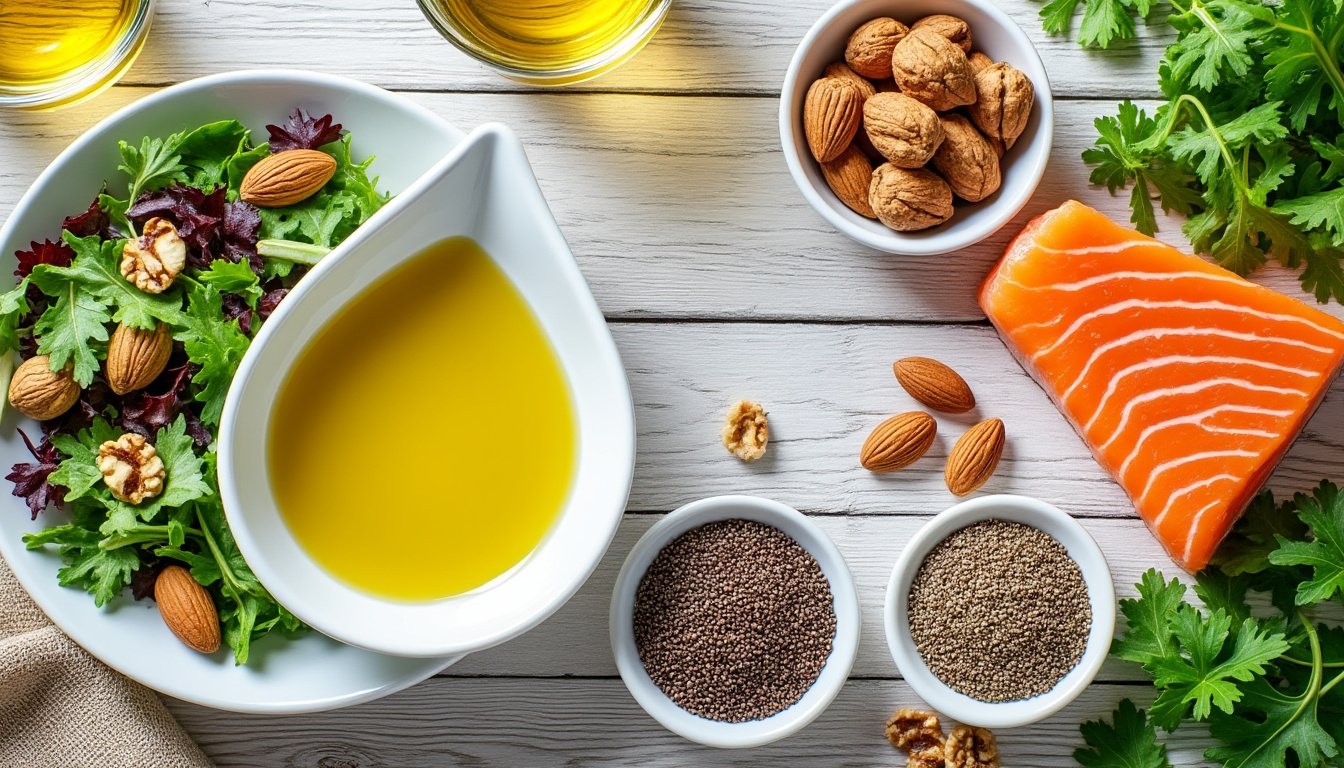
A proven natural strategy, consistently endorsed by experts, is substituting saturated fats with unsaturated fats. Unsaturated fats, which include monounsaturated and polyunsaturated fats found in olive oil, nuts, seeds, and fatty fish, not only reduce LDL cholesterol but also enhance overall heart health. Omega-3 fatty acids, particularly abundant in salmon, sardines, trout, flaxseeds, and walnuts, play a unique role by reducing triglycerides and combating vascular inflammation, even though they do not directly lower LDL.
This shift in fat consumption aligns with renowned dietary patterns like the Mediterranean and DASH diets, proven to sustain cardiovascular wellness and decrease disease risk. Clinical findings support that even partial replacement of saturated fats reduces LDL levels and improves cholesterol ratios, aiding long-term health outcomes.
To implement these changes, consider swapping butter for extra virgin olive oil when cooking, choosing nuts as snacks over processed cheese products, and including fatty fish in meals at least twice a week. These practical alterations generate a significant cumulative effect on cholesterol management and wellness.
Doctors like Elisabeth Plotner emphasize that beyond dietary tweaks, these swaps influence lipid metabolism, making them essential for anyone pursuing natural strategies to optimize cholesterol and safeguard their heart health.
More insights into dietary fats and their effects on lipid profiles can be found in resources such as guides on lowering cholesterol naturally, which review current research and practical tips for heart-friendly eating.
Exercise and Lifestyle Modifications: Supporting Cholesterol Reduction and Heart Wellness
Living a heart-healthy lifestyle extends beyond diet, prominently featuring regular physical activity. The American Heart Association’s guidelines recommend at least 150 minutes of moderate aerobic exercise or 75 minutes of vigorous activity each week, complemented by muscle-strengthening exercises on two or more days.
Exercise contributes to cholesterol management by elevating high-density lipoprotein (HDL) or “good” cholesterol, lowering triglycerides, and decreasing visceral fat—fat wrapped around internal organs linked to heightened cardiovascular risk. Even mild to moderate physical activity, such as walking, cycling, or swimming, can yield measurable benefits, especially for previously sedentary individuals.
In addition to exercise, maintaining a healthy weight plays a crucial role. Research demonstrates that losing just 5% to 10% of body weight results in meaningful improvements in LDL cholesterol and triglyceride levels. These changes support vascular function and reduce the likelihood of plaque formation.
Other lifestyle factors—such as ensuring quality sleep, managing stress, and limiting alcohol intake—also influence cholesterol metabolism and overall heart health. Chronic stress triggers cortisol elevation, which adversely affects cholesterol levels, while sleep deprivation has been linked to insulin resistance. Meanwhile, alcohol, historically considered heart-protective in moderation, is now recognized to raise triglycerides, advocating for prudent consumption.
In combination, these lifestyle adjustments offer a holistic approach to managing cholesterol naturally, but they require time and consistent commitment. Applying incremental changes, like daily walks, reducing sugary drinks, or practicing mindfulness, can accumulate significant benefits over time.
Practical resources and professional encouragement are available for those prioritizing such changes, as detailed in expert-supported articles on top lifestyle changes for cholesterol improvement.
Understanding When Natural Approaches Need Medical Support for Cholesterol Control
While lifestyle modifications form the foundation of cholesterol management, it is vital to recognize situations where natural strategies might not be sufficient, particularly due to genetic predispositions.
Some individuals, especially those with familial hypercholesterolemia, may exhibit persistently elevated LDL cholesterol levels exceeding 190 mg/dL, requiring medication in addition to lifestyle adjustments. Genetic factors may override the effects of diet and exercise, necessitating tailored medical interventions.
Clinicians assess overall cardiovascular risk by considering family history, blood pressure, diabetes presence, and cholesterol levels before recommending statins or other lipid-lowering therapies. A calculated 10-year risk of heart attack or stroke of 7.5% or higher often triggers combined lifestyle and pharmacologic approaches.
It’s important to note that statins remain a safe and effective method to lower “bad” cholesterol and prevent associated complications. Nevertheless, many patients wish to maximize natural strategies initially to avoid or delay medication.
Patients and practitioners are encouraged to view cholesterol management as a dynamic process. Blood lipid levels typically respond to lifestyle changes within four to twelve weeks. Regular monitoring through blood tests guides the evolution of treatment plans guaranteeing optimized heart health.
For those interested in understanding the balance between natural approaches and medication, detailed discussions can be explored through educational portals such as natural cholesterol lowering methods and when to see a doctor.
What are the most effective natural strategies to lower LDL cholesterol?
Incorporating whole plant foods rich in plant sterols, prioritizing soluble fiber, replacing saturated fats with unsaturated fats, engaging in regular physical activity, and managing lifestyle factors such as stress and sleep are among the most effective natural methods supported by experts to reduce LDL cholesterol.
Can dietary supplements effectively lower cholesterol?
While some supplements show potential to influence cholesterol levels, expert consensus advises caution as scientific evidence remains inconsistent. A well-rounded diet and lifestyle changes remain preferred first-line options for managing cholesterol naturally.
How long does it take for lifestyle changes to impact cholesterol levels?
Most individuals notice meaningful improvements in cholesterol within four to twelve weeks of consistently applying lifestyle modifications such as diet, exercise, and weight management. Periodic blood tests help track progress.
When is medication necessary despite natural approaches?
When genetic conditions like familial hypercholesterolemia or a high calculated cardiovascular risk exist, medications such as statins may be essential alongside lifestyle strategies to reduce cholesterol and protect heart health.
How does exercise improve cholesterol profiles?
Regular physical activity raises HDL cholesterol (the ‘good’ cholesterol), lowers triglycerides, and reduces harmful visceral fat, which collectively reduces cardiovascular risk and supports overall cholesterol balance.
10 quick checks to spot low-quality supplements before you buy - plus research-backed doses for 12 common ingredients. Free PDF, no spam.
