

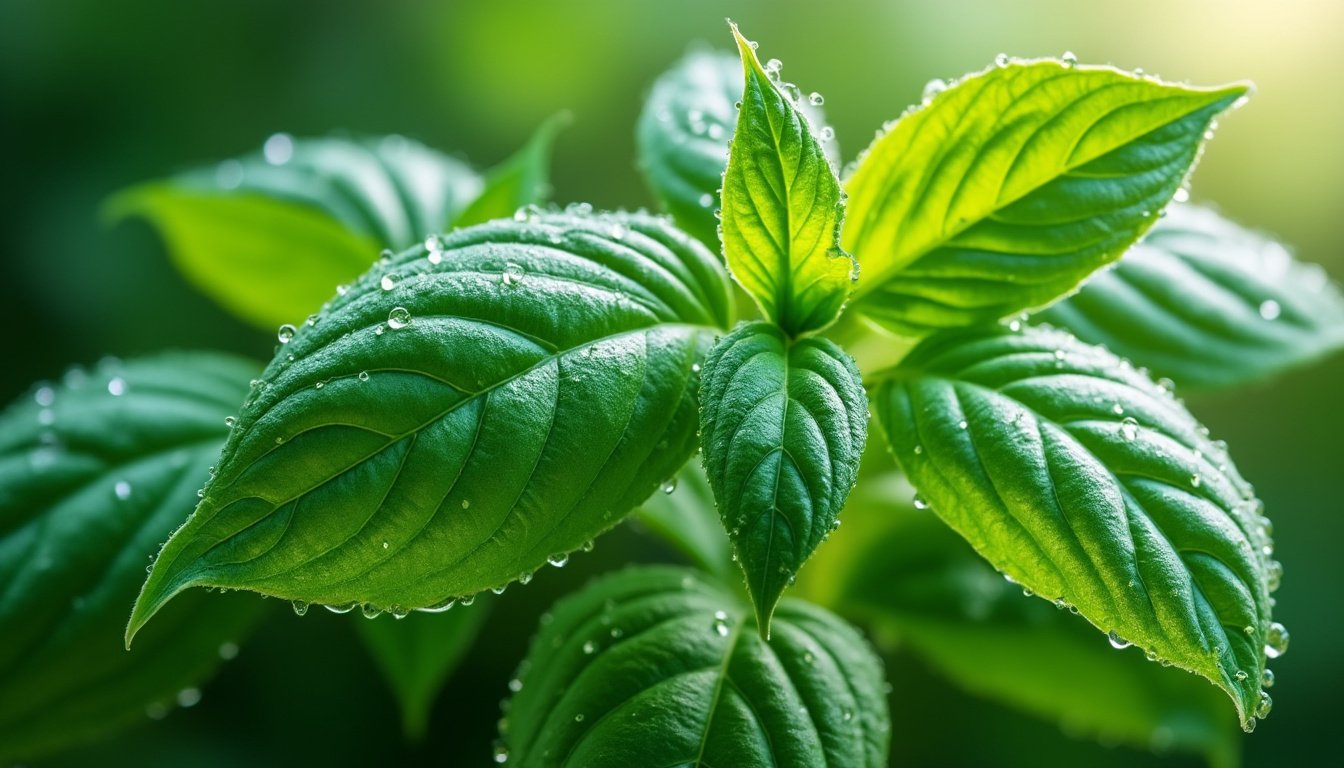
Discovering a Natural Remedy That May Reduce Inflammation, Anxiety, and Blood Sugar
In today’s fast-paced world, stress, blood sugar spikes, and chronic inflammation silently disrupt our health. Many individuals experience lingering stress relief challenges, midday energy slumps, and unexplained aches. Scientists are increasingly exploring how certain herbs can aid in managing these overlapping issues naturally. One promising candidate is holy basil, also known as tulsi, cherished in Ayurvedic medicine for centuries.
Known for its aromatic and potent anti-inflammatory compounds, tulsi is credited with calming anxiety, supporting healthy glucose control, and lowering systemic inflammation. While modern Western research on this herb remains in its early stages, scientific support is mounting and aligns strikingly with traditional claims. Italian and Indian studies even suggest tulsi’s active molecules—such as eugenol and rosmarinic acid—block inflammatory pathways linked to chronic diseases common in 2026.
How Tulsi Modulates Stress and Anxiety Biochemically
Tulsi functions as an adaptogen, helping the body regulate hormonal responses to stress. Elevated cortisol levels, often due to ongoing anxiety, trigger inflammation and unstable blood sugar levels, creating a vicious cycle of discomfort and health risks. A 2022 randomized clinical trial following 100 highly stressed adults revealed that taking 125 mg of tulsi extract twice daily significantly lowered perceived stress scores, improved sleep quality, and reduced cortisol measured in hair. One participant noted, “After just a few weeks, I felt calmer, with fewer sleepless nights and less afternoon slumps.” Such findings suggest the herb’s role extends beyond simple relief to potentially resetting stress-related biochemical imbalances.
Tulsi’s Potential for Blood Sugar Management and Anti-Inflammatory Effects
Unstable blood sugar is intimately connected to low-grade inflammation and metabolic issues, including type 2 diabetes. Limited but compelling evidence indicates that tulsi may help by enhancing insulin sensitivity and reducing post-meal glucose spikes. According to a controlled crossover study cited in the MSD medical manual, patients consuming tulsi leaf preparations experienced modest improvements in fasting and postprandial blood sugar levels. This is likely partly due to reduced cortisol, which itself elevates blood sugar when chronically high.
10 quick checks to spot low-quality supplements before you buy - plus research-backed doses for 12 common ingredients. Free PDF, no spam.
Though broader large-scale studies are still awaited, these promising early results position tulsi as a valuable natural complement to conventional lifestyle measures. “I added tulsi to my daily routine after researching herbal options for glucose control,” shares Marie, a patient living with prediabetes. “It didn’t replace my diet plan but seemed to smooth out my energy crashes.”
Experts caution that while tulsi’s bioactive ingredients have demonstrated anti-inflammatory properties in vitro and in animal models, clinical studies are limited. The herb may reduce inflammation indirectly by easing stress and regulating blood sugar, but it should not replace established treatments for inflammatory diseases.
Practical Tips for Incorporating Tulsi Safely in 2026
Health authorities like the Cleveland Clinic advocate a cautious approach to tulsi use. It is generally safe when consumed as a tea or culinary herb, but concentrated extracts should be taken by adults only under medical supervision, particularly for those with diabetes, pregnancy, or concurrent medication like anticoagulants. Choosing high-quality, standardized herbal supplements is essential—readily explored in guides such as how to choose a safe herbal supplement.
As our understanding grows, tulsi continues to emerge as a potent ally in combating the health burdens of chronic inflammation, anxiety, and blood sugar imbalance. Natural remedies like this herb hold exciting promise for enhancing quality of life with scientific backing slowly catching up to ancient wisdom.
10 quick checks to spot low-quality supplements before you buy - plus research-backed doses for 12 common ingredients. Free PDF, no spam.
