

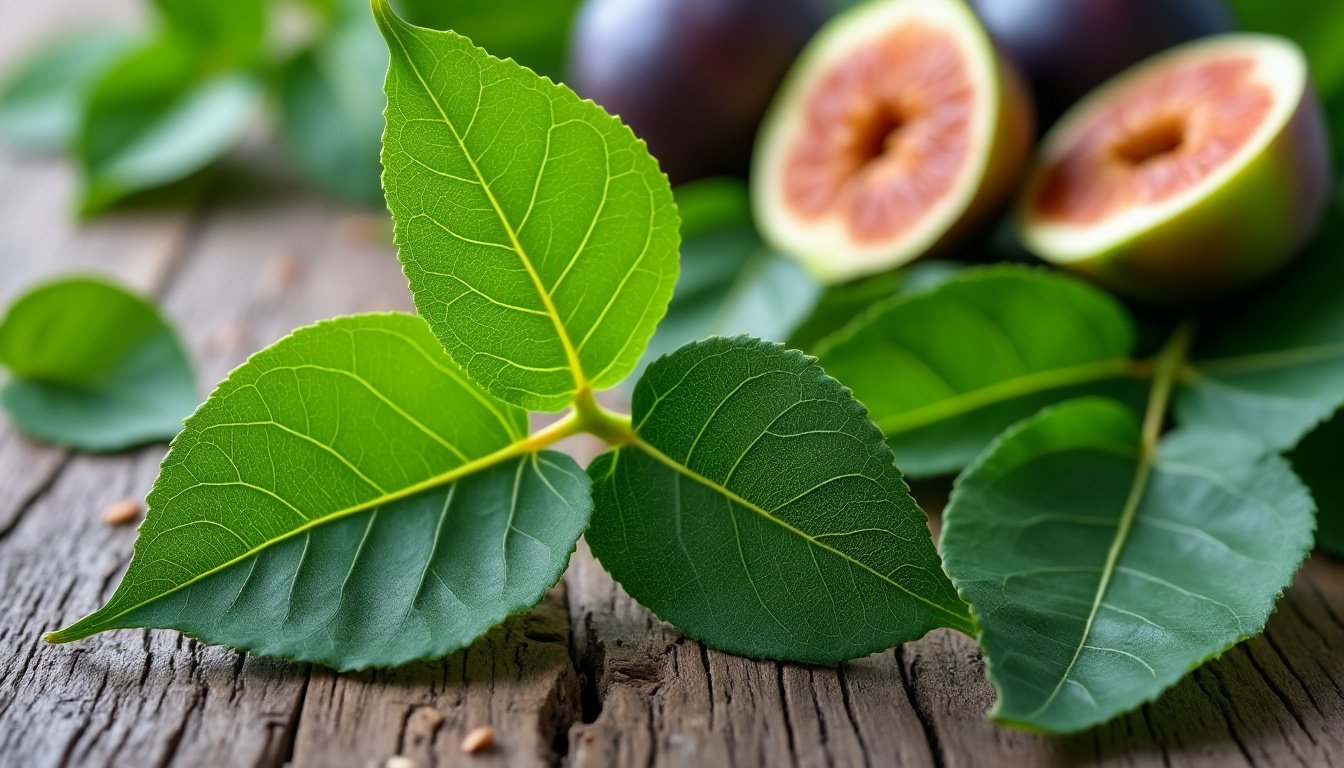
Fig Leaves: A Rediscovered Treasure in Natural Remedies and Herbal Medicine
While figs themselves have gained fame for their sweet flavor and health perks, their leaves—long overshadowed—are now claiming attention for their impressive health benefits. Used traditionally across Mediterranean, Middle Eastern, and Asian cultures, fig leaves have been cherished in herbal medicine for centuries. The secret lies in their rich content of antioxidants, polyphenols, and flavonoids that combat oxidative stress and reduce inflammation. As 2026 unfolds, science begins to support what folklore has long hinted: these leaves may offer support for blood sugar regulation, digestion, and even immune support.
Clara, a long-time herbal enthusiast from Spain, shares, “I started drinking fig leaf tea after hearing about its potential to balance blood sugar. The natural, earthy taste was surprising, but within weeks, I felt more energetic and noticed my digestion improve.”
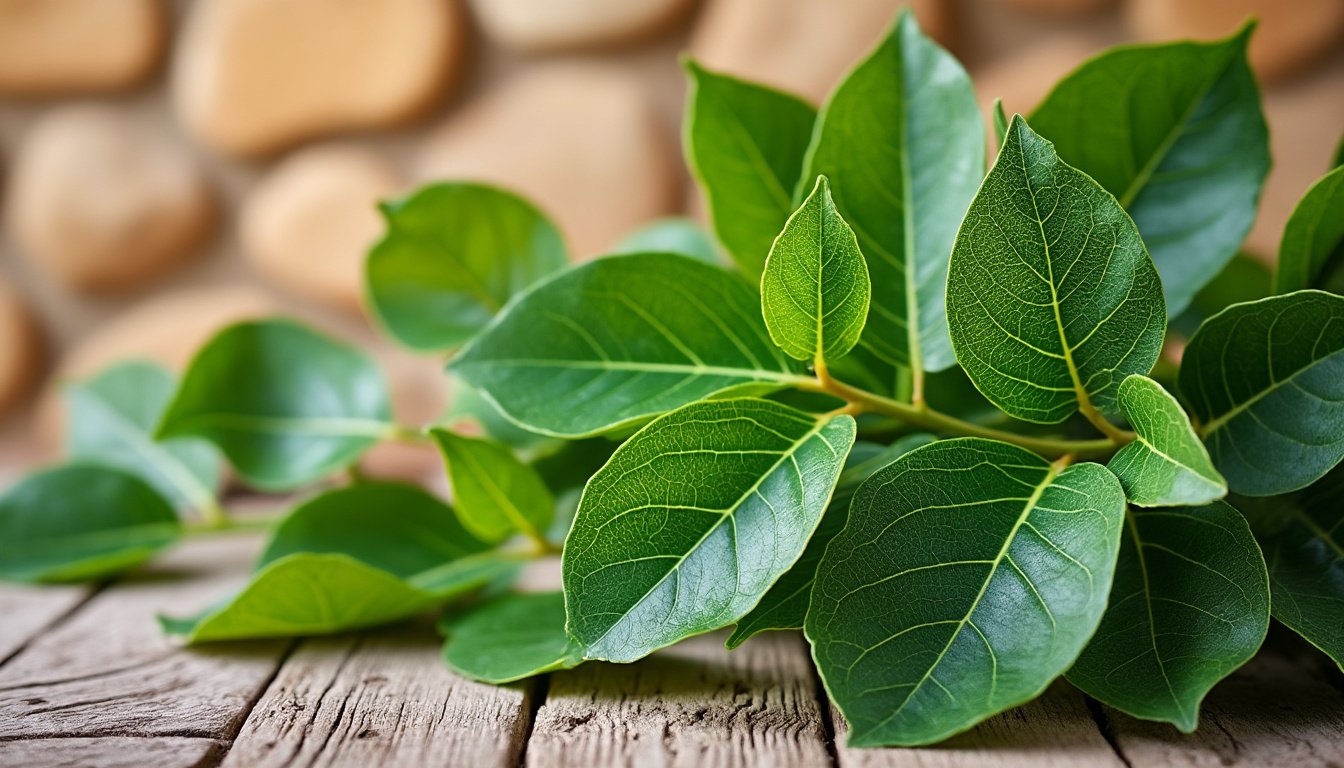
Blood Sugar Management and Digestive Wellness: What Science Suggests
One of the most compelling uses of fig leaves is their purported effect on blood sugar. Traditional remedies recommend consuming fig leaf infusions, either before or after meals, to smooth glucose spikes. Clinical trials have shown promising results, such as a noticeable decrease in post-meal blood sugar levels among type 2 diabetic adults. However, the overall evidence is modest, and experts caution that fig leaves should never replace prescribed antidiabetic medications.
Dr. Anjali Verma, an endocrinologist, emphasizes, “While fig leaves might assist in glycemic control, patients must consult their physician before incorporating them regularly to avoid dangerous hypoglycemia.”
10 quick checks to spot low-quality supplements before you buy - plus research-backed doses for 12 common ingredients. Free PDF, no spam.
Beyond diabetes, fig leaves are lauded for their influence on digestion. They are believed to ease constipation and reduce digestive discomfort, though large-scale studies are scarce. Nutritionists often suggest pairing fig leaf teas with a balanced diet to maximize gut health, offering a natural complement to known digestive aids—a topic explored further in related health articles here.
Balancing Benefits and Cautions: What You Need to Know About Fig Leaves
Despite their natural allure, fig leaves carry risks that merit careful attention. Their potent bioactive compounds can act as anti-inflammatory agents, aiding skin conditions like dermatitis, yet their phototoxic chemicals may provoke skin irritation or burn upon sun exposure. This paradox of healing and harm has been highlighted in recent dermatological studies, urging caution, especially when using fresh leaves topically or handling them outdoors.
Marie, a health blogger, comments, “I tried applying fig leaf paste on my skin after reading about its benefits, but neglected the advice to avoid sunlight—resulting in a red rash that took weeks to fade.”
Pregnant women, breastfeeding mothers, and individuals with allergies should refrain from using fig leaf preparations without medical supervision. Responsible use typically involves short-term teas made from untreated leaves consumed by healthy adults, reinforcing that these natural remedies are adjuncts rather than cures.
For those intrigued by botanical wellness, integrating fig leaves thoughtfully can complement a holistic approach, one that also factors in mindful and lasting healthy habits embraced in 2026’s wellness trends.
Unlocking the Future Potential: Fig Leaves in Modern Health Strategies
Researchers continue to examine fig leaves’ broader impact on heart health, microbial defense, and immune modulation. Early data hint at reduced triglyceride levels and LDL cholesterol, aligning fig leaves with cardiometabolic wellness. There is also interest in their antimicrobial properties against certain bacteria and fungi, opening doors to novel natural therapies.
Integrating nutrients derived from fig leaves into diets could become a complementary strategy in managing chronic diseases, always respecting medical guidance. As interest grows, more robust human studies are necessary to unlock their full potential.
For readers considering adding fig leaves to their health routine, expert advice recommends starting with infusions, monitoring effects closely, and consulting healthcare professionals. This prudent approach ensures that the natural power of fig leaves is harnessed safely within the wider context of scientifically backed health programs such as those fostering heart wellness and metabolic balance discussed on health platforms.
10 quick checks to spot low-quality supplements before you buy - plus research-backed doses for 12 common ingredients. Free PDF, no spam.
