

RFK Jr. Debuts ‘Healthy’ Cooking Show to Promote Affordable Nutrition
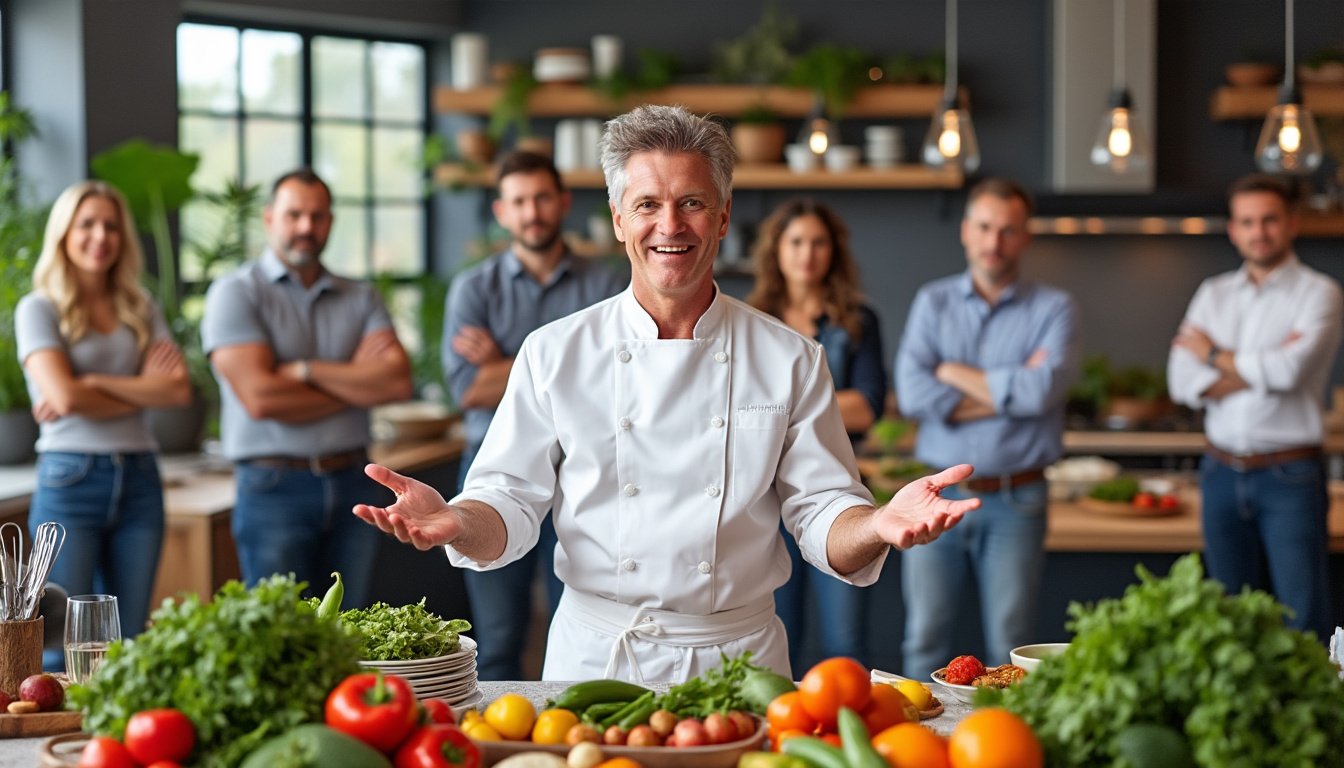
Health and Human Services Secretary Robert F. Kennedy Jr. recently launched a new online cooking series titled The Real Food Show, which aims to redefine how Americans perceive home-cooked meals. The groundbreaking series premiered on YouTube on July 30, 2026, featuring Kennedy alongside celebrity chef Andrew Gruel, known for his expertise in sustainable seafood. Together, they prepared crispy salmon cakes accompanied by a fresh apple, white bean, and green salad, emphasizing whole ingredients and accessible preparation techniques.
This cooking show is integrally linked with RFK Jr.’s broader “Make America Healthy Again” (MAHA) initiative. The core mission is to illustrate that nutritious meals made from unprocessed foods can be both simple and affordable, with a cost target of under $5 per serving. This approach challenges the common perception that healthy eating is expensive and inconvenient, especially for families balancing tight budgets and busy schedules.
The format of the show presents RFK Jr. traveling across the United States, collaborating with a range of celebrity chefs. The presence of recognizable culinary figures such as former Food Network legend Robert Irvine adds credibility and appeal to the series, while reinforcing diverse cooking styles and recipes tailored to different regions and tastes. The integration of visual storytelling and practical cooking advice aims to inspire viewers to adopt healthier eating habits without sacrificing taste or convenience.
Underlying the culinary demonstrations is the promotion of the Trump administration’s recently unveiled “upside-down” food pyramid. This pyramid prioritizes whole proteins, healthy fats, and vegetables at the top while relegating grains and processed carbohydrates to the bottom of the nutritional hierarchy. RFK Jr. supports this radical restructuring, believing it better aligns with modern nutritional science and the goal of combating chronic illness.
10 quick checks to spot low-quality supplements before you buy - plus research-backed doses for 12 common ingredients. Free PDF, no spam.
In essence, this show signals a new wave of television programming focused on the intersection of public health, nutrition education, and culinary arts. It aims not only to entertain but also to transform eating habits across the nation through engaging, practical, and affordable recipe options.
Understanding the Controversy: Mixed Reactions from Critics and Nutrition Experts
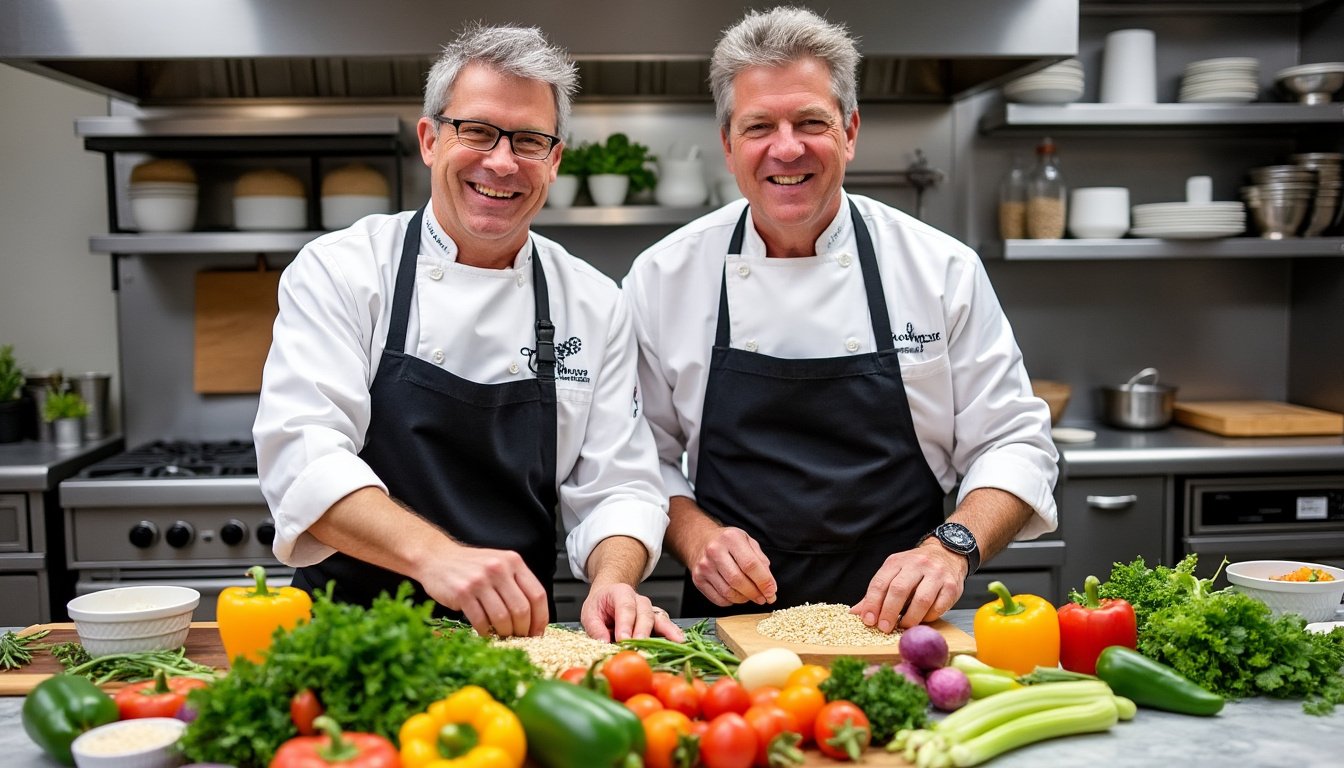
While RFK Jr.’s Cooking Show offers a fresh take on nutrition and healthy eating, it has sparked a wave of scrutiny and even concern among health professionals and medical organizations. Central to the controversy is the revamped food pyramid endorsed by the series, which has been described by critics as an “upside-down” and scientifically questionable guide.
Medical experts, including cardiologists and nutrition scientists, caution that the recommended high consumption of animal fats and proteins may exacerbate the already significant burden of chronic diseases in the U.S., such as heart disease, diabetes, and obesity. They warn that diets rich in saturated fats tend to raise LDL cholesterol levels, which is linked to arterial blockage and elevated cardiovascular risk. Groups such as Defend Public Health have gone so far as to brand the new pyramid as a “cardiologist’s nightmare.”
Despite the focus on eliminating ultra-processed foods—a point warmly welcomed by many nutrition advocates—the visual design and specific nutritional advice promoted on the show have been flagged as potentially dangerous. Critics stress that public adherence to these guidelines without personalized medical supervision might lead to adverse health outcomes, with some calling for more comprehensive scientific review before mass promotion.
The divergence in scientific opinion reflects broader debates in nutrition science about the optimal balance of macronutrients, the role of fats, and appropriate dietary patterns to prevent disease. RFK Jr.’s bold vision contrasts sharply with the cautious, incremental updates favored by mainstream dietary authorities, fueling skepticism and fierce media debate.
Furthermore, the show’s launch has been underpinned by a degree of irony and skepticism given Kennedy’s personal dietary habits. Public knowledge of his lifelong practice of consuming roadkill, a practice he candidly detailed in the early 2000s, has made headlines again. This unusual background adds complexity to the public response, especially since his own diet reportedly favors a strict carnivore approach, heavily reliant on meat and fermented foods like sauerkraut—quite different from the balanced meals portrayed in his television series.
Inside ‘The Real Food Show’: Recipes, Budget-Friendly Meals, and Celebrity Chef Collaborations
The Real Food Show distinguishes itself by emphasizing recipes that cater to families looking for healthy, affordable options. Each episode showcases diverse culinary techniques and dishes that lean heavily on whole, unprocessed ingredients, actively avoiding convenience foods and excessive additives.
For instance, the debut episode’s recipe of salmon cakes made with fresh apples and white beans highlights the use of omega-3 rich fish, fiber-loaded beans, and crisp greens. These ingredients not only cater to heart health but also demonstrate that tasty, nutritious meals need not be complicated or costly. The show stresses how pantry staples and local produce can create dishes that cost less than what one might spend on typical fast-food alternatives.
One of the key selling points is the focus on practical advice for home cooks, including tips for meal prepping, ingredient substitutions, and time-saving cooking hacks. These practical elements make the show accessible for beginners and busy individuals alike.
Behind the scenes, RFK Jr. collaborates with a rotating panel of well-known chefs, such as Andrew Gruel and Robert Irvine, bridging the gap between political figures and culinary professionals. This blend enriches the show’s appeal by combining expertise with charisma. Viewers can learn from chefs recognized for sustainable cooking practices and culinary innovation, creating a diverse tapestry of food culture and education.
Additionally, the series addresses the often-overlooked challenge of cooking for large families or on a strict budget. Each episode ensures that ingredients remain affordable and that recipes can easily scale up without losing flavor or nutritional value. This approach encourages widespread acceptance and adoption of healthier cooking practices in households nationwide.
- Utilizes whole foods, focusing on minimally processed ingredients.
- Makes meals costing under $5 per serving.
- Includes celebrity chefs specializing in sustainable and healthy cooking.
- Offers easy-to-follow cooking techniques applicable for all skill levels.
- Addresses practical nutrition advice suitable for families.
Public Response and Media Coverage: Diverse Opinions Shape the Narrative
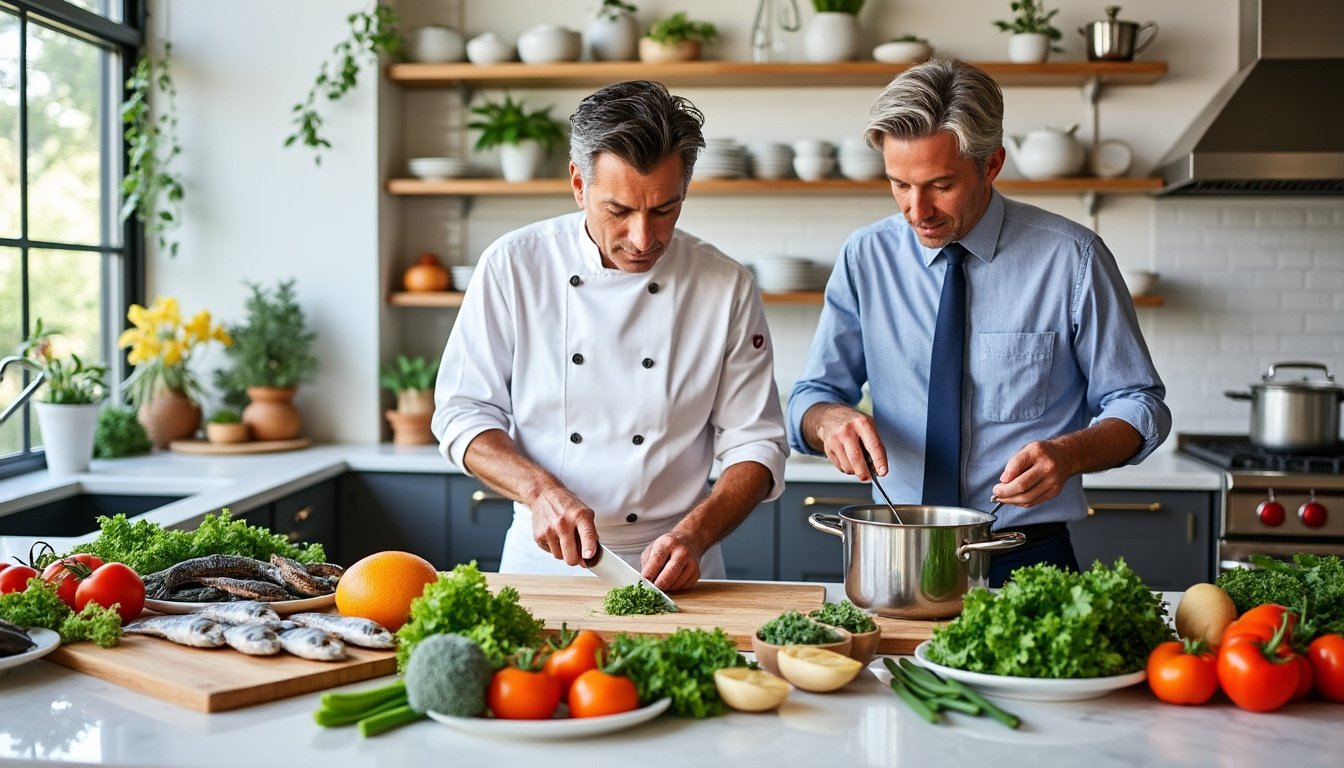
The launch of RFK Jr.’s cooking show has generated a whirlwind of media attention, reflecting the deep divisions in public opinion regarding his approach to nutrition. While some applaud the focus on real food and sensible budgeting, others express unease or outright opposition to the dietary philosophy presented.
On one hand, supporters appreciate how the show encourages Americans to return to home cooking and steer clear of ultra-processed, nutrient-poor options. The emphasis on affordable healthful eating resonates, particularly in a climate of economic uncertainty and rising food prices. Advocates highlight that shows like these contribute positively by inspiring incremental lifestyle changes through entertainment.
Conversely, many nutrition experts and public health officials maintain strong reservations. The debated food pyramid and RFK Jr.’s personal dietary practices spark skepticism. As reported in USA Today, cardiologists worry that the program’s advocacy for high animal fat consumption could reverse decades of progress made in heart disease prevention.
Moreover, the show’s media narrative often highlights the paradox of RFK Jr.’s own unconventional food history, including his admitted practice of consuming roadkill, which has become a subject of both curiosity and concern. While his honesty adds a layer of complexity to his public persona, it also intensifies the challenge for some viewers to accept the show’s nutritional messaging.
Ultimately, the show has succeeded in sparking public discourse on nutrition, diet, and health policy, demonstrating the power of television and digital media to influence perceptions and behaviors. It exemplifies how food programming can transcend entertainment and become a battleground for competing nutritional ideologies.
Exploring the Impact of Celebrity Cooking Shows on Public Health and Nutrition Awareness
The rise of cooking shows led by celebrity figures like RFK Jr. plays a significant role in shaping dietary trends and public understanding of nutrition. The Real Food Show’s combination of political authority and culinary expertise creates a unique platform to reach diverse audiences, from food enthusiasts to health-conscious families.
This intersection of entertainment and education has several impactful facets:
- Increased Accessibility: By hosting recipes that cost less than $5 per serving, the show effectively dispels myths that healthy eating is prohibitively expensive.
- Nutrition Education: The program serves as an informal nutrition class, showcasing the benefits of whole foods and exposing viewers to less processed options.
- Behavioral Change Catalyst: Regular exposure to healthy meal preparation encourages audiences to experiment with similar dishes, promoting lasting lifestyle changes.
- Debate and Awareness: The controversies surrounding the revamped food pyramid and Kennedy’s dietary stances invite necessary conversations about public health priorities.
- Celebrity Influence: Celebrity chefs bring credibility and excitement, motivating viewers to trust and engage with nutritional advice through familiar faces.
Despite mixed reviews, the broader impact of such shows is undeniable. Food television increasingly transcends entertainment, becoming a pivotal tool for public health communication. It helps demystify nutrition while encouraging personal responsibility for diet and wellness.
Looking ahead, programs like The Real Food Show may continue to evolve, incorporating scientific feedback and viewer engagement to enhance their format and messaging. They signify a trend where food media blends cultural trends, politics, and health education to craft compelling narratives that matter to millions across the nation.
What is the main goal of RFK Jr.’s The Real Food Show?
The show aims to demonstrate that preparing healthy, affordable meals from whole, unprocessed ingredients can be simple and accessible, with a cost target of under $5 per serving.
Why has the updated food pyramid caused controversy?
Critics argue that the pyramid’s emphasis on high animal fat consumption may increase the risk of heart disease by raising LDL cholesterol levels, diverging from established dietary guidelines.
How does RFK Jr.’s personal diet differ from the show’s recipes?
While promoting balanced nutrition on the show, RFK Jr. reportedly follows a strict carnivore diet, mainly eating meat and fermented foods, which contrasts with the show’s emphasis on a balanced plate including vegetables and healthy fats.
Who are some of the celebrity chefs featured on The Real Food Show?
The series features chefs like Andrew Gruel and Robert Irvine, who specialize in sustainable seafood and healthy cooking techniques, respectively.
Where can viewers watch The Real Food Show?
The cooking show is available on YouTube and the Health and Human Services (HHS) official website, providing easy access to all episodes for free.
10 quick checks to spot low-quality supplements before you buy - plus research-backed doses for 12 common ingredients. Free PDF, no spam.
