

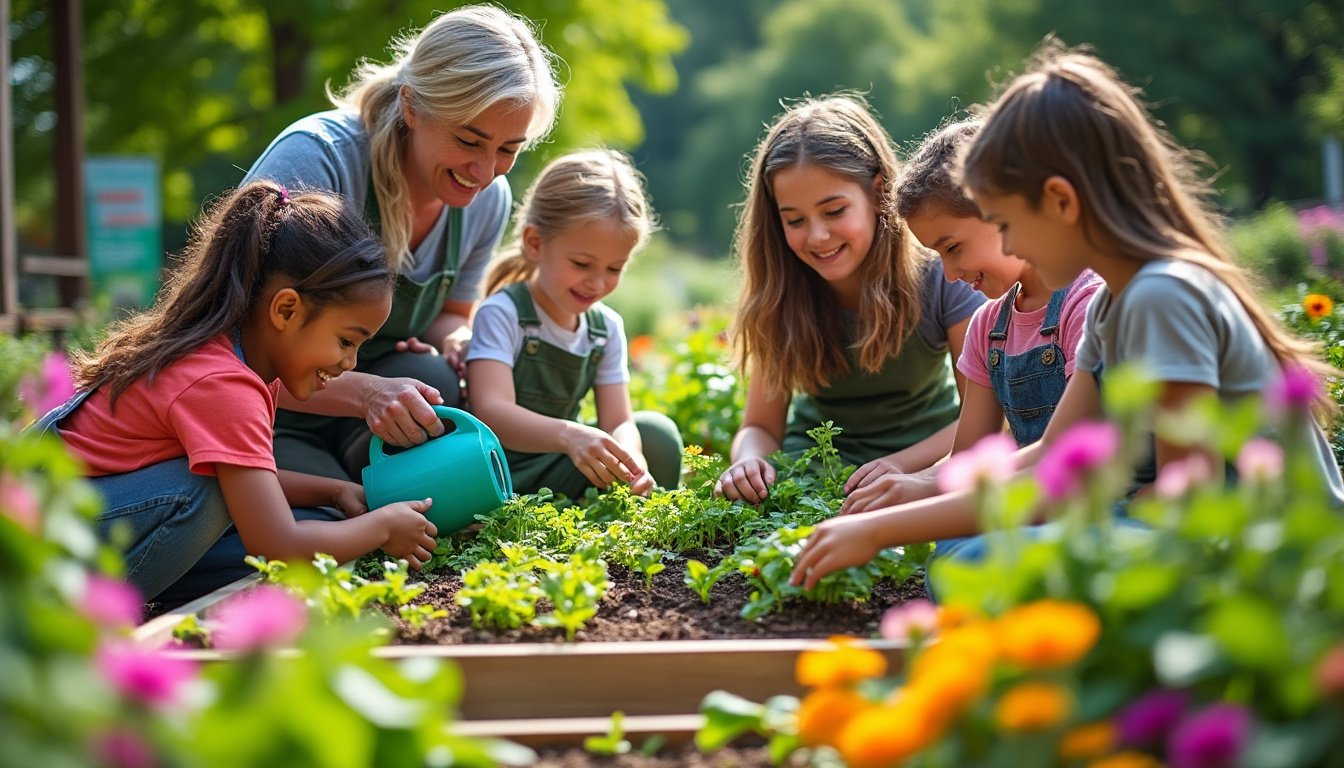
Empowering Young Learners Through Master Gardeners’ Gardening Education
The impact of gardening education on young learners is profound, especially when guided by experienced Master Gardeners. These dedicated volunteers and professionals bring decades of horticultural knowledge into classrooms and community gardens, making learning interactive and meaningful. By engaging children hands-on, they help foster an early connection with nature while instilling important healthy habits that can last a lifetime.
Master Gardeners play a unique role in youth engagement by teaching children how to cultivate plants, understand the science behind growth cycles, and appreciate the environment’s delicate balance. This form of outdoor learning strengthens children’s attention spans and nurtures their curiosity. For instance, when children plant seeds and watch seedlings sprout, it builds patience and responsibility—traits crucial for their overall development.
One notable benefit is the way gardening education enhances children’s knowledge of nutrition awareness. For example, students who grow their own fruits and vegetables have a deeper appreciation for healthy food choices. Educational programs, like the Junior Master Gardener curriculum, designed for youth, marry plant care with lessons about the importance of eating fresh, home-grown produce. This hands-on experience bridges the gap between theory and practice, demonstrating that food comes from the soil, not just supermarket shelves.
Beyond physical health, Master Gardeners teach environmental stewardship—helping young learners understand sustainable gardening practices such as composting and water conservation. These lessons help children become conscious of their environmental footprint early on, fostering a sense of responsibility toward the planet. According to the Children & Nature Network, incorporating gardening activities into early care settings provides not only physical exercise but also social-emotional benefits, encouraging cooperation and teamwork among peers.
10 quick checks to spot low-quality supplements before you buy - plus research-backed doses for 12 common ingredients. Free PDF, no spam.
For example, in San Angelo, Texas, the Tom Green County Master Gardeners offer weekly gardening lessons at Glenmore Elementary School that demonstrate how to grow food sustainably. These programs have shown dramatic improvements in students’ awareness of plant life cycles and the role of insects in pollination. The children also connect with adults who mentor them, forming bonds that enhance social development alongside academic progress.
The evidence supporting the benefits of gardening education continues to grow. Research highlighted by the Cornell Garden-Based Learning program reveals that children participating in garden projects develop enhanced communication skills and greater confidence in their ability to care for living things. This holistic approach to learning combines science, nutrition, and social skills in a cohesive way.
Overall, Master Gardeners offer more than just horticultural knowledge; they cultivate a lifelong passion for nature, health, and community through their work with young learners. Their expertise transforms gardens into rich classrooms where children not only learn about plants but also internalize lessons that promote healthier lifestyles and sustainable thinking.
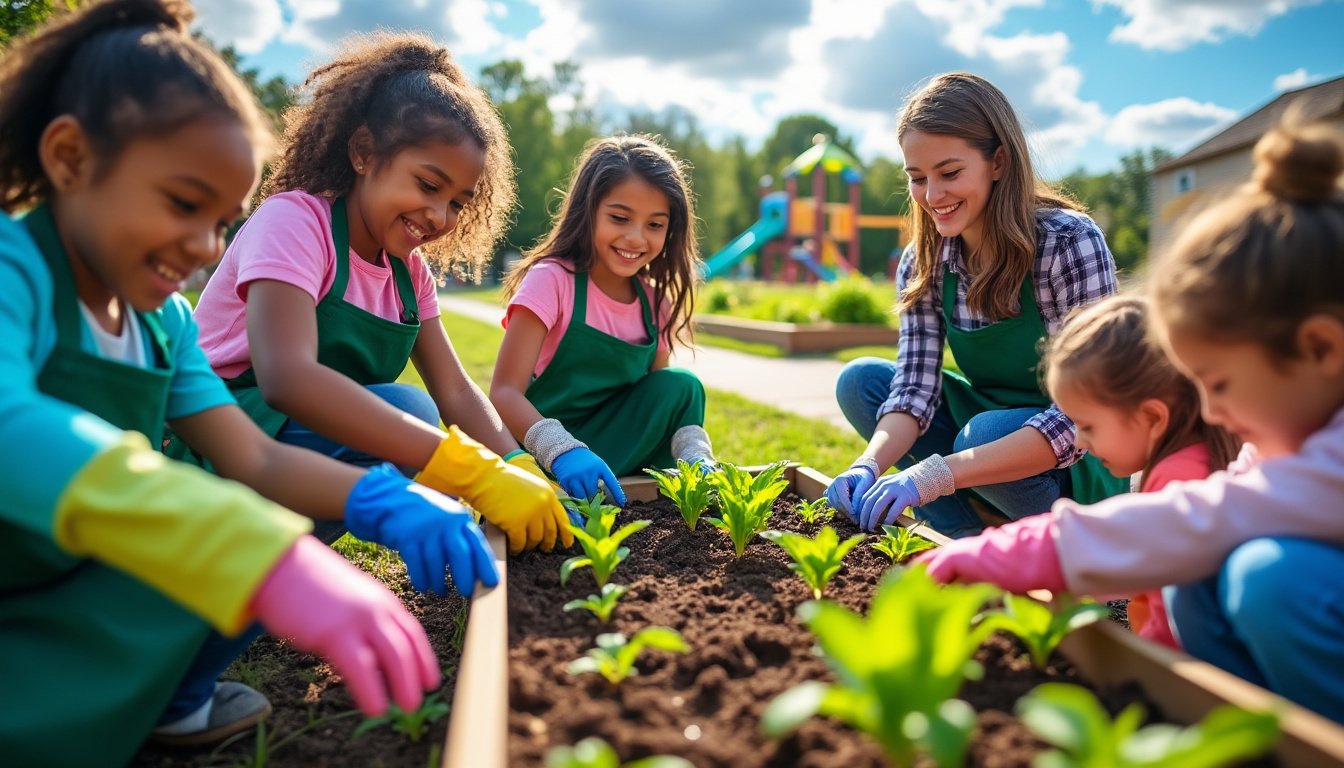
Developing Healthy Habits in Children Through Hands-On Gardening Experiences
One of the most visible achievements of Master Gardeners working with young learners is the cultivation of healthy habits. When children actively participate in gardening, they improve their physical activity, increase their consumption of fruits and vegetables, and develop a respectful attitude towards food and the environment. These habits often ripple out to families and communities, creating a wider culture of health and wellness.
Gardening promotes physical activity that is gentle yet effective for children. Digging, planting, watering, and harvesting require moderate continuous movement, which contributes to overall fitness and endurance. Unlike sedentary indoor activities, gardening connects children to the outdoors, promoting better mood and reducing stress through exposure to sunlight and fresh air.
In terms of nutrition, garden-based programs have shown remarkable results in improving children’s dietary choices. The Growing Healthy Kids curriculum, for example, combines garden activities with direct nutrition education to encourage the consumption of vegetables and fruits. Children who grow their own produce are more likely to try and enjoy these foods, therefore improving their nutrient intake. Such programs are especially impactful during early school years when dietary preferences begin to solidify.
Beyond nutrition, gardening experiences nurture important life skills. Children learn to set goals, maintain routines like watering plants daily, and develop patience by waiting for crops to mature. These skills contribute to enhanced self-control and planning abilities—critical for academic success and personal growth. Furthermore, the social nature of garden groups empowers youth to collaborate and communicate effectively with peers and adults.
Examples abound demonstrating these practices in action. Many schools have integrated garden projects as part of their curriculum and have observed increased engagement in science classes alongside better classroom behavior. Students who participate in gardening tend to exhibit a stronger sense of responsibility and pride in their accomplishments. This is amplified when they share their garden harvest with their families, creating a sense of community contribution.
These positive outcomes underscore the significance of activities like those promoted by the Junior Master Gardener program—which blends technical gardening education with a focus on fostering appreciation for the environment. The program encourages children to care for plants while learning about composting, reducing waste, and other sustainable practices.
In conclusion, the role of Master Gardeners is vital in guiding young learners toward lifelong healthy habits. The blend of physical activity, nutrition awareness, and environmental stewardship embedded in gardening education contributes robustly to children’s holistic development. This approach not only enhances well-being but also cultivates empowered individuals ready to champion sustainability.
The Importance of Youth Engagement in Promoting Environmental Stewardship
Environmental stewardship is a core message transmitted through gardening programs led by Master Gardeners. Engaging young learners in plant care and sustainable practices helps nurture a deeper respect for the earth—a crucial need as environmental challenges become more urgent across the globe.
When children participate directly in gardening, they observe firsthand how plants grow, how beneficial insects help pollinate flowers, and how water and soil quality influence life. These experiences cultivate environmental literacy, teaching youth the value of conservation and biodiversity. This early engagement often inspires future participation in environmental advocacy and sustainable lifestyles.
Master Gardeners utilize teaching moments to explain environmental concepts in accessible ways. For example, lessons on composting illustrate how organic waste can become nutrient-rich soil rather than contributing to landfill mass. Educational programs may also cover the importance of native plants in supporting local wildlife. Such knowledge encourages children to become active participants in protecting their natural surroundings.
Organizations like the American Horticultural Society’s Youth Educators program reinforce the importance of inspiring the next generation of gardeners and environmental stewards. They provide resources and training for educators to develop rich gardening experiences that highlight ecosystem interconnections and human impact. Youth involved in these programs often develop a lifelong passion for planet-friendly choices.
Furthermore, connecting children with gardening reinforces sustainable practices through practical lessons. Water conservation methods, such as drip irrigation or mulching, demonstrate resource efficiency while gardening tasks show how minimizing chemical use supports healthier soils and pollinator populations. These practices help young learners understand the balance needed to maintain thriving green spaces.
The environmental stewardship cultivated by Master Gardeners also aligns with broader educational goals around climate awareness and sustainability. Children who care for gardens learn important lessons about ecosystem services, carbon sequestration by plants, and food security. Growing food locally reduces carbon footprints associated with transportation and packaging.
This emphasis on youth engagement ensures that children become empowered caretakers, equipped to build healthier communities and ecosystems in the future. With programs designed to blend gardening education with ecological mindfulness, Master Gardeners serve as vital mentors in fostering this crucial awareness.
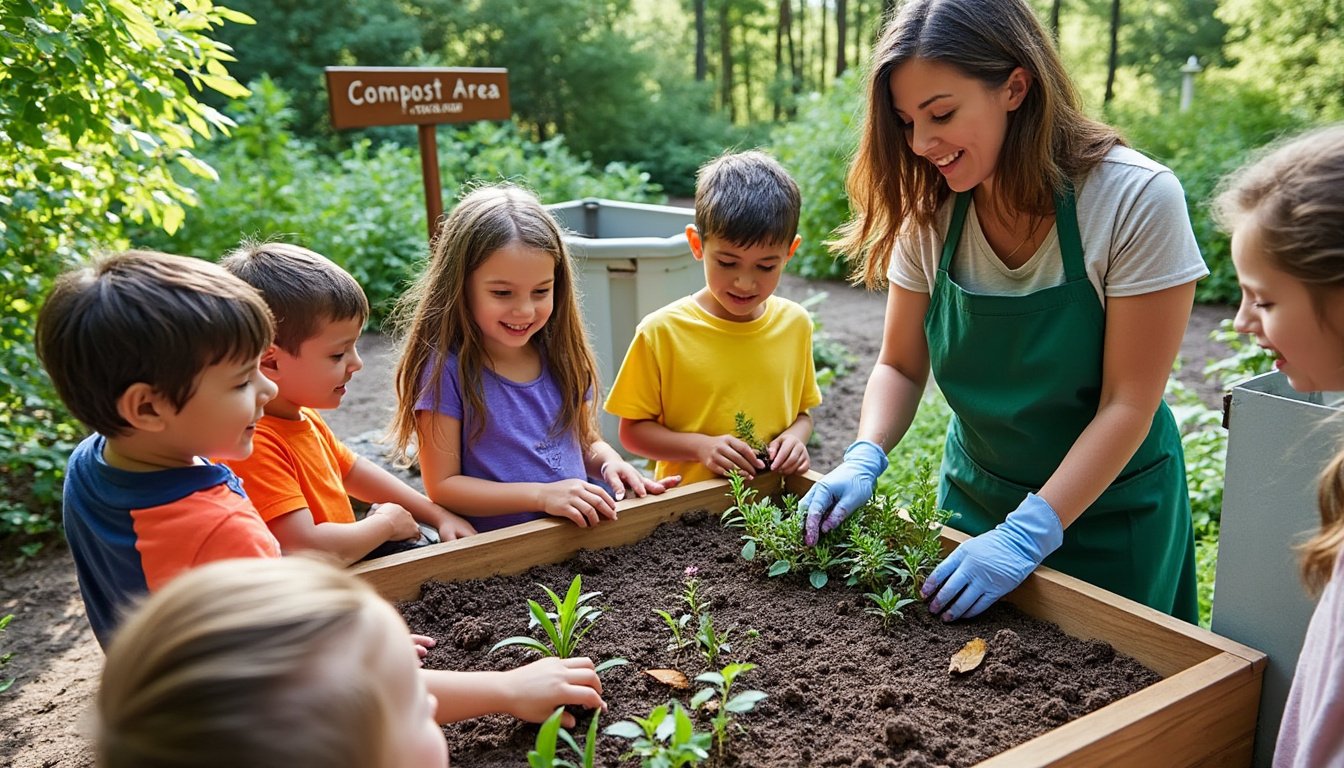
Integrating Gardening Education with Nutrition Awareness for Lasting Impact
One of the most effective strategies Master Gardeners use to promote healthy habits is integrating gardening education with nutrition awareness. This holistic approach helps young learners connect what they grow with what they eat, empowering them to make better food choices based on firsthand experience.
Nutrition-focused gardening programs, such as the Growing Healthy Kids curriculum, combine planting lessons with discussions about vitamins, minerals, and the benefits of plant-based diets. Children learn which vegetables improve eye health, build strong bones, or boost immunity, linking biology with diet in practical terms.
The act of harvesting their own produce fosters pride in children and encourages them to taste and enjoy vegetables they might otherwise avoid. Involving students in meal preparation using garden harvests bridges garden education with culinary skills, creating a more comprehensive understanding of nutrition.
Moreover, nutrition awareness extends beyond physical health to mental well-being. Studies show that diets rich in fruits and vegetables correlate with improved mood and cognitive function. By nurturing children’s interest in healthy foods, gardening programs contribute indirectly to better academic performance and emotional resilience.
Master Gardeners often partner with schools and local organizations to create sustainable gardening programs that supply fresh produce for school cafeterias or community food banks. For example, the UC Master Gardener Program supports gardening initiatives that teach students and staff how to sustainably grow and harvest food, emphasizing plant-based nutrition’s role in public health.
These programs also promote equity by ensuring that children from diverse backgrounds gain access to fresh, nutritious foods while learning vital skills. The combination of nutrition education and gardening cultivates knowledge, self-sufficiency, and empowerment, which can help combat diet-related health disparities.
By instilling nutritional literacy alongside horticultural skills, Master Gardeners enrich traditional education. This dual-focus approach transforms children into informed consumers and caretakers of their health and environment.
Best Practices for Sustainable Gardening and Youth Engagement Led by Master Gardeners
Successful gardening programs for young learners rely heavily on sustainable practices and engaging youth effectively. Master Gardeners are uniquely qualified to model and instruct in these areas, ensuring the educational benefits extend far beyond the garden bed.
Some of the best practices include:
- Establishing age-appropriate gardening tasks: Younger children may focus on seed planting and watering, while older kids learn about soil health, pest management, and garden design.
- Integrating interdisciplinary learning: Combining science, math, art, and nutrition creates a richer educational tapestry and strengthens knowledge retention.
- Encouraging community involvement: Involving parents, teachers, and local organizations fosters a supportive environment and amplifies program impact.
- Teaching sustainable techniques: Using organic fertilizers, companion planting, and water-efficient irrigation minimizes environmental impact and teaches stewardship.
- Providing continuous mentorship: Regular contact with Master Gardeners builds skills, confidence, and accountability over time.
Outdoor learning spaces need to be carefully planned to maximize exposure to varied plant types and natural elements, stimulating children’s senses and curiosity. Successful programs often incorporate creative elements, like pollinator gardens or sensory pathways, providing multifaceted learning experiences.
Moreover, youth engagement thrives when children are given autonomy to make decisions about their gardening projects. This empowerment builds leadership and initiative, essential qualities for future environmental advocates.
The synergy of plant care, sustainability, and active learning helps youth establish a deep relationship with nature that promotes lifelong environmental responsibility. Master Gardeners, as mentors and educators, thus serve a critical role in nurturing this next generation of gardeners and eco-conscious citizens.
For gardening programs seeking evidence-based guidelines and tools, resources from Cornell University’s Garden-Based Learning and the Junior Master Gardener program offer comprehensive support to educators and volunteers alike. These resources provide lesson plans, research findings, and practical strategies for youth engagement and garden management.
By following these best practices, gardening education under the guidance of Master Gardeners ensures not only the growth of plants but also the growth of healthy, knowledgeable, and environmentally conscious young citizens.
What age group benefits most from Master Gardener-led gardening education?
While gardening education can benefit all ages, programs like the Junior Master Gardener curriculum are especially tailored for children in elementary grades, around 2nd to 5th grade, helping them build foundational skills and healthy habits early.
How does gardening improve children’s nutrition awareness?
Gardening teaches children where food comes from and encourages them to taste and appreciate fresh vegetables and fruits they have grown themselves, leading to improved dietary choices and nutrition literacy.
In what ways do Master Gardeners promote environmental stewardship among youth?
They demonstrate sustainable gardening practices such as composting, water conservation, and native planting, fostering a sense of responsibility for the environment and ecological awareness in children.
Can gardening education help children with learning disabilities?
Yes, studies show that gardening enhances communication skills, cooperation, and sensory engagement among children with learning disabilities, providing therapeutic and educational benefits.
What resources are available for educators to implement garden-based learning?
Programs like the Junior Master Gardener and Cornell Garden-Based Learning provide lesson plans, training, and research insights that support educators in delivering effective gardening education to young learners.
10 quick checks to spot low-quality supplements before you buy - plus research-backed doses for 12 common ingredients. Free PDF, no spam.
