

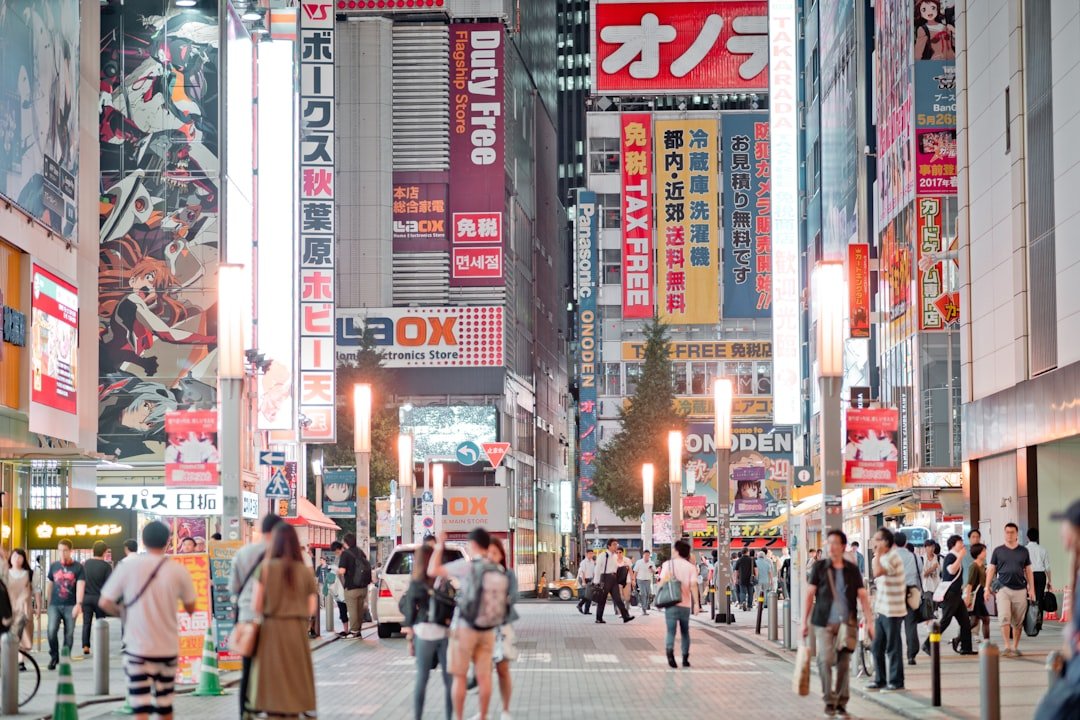
Picture the ethereal beauty of Kyoto in the gentle light of spring, where ancient temples stand as silent guardians over blooming cherry blossoms. For many globetrotters navigating their golden years, exploring the Land of the Rising Sun is a long-awaited dream finally coming to fruition in 2026. Yet, behind the serene landscapes and impeccable hospitality lies a labyrinth of unforeseen medical realities that can quickly turn a peaceful retreat into a stressful ordeal.
As our bodies mature, our immune defenses and physical resilience require more thoughtful preparation before crossing oceans. The thrilling anticipation of sipping matcha in a tranquil garden can sometimes blind us to the invisible stowaways waiting in crowded city centers or rural hiking trails.
From strictly enforced pharmaceutical regulations that could see common cold remedies confiscated, to seasonal viral surges in densely populated metropolises, the journey demands astute foresight. Financial implications are equally critical, as out-of-pocket medical expenses in foreign facilities can drain retirement savings without warning.
Understanding the nuances of local healthcare infrastructure, updating childhood immunizations, and knowing exactly how to handle personal prescriptions are absolute necessities. Preparing your health portfolio is just as vital as booking your flights, ensuring your far-east adventure remains a tale of wonder rather than a cautionary medical narrative.
10 quick checks to spot low-quality supplements before you buy - plus research-backed doses for 12 common ingredients. Free PDF, no spam.
In short: Your everyday over-the-counter allergy and sinus medications might be strictly illegal under local anti-stimulant laws. Updating your immunization record for respiratory and infectious diseases is a critical shield for mature immune systems facing crowded tourist hubs.
Furthermore, securing comprehensive medical insurance is the only way to avoid the astronomical out-of-pocket costs associated with the country’s high-quality healthcare system. Finally, rural excursions require specific vigilance against altitude sickness and insect-borne illnesses like dengue fever.
Navigating Strict Pharmaceutical Laws and Financial Healthcare Realities in Japan
Stepping off the plane in Tokyo should be a moment of pure exhilaration, not the beginning of a legal nightmare at customs. Many travelers are completely unaware that common relief remedies purchased freely in Western pharmacies are classified as illegal substances under strictly enforced anti-stimulant laws. Routine medications containing pseudoephedrine for sinus issues, certain codeine-based pain relievers, and even simple Vicks inhalers can lead to immediate detention and deportation.
It is paramount to verify every single pill and syrup with the official embassy resources long before your departure date. Beyond the legal hurdles, the financial architecture of the local medical system is a formidable beast.
While the clinical facilities boast world-class technology and highly trained professionals, treatments are exorbitantly expensive and require full payment upfront from visiting foreigners. Relying on basic domestic coverage is a gamble that could erase years of careful financial planning in a matter of hours. Securing robust, specialized travel insurance that covers emergency medical evacuation is the ultimate armor against these financial thunderstorms.
Always carry a meticulously organized health kit that complies with international regulations while providing essential first-aid relief. Reading up on handling travel medications safely can provide invaluable strategies for keeping your prescriptions clearly labeled and legally sound during transit. If the unexpected happens, dial 119 to summon an ambulance, but be prepared for paramedics to verify your insurance status before proceeding to a hospital.
Shielding Mature Immune Systems Against Airborne and Contagious Threats
As we navigate our golden years, our immune memory occasionally needs a gentle reminder to fight off historical pathogens. Crowded bullet trains and bustling indoor markets are perfect breeding grounds for respiratory invaders, especially during the peak winter months when influenza and norovirus cases spike dramatically. The highly contagious nature of measles, mumps, and rubella means that even a brief encounter in a busy tourist district can lead to severe complications.
Checking your childhood vaccination records and consulting a physician for necessary booster shots is a critical step in your pre-departure choreography. We must also consider the lingering global presence of evolving respiratory viruses in 2026, making updated COVID-19 boosters a wise addition to your biological defense strategy.
Diseases like pertussis, commonly known as whooping cough, and highly transmissible meningococcal infections thrive in mass gatherings and can cause rapid deterioration in older adults. Furthermore, adults who have never experienced varicella face severe risks if exposed, emphasizing the need for comprehensive immunological reviews.
Immunization Timelines and Essential Medical Checklists
Timing your medical consultations is just as important as the treatments themselves, as many vaccines require multiple doses spaced weeks apart. Initiating this dialogue with your healthcare provider at least eight weeks prior to boarding your flight ensures optimal antibody development. Polio, while eradicated locally, remains a global travel consideration, and maintaining immunity protects both yourself and the communities you visit.
| Infectious Disease Threat | Transmission Method | Recommended Preventive Action |
|---|---|---|
| Measles and Rubella | Airborne particles and respiratory droplets | Verify childhood records and secure two vaccine doses |
| Seasonal Influenza and COVID-19 | Aerosols in crowded or poorly ventilated spaces | Annual specific boosters suited for the 2026 variants |
| Meningococcal Infection | Droplets during group travel and mass gatherings | Specific immunization depending on the bacterial serotype |
| Tetanus | Bacterial entry through open skin wounds | Booster shot if the last administration exceeds ten years |
Rural Excursions and Unforeseen Environmental Health Hazards
Escaping the neon glow of the metropolis to explore ancient pilgrimage routes or alpine hot springs introduces a different spectrum of environmental challenges. Trekking through the majestic Japanese Alps or ascending the slopes of Mount Fuji presents a very real risk of altitude sickness, an affliction that cares little for your physical fitness level.
The thinning air can cause severe headaches, nausea, and disorientation, requiring immediate descent and rest to prevent life-threatening complications. Pacing your ascent and staying incredibly well-hydrated are your best defenses against the invisible grip of the high altitudes.
Moreover, the lush, temperate forests and vibrant bamboo groves harbor tiny, biting adversaries that carry significant health implications. Ticks in rural grasslands and mosquitoes in warmer southern regions can transmit illnesses ranging from severe encephalitis to sudden dengue fever. Wearing long, breathable fabrics and meticulously applying specialized repellents creates a necessary barrier between your skin and the vibrant local ecosystem.
Practicing proper hygiene and reviewing organizing medical supplies effectively ensures you have the right topical treatments available if an insect does breach your defenses. Finally, engaging in outdoor agricultural or hiking activities increases the likelihood of minor cuts and scrapes, opening the door for tetanus bacteria residing in the soil. A simple stumble on a mossy shrine path can become a severe medical emergency if your tetanus immunity has lapsed over the past decade.
10 quick checks to spot low-quality supplements before you buy - plus research-backed doses for 12 common ingredients. Free PDF, no spam.
