Close Menu
    Follow us on Google News
    Follow Livewell Magazine on Google News
    Facebook X (Twitter) Instagram
    LiveWell Magazine
    Facebook
    Follow LiveWell Magazine on Google News
    • Cancer

      What are the key actions you should take following a mesothelioma diagnosis?

      June 19, 2026

      The “Silent Killer”: 2 Hidden Signs of Pancreatic Cancer You Can Spot Years in Advance

      April 20, 2026

      Barry Manilow Opens Up About Embracing Healthier Lifestyle Choices During His Cancer Battle

      April 8, 2026

      Healthy Dad’s Unexpected Cancer Diagnosis Revealed After Ignoring Nighttime Bathroom Trips: ‘A Heartbreaking Surprise’

      February 22, 2026

      BREAKING NEWS: Gene therapy for sickle cell disease: a medical breakthrough still out of reach for many

      December 29, 2025
    • Fitness

      Unveiling the Science Behind Why Exercise Feels Tough for Many: Insights and Solutions

      June 27, 2026

      How can you revitalize your cardiovascular health with 8 engaging cardio tips for the reluctant fitness enthusiast?

      June 26, 2026

      Easy Habits to Make Your Workouts Feel Effortless

      June 25, 2026

      What are the top 5 strategies to walk faster and torch more calories?

      June 24, 2026

      Which workout reigns supreme in the ultimate fitness challenge?

      June 15, 2026
    • Health

      How to choose a supplement for dizziness and balance problems

      July 10, 2026

      How vestibular supplements work: Science behind balance and dizziness relief

      July 10, 2026

      Causes of vertigo: Common triggers and when to see a doctor

      July 10, 2026

      How to choose a joint supplement: Evidence-based checklist for better mobility

      July 10, 2026

      How collagen, glucosamine and turmeric work to support mobility

      July 10, 2026
    • Lifestyle

      When Good Intentions Go Wrong: Personal Stories of Healthy Habits That Backfired

      July 11, 2026

      Master Gardeners Inspire Healthy Habits Among Young Learners

      July 10, 2026

      How Healthy Eating Habits Can Shield Your Brain from Aging – Insights from CNN

      July 7, 2026

      Habits to Steer Clear of After 5 P.M. for Better Blood Pressure Control

      July 6, 2026

      Tiny Habits That Can Transform Your Well-Being and Boost Your Happiness

      July 5, 2026
    • Nutrition

      Top 10 Most Beneficial Teas to Sip, Backed by Nutrition Experts

      July 12, 2026

      Daily Avocado Toast: What Registered Experts Reveal About Its Impact on Your Health

      July 8, 2026

      The Ideal After-Dinner Drink for Managing High Cholesterol

      July 6, 2026

      What are the top 5 scientifically proven drinks to reduce your cholesterol?

      June 26, 2026

      What are the unexpected perks of broccoli for your hormonal harmony?

      June 23, 2026
    • Senior

      Doctors Reveal the Key Mindset Shift That Boosts Health After 65

      July 6, 2026

      How is the rise of telehealth benefiting senior citizens?

      June 4, 2026

      What are the essential approaches for promoting high-quality senior care and independence?

      May 6, 2026

      Nurturing Your Gut After 50: 7 Essential Habits for Lasting Digestive Wellness

      April 3, 2026

      Nourishing Your Golden Years: 10 Essential Nutrition Habits to Promote Healthy Aging and Maintain Independence After 60

      March 27, 2026
    • Trends

      Why is Zhiyin Zhou advocating for a human-centered approach in AI healthcare evolution?

      June 25, 2026

      What are the innovative approaches to autism therapy by psychologist Valeriia Manchuk?

      June 15, 2026

      What are the innovative techniques in permanent makeup for aesthetic and restorative purposes?

      June 2, 2026

      How could the 7 surprising travel trends of 2026 disrupt your wellness plans and how can you navigate them?

      April 15, 2026

      Which innovative skincare trends will shape the industry in 2026 according to Uliana-Sofiia Savchenko?

      April 6, 2026
    • Wellness

      Dr. Oz Shares 3 Simple, Medication-Free Strategies to Enhance Your Health for Free

      July 12, 2026

      How will new European taxes to combat overtourism affect your travel wellness?

      June 26, 2026

      How could the travel advisory for Nepal amid political turmoil affect your travel wellness?

      June 25, 2026

      How will American Airlines’ new luxury experience impact your travel wellness?

      June 23, 2026

      Mindful Glow: How Meditation Enhances Your Skin’s Natural Radiance – AOL

      June 17, 2026
    Subscribe
    LiveWell Magazine
    Home»Sleep & Recovery»Sleep hygiene: the secret to optimal health and performance
    Sleep & Recovery

    Sleep hygiene: the secret to optimal health and performance

    Amelie GoujonBy Amelie GoujonNo Comments
    Facebook Twitter Email WhatsApp Pinterest LinkedIn Reddit Telegram Threads
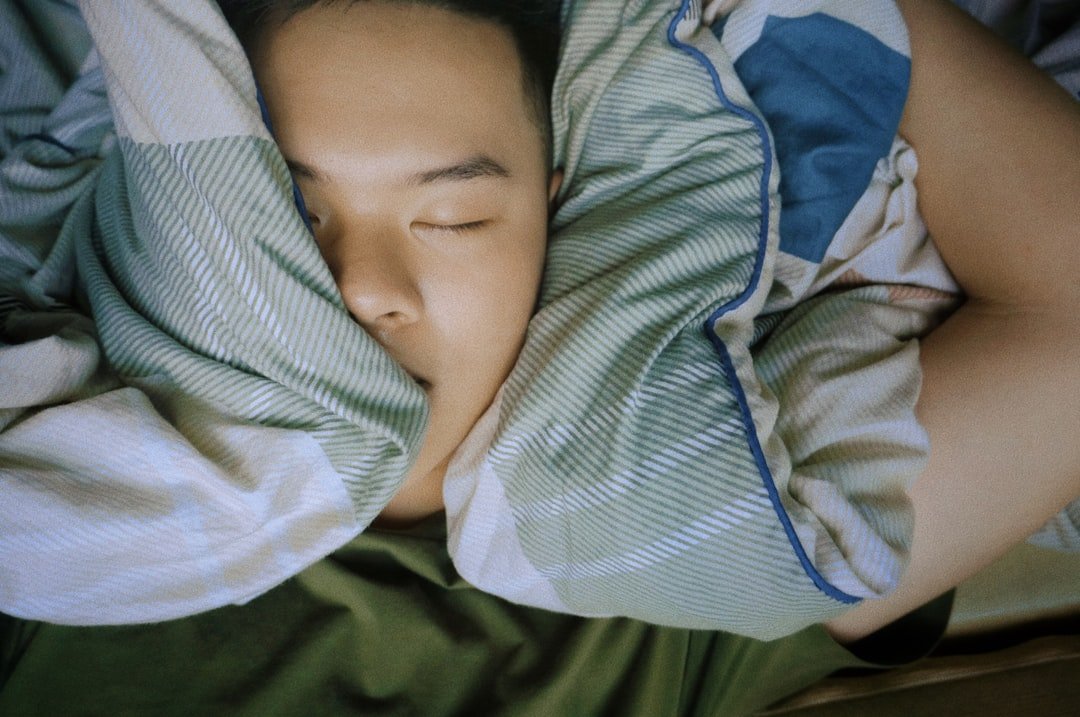
    discover effective sleep hygiene tips to improve your sleep quality, establish healthy bedtime routines, and wake up feeling refreshed and energized.
    Share
    Facebook Twitter LinkedIn Email Reddit Telegram WhatsApp Threads

    The overlooked foundation of peak performance

    In the constant search for the next productivity hack or wellness trend, many of us are stepping right over the most powerful tool we have: sleep. We often treat it as a luxury to be shortened in favor of work or leisure, but this approach fundamentally misunderstands its role. Quality sleep is not a passive state of rest; it is an active and essential process that underpins our ability to function at our best.

    When we fail to get consistent, high-quality rest, the consequences ripple through every aspect of our lives. Our focus wanes, our emotional regulation suffers, and our decision-making becomes impaired. Prioritizing rest is the essential step before starting any new habit, as it provides the physical and mental energy required for change.

    What ‘sleep hygiene’ actually means for your health

    The term “sleep hygiene” refers to a set of habits and practices that are conducive to sleeping well on a regular basis. Think of it as the behavioral infrastructure that supports your body’s natural sleep-wake cycle, also known as the circadian rhythm. This internal clock dictates when you feel alert and when you feel drowsy, and consistent routines are foundational to keeping it well-regulated.

    As sleep expert Dr. Michael Grandner notes, consistent habits like regular bedtimes and limiting light exposure are crucial for restorative sleep. It’s during these hours that the brain clears out metabolic waste, consolidates memories, processes emotions, and repairs the body. Good sleep hygiene is less about a single perfect night and more about building a sustainable pattern that promotes optimal wellness.

    learn effective sleep hygiene practices to improve your sleep quality and overall health. discover tips and routines for a restful night's sleep.

    The physical toll of skipping quality rest

    Poor sleep habits can have a profound impact on physical health. Medical studies have repeatedly linked chronic sleep deprivation to a weakened immune system, making you more vulnerable to common illnesses. It also disrupts metabolic regulation, increasing the risk of developing serious conditions such as obesity, diabetes, and cardiovascular disease.

    Related Article :  Morning moves & evening strolls: beating the heat while staying fit

    This is because a lack of sleep puts significant strain on the heart and blood vessels and can lead to systemic inflammation. A comprehensive guide to achieving restful slumber often begins with understanding these physical risks and recognizing that sleep is as vital to health as diet and exercise.

    How restless nights impact your mental state

    The connection between sleep and mental health is undeniable. Inadequate rest impairs cognitive function, making it difficult to concentrate and recall information. It also significantly affects mood regulation, often leading to increased irritability, anxiety, and a heightened risk for depression. Sleep is when our brain processes the day’s emotional experiences, and disrupting this process can have lasting negative effects.

    For young adults especially, establishing healthy habits is critical for enhancing mental wellness. Behavioral sleep medicine specialist Dr. Suzanne Gorovoy emphasizes that sleep hygiene is about training your brain to recognize when it’s time to wind down, a skill essential for long-term emotional stability.

    Practical strategies to reclaim your night

    Improving your sleep doesn’t require drastic measures. It starts with small, intentional changes to your daily and nightly routines. The goal is to send clear signals to your body and brain that the day is ending and it’s time to transition into a state of rest. One of the most effective strategies is to establish a consistent sleep schedule.

    Try to go to bed and wake up around the same time every day, even on weekends. This simple act reinforces your body’s circadian rhythm, making it easier to fall asleep and wake up naturally. This consistency is one of the most powerful habits for a healthier sleep routine you can adopt.

    Related Article :  Why Cardiologists Urge a Specialized Heart Scan for Optimal Health After Age 40
    learn essential sleep hygiene tips to improve your sleep quality and overall health. discover habits and routines that promote restful and refreshing sleep.

    Create a sanctuary dedicated to sleep

    Your bedroom environment plays a critical role in the quality of your rest. It should be a cool, dark, and quiet space. Investing in blackout curtains, comfortable bedding, and perhaps a white noise machine can eliminate common disruptions. The goal is to create an environment that your brain associates exclusively with rest and relaxation, not with work or entertainment.

    Avoid using electronic devices for at least an hour before bed. The blue light emitted from phones, tablets, and computers can suppress the production of melatonin, the hormone that signals your body it’s time to sleep. Instead, opt for calming activities like reading a physical book, light stretching, or listening to quiet music.

    Mind what you consume in the evening

    What you eat and drink in the hours before bed can either help or hinder your sleep. Stimulants like caffeine can stay in your system for hours, so it’s best to avoid coffee, tea, and other caffeinated beverages in the afternoon and evening. Alcohol, while it may make you feel drowsy initially, disrupts the deeper, more restorative stages of sleep later in the night.

    Similarly, heavy meals close to bedtime can cause discomfort and indigestion, making it difficult to fall asleep. If you’re hungry, opt for a light snack. Establishing these boundaries around evening consumption can dramatically improve your ability to fall and stay asleep.

    When your mind won’t switch off

    For many, the biggest obstacle to sleep is a racing mind. If you find yourself preoccupied with the day’s events or tomorrow’s to-do list, simple distraction techniques can be incredibly effective. Try counting backward from a high number, like one thousand. This task is monotonous enough to be non-stimulating but requires just enough cognitive energy to divert your focus from anxious thoughts.

    Related Article :  Five So-Called 'Healthy' Habits That Might Be Undermining Your Sleep, Experts Reveal

    Another powerful technique is progressive muscle relaxation. This involves systematically tensing and then releasing different muscle groups throughout your body. This practice helps release physical tension you may not have been aware of and shifts your focus from your head to your body, calming the nervous system and preparing you for rest.

    learn effective sleep hygiene tips to improve your sleep quality and overall well-being. discover habits and routines that promote restful and rejuvenating sleep.

    Progress over perfection in your sleep journey

    It’s important to remember that the goal is not perfection. An occasional bad night of sleep is normal and won’t derail your health. Many top athletes, for instance, report poor sleep the night before a major competition but still perform at their peak because their overall sleep habits are solid. Focus on your average over a week rather than a single night.

    If you do experience a difficult night, there are effective ways to recover after a sleepless night that can help you get back on track. By cultivating a consistent and supportive routine most nights, you invest in your long-term health, ensuring you are more rested, grounded, and ready to meet the demands of your life.

    healthy sleep optimal health performance sleep hygiene sleep tips
    Follow on Google News
    Share. Facebook Twitter LinkedIn Email WhatsApp Reddit Telegram Threads Copy Link
    Previous ArticleUnlocking Childhood Potential: How Play Shapes Healthy Habits from the Start
    Next Article Mental health in the workplace: companies embrace well-being initiatives
    Avatar photo
    Amelie Goujon

    Amélie has been working in the health sector for over 15 years and now serves as an online journalist specializing in healthy living. Her background in healthcare gives her articles a solid foundation of credibility and empathy. Passionate about wellness, nutrition, and prevention, she translates complex medical topics into clear, accessible content for a wide audience. Through her writing, Amélie aims to empower readers to make informed choices and adopt healthier daily habits.

    Continue reading

    Dietitians Reveal the Ideal Daily Water Intake for Optimal Health

    By FRANK JOST

    Five So-Called ‘Healthy’ Habits That Might Be Undermining Your Sleep, Experts Reveal

    By FRANK JOST

    This Herbal Tea Helps You Fall Asleep Faster and Reduce Cortisol Levels, According to a Doctor

    By Amelie Goujon

    Which common sleep errors are leading to your morning back pain?

    By Amelie Goujon

    How can you enhance your sleep quality with this simple bedtime pelvic floor routine?

    By Amelie Goujon

    Study Reveals Unexpected Health Boost from Just 11 Extra Minutes of Sleep Each Night

    By FRANK JOST

    Why Cardiologists Urge a Specialized Heart Scan for Optimal Health After Age 40

    By FRANK JOST

    The best ways to recover after a sleepless night

    By Tina Nguyen

    Healthy Habit #8: Prioritize Over 8 Hours of Restful Sleep for Optimal Wellness

    By FRANK JOST

    Sleep gummies: do they really work?

    By Tina Nguyen

    Speak up while you can: why advance care planning is one of the greatest gifts

    By Frank Jost

    Magnesium glycinate: why it’s so popular for sleep and anxiety

    By Tina Nguyen
    Add A Comment
    Leave A Reply Cancel Reply

    Subscribe to Our Newsletter

    Join the Live Well Magazine Newsletter and get exclusive tips on health, wellness, lifestyle, and personal growth — straight to your inbox.

    Trending
    Health Products

    Before You Buy: The Truth About iGenics Reviews 2026

    Mental Health

    The Top 2 Brain-Boosting Habits a Neurologist Swears By — Beyond Diet and Exercise

    Health Products

    Liv Pure Review 2026: I Checked the Claims — Here’s My Honest Take

    Diet & Weight Loss

    Kid-Approved Trader Joe’s Snacks Endorsed by Dietitians That Your Children Will Love

    Health Products

    What Nobody Tells You About Java Burn Reviews 2026 — The Hidden Truth

    Preventive Health

    Could This Everyday Habit Be Silently Increasing Your Risk of Diabetes?

    Facebook
    • About us
    • Contact us
    • Contributors
    • Legal
    • Privacy
    © 2026 livewellmagazine.org.

    Type above and press Enter to search. Press Esc to cancel.