

In a world increasingly dominated by hustle and technology, the quest for restful sleep remains ever crucial yet often elusive. Enhancing your sleep hygiene is now recognized as a foundational strategy for achieving restorative slumber that supports physical vitality, mental clarity, and emotional balance. The right bedroom environment paired with carefully crafted daily and nightly routines can dramatically lift the quality of your rest and help break the cycle of restless nights. This guide unpacks comprehensive and practical steps towards optimal sleep hygiene, pushing beyond quick fixes to build sustainable, healthy sleep habits. From regulating your sleep schedule to optimizing your bedroom’s ambiance, the pursuit of better sleep is a multifaceted effort accessible to everyone. Through expert insights and evidence-backed recommendations, including popular bedding choices like Sleep Number, Purple, and Tempur-Pedic, discover how cultivating conscious habits now can transform nights plagued with tossing and turning into deep, rejuvenating rest that powers your days. You’ll also find valuable information about how lifestyle adjustments — such as mindfulness practices and diet alterations — complement these strategies to foster long-term sleep success. Embracing these proven techniques is a vital investment in your well-being, productivity, and overall quality of life.
Comprehensive Sleep Hygiene: Why a Tailored Routine Matters for Restful Slumber
Sleep hygiene is more than a buzz term; it encompasses every factor affecting the ease with which you fall asleep and stay asleep. The benefits of nurturing good sleep hygiene extend from enhanced immune function to improved mood regulation and heightened cognitive performance. Because individuals vary greatly in their sleep needs and responses, tailoring a sleep hygiene routine is essential rather than following one-size-fits-all prescriptions.
At its core, sleep hygiene involves maintaining a conducive sleep environment and establishing behavioral patterns that signal your brain it’s time to wind down. However, this is not simply about going to bed early or avoiding caffeine. Instead, it involves a holistic understanding of your circadian rhythms, lifestyle, and environmental preferences.
Constructing a Personalized Sleep Schedule
Fixed sleep and wake times anchor your internal biological clock, encouraging natural melatonin production and improving your ability to fall asleep without external aids. An individual named Sarah, for instance, struggled for years with erratic sleeping hours until she committed to awakening at the same time daily, even on weekends. Within weeks, her sleep quality improved markedly as her body acclimated to a predictable rhythm.
10 quick checks to spot low-quality supplements before you buy - plus research-backed doses for 12 common ingredients. Free PDF, no spam.
Gradual adjustments of no more than 30 minutes per week in sleep timing help to prevent disruption of circadian processes. This approach proves particularly useful for shift workers or those recovering from jet lag. Notably, understanding personal tolerance to napping also benefits scheduling: short early-afternoon naps can refresh attention without interfering with nocturnal rest, but late or lengthy naps may decrease sleep drive and hinder sleep onset at night.
- Set consistent wake-up times including weekends
- Calculate target bedtime to ensure sufficient sleep duration
- Adjust sleep schedules incrementally when needed
- Limit afternoon naps to avoid nighttime disruption
| Sleep Hygiene Element | Recommended Practice | Common Mistakes |
|---|---|---|
| Sleep Schedule | Fixed wake-up time; gradual bedtime adjustment | Variable wake-up times, abrupt schedule changes |
| Napping | Short naps early in the day | Late or long naps |
| Bedtime Routine | Consistent calming activities and device-free period | Use of electronics before bed |
By integrating these personalized practices with sleep-oriented products such as the advanced Sleep Number beds or the contouring comfort of Tempur-Pedic mattresses, sleep-seekers can further optimize their rest. These products cater to individual needs by adjusting firmness and reducing pressure points, respectively, illustrating how tech and design innovations marry well with behavioral strategies for superior sleep outcomes.

Crafting Nightly Rituals That Signal Tranquility and Prepare the Mind for Sleep
Behaviors preceding bedtime strongly influence how quickly and deeply one falls asleep. The transition from wakefulness to sleep should be smooth to minimize mental agitation. Establishing a calming nightly routine triggers the brain’s internal ‘sleep mode’, reducing stress levels and facilitating a natural diminuendo of cognitive activity.
Consistency and Sensory Modulation: Keys to Effective Wind-Down
Routine consistency reassures the brain, making sleep anticipation automatic. This includes repeating activities such as changing into pajamas, brushing teeth, and perhaps light reading. Crucially, light exposure must be managed carefully during this phase. Dimming lights in the hour before sleep helps melatonin secretion as bright light can delay this hormone crucial for signaling sleep onset.
Another important element is detaching from screens. Devices emit blue light and stimulate complex thought processes, both counterproductive to relaxation. Allocating 30 to 60 minutes as a “device-free buffer” supports transitioning the brain away from alertness towards repose.
- Stick to a consistent pre-sleep series of relaxing activities
- Dim ambient lighting to boost melatonin release
- Unplug devices at least 30 minutes before bedtime
- Incorporate meditation, breathing exercises, or calming music
| Nightly Routine Tip | Benefits | Potential Pitfalls |
|---|---|---|
| Consistent sequence | Signals to brain it’s bedtime | Irregular routines reduce effectiveness |
| Dimming lights | Enhances natural melatonin production | Bright room or screens delay sleep |
| Electronics avoidance | Reduces cortical stimulation and blue light exposure | Using smartphones or watching TV before bed hinders sleep |
Products tailored for relaxation, like Purple mattresses featuring pressure-relieving gel arrays, or Cozy Earth sheets made from breathable bamboo, complement these routines by providing comfort that reduces physical distractions when winding down. Together, these elements create a sensory environment primed for prompt and deep slumber.
Daily Lifestyle Habits That Reinforce Circadian Health and Sleep Quality
Improving sleep hygiene extends beyond the bedroom and pre-sleep period; daily habits substantially impact the quality and duration of sleep. Supporting natural circadian rhythms through appropriate lifestyle choices promotes a balanced physiological state conducive to rest.
Key Behavioral Practices During Daylight Hours
Exposure to natural sunlight is one of the strongest cues for regulating internal clocks. People working indoors should seek outdoor breaks or set up near windows to absorb daylight, especially in the morning. Similarly, engaging in regular physical activity helps moderate stress, supports metabolism, and promotes deeper sleep cycles.
Conversely, habits that impair sleep include smoking, excessive alcohol consumption, and late caffeine intake. Nicotine stimulates the nervous system causing fragmented rest, while alcohol disrupts sleep architecture despite initial sedative effects. Caffeine consumption is best limited to mornings or early afternoons to avoid overstimulation at night.
- Spend time outdoors in natural light daily
- Exercise regularly but not close to bedtime
- Avoid smoking and limit alcohol intake
- Reduce caffeine consumption after early afternoon
| Daytime Habit | Impact on Sleep | Recommended Adjustments |
|---|---|---|
| Natural light exposure | Supports circadian rhythm | Seek outdoor or window light during day |
| Physical activity | Improves sleep depth and onset | Exercise regularly, but not late evening |
| Smoking | Disturbs sleep through stimulation | Quit or avoid smoking |
| Alcohol use | Interrupts sleep phases | Moderate and avoid late consumption |
Complementing these habits with optimal sleep gear from brands like Leesa, Nectar, or Saatva provides ergonomic support and comfort crucial for recovery. Each brand delivers unique features catering to different sleeping styles and preferences, emphasizing how equipment choice and daily behaviors coexist in enhancing sleep health.
Designing a Bedroom Sanctuary: Environmental Adjustments to Promote Deep Sleep
A vital component of sleep hygiene is cultivating a bedroom atmosphere that consistently encourages relaxation and limits disturbance. Various environmental factors—such as temperature, light, sound, and bedding—play indispensable roles in how effectively one falls asleep and remains asleep.
Practical Steps to Optimize Your Sleeping Environment
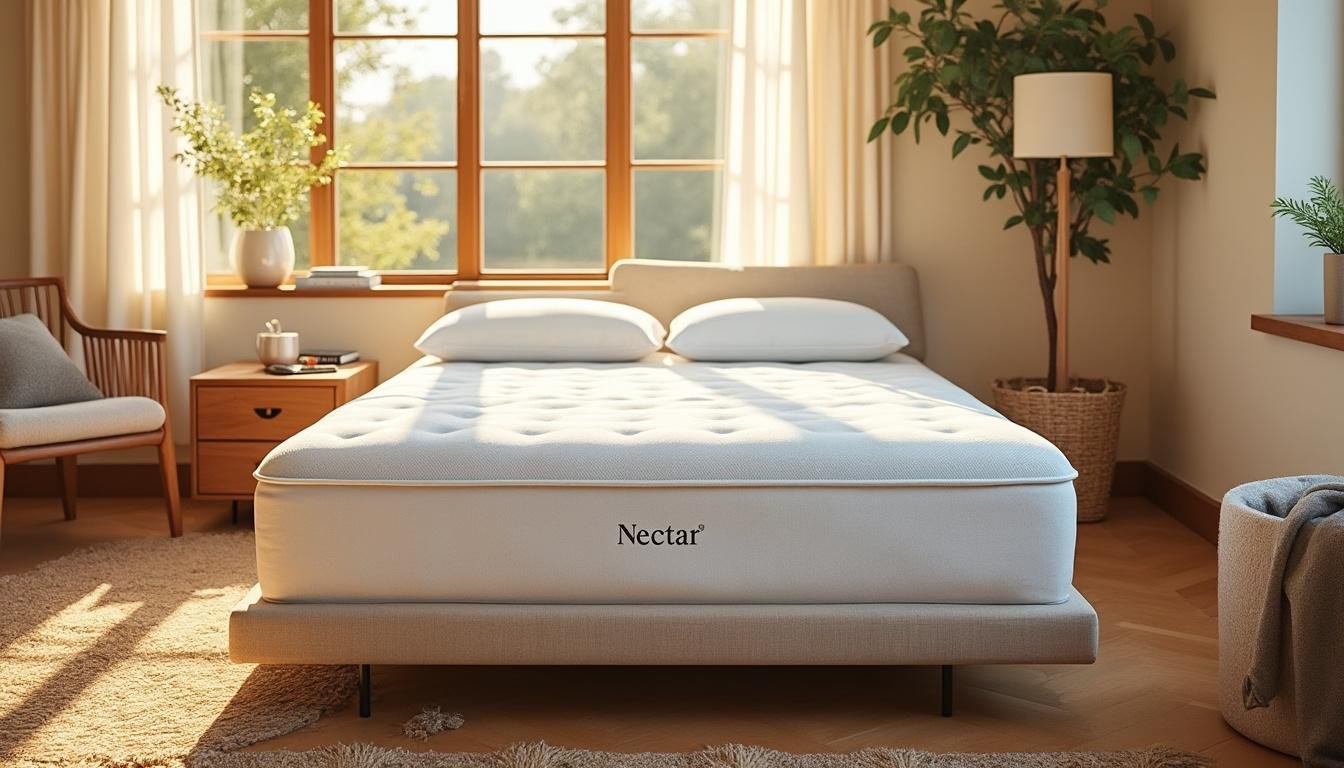
First, decide on a mattress and pillow that perfectly suit your body’s needs. For example, products like Avocado’s eco-friendly mattresses provide a firm, supportive surface made from natural materials, while Boll & Branch offers luxurious organic cotton bedding that is soft against the skin and well-ventilated to prevent overheating.
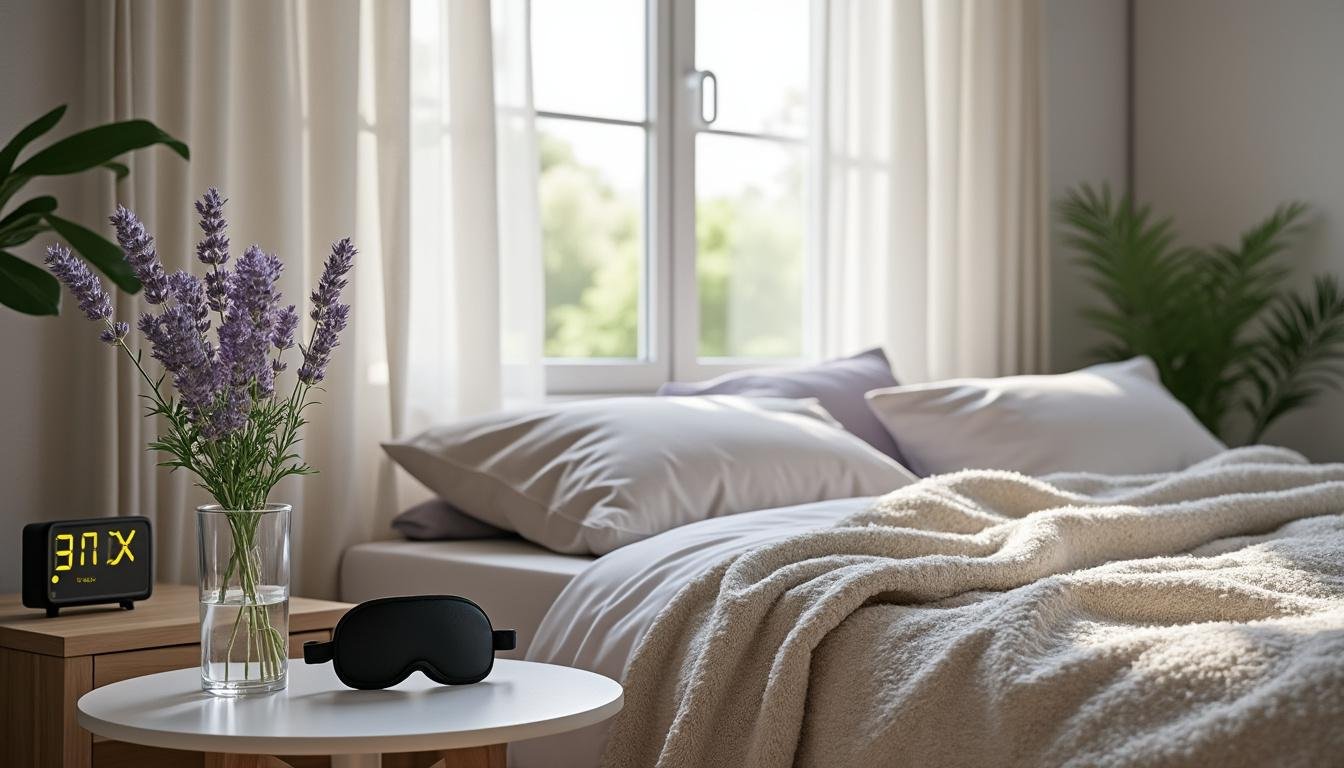
Temperature regulation is another often overlooked but essential factor; the bedroom should be cool yet comfortable, generally around 65 degrees Fahrenheit. Darkening the room completely using blackout curtains or sleep masks removes visual disturbances that might break sleep cycles.
For disruptive noises, ear plugs or white noise machines can mask environmental sounds. Interestingly, light natural scents like lavender have been shown to reduce stress and improve sleep quality when diffused in the bedroom.
- Choose mattress and pillows fitting your comfort and support needs
- Maintain room temperature around 65°F (18°C)
- Eliminate light pollution with blackout curtains or masks
- Drown out noise with ear plugs or white noise devices
- Use calming scents such as lavender for relaxation
| Environmental Factor | Recommended Adjustment | Popular Products/Brands |
|---|---|---|
| Mattress | Comfortable, body-appropriate support | Sleep Number, Purple, Tempur-Pedic, Avocado, Saatva |
| Temperature | Cool, around 65°F (18°C) | Thermostats, fans |
| Light | Complete darkness with blackout curtains or masks | Boll & Branch blackout curtains, sleep masks |
| Noise | Use ear plugs or white noise machines | White noise machines, ear plugs |
| Scents | Relaxing aromas like lavender | Essential oil diffusers |
These adjustments create consistency in cues sent to your body to relax and enter a deep sleep state. This is particularly impactful when paired with bedding and mattresses designed for ergonomic support like Mellow or Cozy Earth, which reduce tossing and physical discomfort that could awaken you.
Common Questions About Sleep Hygiene and How to Address Persistent Sleep Difficulties
Many individuals wonder if sleep hygiene tips can be universally applied and what to do if sleep problems persist despite lifestyle adjustments.
- Is sleep hygiene the same for everyone? While the foundational principles apply broadly, individual needs vary. Experimentation helps identify which behaviors and environmental setups best improve your personal sleep.
- Can sleep hygiene alone cure insomnia? Sleep hygiene improvements support sleep but severe insomnia or disorders like sleep apnea often require professional diagnosis and treatment beyond behavioral changes.
- How long does it take to notice improvements from better sleep hygiene? Changes may be felt within days to weeks, though consistent application increases sustained, measurable benefits as habits solidify.
- Should I avoid naps entirely? Short early naps can be restorative, but late or long naps might disrupt nocturnal sleep cycles.
- Are there sleep products that can help with hygiene? Yes, premium mattresses like Nectar or technologies like Sleep Number’s adjustable beds can support physical comfort, enhancing the effectiveness of healthy habits.
By combining behavioral adaptations, environmental optimization, and the right products, anyone can strive toward achieving the deep, restorative sleep essential for vibrant health and daily vitality.
For more expert insights and practical strategies, visit resources like Transform Your Sleep: Top Sleep Hygiene Tips for a Restful Slumber, Essential Sleep Hygiene Tips for Better Rest, and Natural Ways to Enhance Sleep Hygiene. Additional evidence-based advice is available at Improve Sleep Quality – Evidence-Based Techniques and The Sleep Hygiene Guide.
10 quick checks to spot low-quality supplements before you buy - plus research-backed doses for 12 common ingredients. Free PDF, no spam.
