


Establishing Consistent Routines: The Cornerstone of Healthy Habits in the First 30 Days
Creating a thriving and encouraging classroom environment often begins at home, especially within the crucial first 30 days of the academic year. This initial period sets the tone for kids development, where establishing routine building can foster long-term success in school. Parents and caregivers play a vital role in supporting children as they transition from summer freedom to structured school days by implementing consistent schedules that nurture healthy habits.
Consider the example of a family where mornings follow a predictable sequence: waking up at a specific time, eating a nourishing breakfast, preparing school materials, and setting off without rush. This kind of stability not only reduces stress for both child and parent but strengthens student motivation by making expectations clear and attainable. Children flourish when they know what to expect, enabling them to focus more on learning rather than anxiety or distractions.
Daily routines that emphasize consistency in bedtimes and wake-up times are especially important for physical and mental readiness. Research in 2026 continues to underline that sufficient and regular sleep patterns strongly correlate with improved concentration and memory retention in kids. For instance, a 9-year-old adhering to an 8-9 hour sleep schedule reports better attention spans and positive behavior in class compared to peers with irregular rest patterns.
Alongside sleep, organizing healthy meal times supports energy levels during school hours. Children who eat balanced breakfasts rich in protein and fiber often show greater alertness and stamina. In addition, implementing scheduled breaks for physical activity or relaxation fosters mental well-being, which directly impacts classroom engagement. Integrating simple activities such as brief stretching or mindfulness exercises helps students maintain focus, laying a foundation for academic achievement and emotional resilience.
10 quick checks to spot low-quality supplements before you buy - plus research-backed doses for 12 common ingredients. Free PDF, no spam.
Overall, emphasizing regularity in everyday habits during the first month of school doesn’t merely create order—it promotes a sense of security and confidence that sustains positive behavior across all aspects of a child’s life. Educators and parents who understand this link can significantly boost student success by collaboratively nurturing these structures.
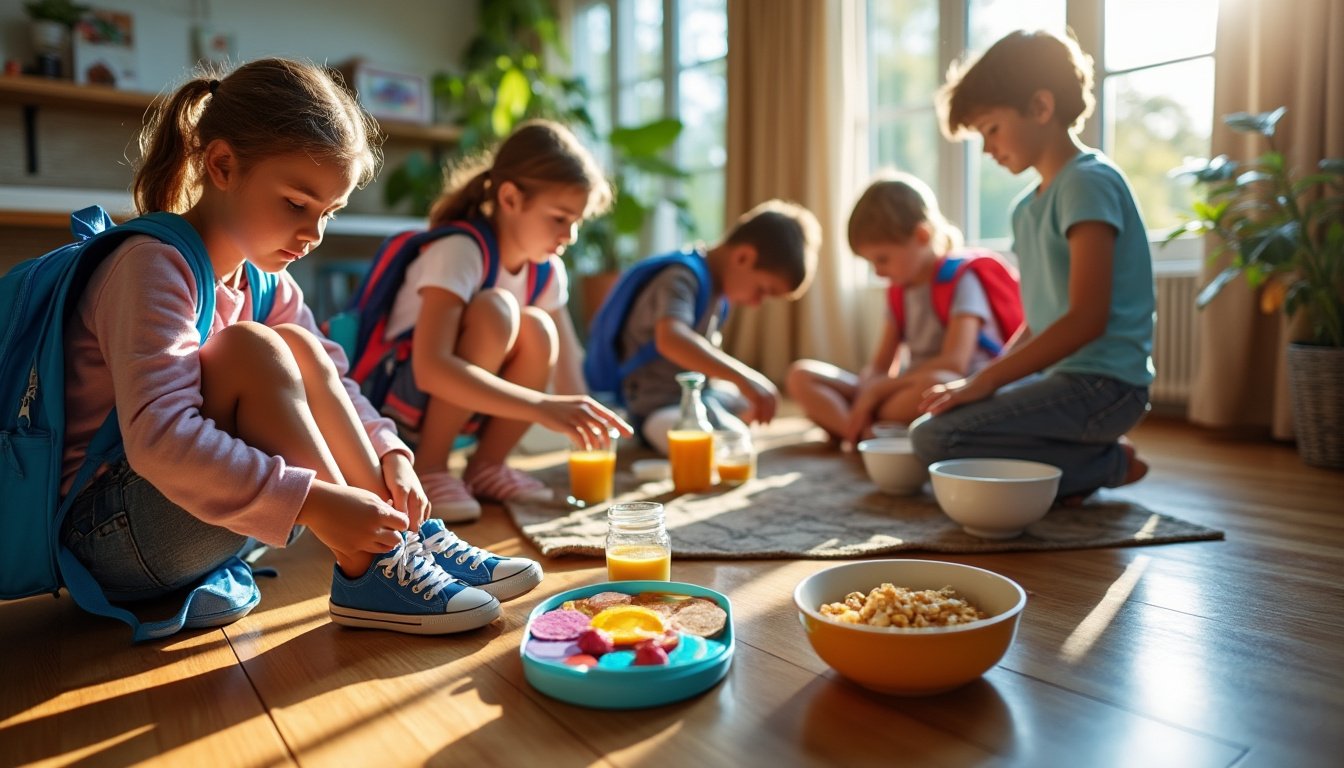
Nutrition’s Vital Role in Kids’ First Month: Fueling School Success Through Healthy Habits
Among the many elements shaping a young learner’s school success, nutrition is fundamental. The early weeks of returning to school present an ideal opportunity to embed healthy habits concerning diet that impact kids’ physical and cognitive growth throughout the academic year and beyond.
Proper nutrition supports focus, memory, and stamina, thereby influencing both classroom performance and social interactions. Ensuring children consume foods rich in essential vitamins and minerals—such as fruits, vegetables, whole grains, and lean proteins—helps stabilize energy levels and mood. On the contrary, highly processed snacks and sugary beverages often lead to energy crashes and distractibility, undermining concentration.
Take for example a school that improved its meal program in 2026 by incorporating more fresh produce and whole foods while limiting added sugars. Teachers noticed fewer behavioral disruptions, higher engagement during lessons, and improved test scores within the first 30 days. Such positive feedback loops reinforce the significance of consistent, healthful eating habits beginning immediately with the new academic schedule.
Parents can support this by preparing lunches that balance macronutrients and packing snacks that sustain energy. Additionally, children benefit from adequate hydration—a frequently overlooked but critical factor—since even mild dehydration can cause headaches or irritability detrimental to learning.
Inculcating these nutrition-related habits early encourages children to take ownership of their wellness. When combined with advice from health professionals, such as those highlighted in 10 Healthy Habits for Kids During the School Year, families can work together to maintain an ecosystem that supports both mental and physical well-being, setting the stage for sustained academic progress and social success.
Physical Activity: Energizing Kids to Thrive Academically and Socially in Early School Days
Physical activity interlinks intricately with the development of healthy habits, especially during the first 30 days of school when children are adapting to new routines. Encouraging regular movement not only promotes physical health but also enhances brain function, influencing memory, attention, and mood regulation.
In 2026, educators and pediatric specialists emphasize that daily moderate exercise contributes to better classroom behavior and improved student motivation. For instance, incorporating active recess periods or short movement breaks within lessons can break monotony and restore focus, helping students engage more deeply with academic content.
One illustrative case is a school district that implemented a 15-minute morning stretch and aerobic program. Teachers reported noticeable improvements in children’s readiness to learn and collaborative skills, demonstrating that habit formation regarding physical activity can significantly affect both academic outcomes and peer relationships.
Moreover, physical activity supports the management of stress and anxiety, problems increasingly recognized as barriers to educational success. Families and schools collaborating to cultivate routines where kids participate in after-school sports or family walks instill a lifelong appreciation for movement, ultimately impacting health long beyond the school environment.
Parents seeking guidance on effective strategies can refer to expert advice such as crafting lasting healthy habits, which underscores progress over perfection and offers practical approaches that align with busy family schedules. Regular physical activity combined with healthy eating and quality sleep forms the triumvirate of habit pillars supporting academic excellence.
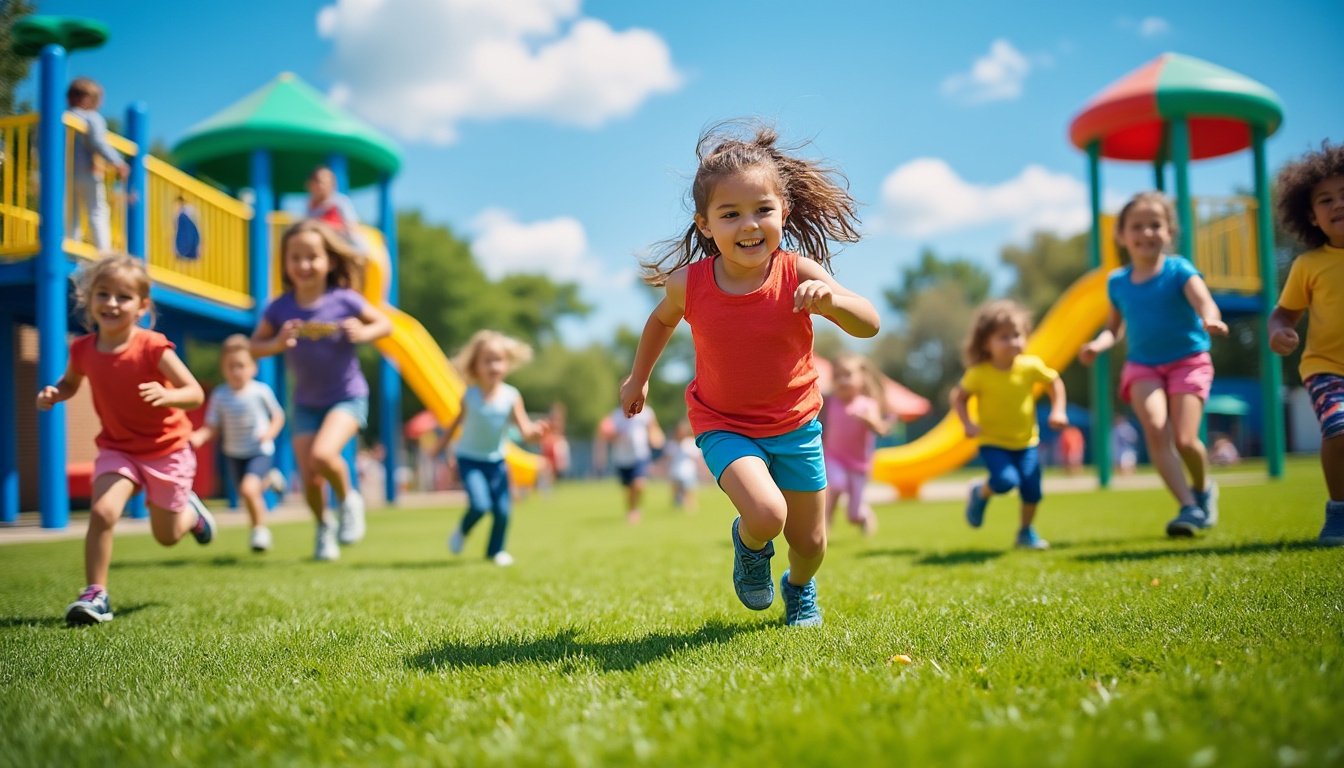
Social and Emotional Well-being: Building Positive Behavior and Resilience in the Classroom
Aside from physical wellness, the social and emotional dimensions of student development are critical in the first 30 days of school to ensure long-term success. As children form relationships and adapt to new classroom dynamics, fostering positive behavior and emotional strength enhances their ability to navigate challenges and thrive academically.
Research from 2026 continually highlights that classroom environments prioritizing empathy, respect, and cooperation promote student motivation and engagement. Teachers who implement social-emotional learning (SEL) curricula find that students develop better self-regulation, conflict resolution skills, and a stronger sense of community.
Parents reinforce these benefits by modeling calm communication and encouraging children to express feelings openly. For example, families cultivating daily check-ins can create safe spaces that nurture emotional intelligence and resilience. These interactions help kids manage anxiety or frustration brought by new expectations, thus reducing disruptive behavior and absenteeism.
Furthermore, recognizing the importance of screen time limits supports mental health, as excessive device use can interfere with sleep and social development. Establishing boundaries within the first month of school around electronics encourages healthier lifestyle choices and enhances face-to-face interactions.
Schools and caregivers aligned in emphasizing these values set an essential foundation for ongoing success. They guide children to develop habits that prioritize kindness and self-awareness, which prove invaluable throughout their educational journey and beyond.
Practical Strategies for Parents to Support Habit Formation and Long-Term Success
Translating knowledge about healthy habits into actionable steps at home ensures that children receive consistent support during their crucial first month at school. Parents who intentionally nurture these habits often report observing improvements in academic outcomes and family dynamics.
Some practical strategies include:
- Setting predictable schedules: Align wake-up times, meal times, homework, and bedtimes to the school day rhythm to reduce stress and improve readiness.
- Creating learning-friendly spaces: Organize quiet, well-lit areas dedicated to homework and reading to reinforce focus and discipline.
- Encouraging open communication: Regularly discuss school experiences to identify challenges early and celebrate successes.
- Modeling healthy behaviors: Demonstrate habits parents wish to see in their children, such as balanced meals, regular exercise, and positive coping mechanisms.
- Limiting distractions: Establish screen time limits and promote interactive hobbies like puzzles or outdoor games for holistic development.
- Partnering with schools: Stay connected with teachers and school counselors to monitor progress and share resources for habit reinforcement.
Parents invested in supporting their children’s habit formation will find that early consistency pays dividends through enhanced confidence, autonomy, and resilience. These attributes transform challenges into opportunities and solidify a foundation for lifelong growth, making the early school days an unequivocal launching point for success.
For more in-depth guidance and evidence-based tips on integrating strong habits for sustained achievement, families can explore resources like creating healthy habits for a successful school year, which offers comprehensive insights tailored to today’s fast-paced family environments.
Why are the first 30 days of school so critical for habit formation?
The initial month helps establish routines and behavioral patterns that impact motivation, focus, and emotional resilience, setting the foundation for long-term academic and personal success.
How can parents encourage positive behavior at school?
By fostering open communication, modeling healthy habits, supporting social-emotional learning, and collaborating with educators, parents can reinforce positive behavior that translates into success.
What are some effective ways to balance screen time for kids?
Setting clear boundaries, encouraging outdoor activities, and integrating engaging, non-screen hobbies help maintain healthy balance and support cognitive and social development.
How does physical activity influence student motivation?
Physical exercise improves blood flow to the brain, enhances mood, and increases energy levels, all of which elevate student motivation and ability to concentrate in the classroom.
What role does nutrition play in long-term school success?
Balanced nutrition fuels the brain and body, providing sustained energy and improving cognitive functions such as memory and attention essential for academic achievement.
10 quick checks to spot low-quality supplements before you buy - plus research-backed doses for 12 common ingredients. Free PDF, no spam.
