

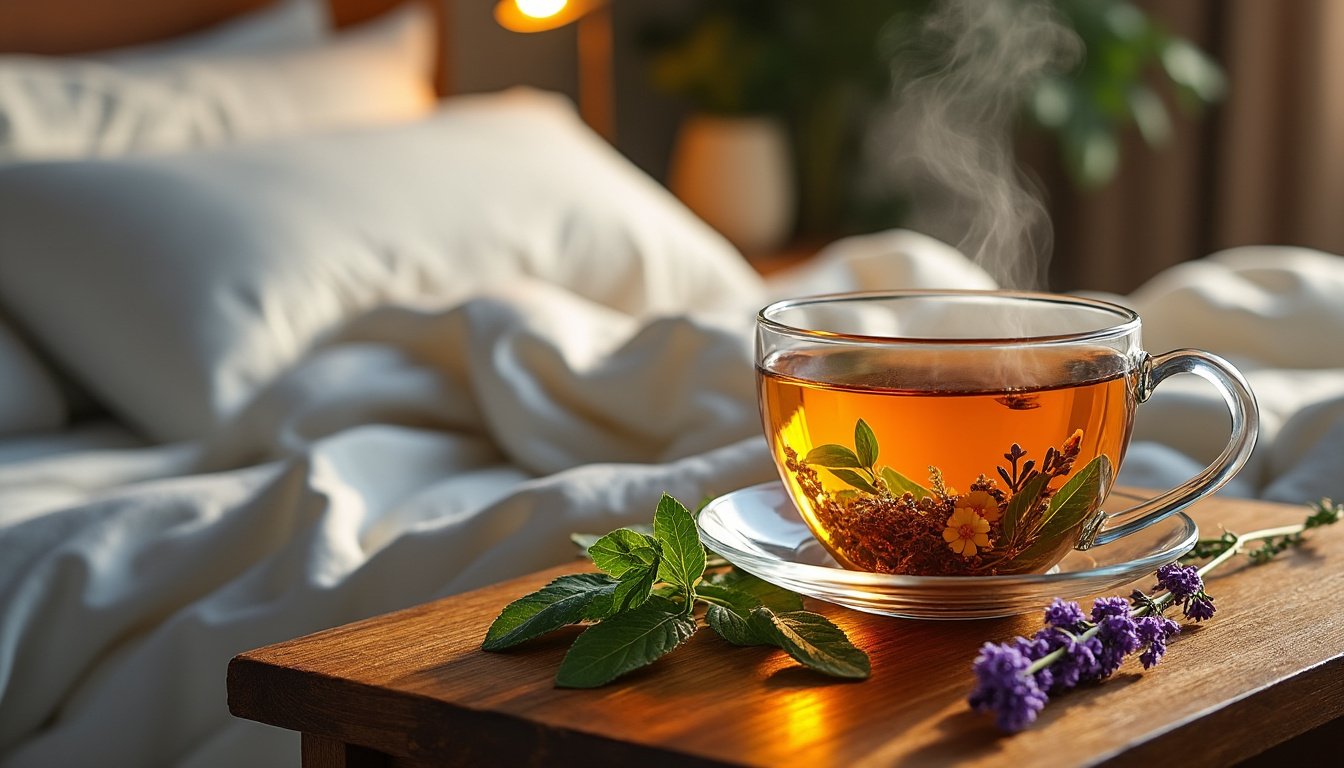
Difficulties falling asleep, restless nights, and racing thoughts plague many in today’s fast-paced world. Among the various remedies, a simple cup of herbal tea, particularly chamomile, has gained renewed attention not just as a comforting ritual but as a legitimate sleep aid. According to Dr. William Arias, a Colombian expert in obesity and diabetes, chamomile tea does more than soothe—it actively helps reduce cortisol levels and improve sleep quality.
Why Chamomile Tea Is a Doctor Recommended Natural Remedy for Better Sleep
Chamomile, long regarded as a traditional sleep aid, is backed by scientific research which confirms its effectiveness, especially for mild insomnia and stress-related sleep disturbances. Dr. Arias affirms, “It has real power and the solution might be in a cup. Chamomile is not just a grandma’s drink.” Clinical studies have demonstrated improved sleep in postpartum women and older adults after consistent daily consumption of chamomile tea. One meta-analysis from 2019 even highlighted a measurable enhancement in subjective sleep quality and anxiety reduction, although with limited evidence for severe chronic insomnia.

How Chamomile Promotes Relaxation by Balancing Cortisol Levels
The key to chamomile’s effectiveness lies in its flavonoid called apigenin, which binds to GABA receptors in the brain—the same targets as some prescription sleep medications but without dependency or adverse effects. This interaction aids relaxation by reducing evening cortisol, the hormone responsible for stress, allowing melatonin, the sleep hormone, to rise naturally at night. “The secret is apigenin, a compound that connects to the brain’s natural calming pathways and helps lower cortisol to improve sleep onset,” explains Dr. Arias. Research confirms chamomile tea can shorten the time it takes to fall asleep by about 15 minutes and reduce night awakenings after sustained use.
Integrating Chamomile Tea Into a Routine for Optimal Sleep and Stress Relief
For those facing mild insomnia or stress, chamomile tea offers a practical, gentle option. To maximize benefits, Dr. Arias recommends steeping approximately 2 grams of dried chamomile flowers in hot water and drinking the tea about 30 minutes before bedtime for at least two weeks. This routine is especially helpful for seniors, postpartum women, or anyone dealing with anxiety and occasional sleep troubles. However, consulting a healthcare provider is essential for individuals with allergies to chamomile, under anticoagulant medication, or with chronic health conditions. Adding this ritual to broader healthy sleep habits—such as dim lighting and screen avoidance—can further enhance relaxation and sleep quality.
For readers interested in exploring a complete approach to better sleep and stress management, resources on herbal remedies backed by science and dietary practices to boost sleep quality provide valuable guidance to complement a calming chamomile tea routine.
10 quick checks to spot low-quality supplements before you buy - plus research-backed doses for 12 common ingredients. Free PDF, no spam.
