


Amid today’s relentless pursuit of self-optimization, surprisingly, many find their efforts to build healthier habits thwarted—not by lack of willpower but by undermined sleep. Far from a luxury, quality sleep in 2025 emerges as the cornerstone of effective habit formation, mental acuity, and emotional resilience. A startling one-third of U.S. adults admit to insufficient rest, with alarming connections drawn between sleep deprivation and heightened risks of depression and anxiety. Amid this backdrop, sleep-focused solutions and innovations from brands like SleepNumber, Casper, and Oura are leading the charge to restore rest as a priority, not an afterthought.
The intricate dance between sleep, memory, and impulse control reveals why establishing new routines falters without foundational sleep hygiene. Technology, while part of the problem through blue light exposure, also offers remedies like Philips Wake-Up Light and Fitbit’s sleep trackers, empowering users to reclaim nights and, consequently, productive days. Experts advocate for a strategic pause before diving into new habits: stabilize your sleep schedule first, then build upon a well-rested foundation. This approach not only aids habit persistence but reduces burnout, ensuring self-care efforts are sustainable instead of exhausting.
Understanding sleep’s pivotal role paves the way to targeted strategies. From navigating caffeine’s hidden impacts to leveraging calming aids like Calm and Muse Sleep, each component reshapes the narrative around rest. Brands such as Hatch and Saatva innovate beyond the mattress, fostering curated sleep environments that enhance the body’s natural rhythms. This article journeys through the science behind sleep’s impact on habit formation, the common disruptors sabotaging progress, and actionable tips to optimize rest and energize your lifestyle transformation.
Understanding Why Prioritizing Sleep Is Crucial for Successful Habit Formation
Sleep is not merely a period of rest but an active, essential process supporting mental clarity and motivation—two key pillars for breaking old and establishing new habits. Research highlights that adults need a minimum of seven hours of quality sleep to boost working memory and enhance response inhibition, the ability to resist impulses. When well-rested, individuals demonstrate superior self-regulation, critical for resisting temptations like excessive screen time or unhealthy snacking, which often undermine new habits.
10 quick checks to spot low-quality supplements before you buy - plus research-backed doses for 12 common ingredients. Free PDF, no spam.
The habit loop—cue, routine, reward—is heavily influenced by sleep quality. When people experience sleep deprivation, executive functions falter, making it challenging to recognize the cue or consciously choose alternative routines. For instance, attempting to reduce smartphone use in the evening often fails if the brain’s impulse control is compromised by fatigue. This is why sleep deprivation correlates with higher rates of anxiety and depression, often amplifying struggles with habit adherence.
Implications of Sleep Deficiencies on Cognitive Functions
The effects of poor sleep ripple through memory consolidation and emotional regulation mechanisms. Sleep aids the brain in processing information and solidifying memories, a foundation for learning new behaviors. Without enough rest, this process is disrupted. As a consequence, individuals may find themselves repeating old habits due to impaired judgment and diminished motivation.
Consider the example of office workers stressed by deadlines. Those who prioritize sleep reportedly complete tasks with higher accuracy and are less susceptible to distractions, highlighting sleep’s direct link to productivity. Technologies like Fitbit and Oura rings provide detailed sleep stage tracking, offering users insights that motivate behavioral adjustments to improve sleep hygiene and, subsequently, habit success.
Essential Role of Sleep in Emotional Resilience and Motivation
Emotional resilience, the ability to bounce back from setbacks, is fundamentally supported by restorative sleep. Through hormones regulation and stress response modulation, sleep stabilizes mood and reduces inflammation markers linked to anxiety. This resilience is crucial when facing the inevitable challenges in habit formation. Without it, the likelihood of giving up prematurely increases exponentially.
- Seven hours or more improves working memory and impulse control
- Sleep deprivation increases risk of anxiety and depression
- Impaired sleep disrupts habit loop efficiency
- Quality sleep supports emotional resilience for sustained motivation
- Wearable sleep technology aids in self-monitoring and improvement
| Sleep Factor | Effect on Habit Formation | Supporting Technology |
|---|---|---|
| Memory Consolidation | Improves learning and retention of new behaviors | Oura Ring, Fitbit |
| Impulse Control | Enhances ability to resist temptations | Calm app (for stress reduction) |
| Emotional Regulation | Increases perseverance against setbacks | Muse Sleep headband |
For further insights on how sleep impacts habit success, explore resources like this comprehensive sleep prioritization guide and expert sleep habits for well-being.
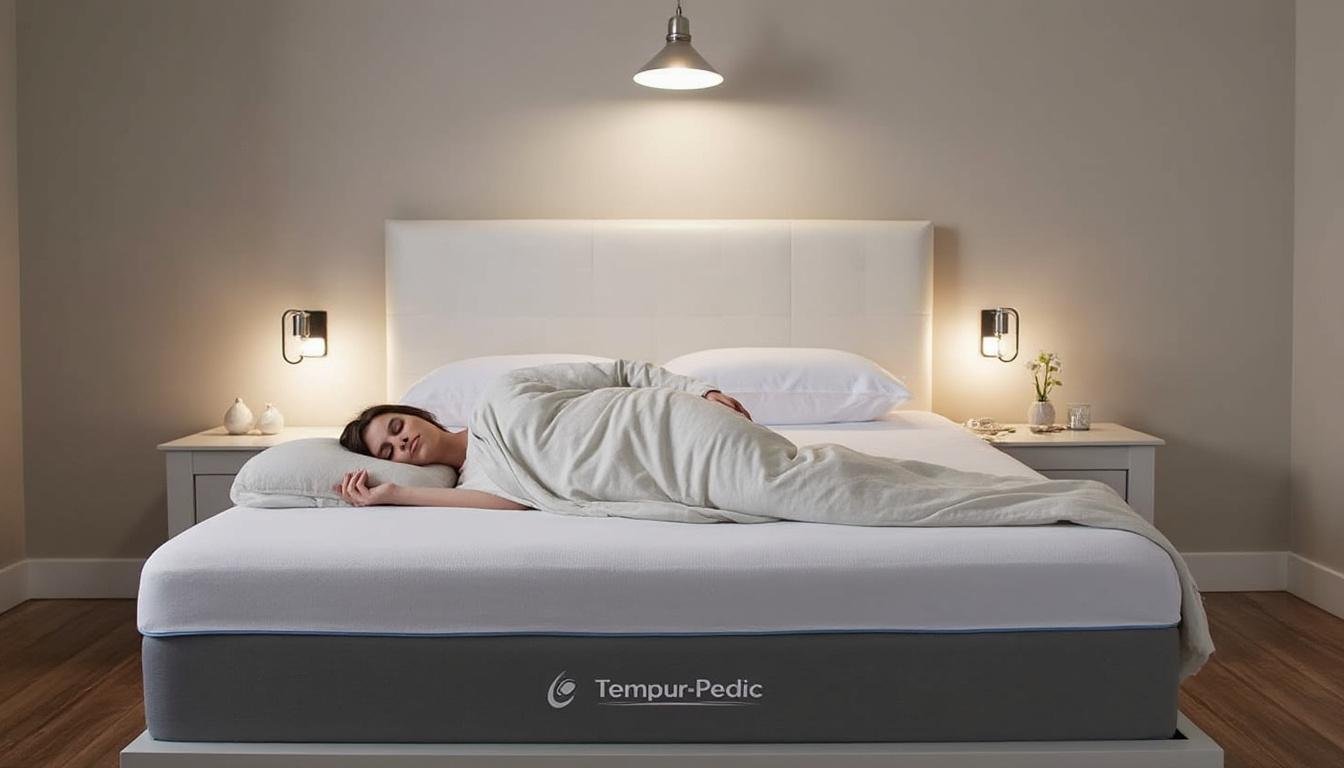
Identifying and Overcoming Common Sleep Disruptors That Undermine New Habits
Sleep can easily be sabotaged by everyday behaviors and environmental factors, significantly impacting one’s capacity to build and maintain fresh habits. Recognizing and mitigating these disruptors is essential before introducing lifestyle changes. Among the most common culprits in 2025 are alcohol consumption near bedtime, caffeine intake late in the day, and exposure to blue light from screens. Each may seem harmless but collectively degrade sleep quality, intruding on the brain’s ability to rejuvenate.
Alcohol and Caffeine: The Hidden Enemies of Sleep Routine
Many adults unwind with a glass of wine or coffee, unaware that these habits hinder efficient sleep cycles. Alcohol disrupts REM sleep and causes frequent awakenings, while late-day caffeine intake stimulates the nervous system, delaying sleep onset. Even products like Hatch, designed to enhance sleep environments, cannot fully counteract these influences if behavioral factors persist unaddressed.
Digital Overload and Blue Light Exposure
The pervasive presence of screens poses a modern obstacle to sleep hygiene. Devices emit blue light which suppresses melatonin production, making it difficult to fall asleep. Behavioral interventions such as establishing a digital curfew and switching to reading or meditation routines supported by apps like Calm can assist in reclaiming evenings from screen addiction.
Irregular Eating Patterns and Their Sleep Impact
Late or heavy meals impede digestion and disrupt sleep, especially when consumed close to bedtime. Similarly, skipping meals and then overeating at night triggers discomfort and alertness impacting sleep continuity. Mindful scheduling of meals contributes to smoother digestion and enhances restorative slumber necessary to support habit formation.
- Avoid alcohol within 3 hours of bedtime
- Limit caffeine intake after early afternoon
- Implement digital curfew: stop screen use 1 hour before bed
- Replace screen time with reading, meditation, or stretching
- Maintain consistent meal schedules to aid digestion
| Disruptor | Impact on Sleep | Suggested Mitigation |
|---|---|---|
| Alcohol | Fragmented REM sleep, frequent night awakenings | Stop drinking at least 3 hours before bedtime |
| Caffeine | Delayed sleep onset, decreased total sleep time | Limit to morning/early afternoon only |
| Blue Light | Melatonin suppression, difficulty falling asleep | Use blue light filters or avoid screens 1 hour before sleep |
| Irregular Meals | Disrupts digestion, causes nighttime alertness | Maintain regular meal times, avoid heavy late dinners |
For extensive guidance on establishing a sleep-supportive environment, consult top tips to create an ideal sleep routine or learn from experts at Mayo Clinic’s sleep resources.
Effective Sleep Hygiene Strategies to Support New Habit Success
Once disruptive factors are addressed, cultivating strong sleep hygiene becomes paramount. It lays the groundwork for not just falling asleep but maintaining a sleep cycle that positively influences cognitive and emotional domains essential for habit sustainability. Experts like Mandy Heisler Cornelius recommend personalized routines that gradually introduce calming activities and reduce nighttime stressors.
Practical Steps to Optimize Sleep Hygiene
Small adjustments can unlock profound improvements. Establishing a digital curfew helps reduce blue light exposure, while diversifying pre-sleep rituals with gentle stretching, reading, or mindfulness meditation supported by the Calm app helps ease the transition to rest. Placing devices like phones away from the bedside discourages late-night temptations.
Nutrition and Movement: Complementary Factors
Balancing daily nutrition and physical activity directly influences sleep quality. Regular meal patterns prevent disruptive hunger or indigestion while moderate daytime exercise enhances overall restfulness. If nighttime awakenings occur, experts advise relocating briefly to another room, engaged in relaxing activities until drowsiness returns. This practice conditions the brain to associate the bed solely with restful sleep.
- Set a firm digital curfew one hour before sleep
- Engage in calming pre-bedtime rituals like reading or meditation
- Keep a consistent meal schedule to stabilize metabolism
- Incorporate regular physical activity during the day
- Manage middle-of-the-night awakenings by moving locations
| Sleep Hygiene Practice | Benefit for Habit Formation | Recommended Tool or App |
|---|---|---|
| Digital Curfew | Reduces blue light, promotes melatonin release | Calm app, phone settings |
| Pre-Sleep Rituals | Lowers stress, signals body to unwind | Calm app, reading materials |
| Consistent Meals | Aids digestion, prevents nighttime discomfort | N/A |
| Daytime Exercise | Improves overall sleep quality | Fitbit activity tracker |
| Relocating During Night Awakening | Reassociates bed with sleep, reduces stress | N/A |
Explore more about sleep hygiene at ways to prioritize sleep when busy and Sleep Foundation’s guide on sleep habits.

Using Sleep as the Launchpad to Build and Sustain New Habits
Perhaps the most transformative insight for 2025 is recognizing sleep not just as passive rest but as an active foundation for habit creation. With increased sleep quality and regularity, individuals are better equipped cognitively and emotionally to test new behaviors and adjust accordingly. Tracking progress alongside sleep metrics provides invaluable feedback to refine approaches.
Habit Stacking: Leveraging Sleep to Kickstart Additional Positive Behaviors
A popular technique involves pairing new habits with existing daily rituals to enhance adherence. For example, brushing teeth outdoors briefly to soak morning sunlight can be coupled with journaling or meditation. Such strategies benefit from sound sleep as motivation, energy, and willpower are optimized overnight.
Tracking and Adjusting for Long-Term Success
Using tools like SleepNumber beds with adjustable firmness, Casper mattresses designed for optimal comfort, and sleep trackers by Oura or Fitbit, sleepers can align habits with their most productive and rested states. Monitoring triggers that increase the risk of relapse allows proactive habit adjustment before setbacks grow. Apps like Muse Sleep provide guided interventions supporting relaxation to maintain the habit cycle.
- Use habit stacking to piggyback new actions onto daily routines
- Track sleep and habit progress using devices and apps
- Adjust triggers and behaviors based on feedback loops
- Leverage supportive environments like Philips Wake-Up Light to regulate circadian rhythms
- Use restful nights to fuel motivation and resilience
| Habit Formation Strategy | Role of Sleep | Helpful Products or Techniques |
|---|---|---|
| Habit Stacking | Maximizes consistency via routine linkage | Journaling + Morning Coffee Ritual |
| Progress Tracking | Informs habit adjustments based on cognitive state | Oura ring, Fitbit Tracker, Muse Sleep app |
| Sleep Environment Optimization | Supports circadian rhythm and restorative rest | SleepNumber, Philips Wake-Up Light, Saatva mattress |
For more on linking sleep with effective habit change, visit this thorough analysis and practical prioritization strategies.

Key Innovations in Sleep Technology That Enhance Habit Success in 2025
Technology in 2025 plays a central role in transforming sleep from a neglected necessity into an empowering lifestyle component. A range of advancements—ranging from mattresses crafted with cooling and pressure-relieving materials to smart lighting systems gently aligning circadian rhythms—supports the modern sleeper’s quest for restfulness and readiness to adopt new habits.
Intelligent Sleep Surfaces: Comfort Meets Data-Driven Insights
Mattresses like those from SleepNumber and Casper now go beyond physical comfort to integrate sensors that monitor heart rate and restlessness, adjusting firmness or temperature for optimized rest. Saatva continues to innovate with eco-friendly components coupled with orthopedic designs that enhance posture and minimize disruptions, making consistent sleep more accessible.
Wearables and Apps: Personalized Sleep Coaching
Wearable devices such as Fitbit and Oura rings offer continuous, detailed sleep analysis. Complementary apps like Calm and Muse Sleep provide guided relaxation, brainwave entrainment, and breathing exercises personalized to the user’s sleep stage and stress levels.
Environmental Enhancements: Light and Sound for Circadian Alignment
The Philips Wake-Up Light simulates natural sunrise, encouraging meaningful wakefulness and improved mood. Hatch systems offer customizable light and sound environments that ease sleep onset and support deep rest, contributing to habit formation by ensuring readiness and energy at daybreak.
- Adjustable SleepNumber and Casper beds for personalized comfort
- Fitbit and Oura devices for in-depth sleep tracking and analytics
- Calm and Muse Sleep apps offering meditative support
- Philips Wake-Up Light and Hatch for circadian-friendly lighting
- Saatva mattresses prioritizing orthopedic and eco-conscious materials
| Technology | Main Benefit | Ideal User |
|---|---|---|
| SleepNumber Adjustable Bed | Customizable firmness for optimal support | Individuals with back pain or preference variations |
| Casper Mattress | Breathable, pressure-relieving foam for cooler rest | Users sensitive to heat and pressure points |
| Fitbit & Oura Rings | Detailed sleep stage tracking and recovery insights | Health-conscious individuals and athletes |
| Calm & Muse Sleep Apps | Guided meditation and brainwave entrainment | Those needing stress reduction and improved focus |
| Philips Wake-Up Light & Hatch | Circadian rhythm alignment through light therapy | Users with irregular sleep schedules |
| Saatva Mattresses | Eco-friendly and orthopedic support | Environmentally conscious sleepers |
Discover deeper knowledge about these evolving technologies and their impact on health with sources like scientifically proven ways to prioritize sleep and HabitsofHealth insights.
Frequently Asked Questions About Prioritizing Sleep for Habit Success
- How many hours of sleep are recommended for adults before starting a new habit?
Most adults require 7-9 hours of sleep nightly to optimize brain functions important for habit formation and emotional resilience. - What are the main sleep disruptors that can derail my habits?
Key disruptors include alcohol close to bedtime, late caffeine consumption, irregular meals, and excessive blue light exposure from screens. - Can technology assist in improving my sleep to help with habit development?
Absolutely. Devices like Fitbit and Oura track sleep patterns, while apps such as Calm and Muse Sleep provide relaxation techniques tailored to your needs. - What is habit stacking and how does sleep influence it?
Habit stacking pairs a new behavior with an existing routine. Sleep enhances the cognitive capacity and motivation required to consistently perform these stacked habits. - How can I manage middle-of-the-night wakeups effectively?
Experts suggest moving to another room and engaging in a relaxing activity like reading until you feel sleepy again. This prevents associating the bed with wakefulness or stress.
10 quick checks to spot low-quality supplements before you buy - plus research-backed doses for 12 common ingredients. Free PDF, no spam.

1 Comment
Pingback: Sleep hygiene: the secret to optimal health and performance - LiveWell Magazine