

Optimal Selection Techniques for Longer-Lasting Cut Flowers
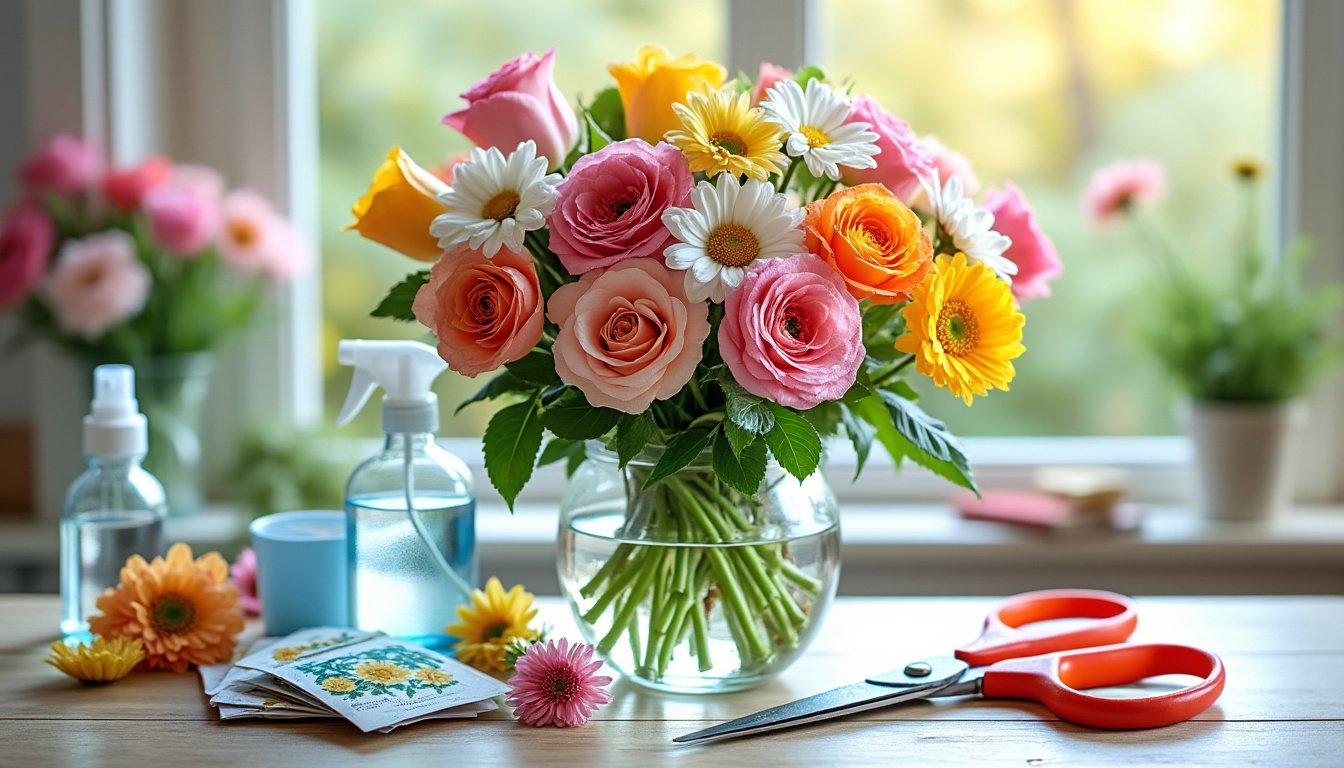
Choosing the right blooms from the start is foundational to ensuring your cut flowers remain vibrant and healthy for as long as possible. Expert florists like Jenn Sanchez advise treating flower shopping with the same scrutiny as selecting fresh produce at a market. For example, garden roses that display firm, partially closed heads with upright stems are ideal. These flowers are still in their prime and will sustain their freshness for days when properly cared for.
Conversely, fully open roses often indicate the flower is nearing the end of its life, typically lasting no more than a couple more days. This insight emphasizes the importance of selecting blooms with longevity in mind, especially if you want your flower arrangements to maintain their captivating appearance.
Another key consideration is the condition of other cuts in your bouquet. Look for stems that are firm and not wilting. Stems that appear shriveled or soft can signify dehydration or damage, which can cause premature wilting of the entire arrangement. Picking healthy, robust stems ensures a stronger floral display and longer-lasting blooms indoors.
When purchasing cut flowers, it’s useful to consider the origin of the blooms. Those locally sourced tend to have a fresher shelf life since they spend less time in transport and are less likely to have been out of water for extended durations. Understanding where your flowers come from can affect how you handle flower care upon arriving home. Locally grown flowers typically require less immediate hydration and careful conditioning compared to those shipped overnight or imported.
10 quick checks to spot low-quality supplements before you buy - plus research-backed doses for 12 common ingredients. Free PDF, no spam.
Additionally, be mindful of the flower variety you select based on their typical vase life. Some flowers naturally last longer than others once cut. For instance, carnations, chrysanthemums, and alstroemeria are known for longevity, while delicate flowers like tulips and daffodils have shorter indoor lifespans. Accounting for these differences allows you to craft flower arrangements that stay vibrant over time, combining long-lasting varieties for sustained freshness.
Retail flower stands and markets often provide fresh bouquets with flower preservatives included. However, not all places do so consistently. Therefore, understanding how to supplement or create your own flower food can be invaluable for maintaining freshness and vigor.
Expert recommendations about how to keep cut flowers fresh often begin with this crucial step of careful selection. It’s a simple yet powerful part of flower care that prevents premature wilting and increases your chances of enjoying your floral investment longer. For more insightful freshness tips and advice from florists, explore in-depth guides like the one available at RASNetwork Gardening.
Essential Vase Preparation and Stem Trimming for Maximum Hydration
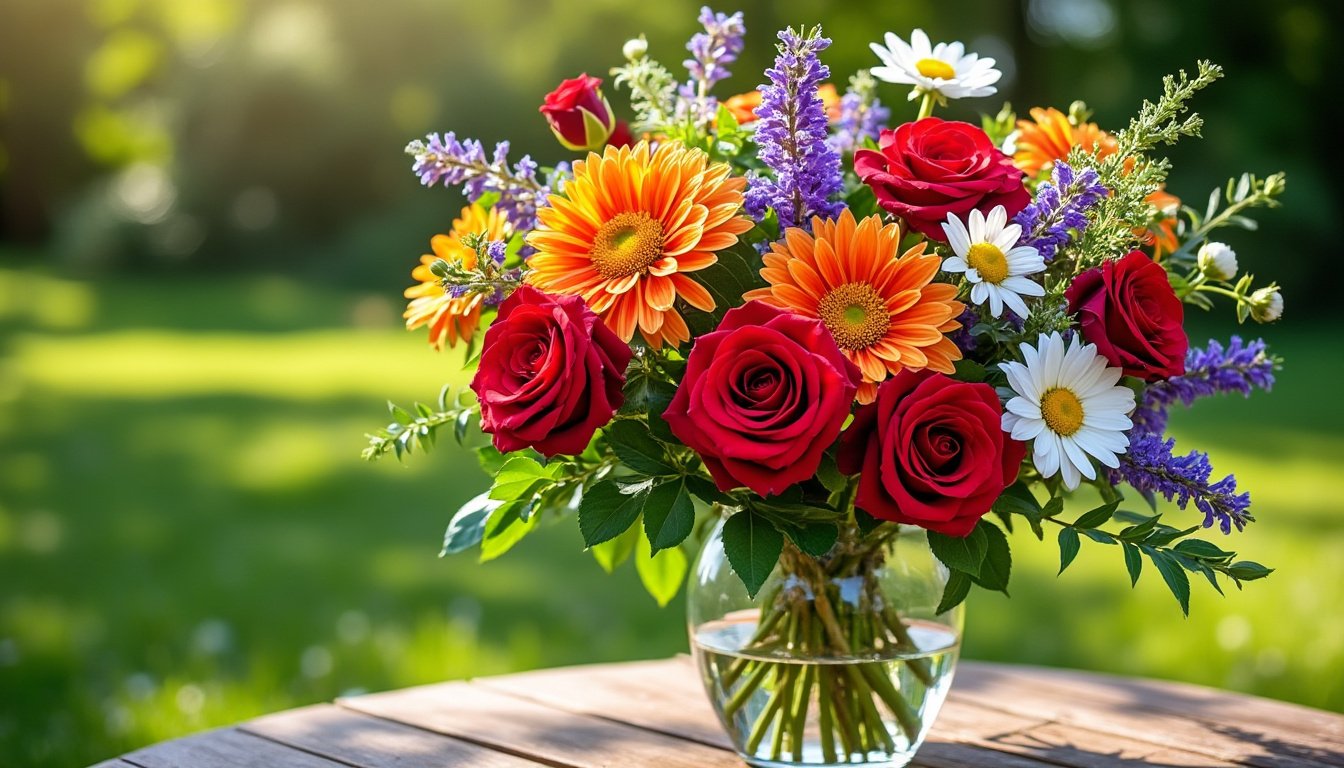
Even the most stunning flower arrangement can falter quickly if placed in an unclean or unsuitable vase. Los Angeles flower farmer Frankie Gniwodda stresses the critical importance of starting fresh with a spotless vessel. Leftover bacteria and residue from previous bouquets can significantly shorten the life of your cut flowers by introducing harmful microbes to the water.
To ensure a clean environment for your blooms, wash your vase thoroughly with hot, soapy water prior to each new arrangement. Rinse well to remove soap residues and fill with fresh, lukewarm water, which is generally more readily absorbed by flower stems than cold water. This practice aids the fresh water in delivering essential hydration to the stems immediately.
Next comes the crucial step of stem trimming. Cutting flower stems at a 45-degree angle increases the surface area for water intake and prevents the stems from resting flush against the vase bottom, which can block water flow. Use sharp scissors or a knife to create clean cuts, avoiding bruising or crushing the stems, which restricts their ability to absorb water.
It’s best to trim the stems right before placing your flowers in the vase. If your bouquet includes a floral preservative packet, add it to the water as directed. These preservatives balance the water’s pH, provide vital nutrients, and reduce bacterial growth, all of which contribute to longer-lasting flowers.
If no commercial preservative is provided, a simple homemade formula can suffice. Mixing a teaspoon of sugar (as a carbohydrate source) with a few drops of lemon juice or vinegar (to acidify the water) can effectively nourish the stems while maintaining a favorable environment that limits bacterial proliferation.
Remember, care routines don’t stop at preparation. Daily or at least every other day, changing the water, refreshing preservatives, and re-cutting stems can dramatically extend the life and vibrancy of your bouquet. Maintaining proper stem care and vase hygiene is a cornerstone of successful flower care.
For further tips on expert floral maintenance, including step-by-step stem trimming techniques and preservative recipes, see detailed advice at Plantisima’s secret flower hacks.
Watering Practices and Flower Preservative Usage to Enhance Vibrant Blooms
Proper watering is paramount for sustaining your cut flowers’ vibrancy. Cut flowers essentially depend on water uptake through their stems to maintain turgidity and prevent wilting. Dehydration is a primary cause of drooping blooms shortly after arriving home.
Since many commercially purchased cut flowers endure long shipping routes and storage without water, they begin life in your care in a dehydrated state. Immediately upon unwrapping your bouquet, stems should be dipped into fresh water to rehydrate effectively.
Tap water is often treated with chlorine and other chemicals, which can impede flower hydration or encourage bacterial growth. If possible, use filtered or lukewarm water to circumvent these issues and promote optimal water uptake. Adding commercial flower preservatives or a homemade substitute encourages flowers to absorb the liquid without bacterial interference.
Another vital watering tip is to keep an eye on the water levels inside the vase. It’s common for flowers to drink a substantial amount during their first 24 hours. Regularly topping off the vase ensures the cut ends remain submerged continually, which is crucial to keeping stems hydrated.
Aside from water quantity, temperature control of the water matters too. Lukewarm water simulates natural sap flow better than cold water, stimulating absorption. Also, avoid placing your vase in drafty areas or near vents where water temperature can fluctuate drastically, adversely affecting the flowers’ hydration process.
Following these watering best practices can delay the aging process of your flower arrangement and sustain vibrant blooms for longer periods.
Temperature Control and Placement Strategies for Freshness Longevity
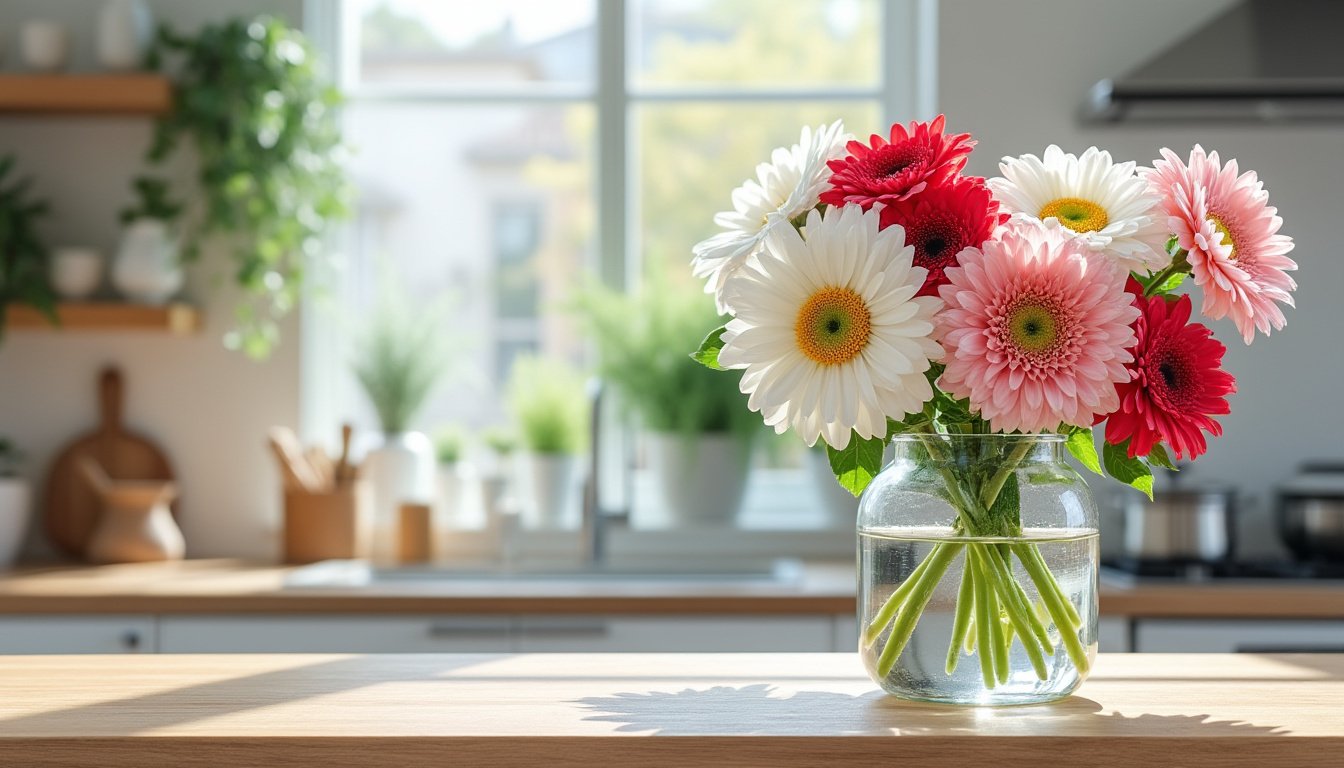
Just as fruits and vegetables last longer when stored in optimal conditions, so do cut flowers benefit tremendously from proper temperature management. Florists consistently advise placing flower arrangements in cooler, shaded areas away from direct sunlight or heat sources like heating vents and fireplaces.
Heat accelerates the respiration rate of flowers which increases their metabolism, causing faster deterioration. By keeping flowers out of sunlight and heat, consumers can slow down this process and extend freshness naturally. For homes that warm up during the day, moving the flower arrangement to a cooler space at night can make a significant difference.
Similarly, avoid drafts or locations near air conditioners and fans that can dry out the petals and leaves, leading to wilting. Maintaining a stable, cool environment reduces water loss through transpiration and helps keep the cut flowers looking vibrant and hydrated.
Indoor flowers thrive when conditions simulate a moderate climate—not too warm, not too dry. Some flower enthusiasts recommend placing your bouquet on a countertop away from windows or any source of temperature fluctuation. Routine repositioning based on room temperature dynamics might seem laborious but can pay off with days of additional bloom life.
More extensive information on temperature control and strategic placement for your flower arrangement can be found in expert tips provided by florists on trusted sites such as The Old Farmer’s Almanac.
Regular Maintenance: Water Changing, Stem Recutting, and Removing Wilting Blooms
The longevity of your flower arrangement depends heavily on ongoing maintenance. Expert flower farmers and florists recommend frequent inspection of the bouquet to gauge freshness and react accordingly.
Changing the vase water every two to three days eliminates bacterial buildup that can block water absorption and lead to premature wilting. While refilling, re-cut the stems to refresh the water uptake pathways, ideally by about half an inch at a 45-degree angle to promote maximum hydration.
Keeping the water line high enough to submerge the cut ends is essential. Flowers can dehydrate quickly if their stems are partially out of the water, especially in hot, dry indoor environments.
Another key maintenance tip is to remove any fading or wilting flowers promptly. As blooms age, they produce ethylene gas, which accelerates the aging of surrounding flowers in the bouquet. Removing spent blooms not only renews the appearance of your arrangement but also extends the life of the remaining flowers.
This habit also helps with visual appeal, ensuring that your floral display remains fresh and vibrant, making a lasting impression in your home or office.
Monitoring and caring for your bouquet daily will optimize the lifespan of your flowers. Detailed guides on this practice are available at sites focusing on flower care, such as Martha Stewart’s expert tips.
What is the best angle to cut flower stems for maximum water absorption?
Cutting flower stems at a 45-degree angle is optimal because it increases the surface area through which the flower can absorb water and prevents the stem from resting flat against the bottom of the vase, which can block water intake.
How often should I change the water in my cut flower vase?
It’s best to change the water every two to three days to prevent bacterial growth and to keep the water fresh, ensuring your flowers stay hydrated and vibrant.
Can I use tap water for cut flowers, or should I use filtered water?
While tap water is commonly used, it can contain chlorine and chemicals that may shorten flower life. Using filtered or lukewarm water helps extend the freshness of cut flowers by reducing exposure to harmful substances.
Why should I remove wilting flowers from the bouquet?
Wilting flowers produce ethylene gas that speeds up the aging and decay of nearby blooms. Removing these spent flowers helps preserve the freshness of the remaining flowers and maintains the bouquet’s vibrancy.
What room conditions are ideal for keeping cut flowers fresh?
Cut flowers last longer in cool, shaded areas away from direct sunlight, heat sources, and drafts. Keeping them in a stable environment with controlled temperature and humidity will help maintain their vibrancy.
10 quick checks to spot low-quality supplements before you buy - plus research-backed doses for 12 common ingredients. Free PDF, no spam.
