

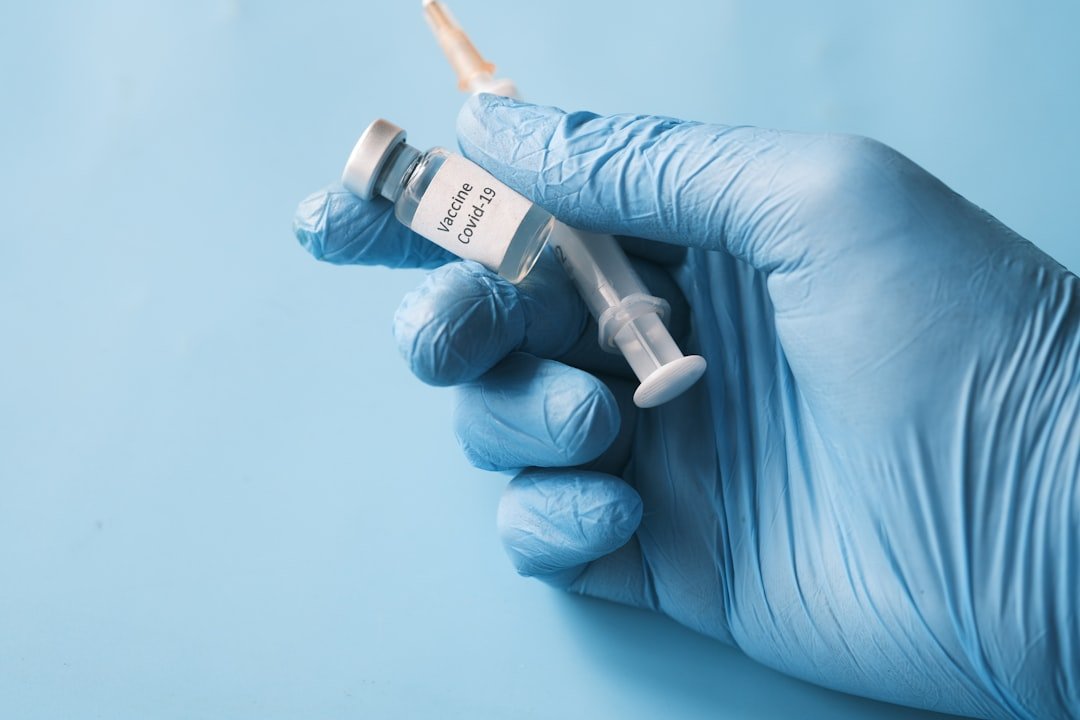
The specter of shingles, with its tell-tale painful rash and blistering misery, has long cast a shadow over our golden years. Affecting approximately one in three Americans, this viral resurgence can diminish the vibrancy of daily life, often culminating in the agonizing nerve pain known as postherpetic neuralgia. While the shingles vaccine offers a powerful defense, a common question echoes: how long does this shield truly endure? As we navigate 2026, understanding the lasting efficacy of your vaccine is paramount to maintaining your health and peace of mind. This deep dive will unravel the science behind its protection, guiding you through what to expect, who benefits most, and how to ensure this vital safeguard remains firmly in place for years to come.
In Brief: Shingles Vaccine Longevity
- The Shingrix vaccine offers protection for at least 7 years, with studies suggesting efficacy extends to 10 years or more.
- It boasts high effectiveness: 97% for ages 50-69, 91% for those 70 and older, and 68-91% for immunocompromised individuals.
- Crucially, Shingrix is 91% effective in preventing postherpetic neuralgia (PHN) for those 50+, a severe complication.
- The Centers for Disease Control and Prevention (CDC) recommends vaccination for all adults aged 50 and above, and those 19 and older with weakened immune systems, regardless of prior chickenpox or shingles history.
- Vaccination involves two doses, typically 2-6 months apart, though a shorter interval (1-2 months) is advised for those with compromised immunity.
- Medicare Part D usually covers the vaccine cost, and private health insurance and Medicaid may also offer coverage.
Decoding Shingrix’s Enduring Shield: A Look at Vaccine Longevity
For many, the shingles vaccine represents a hopeful barrier against a debilitating illness. The primary question isn’t just about getting the shot, but how long that protective embrace truly lasts. The good news, especially for those vaccinated in recent years with Shingrix, is that this shield is remarkably robust. Current data from extensive follow-up studies in 2026 continues to reinforce that Shingrix provides protection for at least seven years, with strong indications that this efficacy can extend for a decade or even longer for most individuals.
This enduring defense isn’t a mere statistical anomaly; it’s a testament to how the vaccine activates your body’s immune system, training it to fend off the varicella-zoster virus, the culprit behind shingles. It’s a proactive step, offering a sustained guard against an illness that becomes increasingly prevalent and severe with age. Understanding this longevity can transform concern into confidence, allowing you to plan for a future with one less worry.
10 quick checks to spot low-quality supplements before you buy - plus research-backed doses for 12 common ingredients. Free PDF, no spam.
Efficacy Across the Years: How Protection Holds Up
The strength of the Shingrix vaccine lies in its impressive efficacy rates, which remain high even years after administration. For adults aged 50 to 69, it stands at a remarkable 97% effective in preventing shingles. Even for those 70 years and older, who face a heightened risk, the vaccine offers a robust 91% protection. These figures are crucial because they demonstrate a sustained capability to ward off the infection across various senior age groups, providing a clear benefit for nearly all who receive it.
Moreover, for individuals aged 19 and older with weakened immune systems, a population often more vulnerable to severe outcomes, Shingrix still offers substantial protection, ranging from 68% to 91%. This adaptability underscores its broad utility. The vaccine essentially “teaches” your immune system to produce more antibodies and enhances its overall response, ensuring that the body is prepared to confront the virus should it reactivate. This deep-seated cellular memory contributes to the vaccine’s long-lasting power, making it a cornerstone of preventive health for older adults in 2026.
The Invisible Foe: Preventing Postherpetic Neuralgia
While preventing the shingles rash itself is a major victory, the vaccine’s true triumph often lies in its ability to thwart an even more insidious adversary: postherpetic neuralgia, or PHN. This debilitating complication can inflict severe, chronic nerve pain that lingers long after the rash has vanished, sometimes for months or even years. Imagine everyday tasks becoming excruciating, sleep elusive, and your quality of life significantly diminished. PHN is not just a secondary symptom; it’s a profound and persistent disruption.
Shingrix offers an extraordinary defense against this invisible foe, demonstrating 91% effectiveness in preventing PHN for adults aged 50 and over, and 89% for those 70 and older. These figures are especially important because they highlight the vaccine’s capacity to safeguard your long-term comfort and independence. By preventing the initial infection or significantly reducing its severity, the vaccine minimizes the chances of the nerve damage that leads to PHN, allowing older adults to maintain their active and joyful lifestyles without the burden of chronic pain.
Who Should Seek This Vital Protection, and When?
The question of who should receive the shingles vaccine and when is a critical one for many older adults and their families. The Centers for Disease Control and Prevention (CDC) provides clear guidance, recommending that all adults aged 50 years and older get vaccinated. This recommendation stems from the undeniable fact that the risk of developing shingles increases significantly with age, as our immune systems naturally become less robust over time. Taking this step is an investment in your future well-being, an proactive measure against a potentially severe illness.
Beyond this general age guideline, there’s also specific advice for younger adults with particular health considerations. Individuals aged 19 and older who have health conditions or are taking medications that can weaken their immune system should also consider getting the vaccine. This inclusive approach ensures that vulnerable populations receive protection sooner, aligning with a proactive health strategy that acknowledges individual needs and risk factors in 2026. Consulting with your healthcare provider is the best way to tailor these recommendations to your unique health profile.
Navigating Recommendations: Your Personal Vaccine Journey
The journey to protection against shingles sometimes comes with lingering questions, especially if you’ve had chickenpox, shingles before, or even a previous shingles vaccine like Zostavax. It’s a common misconception that past exposure or vaccination negates the need for Shingrix. However, the CDC unequivocally states that all adults aged 50 and above, along with those with weakened immune systems, should get the Shingrix vaccine regardless of their history. This advice is rooted in scientific understanding.
Having had chickenpox means the varicella-zoster virus is already dormant in your body, primed for reactivation. A prior shingles episode means you can absolutely get it again, as natural immunity often isn’t strong enough or long-lasting. Even if you received Zostavax, an older vaccine, its efficacy wanes significantly over time, particularly for older adults, and Shingrix offers superior, longer-lasting protection. Think of it as upgrading your shield; the new technology provides a far more formidable defense. Your personal health journey, therefore, calls for the most effective protection available today.
The Two-Dose Protocol: Timing is Key for Robust Immunity
Achieving the full, powerful protection offered by the shingles vaccine, specifically Shingrix, hinges on completing the recommended two-dose protocol. This isn’t a suggestion but a crucial step to ensure your immune system builds the strongest, most enduring defense. After receiving the first dose, the second dose is typically administered two to six months later. This interval allows your immune system to develop a foundational response, which is then significantly bolstered by the follow-up shot.
For individuals with immunodeficiencies, however, the timeline is slightly adjusted to optimize their protection. They benefit from completing the treatment in a shorter timeframe, usually receiving the second vaccine one to two months after the first. This accelerated schedule ensures that those most vulnerable achieve robust immunity as quickly as possible. Adhering to this precise timing is vital; it’s the scientifically proven path to unlocking the vaccine’s full potential and securing long-term protection against both shingles and its painful complications.
Understanding the Vaccine’s Inner Workings and What to Expect
Knowing how the shingles vaccine works can provide reassurance and demystify the process. Unlike some vaccines that use live, weakened viruses, Shingrix contains inactivated pieces of the virus. This clever design means it can’t actually cause shingles or chickenpox, but it’s still incredibly effective at teaching your body’s immune system. Think of it as showing your immune system a “mugshot” of the virus, preparing it for a real encounter without any risk of illness. This process allows your body to build a strong immunity, ready to confront the actual virus if it ever attempts to reactivate.
The vaccine also includes special molecules that act like a drill sergeant for your immune system, ensuring the response is not just strong, but also long-lasting. This comprehensive approach is why the vaccine is so effective at preventing both shingles and its often agonizing complication, postherpetic neuralgia (PHN). Understanding these mechanics helps to underscore the vaccine’s ingenuity and its role as a powerful tool in your health arsenal, offering peace of mind by actively boosting your body’s natural defenses.
How Your Body Builds an Impenetrable Shield
The science behind how Shingrix creates such an enduring shield is both elegant and effective. When you receive the vaccine, you’re not getting a live virus; instead, it delivers tiny, inactivated fragments of the varicella-zoster virus. Your body’s immune system, recognizing these fragments as foreign, springs into action. It diligently begins to produce specific antibodies – your body’s specialized defenders – that are trained to neutralize the virus.
Crucially, Shingrix also contains an adjuvant, a special ingredient that acts as a potent stimulator for your immune response. This adjuvant significantly amplifies and prolongs the body’s antibody production and cellular immunity, making the protective response much stronger and more durable than it would be otherwise. It’s like sending your immune system to an advanced training camp, equipping it with the skills and memory to effectively keep the shingles virus at bay for many years. This sophisticated process is why the vaccine significantly lowers your risk of shingles and its severe complications.
Decoding Side Effects and Contraindications
Like any medication or vaccine, the shingles vaccine can come with some temporary side effects, which are generally mild and indicate your immune system is learning. The most common reactions occur at the injection site: soreness in the arm, redness, and swelling. Beyond that, some individuals might experience muscle pain, tiredness, shivering, a mild fever, stomach pain, or nausea. These symptoms are typically short-lived, resolving within a few days, and are a small price to pay for years of protection against shingles.
However, there are specific situations where the vaccine is not recommended. If you currently have shingles, it’s advised to wait until the infection clears. Pregnant women or those actively trying to conceive should not receive the vaccine. Similarly, anyone with a severe allergy to any component of the shingles vaccine should avoid it. While a mild cold generally doesn’t prevent vaccination, individuals experiencing a moderate or severe illness, with or without a fever, should postpone their vaccination until they are feeling well again. Always discuss your health status with your doctor to ensure the vaccine is right for you.
Securing Your Shot: Navigating Payment and Accessibility in 2026
The cost of preventive healthcare can sometimes be a barrier, but fortunately, accessing the shingles vaccine is often more straightforward than many realize, especially in 2026. Understanding your coverage options can alleviate financial concerns and empower you to take this vital step for your health. The key is knowing which avenues of support are available, primarily through federal health programs and private insurance providers, each with its own set of guidelines and benefits designed to make the vaccine accessible.
For older adults, Medicare is a primary resource, and its specific parts dictate coverage for vaccines. For others, private health insurance plans play a significant role, though their terms can vary. Additionally, state-level programs like Medicaid may offer assistance. This multi-faceted approach aims to ensure that financial constraints do not prevent individuals from receiving the strong, long-lasting protection against shingles that the vaccine offers.
Unraveling Medicare Part D and Private Insurance Coverage
For most adults aged 65 and older, Medicare is their primary health coverage, and understanding its intricacies is vital for vaccine accessibility. While Medicare Part A (hospital insurance) and Part B (medical insurance) typically do not cover the shingles vaccine, Medicare Part D, which covers prescription drugs, generally does. If you are enrolled in a Part D plan, your vaccine costs, including administration fees, will usually be covered, though you may still have a co-pay or deductible depending on your specific plan. It’s always a good practice to contact your Part D provider directly to confirm your coverage details and any out-of-pocket expenses for 2026.
For those with private health insurance, coverage for the Shingrix vaccine is also common. Most private plans recognize the preventive value of the vaccine and include it in their benefits. However, the exact amount covered, any co-pays, deductibles, or whether the vaccine needs to be administered by an in-network provider, can vary significantly from one plan to another. A quick call to your insurance provider’s member services line can clarify your specific benefits and help you understand any potential costs upfront, ensuring a smooth vaccination process.
Medicaid and Other Avenues for Support
Beyond Medicare and private insurance, Medicaid can serve as a crucial lifeline for many in accessing the shingles vaccine. Medicaid, a joint federal and state program, provides health coverage to millions of Americans with limited income and resources. However, it’s important to note that Medicaid’s coverage for the shingles vaccine can vary considerably from state to state. Some states may cover the vaccine fully, while others might have specific eligibility requirements or limits. If you are a Medicaid recipient, contacting your state’s Medicaid office or your managed care plan directly is the most reliable way to determine your coverage and any steps you need to take to get vaccinated.
For individuals who might not have comprehensive insurance coverage, or who face significant out-of-pocket costs, other avenues for support may exist. Many pharmaceutical companies offer patient assistance programs that can help cover vaccine costs for eligible individuals. Additionally, local public health clinics or community health centers may offer vaccines at a reduced cost or provide guidance on accessing financial aid. Exploring all these options ensures that financial concerns do not prevent you from receiving this important protection against shingles.
| Aspect of Protection | Key Details (2026) | Efficacy / Coverage |
| Vaccine Name | Shingrix (recommended over Zostavax) | N/A |
| Duration of Protection | At least 7 years, likely 10+ years | N/A |
| Doses Required | Two doses for full protection | N/A |
| Efficacy (Ages 50-69) | Against Shingles | 97% |
| Efficacy (Ages 70+) | Against Shingles | 91% |
| Efficacy (Immunocompromised) | Against Shingles | 68-91% |
| PHN Prevention (Ages 50+) | Against Postherpetic Neuralgia | 91% |
| PHN Prevention (Ages 70+) | Against Postherpetic Neuralgia | 89% |
| Medicare Coverage | Generally covered under Part D | Varies by plan |
| Private Insurance | Often covered | Varies by plan |
| Medicaid Coverage | Varies by state | Varies by state |
The journey to lasting protection against shingles is a proactive step towards a healthier, more comfortable future. With the robust and enduring shield offered by the Shingrix vaccine, you have the power to significantly reduce your risk of this painful disease and its debilitating complications. Don’t let uncertainty stand in the way of your well-being. We strongly encourage you to speak with your healthcare provider today to discuss your eligibility, vaccination schedule, and any questions you may have. Take control of your health in 2026 and secure your peace of mind.
10 quick checks to spot low-quality supplements before you buy - plus research-backed doses for 12 common ingredients. Free PDF, no spam.
