

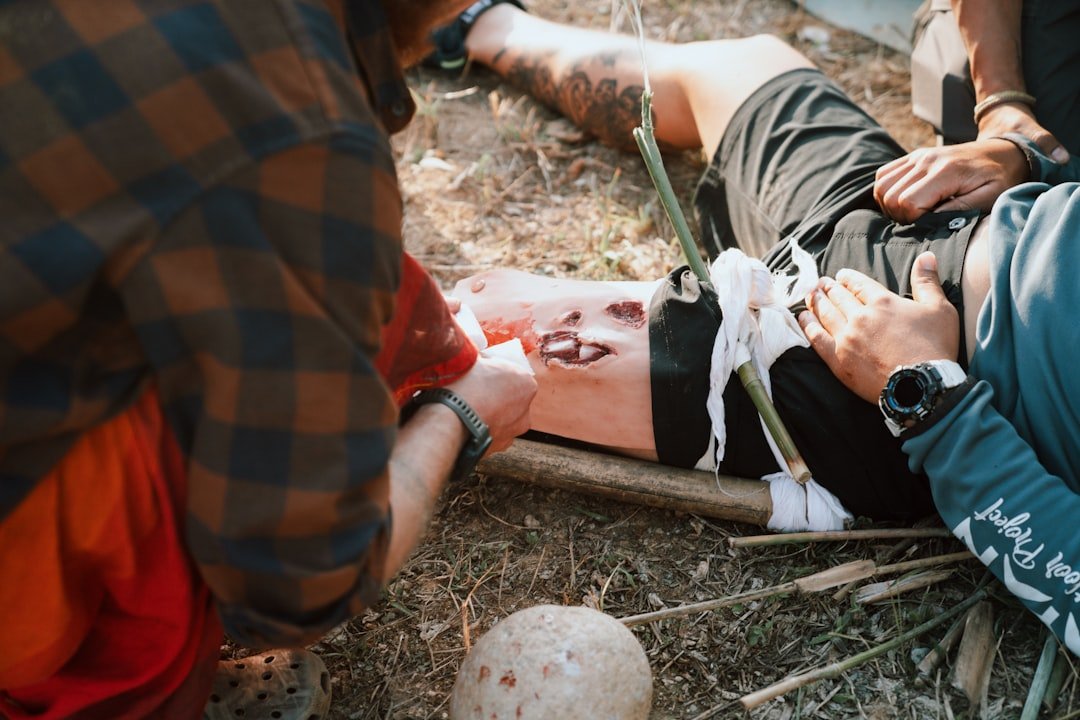
The flicker of a stovetop flame or the sudden spill of a scalding cup of tea can rewrite the script of an afternoon in mere seconds. For older adults navigating the later stages of life, the skin tells a beautiful story, yet it becomes increasingly fragile and susceptible to extreme temperatures. When an unexpected thermal trauma occurs, the aftermath extends far beyond the initial sting and emergency triage. Survivors often find themselves standing at the threshold of a completely altered reality, where every movement feels like negotiating with a rigid and unforgiving canvas. In 2026, the intersection of advanced dermatological care and holistic wellness offers unprecedented hope, but the daily physical toll remains a formidable mountain to climb. The journey from the hospital ward to the comfort of one’s own living room is paved with complex therapies, emotional recalibrations, and a profound redefinition of independence. Unraveling the intricate ways these traumas reshape routine tasks is crucial for fostering an environment of empathy. Through targeted rehabilitation and a deep understanding of the invisible scars, victims can gradually reclaim the steady rhythm of their everyday existence.
In Brief
— Severe skin trauma significantly limits joint flexibility, requiring immediate and ongoing physical therapy to prevent permanent stiffness.
— Daily routines such as dressing, cooking, and bathing often become monumental tasks, demanding adaptive tools or caregiving support.
10 quick checks to spot low-quality supplements before you buy - plus research-backed doses for 12 common ingredients. Free PDF, no spam.
— The invisible psychological weight, including anxiety and changing body perceptions, plays a major role in the overall recovery timeline.
— Advanced surgical interventions and targeted occupational strategies in 2026 are transforming the way survivors regain their autonomy.
Understanding The Depths: How Different Burn Severities Alter Your Daily Mobility
The classification of dermal damage dictates the trajectory of a survivor’s recovery and the specific hurdles they will face at home. Superficial incidents, affecting only the outermost layer, bring a sharp redness and a fleeting ache that typically resolves before the week is out. These minor events serve as a gentle reminder to be cautious but rarely leave a lasting imprint on physical capabilities.
Deeper wounds penetrate the dermis, bringing forth intense swelling and painful blisters that require meticulous attention. While these injuries are entirely treatable with modern protocols, they introduce a temporary pause in one’s usual pace, demanding rest and gentle movements. The true threat to independence arises when the trauma destroys both superficial and deep tissues, sometimes reaching muscles or tendons.
Such severe destruction transforms the affected area into a stiff, unyielding barrier. Consider Arthur, a retired architect whose momentary distraction near a garden fire pit led to extensive lower-limb damage. His recovery demanded more than just time; it required a complete recalibration of how he navigated his home. Knowing the severity of the damage is the first step toward taking appropriate initial medical measures and setting realistic expectations.
From Minor Missteps To Major Dermal Traumas
When a severe burn occurs near a crucial joint, such as the knee or the elbow, the resulting scar tissue acts like a tight band restricting natural flexion. This physiological response turns the simple act of standing up from a chair into a grueling exertion. The more profound the wound, the more aggressive the subsequent limitations become.
Without immediate and sustained intervention, the tightening skin can lock joints into compromised positions. This phenomenon underscores the necessity of continuous stretching and movement, even when every instinct screams to remain still. Early assessment by specialists ensures that the long-term impacts on ambulation and dexterity are mitigated as much as therapeutically possible.
The Physical Hurdles: Navigating Reduced Range Of Motion And Persistent Discomfort
The physical aftermath of a significant thermal injury ripples through the body long after the final bandages are removed. Healing skin often thickens and contracts, pulling tightly across the underlying musculature and severely diminishing one’s natural range of motion. For older adults who already battle age-related stiffness, this additional restriction can feel like navigating through deep water.
Pain often lingers like an unwelcome shadow, evolving from a sharp sting into a chronic, hypersensitive ache. The newly healed tissue remains exceptionally vulnerable to the elements, registering hot water or a cold breeze as agonizing shocks. Even the friction of ordinary clothing can become unbearable, forcing individuals to abandon their favorite garments for loose, specialized fabrics.
Loss of foundational strength presents another profound obstacle. When deeper tissues are compromised, the muscles themselves lose their former vigor, making it nearly impossible to hold a teacup or turn a doorknob. This sheer muscular exhaustion turns an ordinary morning routine into a marathon of endurance.
The Hidden Weight Of Sensitivity And Weakness
Hypersensitivity alters the way survivors interact with their environment on a minute-by-minute basis. A simple pat on the back from a grandchild or the brush of a blanket can trigger an intense pain response. This sensory overload forces many to constantly guard their bodies, altering their posture and gait to protect the vulnerable zones.
Muscle control degradation further complicates the healing timeline, requiring specialized equipment just to move safely from room to room. In our current landscape of 2026, many homes are being retrofitted with adaptive technologies to support this delicate phase of regaining autonomy.
| Burn Severity Level | Typical Mobility Impact | Estimated Functional Recovery Focus |
|---|---|---|
| Superficial Trauma | Minimal restriction, localized tenderness | Basic pain management and brief rest |
| Partial-Thickness Damage | Temporary joint stiffness, sensitivity to touch | Gentle stretching and protective dressings |
| Full-Thickness Injury | Severe contracture, significant muscle weakness | Intense daily therapy and potential surgical grafts |
The Emotional Tapestry: Weaving Through Body Image And Social Isolation
Healing a wound is a visible process, but mending the mind requires a delicate, invisible touch. A drastically altered appearance often shatters a person’s self-esteem, prompting a deep-seated hesitation to step back into the public eye. The mirror reflects a changed version of oneself, leading to profound body image struggles that can paralyze a survivor’s social life.
Anxiety and lingering trauma frequently accompany the physical healing, replaying the distressing event in quiet moments. It is entirely common for individuals to avoid activities they once cherished, fearful of intrusive questions or pitying glances from neighbors. This self-imposed exile only deepens the emotional chasm, making the return to normalcy feel perpetually out of reach.
How does one rebuild an active social calendar when the mere thought of stepping outside triggers a wave of panic? The answer lies in compassionate psychological support and slowly re-entering safe, controlled environments. Fostering connections with those who truly understand the journey is a vital component of holistic healing.
Reclaiming Confidence In A Modern World
Modern therapeutic approaches treat the emotional scars with the same urgency as the physical ones. Support groups have evolved into immersive, empathetic spaces where older adults can share their triumphs and setbacks without judgment. Hearing stories of resilience, such as finding inspiration in fellow survivors, lights a pathway out of the darkness.
As mental fortitude strengthens, the desire to participate in life’s simple pleasures naturally returns. Slowly, the focus shifts from hiding the scars to wearing them as badges of an incredibly difficult battle won.
Long-Term Rehabilitation: The Path To Restoring Independence In 2026
Rehabilitation is an ongoing dialogue between a survivor’s determination and their body’s capacity to adapt. Physical therapists act as indispensable guides, systematically breaking down the barriers of stiff scar tissue through targeted, repetitive motions. Without this daily dedication, the skin would simply lock the joints into immobility, stripping away the ability to walk or reach.
Occupational therapy steps in to bridge the gap between physical capability and the demands of everyday life. These specialists teach ingenious workarounds, showing patients how to maneuver a toothbrush or fold laundry when their hands refuse to cooperate. In severe scenarios, reliance on wheelchairs or walkers becomes a temporary, yet vital, part of the landscape.
When conservative methods reach their limits, advanced surgical interventions enter the narrative. Techniques involving cellular regeneration and precision skin grafting have advanced remarkably, offering functional restoration that was unimaginable a decade ago. These procedures dismantle the restrictive bands of scar tissue, granting the body permission to move freely once more.
Modern Interventions And Surgical Advancements
The operating room is often the setting for life-changing breakthroughs in mobility. Surgeons carefully remove the tightest constraints, replacing them with flexible grafts that integrate seamlessly with the patient’s own biology. This medical artistry physically unlocks the trapped joints, paving the way for a more active lifestyle.
Yet, the true magic happens in the living room, where adaptive devices and a renewed sense of purpose collide. The journey from trauma to triumph is arduous, but with the right blend of science, therapy, and unyielding spirit, reclaiming one’s daily life is an achievable reality.
10 quick checks to spot low-quality supplements before you buy - plus research-backed doses for 12 common ingredients. Free PDF, no spam.
