
Close Menu
    Follow us on Google News
    Follow Livewell Magazine on Google News
    Facebook X (Twitter) Instagram
    LiveWell Magazine
    Facebook
    Follow LiveWell Magazine on Google News
    • Cancer

      The “Silent Killer”: 2 Hidden Signs of Pancreatic Cancer You Can Spot Years in Advance

      April 20, 2026

      Barry Manilow Opens Up About Embracing Healthier Lifestyle Choices During His Cancer Battle

      April 8, 2026

      Healthy Dad’s Unexpected Cancer Diagnosis Revealed After Ignoring Nighttime Bathroom Trips: ‘A Heartbreaking Surprise’

      February 22, 2026

      BREAKING NEWS: Gene therapy for sickle cell disease: a medical breakthrough still out of reach for many

      December 29, 2025

      How Your Drinking Habits Could Significantly Increase Your Cancer Risk

      December 28, 2025
    • Fitness

      Why does every step matter in your unique running journey?

      May 21, 2026

      How does age impact athletic prowess and power?

      May 19, 2026

      How can you stay active and healthy by embracing winter fitness with outdoor sports?

      May 14, 2026

      How does afternoon exercise transform your blood sugar levels?

      May 7, 2026

      At 100, the ‘First Lady of Fitness’ Shares Her Daily Workout Secrets and One Must-Have Food

      April 15, 2026
    • Health

      How can fast verification tools transform patient care and enhance health outcomes?

      May 15, 2026

      How can you choose the best functional medicine doctor for your health journey?

      May 5, 2026

      How can better patient-doctor communication help you stay on track with your medication?

      April 8, 2026

      What can an infectious disease doctor’s experiences in Kazakhstan and America teach us about global health?

      April 3, 2026

      Federal Judge Hits Pause on HHS Secretary Kennedy’s Vaccine Policy Overhaul

      March 18, 2026
    • Lifestyle

      Can these 6 yoga poses provide instant relief for your period cramps?

      May 28, 2026

      How will the new travel advisory for individuals with “x” gender markers affect your travel wellness?

      May 22, 2026

      What are the surprising life lessons from a freezing cold experience in rural Japan?

      May 11, 2026

      What are some simple tips for maintaining a clean dog mouth?

      May 4, 2026

      How can you break free from the sitting trap and revitalize your life?

      April 22, 2026
    • Nutrition

      Could a daily glass of orange juice be the secret to heart health and longevity?

      June 3, 2026

      Which 14 superfoods can help boost your heart health and slash cholesterol?

      June 2, 2026

      Which foods should you select to protect against age-related health concerns?

      June 1, 2026

      How could eating pickles daily affect your blood pressure?

      May 25, 2026

      Which are the 6 surprising foods that could be sabotaging your health?

      May 22, 2026
    • Senior

      What are the essential approaches for promoting high-quality senior care and independence?

      May 6, 2026

      Nurturing Your Gut After 50: 7 Essential Habits for Lasting Digestive Wellness

      April 3, 2026

      Nourishing Your Golden Years: 10 Essential Nutrition Habits to Promote Healthy Aging and Maintain Independence After 60

      March 27, 2026

      Wound Care Revolution: How a New Medicare Payment System Aims to Cut Waste in Senior Care

      March 19, 2026

      The $2,000 Cap is Here: How the New Annual Out-of-Pocket Drug Limit Saves Seniors Thousands

      March 17, 2026
    • Trends

      What are the innovative techniques in permanent makeup for aesthetic and restorative purposes?

      June 2, 2026

      How could the 7 surprising travel trends of 2026 disrupt your wellness plans and how can you navigate them?

      April 15, 2026

      Which innovative skincare trends will shape the industry in 2026 according to Uliana-Sofiia Savchenko?

      April 6, 2026

      Transparency at HHS: How the New “Radical Transparency” Initiative Aims to Expose Big Pharma Conflicts

      March 13, 2026

      How Wearable Technology Could Spark a Revolution in Healthier Living

      February 5, 2026
    • Wellness

      Could Spain being crowned the top digital nomad destination of 2026 benefit your work-life wellness?

      June 1, 2026

      How can heartfelt reunions at U.S. airports enhance your emotional wellness?

      May 28, 2026

      How will the loss of Bali’s private beaches affect your wellness travel?

      May 27, 2026

      How will the new sleeper train connecting Basel, Copenhagen, and Malmö enhance your travel wellness in 2026?

      May 26, 2026

      How can you revitalize your skin with the Ulike red light therapy mask?

      May 26, 2026
    Subscribe
    LiveWell Magazine
    Home»Trauma & Emergency Care»5 shocking myths about trauma & emergency care – debunked by science
    Trauma & Emergency Care

    5 shocking myths about trauma & emergency care – debunked by science

    Tina NguyenBy Tina NguyenNo Comments
    Facebook Twitter Email WhatsApp Pinterest LinkedIn Reddit Telegram Threads
    Share
    Facebook Twitter LinkedIn Email Reddit Telegram WhatsApp Threads

    In a medical emergency, acting fast is critical—but so is acting correctly. Every second matters when someone’s life or long-term health is on the line. In those moments, the decisions made by bystanders, first responders, or even the injured person themselves can significantly influence the outcome. But what happens when those decisions are based on false information?

    Unfortunately, many widely believed ideas about trauma and emergency care are not just outdated—they’re dangerously wrong. These myths, shaped by movies, television shows, social media, or misunderstood advice from years past, often lead people to take actions that cause more harm than good. From misguided CPR techniques to assumptions about visible injuries, these misconceptions can turn a critical situation into a fatal one.

    As trauma specialists, we’ve witnessed the real-life consequences of these false beliefs. We’ve seen patients arrive at emergency rooms in worse condition because someone removed an object from a wound too soon, or delayed care due to underestimating hidden injuries. Misinformation doesn’t just complicate our job—it costs lives.

    That’s why it’s time to set the record straight. In this article, we’ll address five of the most persistent and shocking myths about emergency and trauma care, and explain what science, field experience, and current best practices tell us instead. If you’ve ever wondered what to do in an emergency—or want to make sure you’re ready to respond the right way—this is for you.

    Myth 1: You should tilt the head back during CPR

    One of the oldest myths in basic life support is the idea that tilting the head far back helps someone breathe better. In fact, hyperextension of the neck can block the airway or worsen spinal injuries in trauma patients. The current standard is to use the head-tilt, chin-lift technique carefully—only if spinal trauma is not suspected.

    Related Article :  What to do in a medical emergency — step by step

    For unconscious patients where spinal injury is possible, the recommended approach is the jaw-thrust maneuver, which opens the airway without moving the neck. This technique is safer and more appropriate in trauma situations.

    Myth 2: You should remove an object stuck in a wound
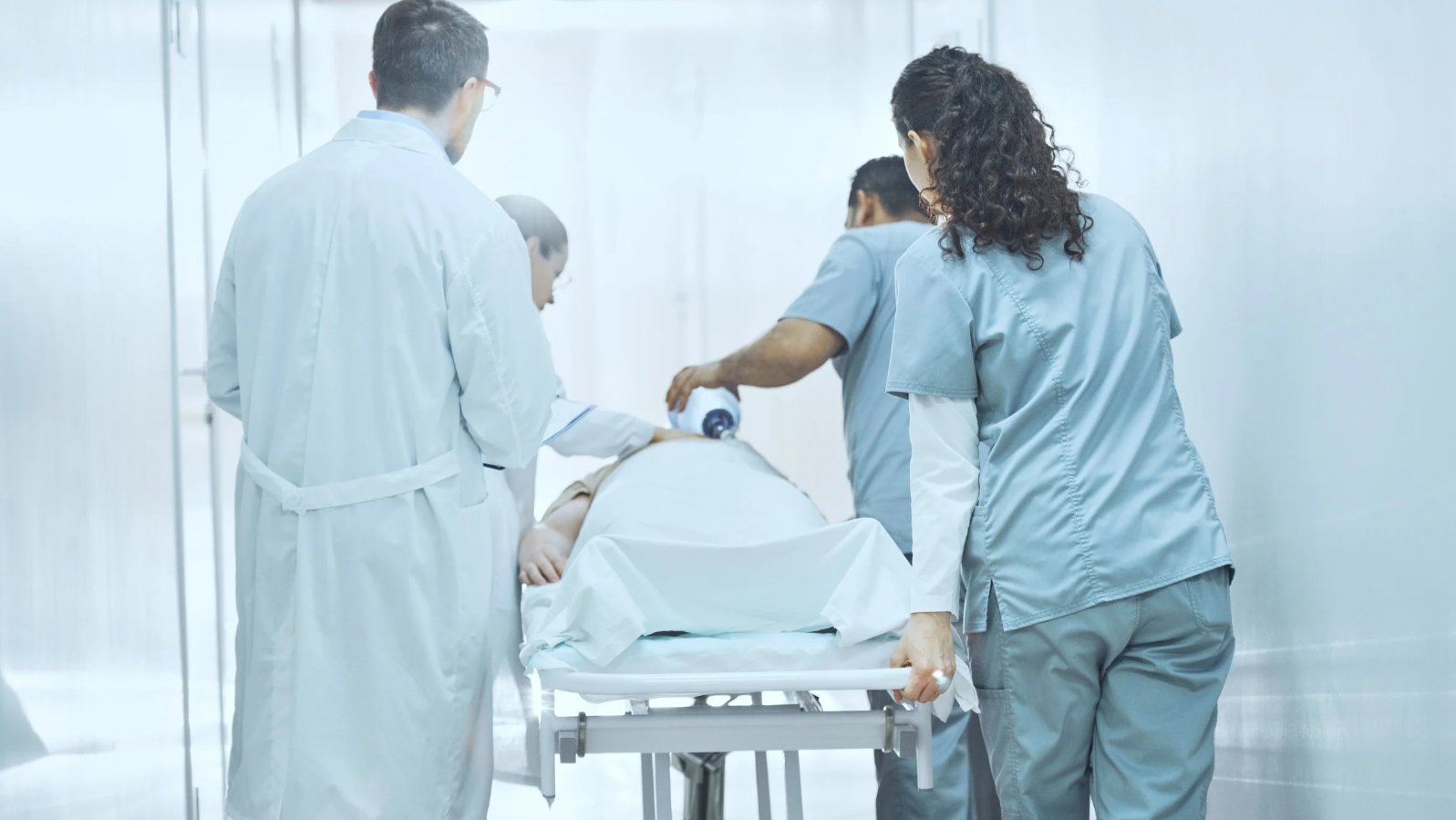
    Many people think that pulling out a knife, glass shard, or other embedded object will help stop the damage. In reality, removing an object can cause catastrophic bleeding or worsen internal injuries. That object may be acting as a plug that prevents severe blood loss.

    The correct approach is to stabilize the object in place using gauze or soft padding and wait for trained professionals. Only in a hospital setting, under controlled conditions, should foreign objects be removed from wounds.

    Myth 3: Trauma is only physical

    When we hear the word “trauma,” most people picture broken bones or bleeding wounds. But trauma goes far beyond the physical. Psychological trauma, including acute stress, shock, and PTSD, can develop immediately or gradually after an event.

    Emergency care must address both visible and invisible injuries. Survivors of car accidents, assaults, or natural disasters often need follow-up mental health support even when they appear physically unscathed. Ignoring emotional trauma can delay healing and increase long-term complications.

    Myth 4: You’ll always know if you’re bleeding internally
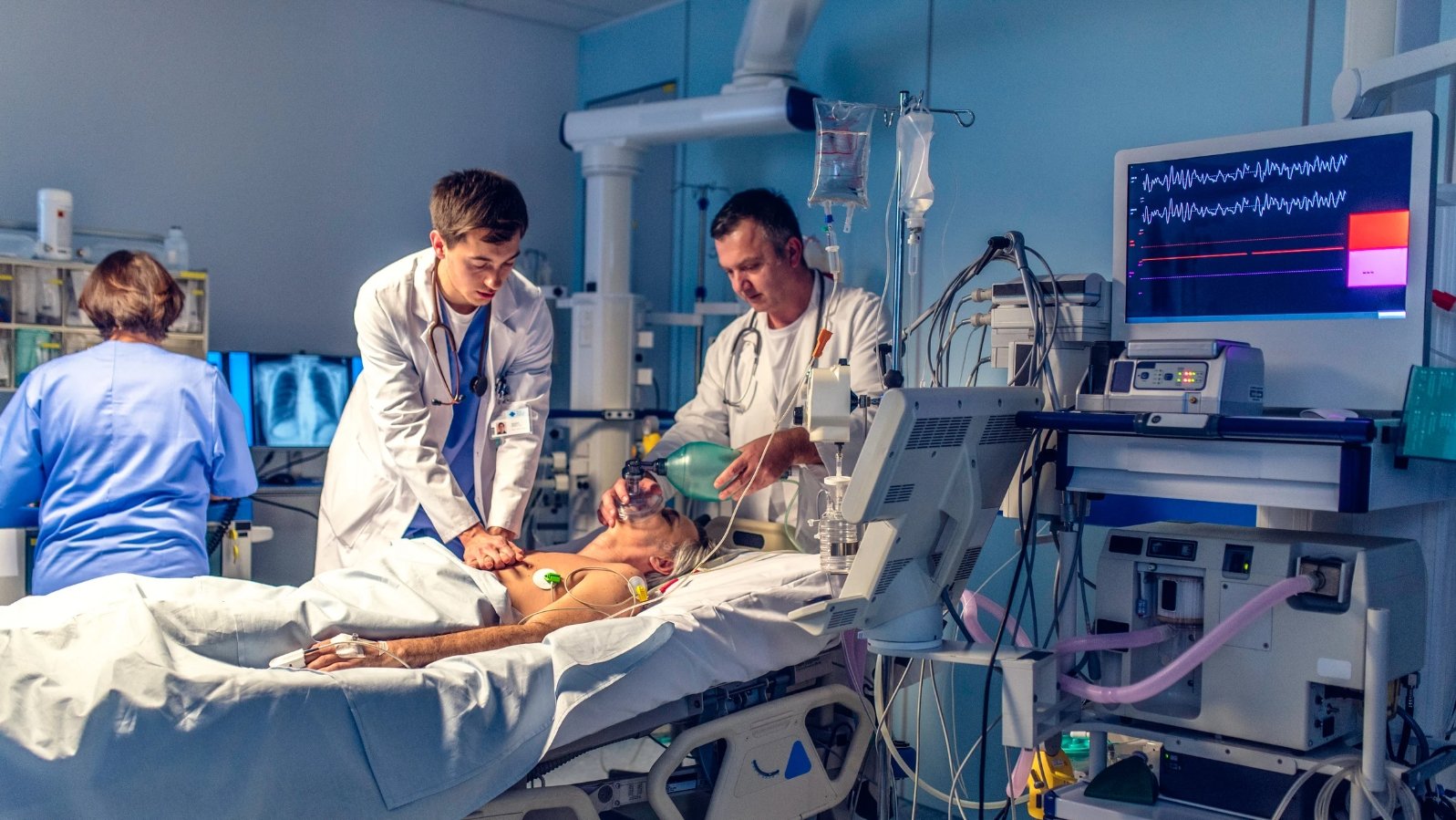
    Internal bleeding can be silent, slow, and deadly. Some patients walk into emergency rooms unaware that they are experiencing life-threatening internal hemorrhage. Symptoms like dizziness, cold sweat, nausea, or confusion may be subtle or delayed.

    High-impact accidents—even without external wounds—can cause bleeding in the abdomen, chest, or brain. That’s why trauma evaluations include imaging tests such as CT scans or focused ultrasound to identify hidden damage early.

    Related Article :  What to do in a medical emergency — step by step

    Myth 5: Anyone who can talk or walk doesn’t need trauma care

    This dangerous misconception can lead to delays in care after serious injuries. The ability to talk or walk does not rule out spinal injuries, internal bleeding, or shock. Many trauma patients are lucid during the “golden hour” but quickly deteriorate.

    First responders are trained to assess more than surface signs. If someone has experienced a significant fall, crash, or blow, they should be evaluated—even if they seem okay initially. Never assume someone is fine based on behavior alone.

    Trauma care is about making smart, evidence-based decisions under pressure. By understanding what truly helps—and what might harm—you can be better prepared to protect yourself or assist others in a critical moment.

    Don’t rely on myths. Rely on training, verified guidelines, and when possible, professional support. In trauma care, knowledge saves lives—sometimes before the ambulance even arrives.

    Follow on Google News
    Share. Facebook Twitter LinkedIn Email WhatsApp Reddit Telegram Threads Copy Link
    Previous ArticleHow preventive health habits differ around the world – and what we can learn
    Next Article The surprising link between seasonal health and happiness
    Avatar photo
    Tina Nguyen

    Tina has been a health journalist for over ten years, reporting from various countries around the world. Her international experience gives her a unique and nuanced perspective on global wellness trends, public health challenges, and cultural approaches to healthy living. Known for her curiosity and clarity, Tina strives to deliver reliable, well-researched content that resonates with diverse audiences. She is passionate about making health information both engaging and empowering for readers everywhere.

    Continue reading

    How do burn injuries affect your daily life and mobility?

    By Amelie Goujon

    What to do in a medical emergency — step by step

    By Tina Nguyen

    Stroke center care made the difference: finding relief after an aneurysm

    By Frank Jost

    Seconds matter: the quick thinking outside the ER that saved a man’s life

    By Frank Jost

    What to do in a medical emergency — step by step

    By Amelie Goujon

    What to do in a medical emergency — step by step

    By Amelie Goujon

    What to do in a medical emergency — step by step

    By Amelie Goujon

    What to do in a medical emergency — step by step

    By Amelie Goujon

    What to do in a medical emergency — step by step

    By Amelie Goujon

    What to do in a medical emergency — step by step

    By Amelie Goujon

    A single shot for cancer? The breakthrough therapy researchers are betting on

    By Frank Jost

    Is trauma & emergency care the secret to a longer life? Here’s what new research says

    By Amelie Goujon
    Add A Comment
    Leave A Reply Cancel Reply

    Subscribe to Our Newsletter

    Join the Live Well Magazine Newsletter and get exclusive tips on health, wellness, lifestyle, and personal growth — straight to your inbox.

    Trending
    Nutrition

    Could a daily glass of orange juice be the secret to heart health and longevity?

    Trends & Innovation

    What are the innovative techniques in permanent makeup for aesthetic and restorative purposes?

    Nutrition

    Which 14 superfoods can help boost your heart health and slash cholesterol?

    What are Sylvester Stallone’s secrets to vitality and strength at 79?

    Health Products

    What is the reality behind Nature’s Garden CBD?

    Wellness

    Could Spain being crowned the top digital nomad destination of 2026 benefit your work-life wellness?

    Facebook
    • About us
    • Contact us
    • Contributors
    • Legal
    • Privacy
    © 2026 livewellmagazine.org.

    Type above and press Enter to search. Press Esc to cancel.