

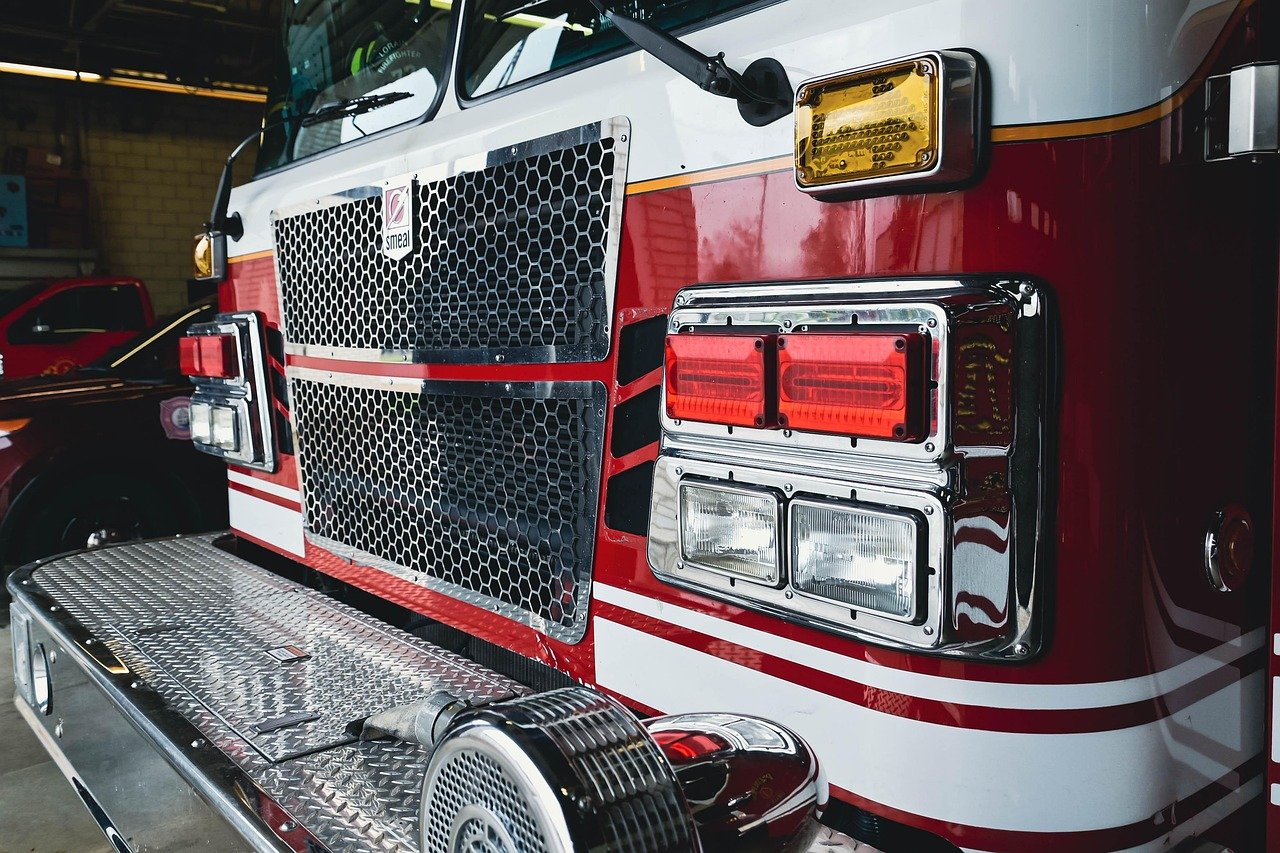
When a medical crisis strikes, the moments between the incident and the arrival of professional help are often the most critical. In these precious seconds, the actions of ordinary people can set the stage for extraordinary outcomes. This isn’t just about the flashing lights and sirens of an ambulance; it’s about the courage of a bystander, the clarity of a 911 dispatcher, and the incredible synergy of a community ready to act. In bustling urban landscapes like Southern California, where traffic and distance can be formidable foes, the fusion of human quick thinking and technological innovation is saving lives daily. From community CPR training to AI-powered dispatch systems, the chain of survival is being forged stronger than ever, proving that a single, decisive action can rewrite a person’s entire future.
In Brief: The Race Against Time
- ⏱️ The Clock is Ticking: For cardiac arrest, survival chances drop by 7-10% for every minute without CPR. For stroke and trauma victims, the “Golden Hour” is the critical window for intervention.
- bystander, the clarity of a 911 dispatcher, and the incredible synergy of a community ready to act. In bustling urban landscapes like Southern California, where traffic and distance can be formidable foes, the fusion of human quick thinking and technological innovation is saving lives daily. From community CPR training to AI-powered dispatch systems, the chain of survival is being forged stronger than ever, proving that a single, decisive action can rewrite a person’s entire future.
- 🤝 Community Heroes: Bystanders trained in first aid and CPR form the first, crucial link in the chain of survival before EMS arrives.
- 🚀 Tech to the Rescue: Advanced GPS, predictive analytics, and AI-powered dispatch systems are helping emergency services navigate challenges like traffic to reduce response times.
- ❤️ Every Action Matters: Knowing what to do in a medical emergency can empower you to become a lifesaver in your community.
The Golden Hour: Your Quick Thinking is the First Response
In emergency medicine, there’s a concept known as the “Golden Hour,” the critical window following a traumatic injury or medical event like a stroke where prompt medical treatment has the highest likelihood of preventing death. But what happens in the minutes before the ambulance arrives? That’s where the power of the individual shines brightest. For every minute that passes without intervention during a cardiac arrest, the chance of survival plummets. This is particularly crucial for seniors, who may face a higher risk of cardiac events or severe respiratory emergencies, sometimes exacerbated by urban air pollution. The quick thinking of a family member or even a stranger can literally be the difference between life and death.
“My husband, George, collapsed while we were gardening,” shares a fictional testimonial from Eleanor Vance, 82, from Los Angeles. “I felt so helpless, but I remembered a CPR class I took at the senior center. I started compressions while my neighbor called 911. The paramedics said those first few minutes were everything. He’s here today, drinking his morning coffee, because someone taught me what to do. It was the most important lesson I’ve ever learned.” This story highlights that you don’t need a medical degree to be a hero; you just need the knowledge and the courage to act. Knowing the basic steps for handling a crisis can turn a moment of panic into a moment of purpose.
10 quick checks to spot low-quality supplements before you buy - plus research-backed doses for 12 common ingredients. Free PDF, no spam.

From Bystander to Hero: The Power of Immediate Action
The journey from bystander to lifesaver begins with education. Many people hesitate to intervene, fearing they might do something wrong. However, modern emergency response is built on a collaborative model where citizen action is the first step. Organizations across the country are working to dispel common misconceptions about trauma emergency care and empower the public. Here are simple yet powerful actions you can take:
- 📞 Call 911 Immediately: Provide a clear location and describe the situation. The dispatcher will guide you on what to do next.
- ❤️ Learn Hands-Only CPR: It’s simple to learn and can double or even triple a person’s chance of survival from cardiac arrest.
- 📍 Know Your Location: Be aware of your surroundings, including street names or landmarks, to help responders find you quickly.
- 📱 Use Technology: Apps like PulsePoint can alert CPR-trained citizens to nearby cardiac emergencies, bridging the gap until professionals arrive.
Every small step contributes to a better outcome, turning what could be a tragic event into an unexpected health journey with a happy ending.
Behind the Sirens: How Technology is Winning the Race Against Time
While community action is vital, the efficiency of the Emergency Medical Services (EMS) is the backbone of survival. In a sprawling region like Southern California, overcoming traffic and geography is a daily battle. This is where cutting-edge technology gives first responders a critical edge. Modern EMS providers like LifeLine EMS are no longer just reacting; they are predicting. By using advanced analytics, they strategically position ambulances in areas with high demand, effectively placing help where it’s needed before a call even comes in.
Furthermore, advanced GPS and real-time traffic monitoring systems allow dispatchers to guide ambulances around congestion, choosing the fastest possible route. This is more than just a map; it’s a dynamic system that integrates with city-wide traffic controls to give emergency vehicles priority. The result is a dramatic reduction in response times, which directly translates to better patient outcomes. This commitment is supported by new research on trauma care that emphasizes the life-saving impact of swift medical intervention.
The Future of Emergency Care is Here
The innovation doesn’t stop. The future of emergency response, some of which is already being implemented in 2025, looks like something out of science fiction. Drones capable of delivering defibrillators (AEDs) or life-saving medication to a scene before an ambulance arrives are being tested. AI-powered systems can analyze 911 calls in real-time to identify high-risk cases and dispatch specialized teams faster. This blend of human expertise and artificial intelligence ensures that every second is maximized for the patient’s benefit.
| Emergency Type | Impact of Rapid Response (Under 6 Mins) ✅ | Impact of Delayed Response (Over 10 Mins) ❌ |
|---|---|---|
| Cardiac Arrest | Dramatically increased survival rate | Survival drops to very low single digits |
| Stroke | Clot-busting drugs are most effective, reducing long-term disability | Significant brain damage, increased risk of permanent disability |
| Severe Trauma | “Golden Hour” intervention prevents death from blood loss/shock | Mortality rate increases exponentially |
Ultimately, the story of modern emergency response is one of hope and empowerment. It’s a testament to the fact that whether through a simple act of courage or the most advanced technology, we all have a role to play in saving a life. When seconds matter, quick thinking is everyone’s responsibility. Be prepared by following a simple step-by-step guide for emergencies.
What is the single most important thing I can do in a medical emergency?
The most important first step is to call 911 immediately. This ensures professional help is on the way. While waiting, a dispatcher can provide you with life-saving instructions, such as how to perform CPR or control bleeding. Your safety is also paramount, so ensure the scene is safe before approaching the person in need.
Is it better to drive someone to the hospital myself or wait for an ambulance?
In a life-threatening emergency like a suspected heart attack, stroke, or major injury, it is almost always better to call 911 and wait for an ambulance. Paramedics can begin treatment immediately upon arrival and en route to the hospital. They are also trained to transport patients safely without worsening injuries, and they can communicate with the ER in advance to prepare for your arrival.
I’m worried about doing CPR incorrectly. Should I still try?
Yes, absolutely. The American Heart Association states that it’s far better to do something than to do nothing at all. Performing chest compressions, even if imperfect, can keep blood circulating to the brain and vital organs until help arrives. Hands-Only CPR (compressions without rescue breaths) is easy to learn and highly effective.
How is technology helping EMS teams in traffic-heavy cities like Los Angeles?
EMS providers use sophisticated technology to combat traffic. This includes predictive deployment (placing ambulances in hotspots before calls happen), advanced GPS with real-time traffic analysis to find the fastest routes, and integration with traffic signal systems to get green lights at intersections. This tech helps shave precious minutes off response times.
Please note: The illustration photo in this article was generated by an artificial intelligence model. Fictional testimonials may have been included for illustrative purposes.
10 quick checks to spot low-quality supplements before you buy - plus research-backed doses for 12 common ingredients. Free PDF, no spam.
