

How Pet Habits Unknowingly Attract Unwanted Pests Into Your Home
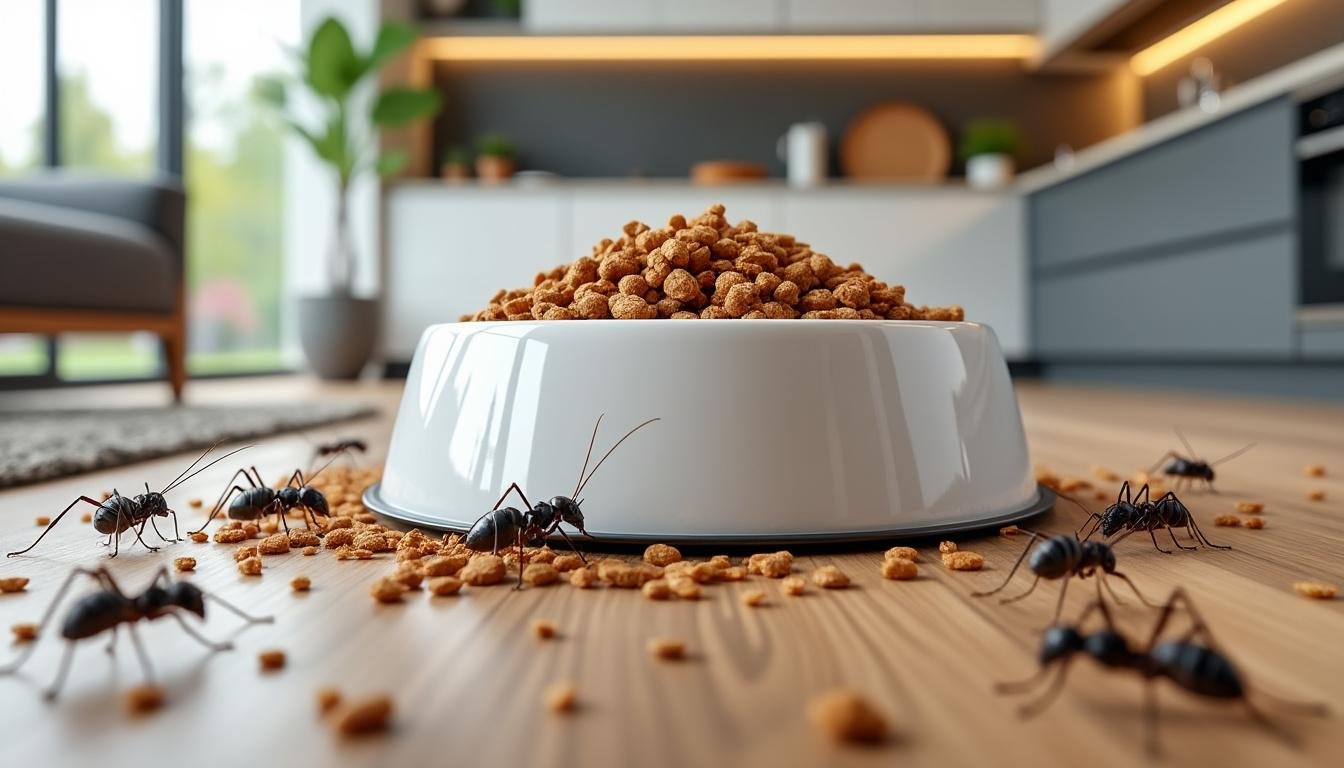
Pet owners often find joy and comfort in their daily routines involving their furry companions, but some common pet habits could be inadvertently encouraging home infestation by unwelcome creatures. While you may cherish your dog or cat, certain behaviors related to feeding and care can emit strong scents or leave residues that pests find irresistible. This dynamic fosters an environment where insects and rodents thrive, posing hygiene risks and potential property damage.
One example is the habit of leaving pet food bowls outside or uncovered indoors. Designed to be nutrient-rich, pet food—both dry kibble and wet varieties—radiates aromas packed with protein and fats to attract healthy pets. Unfortunately, these very odors are signals for ants, cockroaches, mice, and even raccoons that their next meal awaits. This unfortunate link between enriching pet nourishment and increased pest attraction isn’t widely known but has a significant impact on household pest control strategies.
While pet behavior itself doesn’t invite pests, the byproducts of care routines such as food leftover, spilled kibble, or soiled bedding can become hotspots for invasive species. Mice and rats, for instance, are drawn not only by the food but also by the warmth and shelter pets provide, making your home their sanctuary. This concept is supported by many experts, including those referenced in pest attraction studies, which emphasize the need to rethink how pet feeding can reduce unintended pest visits.
Understanding this relationship is crucial for maintaining home cleanliness and limiting the spread of diseases pests might bring along. Wild animals such as raccoons also pose risks beyond infestation, including possible rabies transmission, underscoring the importance of managing pet environments responsibly. The connection between routine pet care and pest populations highlights a delicate balance that every pet parent should strive to maintain.
10 quick checks to spot low-quality supplements before you buy - plus research-backed doses for 12 common ingredients. Free PDF, no spam.
Practical Strategies for Feeding Pets Without Inviting Pests
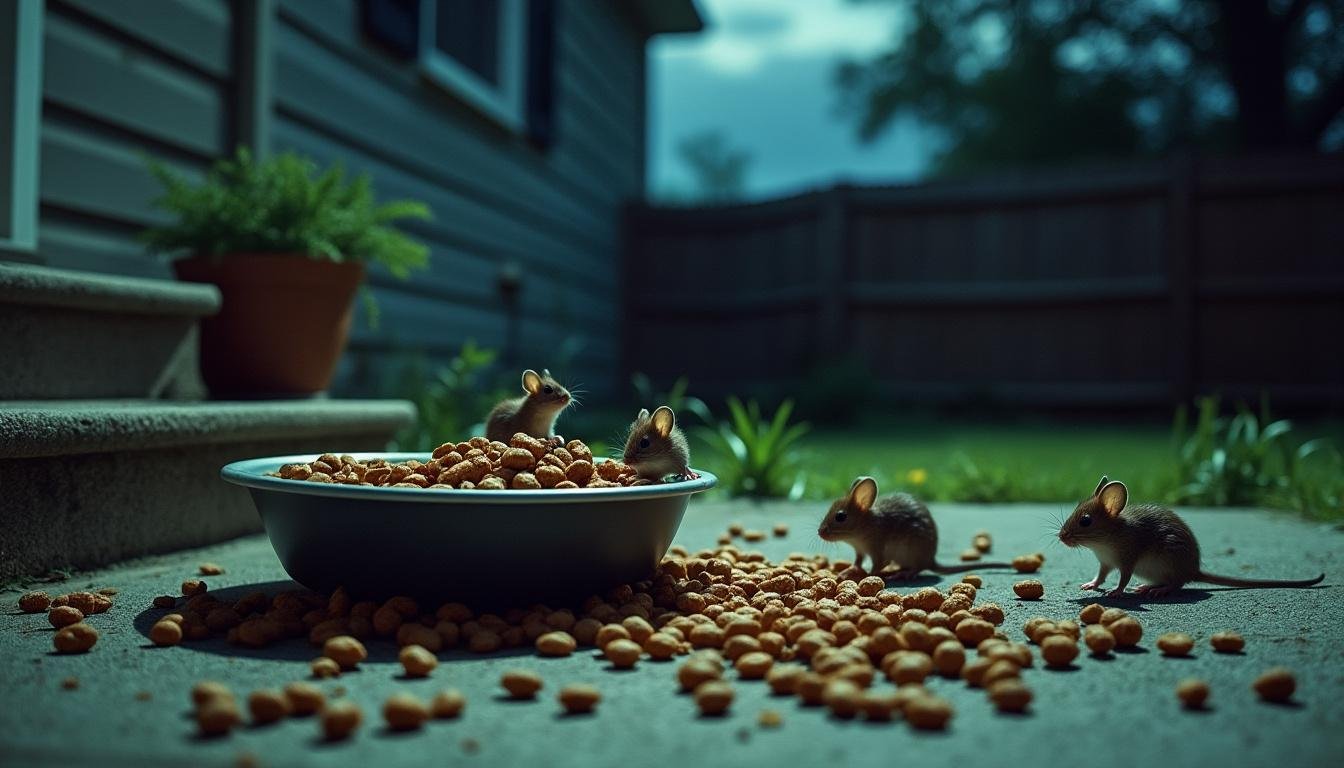
Addressing the influx of pests requires modifications to how pets are fed. The ideal method involves habits designed to minimize pest attraction while keeping your pet environment safe and healthy. Feeding indoors completely removes the food scent from outdoor spaces, significantly reducing pest presence in gardens and yards. However, this is not always feasible, especially for pets that spend most of their time outside.
When outdoor feeding is necessary, a schedule tailored to reduce nighttime exposure can make a measurable difference. Since many pests, particularly raccoons and rodents, are nocturnal, feeding pets only during daylight hours and promptly removing food bowls at night cuts off opportunities for pests searching for a meal under cover of darkness. Ensuring bowls are brought in overnight and thoroughly cleaned removes odors that linger and attract unwanted visitors.
Pet food storage is equally critical. Bags of kibble or cans of wet food should be sealed in airtight containers to prevent rodents from accessing them and using food odors as beacons. Additionally, maintaining cleanliness around feeding areas by wiping up spills and checking for crumbs prevents small insects and ants from colonizing. Taking out pet food waste regularly and sealing pet trash cans tight limits additional smells that pests find inviting.
Experts recommend these core practices to prevent pest-friendly conditions:
- Feed pets indoors: Eliminates outdoor food sources for pests.
- Use sealed containers: Prevents rodents from chewing through packaging.
- Clean feeding areas routinely: Reduces residual odors and crumbs.
- Remove food bowls promptly: Especially before dusk to deter nocturnal pests.
- Manage pet garbage responsibly: Secure lids and frequent disposal.
Such approaches not only help maintain pet hygiene but also form the backbone of effective pest control without resorting immediately to chemicals or traps. For those interested in deeper insights about which overlooked factors may be luring pests, resources like The Spruce’s guide on pest attractants provide comprehensive help.
The Role of Pet Behavior and Environment in Pest Attraction
Your pet’s own behavior can influence the likelihood of a pest problem developing. For instance, some dogs or cats tend to scatter food around their eating space, leading to crumbs and leftovers that invite insects and rodents. Other behaviors, like sleeping or spending time in certain parts of the home, can signal hidden or warm shelter zones for pests to exploit.
Moreover, the pet environment—including bedding, toys, and outdoor kennels—must be kept clean to reduce pest hospitability. If neglected, these locations can attract fleas, ticks, and mites that thrive in warm, undisturbed areas. Such infestations not only cause discomfort and health issues for pets but also risk spreading into the broader household.
Effective maintenance strategies include washing pet bedding regularly, especially fabric items that trap odors and moisture, which pests seek. Outdoor pet houses should be inspected for signs of pest nesting and cleaned seasonally. Even seemingly minor habits like leaving water bowls outside can attract pests, as insects seek moisture during dry conditions.
The intertwining of pet behavior and pest attraction urges pet owners to adopt vigilant routines. Encouraging pets to eat tidily, restricting access to pest-vulnerable spaces, and regularly monitoring pet environments form essential layers of protection against infestation. This holistic perspective helps ensure pets stay happy, and homes remain pest-free.

Insect Prevention and Pest Control Tactics Related to Pet Care
Given how pets can influence pest dynamics, insect prevention efforts must integrate well with pet management. Using repellents and pest deterrents around pet areas should be done cautiously, avoiding toxic substances harmful to animals. Natural options such as diatomaceous earth or pet-safe essential oils can disrupt insect activity without endangering your furry friends.
Employing physical barriers also works well; for example, raised feeding stations reduce contact with crawling insects, and mesh coverings prevent flying pests from reaching exposed food. Additionally, installing motion-activated lights or sprinklers in yards can reduce nocturnal pest visits in areas where pets roam and feed.
For rodent issues linked to pet food, traps placed strategically—but away from pets—can mitigate populations safely. However, prevention remains more effective than treatment, emphasizing the need to manage food scent profiles and access rigorously. Regular yard sanitation, including clearing leaf litter and sealing hiding places, complements these efforts.
As pest control and insect prevention evolve with techniques prioritizing safety and sustainability, pet owners have more options than ever to protect homes effectively. Learning about these options and integrating them into pet care routines avoids the pitfalls of chemical use that could risk pet health. Homeowners can find practical pest prevention plans tailored to pet-owning households discussed in detail on respected platforms such as Wildlife X Team’s pest prevention blog.
The Importance of Ongoing Home Cleanliness and Pet Hygiene to Minimize Pests
Maintaining consistent cleanliness in homes with pets is essential to create an inhospitable setting for pests. Accumulated pet hair, food remnants, and moisture can form microhabitats attractive to cockroaches, ants, and fleas. Regular vacuuming, mopping, and surface cleaning intensify the difficulty for pests to thrive indoors.
Additionally, good pet hygiene plays a crucial role. Bathing pets as appropriate according to species and lifestyle, grooming to remove loose hair and potential parasites, and inspecting for ticks or fleas regularly keep pests from gaining a foothold via your animals. This not only safeguards the animals’ well-being but also prevents pests from breeding inside living areas.
Routine waste disposal practices, including promptly removing litter box waste and choosing sealed trash containers, further reduce lingering odors and food sources that might attract pests. The team behind Martha Stewart’s pest prevention advice highlights how regular household discipline intersects with pet care to remove pest harborage sites.
Homeowners who establish strong standards for home cleanliness and integrate pet hygiene into daily habits significantly lower the risk of infestation. Moreover, this creates a pleasant atmosphere where pets, owners, and even guests can coexist without the nuisance or health hazards pets sometimes inadvertently invite.
What pet feeding practices reduce pest attraction most effectively?
Feeding pets indoors when possible and promptly removing outdoor food bowls after use limits exposure to pests. Also, storing pet food in sealed containers and cleaning feeding areas regularly are key steps.
How can I safely prevent pests without risking my pet’s health?
Use pet-safe natural repellents, maintain cleanliness of pet environments, and avoid toxic chemicals near animals. Physical barriers and regular hygiene routines can also help reduce pest presence safely.
Do pet behaviors influence pest problems in the home?
Yes, behaviors such as dropping food, shedding fur, and choosing nesting spots can create conditions favorable to pests. Training pets and managing their spaces help mitigate these risks.
Why is outdoor pet food a common cause of pest infestations?
Food left outside creates strong smell signals attracting nocturnal pests like raccoons and rodents searching for high-energy snacks. This increases the likelihood of unwanted visitors frequenting your yard.
What daily habits support maintaining a pest-free home with pets?
Regular cleaning, removing spilled food, vacuuming pet hair, and promptly disposing of waste are all vital. Coupled with proper feeding schedules and storage, these habits minimize pest attraction.
10 quick checks to spot low-quality supplements before you buy - plus research-backed doses for 12 common ingredients. Free PDF, no spam.
