

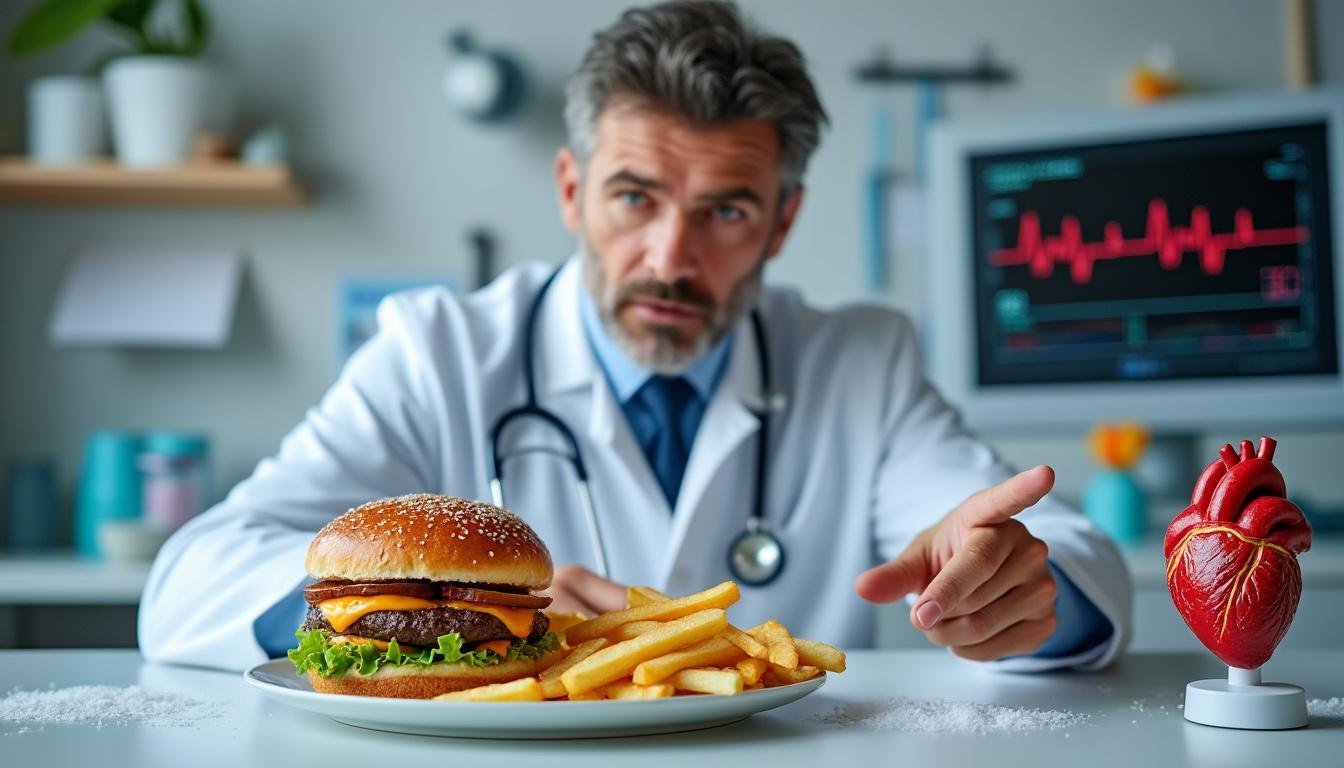
Why Cardiologists Warn Against Certain Snacks for Heart Health
In 2026, a growing number of experts in cardiovascular medicine emphasize that not all snacks contribute equally to a heart-healthy diet. Among these experts, cardiologists play a crucial role in advising what to embrace and what to avoid. Dr. Lars Sondergaard, MD, a leading cardiologist and Abbott’s chief medical officer, recently issued a significant warning regarding a seemingly healthy snack that many people consume regularly, especially those focusing on protein intake.
Nutrition and diet are powerful tools in preventing heart disease. While many believe that limiting themselves to three meals daily might be the healthiest approach, modern research and clinical experience suggest that snacking, when done wisely, can support cardiovascular well-being. However, the catch lies in the choice of snacks.
Dr. Sondergaard points out that snacks are often dismissed as junk food, but this stereotype doesn’t always hold true. Simple, convenient options like fresh fruits, vegetables, nuts, or even a slice of whole-grain toast paired with nut butter can contribute positively to heart health when incorporated mindfully. Nevertheless, the convenience-driven snacks available at gas stations or vending machines often conceal hidden enemies of the heart.
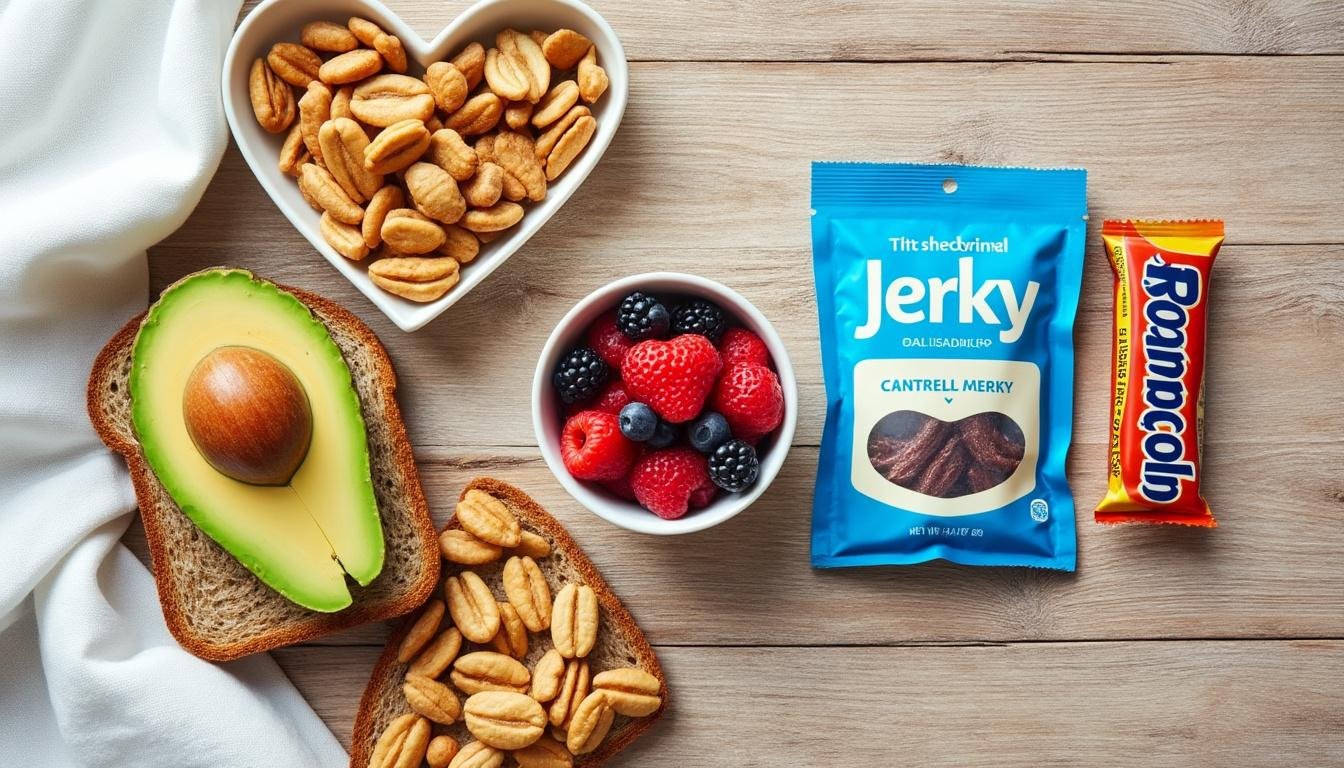
One snack, in particular, stands out as a concern: jerky. Marketed extensively as a protein-rich, on-the-go option, jerky remains a favorite for many. However, despite its protein content, its nutritional profile raises alarm bells for heart-conscious individuals. The problem is that jerky tends to be loaded with a combination of high sodium, added sugars, and saturated fats—factors that negatively impact cholesterol levels, blood pressure, and overall heart health.
10 quick checks to spot low-quality supplements before you buy - plus research-backed doses for 12 common ingredients. Free PDF, no spam.
Understanding why certain snacks like jerky earn a cardiologist’s warning helps consumers make informed choices while maintaining a satisfying diet. Avoiding such foods or consuming them very sparingly can reduce risks linked with heart disease and optimize cardiovascular function over time.
The Hidden Dangers of High Sodium and Saturated Fat in Snacks
A primary reason jerky is flagged by heart specialists is its excessive sodium content. Sodium’s role in elevating blood pressure is well-established, leading to increased strain on the heart muscle and a greater likelihood of heart attacks or strokes. For instance, one sizable slice of beef jerky may contain approximately 356 mg of sodium, a significant portion of the American Heart Association’s daily recommended maximum of 2,300 mg and ideal limit of 1,500 mg.
Keeping sodium intake in check is critical for anyone aiming to manage or avoid heart disease. Excess sodium causes the body to retain water, which raises blood volume and consequently blood pressure. Over time, this elevated pressure damages arteries and the heart itself.
Besides sodium, the presence of saturated fat in jerky poses another risk. Saturated fats contribute to raising low-density lipoprotein (LDL) cholesterol—the so-called “bad” cholesterol. High levels of LDL cholesterol promote plaque buildup inside arteries, reducing their elasticity and restricting blood flow.
For reference, a large serving of jerky can deliver about 2.16 grams of saturated fat. Although this might seem modest, it adds up quickly when combined with other saturated fat sources throughout the day. The American Heart Association suggests limiting saturated fat to roughly 13 grams per day for a 2,000-calorie diet, underscoring the importance of mindful selection and portion control.
Adding to the danger, many jerky varieties include significant amounts of added sugars. Sugar intake can elevate triglycerides—fats circulating in the blood that further contribute to arterial plaque and impaired cardiovascular function. This triple threat of high sodium, saturated fat, and sugar makes jerky an unhealthy snack choice despite its perceived benefits.
Regularly indulging in such snacks can therefore exacerbate factors leading to heart attacks, strokes, and chronic conditions demanding serious medical attention. In contrast, a heart-healthy nutrition plan prioritizes foods rich in unsaturated fats, fiber, and antioxidants while minimizing salt and sugar intake.
Mindful Snacking: Alternatives that Support Strong Heart Health
Transitioning from recognizing harmful snacks to embracing heart-friendly ones is key for those dedicated to protecting their cardiovascular system. Dr. Sondergaard emphasizes that snacking is not the enemy; rather, it’s the type of snack and portion size that truly matter.
Here are some of his recommended heart-healthy snacks that combine nutrition with convenience:
- Fresh fruits: Blueberries, bananas, and clementines offer natural sweetness, fiber, and antioxidants that reduce oxidative stress and inflammation linked to heart disease.
- Vegetables: Baby carrots or bell pepper strips bring vitamins, minerals, and fiber which support vascular health.
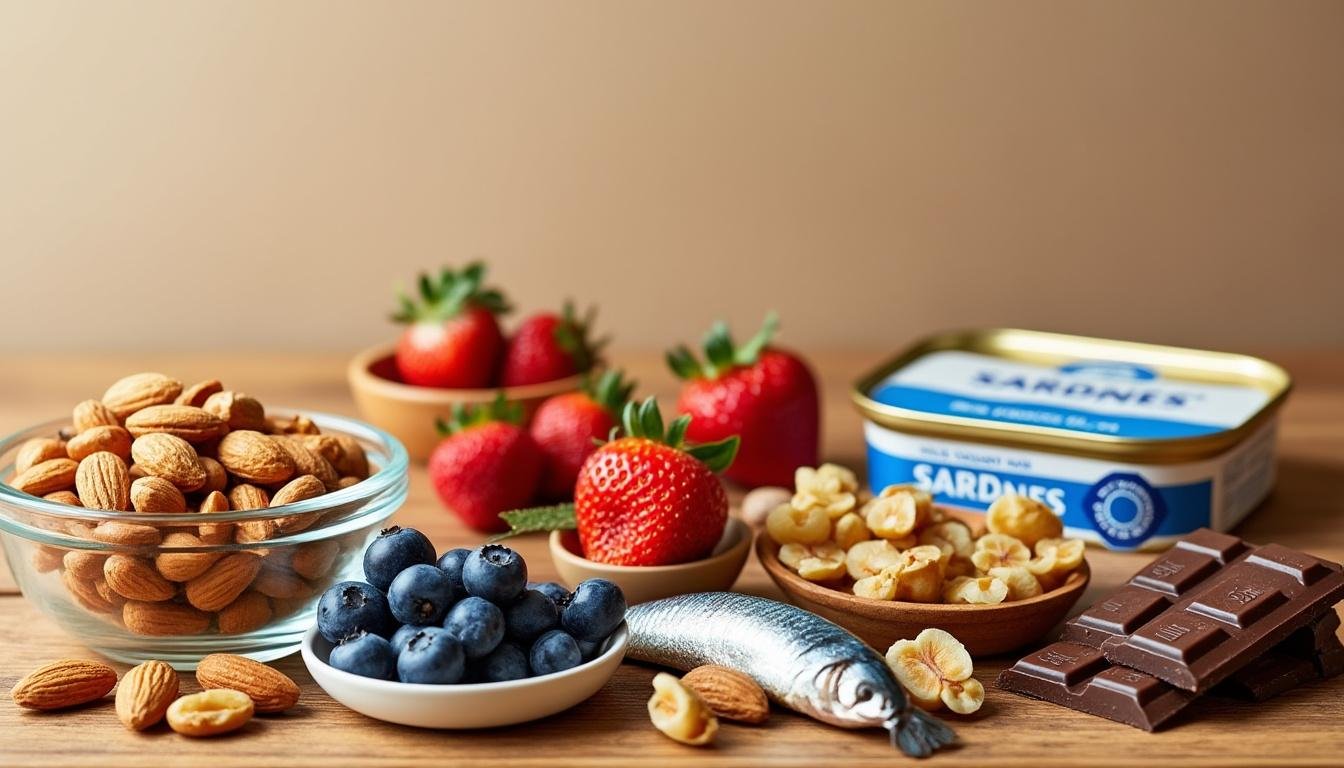
- Nuts and seeds: Almonds, walnuts, and pumpkin seeds provide healthy fats, protein, and essential micronutrients, all promoting lower cholesterol and better blood pressure control.
- Dark chocolate: In moderation, dark chocolate with at least 70% cacao is rich in flavonoids that help maintain blood vessel function and reduce LDL cholesterol.
- Tinned fish: Varieties such as sardines or salmon contain omega-3 fatty acids, crucial for brain and heart health, helping to reduce blood pressure and triglycerides.
- Hard-boiled eggs: A convenient protein source with minimal saturated fats when consumed in balance, eggs can be part of a heart-conscious snack plan.
These options show how eating for heart health does not mean sacrificing taste or simplicity. For example, a slice of whole wheat toast with a spread of nut butter offers satisfying nutrition without overwhelming sodium or sugar.
Practical lifestyle adjustments, including selecting smaller, portion-controlled snack packages, guard against overeating foods high in harmful fats or sodium. Checking nutrition labels carefully and leaning toward whole foods also supports long-term heart health and weight management.
Understanding the Impact of Snack Choices on Cholesterol and Heart Disease
Many people correlate high cholesterol readings with diet, but few understand the subtle yet significant role that snack choices play in influencing both cholesterol levels and overall heart disease risks. The distinction between “good” and “bad” cholesterol is pivotal here.
Saturated fats and trans fats raise LDL cholesterol, which promotes arterial plaque—a primary contributor to narrowing and hardening of arteries. Conversely, unsaturated fats found in nuts, seeds, and fish increase high-density lipoprotein (HDL) cholesterol, helping clear excess LDL from the bloodstream.
Snacks like beef jerky, despite their convenience and protein content, can contribute to a shift in cholesterol balance due to their saturated fat and sodium load. This elevates cardiovascular risk, especially when consumed regularly or in large quantities.
Meanwhile, heart-healthy options rich in antioxidants and anti-inflammatory compounds reduce oxidative damage to blood vessels and improve lipid profiles. Blueberries and dark chocolate, for instance, contain flavonoids that studies link to reductions in LDL cholesterol and improvements in endothelial function.
Public health recommendations increasingly stress the importance of a diet low in processed meats and high in whole plant foods. This perspective influences cardiologists’ advice as well, encouraging patients to avoid snacks that may exacerbate chronic heart conditions or hinder preventive measures.
Understanding these relationships allows individuals to make choices that actively protect heart health rather than unknowingly accelerating disease progression. Checking ingredients, prioritizing snacks with fiber, antioxidants, and healthy fats, and limiting those high in salt, sugar, and saturated fats form the foundation of such decisions.
Practical Tips to Avoid Unhealthy Snacks and Foster Heart-Friendly Nutrition
Given the risks associated with snacks like jerky, holistic strategies for maintaining better nutritional habits are essential. Dr. Sondergaard advises practical actions to help consumers maintain heart health without feeling deprived.
- Purchase portion-controlled snacks: Smaller bags or single-serving packs help manage intake to avoid excess sodium and fat consumption.
- Plan snacks ahead: Keeping wholesome foods like fruits or nuts readily available reduces temptation for unhealthy choices during busy days.
- Read nutrition labels carefully: Look for sodium, sugar, and saturated fat content to make informed choices.
- Experiment with variety: Incorporate different nutrient-rich snacks to keep taste buds satisfied and nutrition balanced.
- Limit processed meat snacks: Save jerky and similar products for rare occasions rather than daily consumption, especially if you have high blood pressure or cholesterol.
Combining these tips with an overall balanced diet and regular exercise contributes to sustained heart health. Those seeking additional guidance on nutritious and appetizing snacks can explore expert recommendations, such as those found in nutritionists’ favorite snacks or discover delicious options for kids and adults alike at healthy snacks for kids.
By embracing mindful eating habits and steering clear of unhealthy snack choices overwhelming in sodium, cholesterol, and harmful fats, individuals empower themselves to reduce heart disease risk and promote lasting well-being.
Is jerky completely off-limits for heart health?
Jerky is not entirely forbidden, but due to its high sodium, sugar, and saturated fat content, it should be consumed rarely and in small amounts, especially for individuals with high blood pressure or existing heart disease.
What are some quick, heart-healthy snacks I can keep on hand?
Keep fresh fruits like blueberries or bananas, raw nuts, baby carrots, hard-boiled eggs, dark chocolate (70% cacao or higher), and tinned fish handy for convenient and nutritious snacking.
How does sodium in snacks impact heart health?
Excess sodium intake can raise blood pressure by causing the body to retain water, which stresses the heart and increases the risk of heart attacks and strokes over time.
Why is portion control important when snacking?
Portion control helps prevent overconsumption of sodium, saturated fats, and sugars, which are common in many convenient snacks and can negatively affect cholesterol levels and heart health.
Can dark chocolate be part of a heart-healthy diet?
Yes, in moderation. Dark chocolate contains antioxidants beneficial to heart health, but it should be eaten sparingly given its calorie and fat content—typically a 1-ounce serving is recommended.
10 quick checks to spot low-quality supplements before you buy - plus research-backed doses for 12 common ingredients. Free PDF, no spam.
