
Close Menu
    Follow us on Google News
    Follow Livewell Magazine on Google News
    Facebook X (Twitter) Instagram
    LiveWell Magazine
    Facebook
    Follow LiveWell Magazine on Google News
    • Cancer

      What are the key actions you should take following a mesothelioma diagnosis?

      June 19, 2026

      The “Silent Killer”: 2 Hidden Signs of Pancreatic Cancer You Can Spot Years in Advance

      April 20, 2026

      Barry Manilow Opens Up About Embracing Healthier Lifestyle Choices During His Cancer Battle

      April 8, 2026

      Healthy Dad’s Unexpected Cancer Diagnosis Revealed After Ignoring Nighttime Bathroom Trips: ‘A Heartbreaking Surprise’

      February 22, 2026

      BREAKING NEWS: Gene therapy for sickle cell disease: a medical breakthrough still out of reach for many

      December 29, 2025
    • Fitness

      Unveiling the Science Behind Why Exercise Feels Tough for Many: Insights and Solutions

      June 27, 2026

      How can you revitalize your cardiovascular health with 8 engaging cardio tips for the reluctant fitness enthusiast?

      June 26, 2026

      Easy Habits to Make Your Workouts Feel Effortless

      June 25, 2026

      What are the top 5 strategies to walk faster and torch more calories?

      June 24, 2026

      Which workout reigns supreme in the ultimate fitness challenge?

      June 15, 2026
    • Health

      How to choose a supplement for dizziness and balance problems

      July 10, 2026

      How vestibular supplements work: Science behind balance and dizziness relief

      July 10, 2026

      Causes of vertigo: Common triggers and when to see a doctor

      July 10, 2026

      How to choose a joint supplement: Evidence-based checklist for better mobility

      July 10, 2026

      How collagen, glucosamine and turmeric work to support mobility

      July 10, 2026
    • Lifestyle

      When Good Intentions Go Wrong: Personal Stories of Healthy Habits That Backfired

      July 11, 2026

      Master Gardeners Inspire Healthy Habits Among Young Learners

      July 10, 2026

      How Healthy Eating Habits Can Shield Your Brain from Aging – Insights from CNN

      July 7, 2026

      Habits to Steer Clear of After 5 P.M. for Better Blood Pressure Control

      July 6, 2026

      Tiny Habits That Can Transform Your Well-Being and Boost Your Happiness

      July 5, 2026
    • Nutrition

      Top 10 Most Beneficial Teas to Sip, Backed by Nutrition Experts

      July 12, 2026

      Daily Avocado Toast: What Registered Experts Reveal About Its Impact on Your Health

      July 8, 2026

      The Ideal After-Dinner Drink for Managing High Cholesterol

      July 6, 2026

      What are the top 5 scientifically proven drinks to reduce your cholesterol?

      June 26, 2026

      What are the unexpected perks of broccoli for your hormonal harmony?

      June 23, 2026
    • Senior

      Doctors Reveal the Key Mindset Shift That Boosts Health After 65

      July 6, 2026

      How is the rise of telehealth benefiting senior citizens?

      June 4, 2026

      What are the essential approaches for promoting high-quality senior care and independence?

      May 6, 2026

      Nurturing Your Gut After 50: 7 Essential Habits for Lasting Digestive Wellness

      April 3, 2026

      Nourishing Your Golden Years: 10 Essential Nutrition Habits to Promote Healthy Aging and Maintain Independence After 60

      March 27, 2026
    • Trends

      Why is Zhiyin Zhou advocating for a human-centered approach in AI healthcare evolution?

      June 25, 2026

      What are the innovative approaches to autism therapy by psychologist Valeriia Manchuk?

      June 15, 2026

      What are the innovative techniques in permanent makeup for aesthetic and restorative purposes?

      June 2, 2026

      How could the 7 surprising travel trends of 2026 disrupt your wellness plans and how can you navigate them?

      April 15, 2026

      Which innovative skincare trends will shape the industry in 2026 according to Uliana-Sofiia Savchenko?

      April 6, 2026
    • Wellness

      Dr. Oz Shares 3 Simple, Medication-Free Strategies to Enhance Your Health for Free

      July 12, 2026

      How will new European taxes to combat overtourism affect your travel wellness?

      June 26, 2026

      How could the travel advisory for Nepal amid political turmoil affect your travel wellness?

      June 25, 2026

      How will American Airlines’ new luxury experience impact your travel wellness?

      June 23, 2026

      Mindful Glow: How Meditation Enhances Your Skin’s Natural Radiance – AOL

      June 17, 2026
    Subscribe
    LiveWell Magazine
    Home»Nutrition»Could eating microbial food reduce your risk of kidney disease?
    Nutrition

    Could eating microbial food reduce your risk of kidney disease?

    Amelie GoujonBy Amelie GoujonNo Comments
    Facebook Twitter Email WhatsApp Pinterest LinkedIn Reddit Telegram Threads
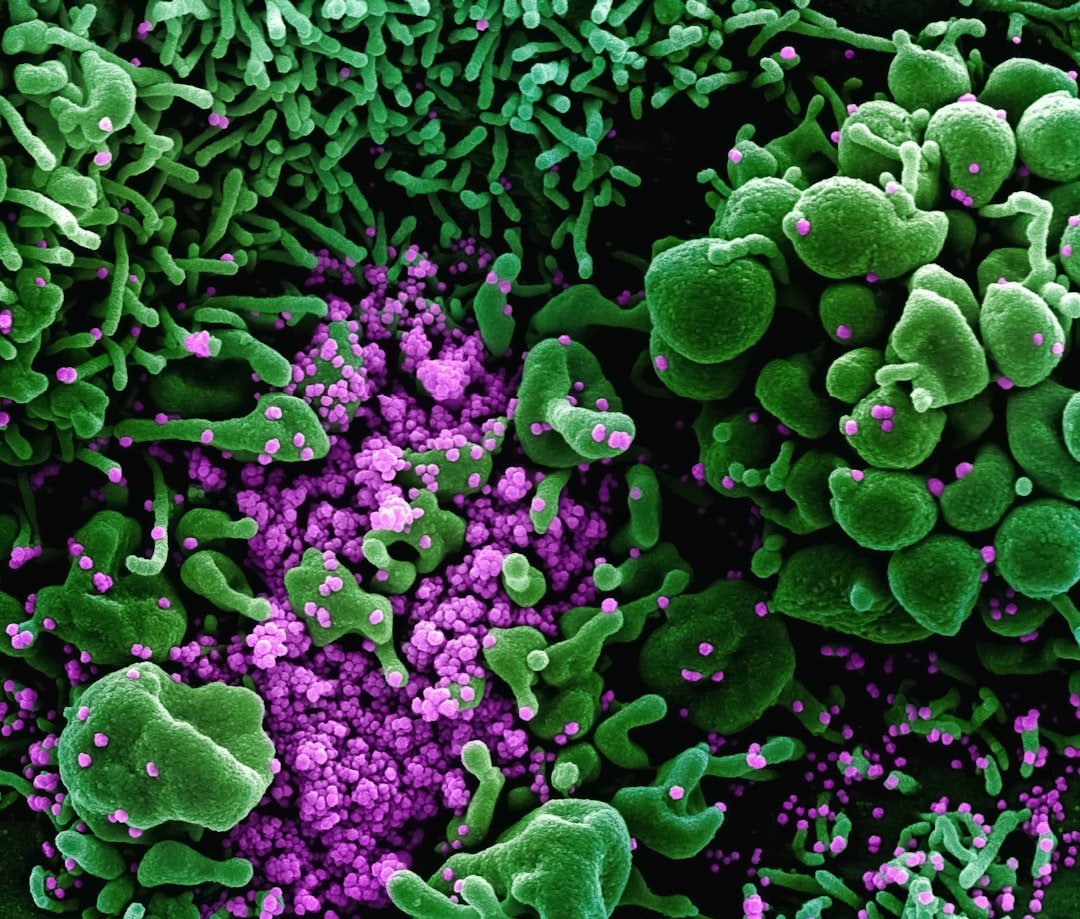
    explore the fascinating world of microbial food, where beneficial microorganisms enhance flavor, nutrition, and preservation in various culinary traditions.
    Share
    Facebook Twitter LinkedIn Email Reddit Telegram WhatsApp Threads

    Picture a thriving garden in the prime of summer, where the soil teems with invisible life ensuring every bloom reaches its full potential. Arthur, a retired botanist navigating his golden years in 2026, views his body much like his beloved rose beds. Recent breakthroughs in nutritional science have validated his philosophy, revealing an extraordinary link between the microscopic worlds we ingest and the longevity of our filtration systems.

    For decades, the medical community viewed chronic kidney decline as a largely mechanical wear and tear issue, treated primarily with sodium restriction and medication. Today, researchers are uncovering the profound influence of a live microbial diet on renal health. By populating our digestive tract with specific beneficial microorganisms, we create a frontline defense that neutralizes waste before it ever reaches the bloodstream.

    This paradigm shift transforms the way we approach aging, suggesting that the secret to resilient filtration lies not just in what we exclude from our plates, but in the vibrant, living cultures we welcome into our daily meals. Embracing these microscopic allies opens a fascinating new chapter in preventative care for older adults.

    In Brief:

    – A diet rich in live microorganisms is emerging as a powerful strategy to protect renal function.

    – Beneficial bacteria help break down uremic toxins in the digestive tract, reducing the filtration burden.

    – Modifying the microbiome through fermented foods offers a natural, preventative approach for seniors.

    Unveiling the Gut-Kidney Axis and Cellular Aging

    Arthur noticed that when his garden soil lacked diversity, the plants suffered from nutrient toxicity and withered prematurely. The human body operates on a remarkably similar principle, a concept scientists now call the gut-kidney axis. When our digestive tract lacks microbial diversity, harmful compounds bypass our internal safeguards and place an immense strain on our renal filters.

    Related Article :  New research links ultra-processed food to depression - should you worry?

    Cultivating a robust internal environment becomes paramount as we advance in age and our natural defenses begin to slow down. Incorporating mindful eating habits is essential, and adopting daily practices for lasting digestive wellness can significantly alter our internal landscape. A flourishing microbiome intercepts dangerous molecules, breaking them down into harmless byproducts before they ever reach the bloodstream.

    The Microscopic Guardians Against Uremic Toxins

    Imagine a bustling microscopic metropolis where beneficial bacteria act as dedicated waste management workers. In a balanced system, these organisms consume and neutralize metabolic byproducts before they can accumulate and cause systemic harm. When dysbiosis occurs, these unmanaged byproducts transform into uremic toxins, flooding the bloodstream and forcing the kidneys into overdrive.

    A live microbial diet effectively restocks the city with efficient workers, restoring the delicate balance required for optimal organ function. This restorative process is particularly vital for older adults whose natural microbial populations have diminished over time.

    By replenishing these populations, we actively reduce the circulating levels of inflammatory markers throughout the entire body. It is a proactive mechanism that shifts the focus from managing functional decline to actively preserving vitality from the inside out.

    Dietary Strategies for Populating Beneficial Microflora

    Harnessing the power of live microorganisms involves making conscious, delicious additions to your weekly grocery haul. Traditional cultures have relied on fermentation for centuries, unknowingly protecting their vital organs through their culinary heritage.

    Microbial Food Source Primary Active Cultures Observed Renal Benefit
    Kefir and Cultured Dairy Lactobacillus and Bifidobacterium Reduces systemic inflammation and lowers circulating uremic toxins
    Fermented Vegetables (Kimchi, Kraut) Lactiplantibacillus plantarum Improves intestinal barrier function, preventing toxin leakage
    Tempeh and Miso Aspergillus oryzae and Rhizopus Provides plant-based protein while enhancing microbial diversity

    These living foods represent a culinary renaissance for those looking to protect their vital organs safely and naturally. By exploring these ancient preservation methods, individuals like Arthur are turning their kitchens into laboratories of longevity. Every spoonful of naturally fermented goodness introduces billions of microscopic allies into the gastrointestinal tract.

    Related Article :  Microbiome supplements for SIBO: what consumers want to know

    Integrating Living Foods into a Sustainable Routine

    Transitioning to a microbiome-friendly diet does not require a complete culinary overhaul or hours of complex preparation. It begins with small, intentional additions to your daily meals, perhaps a scoop of yogurt at dawn or a side of fermented vegetables at dusk. Establishing a consistent rhythm helps these delicate cultures thrive and establish permanent colonies within the digestive system.

    Consistency is the secret ingredient in any health transformation, much like watering a delicate seedling at the same hour each day. Setting up a foundation right at the beginning of the day sets the tone for optimal absorption and metabolic harmony. Many leading specialists agree that optimizing your morning regimen for better digestion creates the perfect environment for these beneficial microbes to flourish.

    Over time, these subtle dietary shifts build a formidable biological shield around your most delicate internal systems. Embracing the micro-world within us ensures that our later decades remain a time of vibrant exploration rather than medical management.

    diet and kidney health health and nutrition kidney disease microbial food microbiome
    Follow on Google News
    Share. Facebook Twitter LinkedIn Email WhatsApp Reddit Telegram Threads Copy Link
    Previous ArticleHealthy Kids Day: Enjoy Free Family Activities at Stevens Point Area YMCA
    Next Article Cardiologist Issues Warning: The Snack You Should Steer Clear of to Protect Your Heart
    Avatar photo
    Amelie Goujon

    Amélie has been working in the health sector for over 15 years and now serves as an online journalist specializing in healthy living. Her background in healthcare gives her articles a solid foundation of credibility and empathy. Passionate about wellness, nutrition, and prevention, she translates complex medical topics into clear, accessible content for a wide audience. Through her writing, Amélie aims to empower readers to make informed choices and adopt healthier daily habits.

    Continue reading

    Top 10 Most Beneficial Teas to Sip, Backed by Nutrition Experts

    By FRANK JOST

    Daily Avocado Toast: What Registered Experts Reveal About Its Impact on Your Health

    By FRANK JOST

    The Ideal After-Dinner Drink for Managing High Cholesterol

    By FRANK JOST

    What are the top 5 scientifically proven drinks to reduce your cholesterol?

    By Amelie Goujon

    What are the unexpected perks of broccoli for your hormonal harmony?

    By Amelie Goujon

    Unveiling the Surprising Reason Behind Bloating After Nutritious Meals (Hint: It’s Not Fiber

    By FRANK JOST

    Natural Foods Proven to Reduce Cholesterol Levels Effectively

    By FRANK JOST

    Which nuts are the best for protein, omega-3s, and fiber in the ultimate nut showdown?

    By Amelie Goujon

    Could a daily glass of orange juice be the secret to heart health and longevity?

    By Amelie Goujon

    Which 14 superfoods can help boost your heart health and slash cholesterol?

    By Amelie Goujon

    Which foods should you select to protect against age-related health concerns?

    By Amelie Goujon

    How could eating pickles daily affect your blood pressure?

    By Amelie Goujon
    Add A Comment
    Leave A Reply Cancel Reply

    Subscribe to Our Newsletter

    Join the Live Well Magazine Newsletter and get exclusive tips on health, wellness, lifestyle, and personal growth — straight to your inbox.

    Trending
    Preventive Health

    Could This Everyday Habit Be Silently Increasing Your Risk of Diabetes?

    Health Products

    NeuroPrime Review 2026: Is It Worth It in 2026? I Weigh Price vs Value

    Nutrition

    Top 10 Most Beneficial Teas to Sip, Backed by Nutrition Experts

    Health Products

    Prosta Peak Reviews 2026: Scam or the Real Deal? (Honest Verdict)

    Wellness

    Dr. Oz Shares 3 Simple, Medication-Free Strategies to Enhance Your Health for Free

    Health Products

    Finessa Review: What the Marketing Won’t Tell You (2026)

    Facebook
    • About us
    • Contact us
    • Contributors
    • Legal
    • Privacy
    © 2026 livewellmagazine.org.

    Type above and press Enter to search. Press Esc to cancel.