

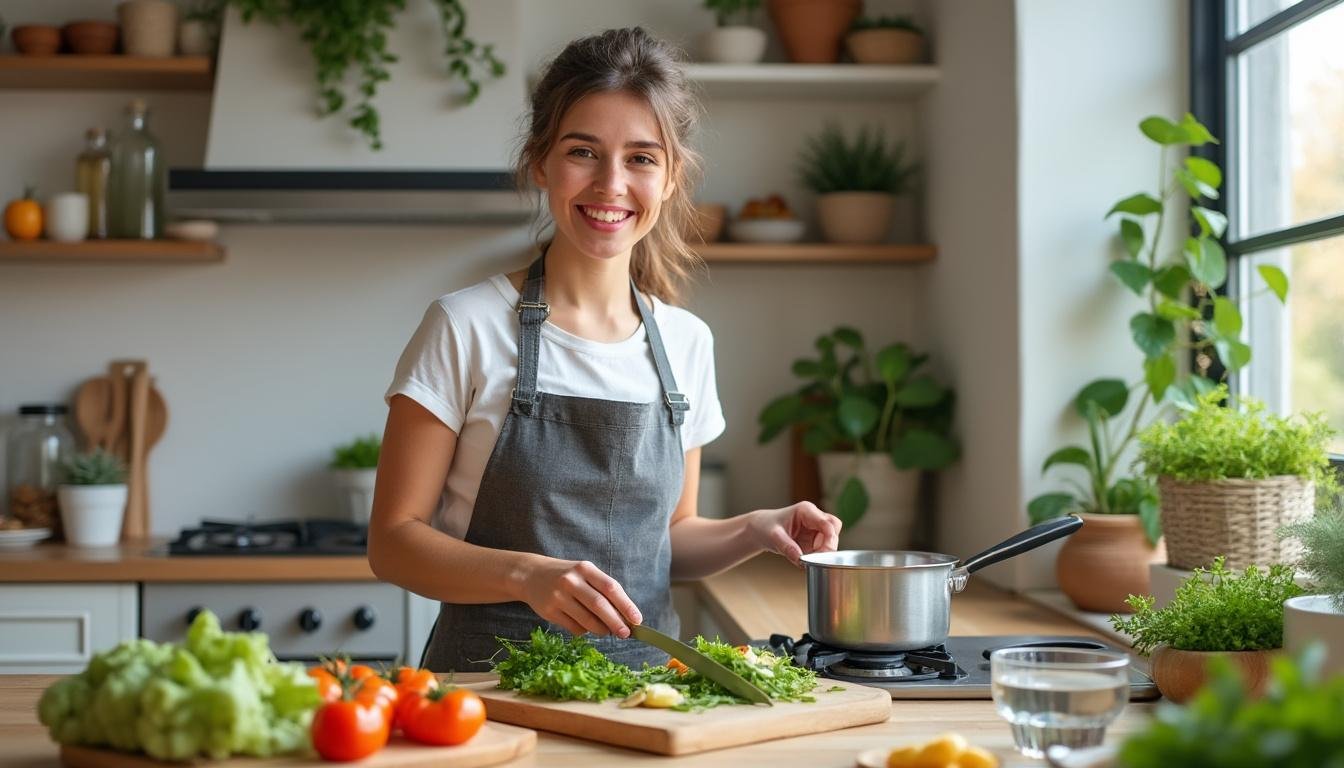
Transforming Solo Cooking into a Joyful Act of Self-Care and Healthy Eating
Cooking for one often seems like a mundane task, yet it holds immense potential to become a meaningful practice of self-care. This shift in perspective is critical to maintaining motivation and fostering consistency in preparing nutritious meals. Instead of viewing solo cooking as a chore, embracing it as a personal ritual can dramatically improve dietary habits and overall well-being.
Registered dietitian Val Warner emphasizes the psychological impact of this mindset change. She encourages individuals living alone to see the act of cooking as an opportunity to nurture themselves rather than a burdensome requirement. This subtle mental adjustment can inspire greater dedication and enthusiasm around meal preparations.
Making the cooking experience pleasurable can further enhance this habit. Simple additions like playing your favorite music, tuning into an engaging podcast, or watching a beloved TV show can transform the kitchen atmosphere. Pairing your cooking time with a soothing beverage such as a mocktail or a modest glass of wine not only serves as a delightful treat but also reinforces the idea that cooking is a rewarding form of self-expression.
Embracing cooking as self-care also helps combat the common pitfalls of living alone, such as relying excessively on takeout or processed foods, which tend to be high in calories, salt, and added sugars. These quick fixes often lack the balance and nutrient diversity necessary for good health. By intentionally investing time and care in cooking, individuals can regain control over ingredient quality and portion sizes, positively impacting their diet quality.
10 quick checks to spot low-quality supplements before you buy - plus research-backed doses for 12 common ingredients. Free PDF, no spam.
This approach also fosters a more intentional relationship with food, encouraging mindful eating practices. When cooking is aligned with self-care rather than obligation, there’s a natural tendency to opt for fresh, wholesome ingredients and simple recipes that satisfy both palate and nutritional needs. As a result, cooking for one becomes a sustainable, enjoyable habit rather than a source of stress.
For those who struggle to maintain this perspective, integrating healthy cooking into familiar routines can be effective. Anchoring cooking sessions after daily rituals like morning coffee or evening relaxation helps to build consistency. Once meal preparation is linked to comforting habits, it naturally becomes part of self-care, nurturing both body and mind.
Ultimately, transforming solo cooking into a nourishing self-care practice allows individuals to reap physical, emotional, and even social benefits. It empowers them to craft balanced meals packed with essential nutrients, fostering vitality and a deeper appreciation for their own health journey. This foundational habit sets the stage for the other healthy lifestyle strategies necessary when cooking for one and maintaining a well-rounded diet.
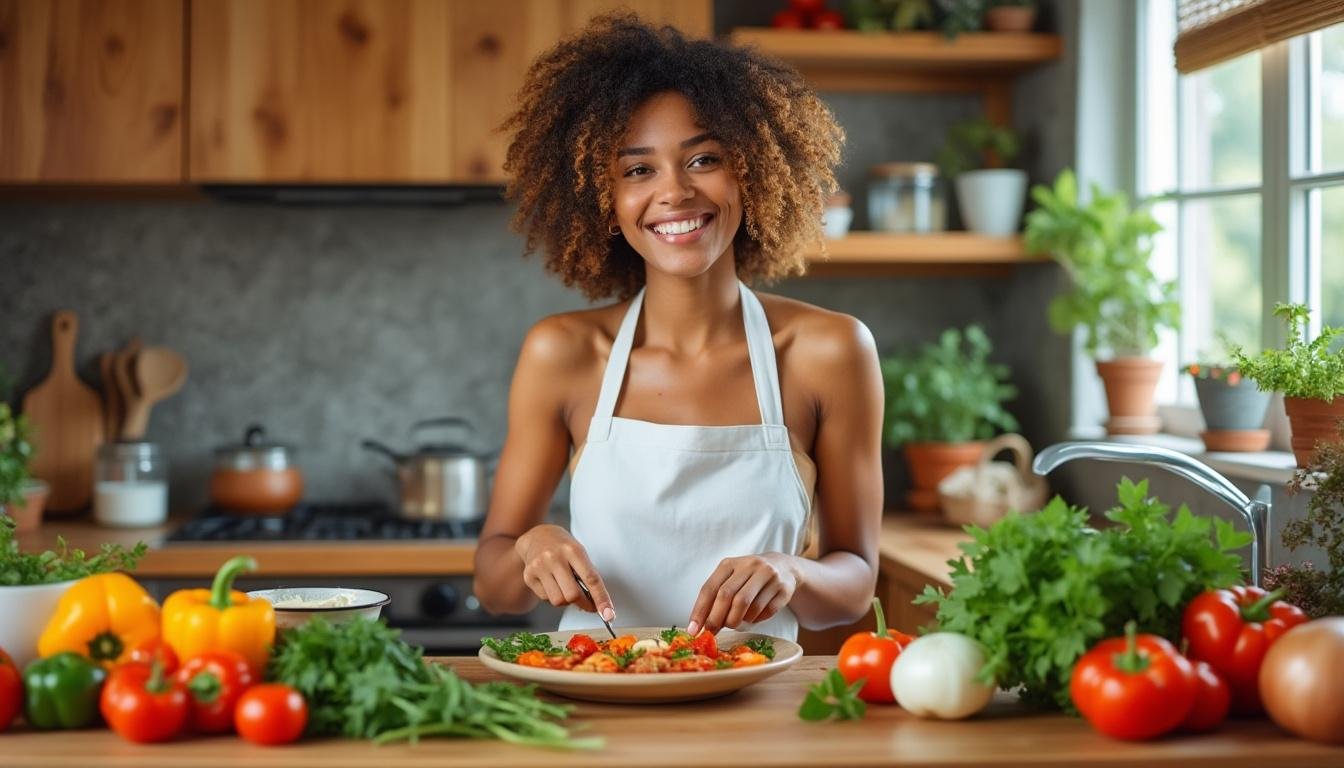
Establishing Consistent Meal Routines: The Importance of Eating Breakfast and Balanced Meals Daily
When living alone, it can be tempting to skip meals, especially breakfast, or to grab quick, unbalanced options that fail to provide lasting energy. However, maintaining a pattern of three balanced meals daily is essential for optimal healthy eating habits and sustaining stable energy levels throughout the day.
Breakfast, in particular, plays a crucial role in jumpstarting metabolism and providing fuel for cognitive and physical tasks. Dietitian Jamie Baham notes that beginning the day without a nourishing meal is akin to starting your journey on “E for empty.” This can lead to poor food choices later in the day, often favoring lower-fiber, high-calorie options that don’t support long-term health goals.
Strategies to incorporate consistent breakfast include anchoring this meal to parts of your daily routine. For example, tying breakfast preparation to the time immediately after morning coffee or scheduling lunch breaks between virtual meetings can create reliable habit loops, increasing the likelihood of not skipping these essential meals.
In addition to establishing routine meals, it is essential to focus on portion control and meal balance. Balanced meals combine protein, carbohydrates, healthy fats, and colorful plant foods to provide a wide spectrum of nutrients. For individuals managing portion sizes alone, investing in smaller cookware, using measuring tools, or preparing one-plate meals can help maintain appropriate serving sizes without leading to waste or overeating.
Finally, living solo doesn’t mean meals have to be solitary experiences devoid of social vitality. Joining online cooking communities, scheduling video calls during mealtimes, or engaging in local meal-share programs can supplement both nutrition and social connection, further enhancing motivation to maintain regular, balanced meals.
Overall, consistent meal routines with a focus on breakfast and balanced food choices contribute to higher diet quality and enhanced wellness, making them indispensable habits for anyone mastering the art of solo cooking.
Easing the Solo Cook’s Burden: Using Store-Bought Shortcuts and the Freezer to Maximize Nutrition and Convenience
One of the most significant hurdles in maintaining a healthy diet when cooking for one is the concern over food waste and the perceived hassle of preparing meals from scratch. However, embracing certain time-saving tips and clever shortcuts can dramatically simplify this process without compromising nutrition.
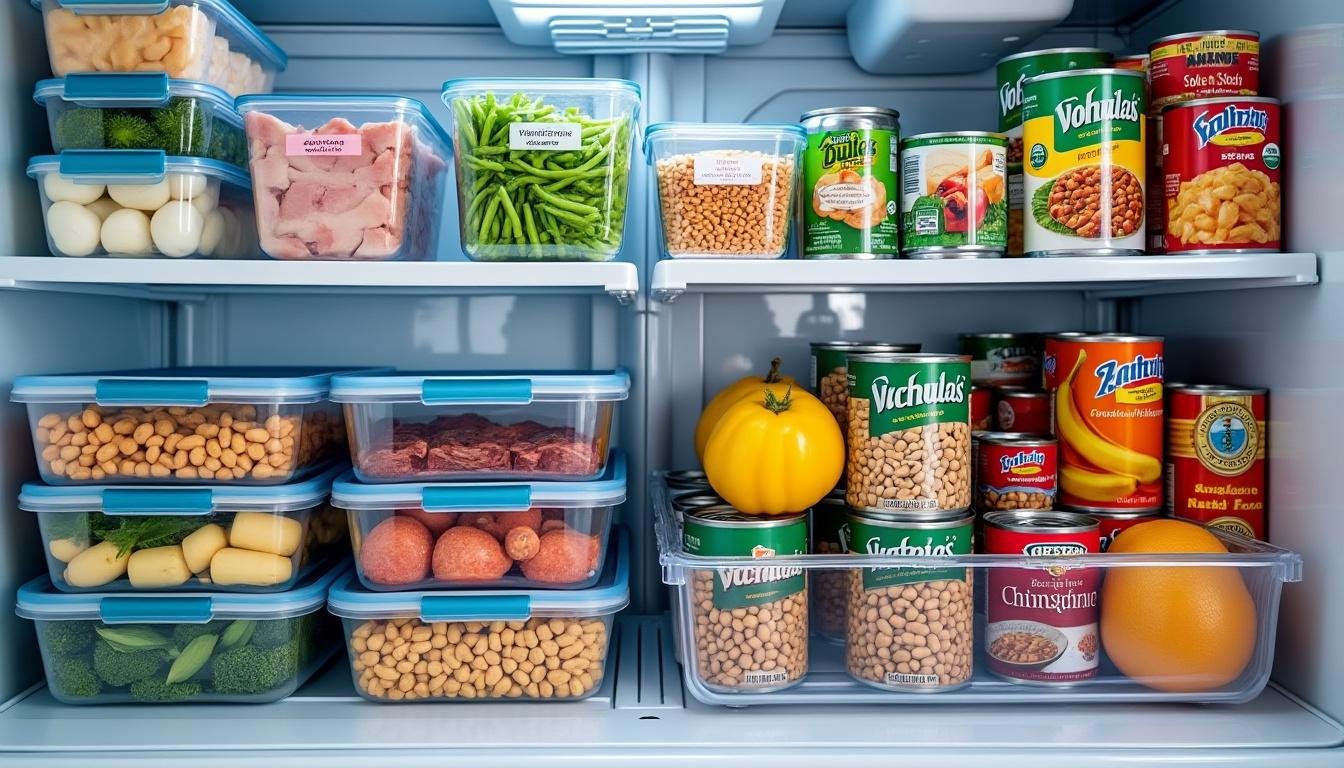
Registered dietitian Gabrielle Kishner highlights the value of incorporating canned, ready-to-eat, and frozen foods into daily meal plans. These items serve as reliable staples that can significantly reduce prep time and decision fatigue. For instance, grabbing a rotisserie chicken or canned tuna provides a quick protein base, while frozen vegetables and microwavable rice or potatoes serve as nutritious, readily available accompaniments.
Contrary to common assumptions, convenience foods aren’t inherently unhealthy. Selecting frozen fruits and veggies, which are often frozen at peak ripeness, ensures retention of vital nutrients comparable to fresh produce. Similarly, frozen proteins and grains extend shelf life, enabling greater variety and spontaneity in meal composition.
Utilizing your freezer strategically supports batch cooking—a highly effective method for reducing nightly cooking demands. Preparing larger quantities of wholesome meals and saving portions in the freezer allows for effortless reheating during busy or low-motivation days. This approach not only conserves effort but also minimizes food waste and supports consistent intake of balanced meals.
When choosing frozen or ready-made meals, reading nutrition labels critically is essential. Aim for options with minimal added sugars and sodium, while prioritizing high fiber and protein content. Exploring recipes that combine store-bought shortcuts with fresh ingredients can yield satisfying and quick meals tailored to personal taste.
Ultimately, gaining confidence in using these easy habits and pantry solutions transforms the solo kitchen into a stress-free, nourishing environment, making healthy eating more accessible and enjoyable.
Meal Planning and Simple Recipes: Keys to Mastering Healthy Cooking for One
One of the most effective strategies for thriving in solo cooking is adopting consistent meal planning and preparation. Many people mistakenly believe this practice is only for larger households, but in reality, it is especially beneficial when cooking for one. Beyond saving time and money, meal prep eliminates decision fatigue and minimizes the risk of reaching for less nutritious options out of convenience.
Val Warner suggests focusing on prepping components rather than whole meals initially. Examples could include preparing jars of overnight oats for quick breakfasts, cooking shredded chicken ready to incorporate into various dishes, and washing and chopping vegetables to add effortless nutrition to meals. This modular prep system allows for flexible combinations, ensuring variety without overwhelming complexity.
Jamie Baham emphasizes the financial and satiety advantages of home-cooked meals versus takeout. A well-selected $15 recipe can transform into multiple balanced portions, delivering superior nourishment and a sense of accomplishment that fast food simply cannot replicate.
Keeping recipes simple is crucial to sustaining long-term success. Complex, multi-step dishes may dissuade solo cooks from engaging in the kitchen. Instead, think in terms of “building blocks” to create balanced meals involving a protein, a carbohydrate, a fat source, and colorful vegetables. For example, a straightforward plate might consist of rotisserie chicken with brown rice, avocado slices, and steamed broccoli.
A practical technique for managing meal complexity is maintaining a curated recipe rolodex—either a physical list on the fridge or a digital collection on a phone app. Organizing recipes by preparation time and difficulty allows for quick selection based on available energy and motivation, helping to reduce intimidation and encourage frequent cooking sessions.
Integrating these habits encourages sustainable, healthy cooking practices that are both rewarding and time-efficient, providing a solid foundation for anyone dedicated to improving their solo dining experience.
Focusing on Fiber and Nutrient Density: Crafting Simple, Balanced Meals That Support Wellness
For those unsure where to start nutritionally, focusing on fiber-rich foods offers a potent and straightforward path. High-fiber ingredients such as fruits, vegetables, whole grains, legumes, nuts, and seeds not only aid digestion but also support heart, metabolic, and immune health. Importantly, these foods tend to be nutrient-dense, providing essential vitamins, minerals, and healthy fats alongside their fiber content.
Gabrielle Kishner recommends preparing a large batch of roasted vegetables on Sunday as a versatile base to incorporate into multiple meals throughout the week. Additionally, keeping pre-washed bagged salads or greens readily available simplifies the process of adding fresh, fiber-rich elements to dishes with minimal effort.
Simple swaps and additions can transform everyday meals into balanced, wholesome plates without requiring advanced culinary skills. For example, topping a bowl of rice and beans with sliced avocado and a handful of fresh spinach boosts fiber and healthy fats simultaneously. Such choices embrace the principle of enhancing nutritional value by focusing on what to add rather than restricting what to avoid.
When planning meals, aim to include a balance of macronutrients with an emphasis on fiber to promote satiety and steady energy levels. This is especially important in solo cooking, where motivation and portion control might fluctuate. Approaching cooking this way supports not only physical health but also mental resilience by encouraging simple, achievable easy habits.
Emphasizing fiber and nutrient density within simple recipes ties closely to experts’ advice on cultivating healthy habits, which you can explore further through resources such as partnering with nutrition experts to build healthy habits. These practical strategies ultimately enhance the quality and satisfaction derived from solo meals, paving the way to lifelong wellness.
How can I stay motivated to cook healthy meals when living alone?
Viewing cooking as a form of self-care and integrating enjoyable activities during meal prep, like listening to music or podcasts, can help maintain motivation. Keeping a list of simple, favorite recipes also reduces decision fatigue.
What are some quick, nutritious meal ideas for solo cooking?
Simple meals combining protein, carbs, healthy fats, and colorful vegetables work best, such as rotisserie chicken with brown rice and steamed broccoli, or canned tuna salad with mixed greens and nuts.
Is meal prepping worthwhile for one person?
Absolutely. Meal prepping components or full meals saves time, reduces waste, and helps maintain balanced eating, especially during busy or low-motivation days.
How can I prevent food waste while buying for one?
Stocking frozen fruits, vegetables, and proteins helps extend shelf life. Planning meals and portioning leftovers into the freezer are also effective ways to minimize waste.
Why is fiber important in my diet?
Fiber supports digestive health, heart function, and immune response, and helps maintain steady energy levels. Fiber-rich foods are also typically nutrient-dense and promote fullness, which aids portion control.
10 quick checks to spot low-quality supplements before you buy - plus research-backed doses for 12 common ingredients. Free PDF, no spam.
