
Close Menu
    Follow us on Google News
    Follow Livewell Magazine on Google News
    Facebook X (Twitter) Instagram
    LiveWell Magazine
    Facebook
    Follow LiveWell Magazine on Google News
    • Cancer

      The “Silent Killer”: 2 Hidden Signs of Pancreatic Cancer You Can Spot Years in Advance

      April 20, 2026

      Barry Manilow Opens Up About Embracing Healthier Lifestyle Choices During His Cancer Battle

      April 8, 2026

      Healthy Dad’s Unexpected Cancer Diagnosis Revealed After Ignoring Nighttime Bathroom Trips: ‘A Heartbreaking Surprise’

      February 22, 2026

      BREAKING NEWS: Gene therapy for sickle cell disease: a medical breakthrough still out of reach for many

      December 29, 2025

      How Your Drinking Habits Could Significantly Increase Your Cancer Risk

      December 28, 2025
    • Fitness

      At 100, the ‘First Lady of Fitness’ Shares Her Daily Workout Secrets and One Must-Have Food

      April 15, 2026

      How can weighted planks help you elevate your strength and master your core?

      April 14, 2026

      A 65-Year-Old Fitness Trainer’s Guide to Stocking Up on Healthy Foods at Costco

      April 10, 2026

      How many calories do you actually burn by running one mile?

      April 9, 2026

      Biochemist Reveals the Powerful 10-Minute Workout That Keeps the Mind Razor-Sharp All Day

      March 23, 2026
    • Health

      How can better patient-doctor communication help you stay on track with your medication?

      April 8, 2026

      What can an infectious disease doctor’s experiences in Kazakhstan and America teach us about global health?

      April 3, 2026

      Federal Judge Hits Pause on HHS Secretary Kennedy’s Vaccine Policy Overhaul

      March 18, 2026

      Medicare Advantage Shifts: Payments to Plans Increase as Enrollment Hits a New Record

      March 18, 2026

      The battle over “$0 premium” plans: What’s at stake for your healthcare?

      February 19, 2026
    • Lifestyle

      How can you break free from the sitting trap and revitalize your life?

      April 22, 2026

      How can transformative approaches to home life enhance your overall well-being?

      April 17, 2026

      Solo Cooking Simplified: 8 Easy Habits to Eat Healthy When Cooking for One

      April 15, 2026

      Psychology-Backed Habits to Revolutionize Your Money Mindset

      April 11, 2026

      The ‘Healthy’ Habit That Could Be Holding You Back, Reveals New Research

      April 10, 2026
    • Nutrition

      Which 5 delectable fruits packed with potassium can help support your blood pressure?

      April 27, 2026

      What are the surprising benefits of miso soup for your gut, heart, and immune health?

      April 23, 2026

      How can you nourish your gut with delicious choices for a healthier you?

      April 22, 2026

      What are the surprising effects of eggnog on your blood sugar levels?

      April 16, 2026

      How can effective nutrition help you achieve a faster dental recovery?

      April 15, 2026
    • Senior

      Nurturing Your Gut After 50: 7 Essential Habits for Lasting Digestive Wellness

      April 3, 2026

      Nourishing Your Golden Years: 10 Essential Nutrition Habits to Promote Healthy Aging and Maintain Independence After 60

      March 27, 2026

      Wound Care Revolution: How a New Medicare Payment System Aims to Cut Waste in Senior Care

      March 19, 2026

      The $2,000 Cap is Here: How the New Annual Out-of-Pocket Drug Limit Saves Seniors Thousands

      March 17, 2026

      Why Conventional Health Tips Might Shift After Turning 50

      March 15, 2026
    • Trends

      How could the 7 surprising travel trends of 2026 disrupt your wellness plans and how can you navigate them?

      April 15, 2026

      Which innovative skincare trends will shape the industry in 2026 according to Uliana-Sofiia Savchenko?

      April 6, 2026

      Transparency at HHS: How the New “Radical Transparency” Initiative Aims to Expose Big Pharma Conflicts

      March 13, 2026

      How Wearable Technology Could Spark a Revolution in Healthier Living

      February 5, 2026

      Early cholesterol treatment in kids may prevent heart disease for life

      January 28, 2026
    • Wellness

      What are the top travel picks for 2026 to enhance your food, city, and beach wellness?

      April 28, 2026

      How can the Michelin-star transformation of Vienna’s hottest hotel enhance your travel wellness?

      April 27, 2026

      What is the power of modern med spa care for your well-being?

      April 24, 2026

      What are the top 10 complimentary activities in Seattle for your well-being?

      April 23, 2026

      Where can you find the ultimate wellness retreat in Mexico for tranquil explorers?

      April 14, 2026
    Subscribe
    LiveWell Magazine
    Home»Trauma & Emergency Care»What to do in a medical emergency — step by step
    Trauma & Emergency Care

    What to do in a medical emergency — step by step

    Amelie GoujonBy Amelie Goujon1 Comment
    Facebook Twitter Email WhatsApp Pinterest LinkedIn Reddit Telegram Threads
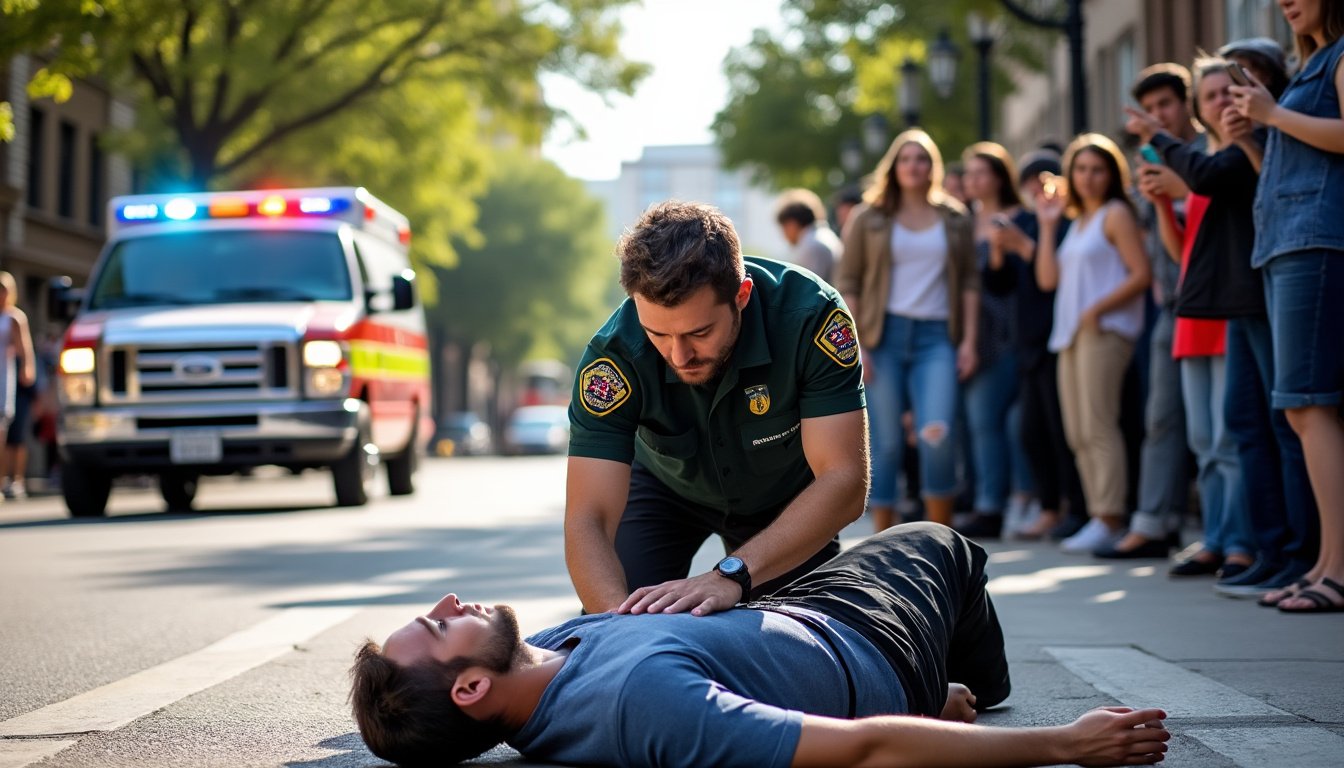
    learn the essential steps to take during a medical emergency. this guide covers quick, practical actions to ensure safety and provide effective help until professional assistance arrives.
    Share
    Facebook Twitter LinkedIn Email Reddit Telegram WhatsApp Threads

    Facing a medical emergency can be a daunting experience, where every second counts and the right response can make the difference between life and death. In 2025, amid advances in emergency medicine and public awareness, having a clear, step-by-step strategy is crucial for both laypersons and professionals. From recognizing critical symptoms to performing essential first aid, and making important medical decisions, preparedness is key. Trusted organizations such as the Red Cross, American Heart Association, and St John Ambulance provide invaluable guidance that empowers individuals to act decisively and confidently when emergencies strike. This comprehensive guide breaks down the essential stages of responding effectively to medical emergencies, drawing from updated clinical practices and community training initiatives worldwide.

    Step 1: Rapid Assessment of the Emergency Situation

    When confronted with an emergency, your initial actions set the course for patient survival and recovery. The first priority is a quick but composed evaluation:

    • Check responsiveness: Is the person awake, alert, or unconscious?
    • Observe breathing: Is the person breathing normally or at all?
    • Identify dangers: Are there signs of trauma, bleeding, or symptoms indicative of a heart attack or stroke, such as chest pain, sudden weakness, or confusion?
    • Ensure scene safety: Look for hazards like traffic, fire, or unstable structures and do not endanger yourself in the process.

    Maintaining calm is vital; panicking can cloud judgment. Instead, focus on gathering clear information. Trusted emergency response authorities like First Aid for Free and Continental Hospitals emphasize the importance of staying collected to enhance decision-making speed and accuracy.

    learn how to respond effectively in a medical emergency with this step-by-step guide. discover clear actions to take, important tips, and ways to stay calm and help until professional medical assistance arrives.

    How to recognize a medical emergency effectively

    Not every situation is immediately obvious as a medical emergency. Learn to recognize telltale signs:

    • Unconsciousness or inability to respond
    • Unexpected severe bleeding
    • Difficulty breathing or sudden severe chest pain
    • Signs of stroke such as facial drooping, arm weakness, or speech difficulty
    • Severe allergic reactions with swelling or difficulty swallowing
    Related Article :  What to do in a medical emergency — step by step

    Recognizing these allows you to act swiftly, calling for professional aid when necessary, as advised by the Hope ER service.

    Step 2: Immediate Activation of Emergency Response

    Once an emergency is assessed as serious, the next step is to summon expert medical assistance. In 2025, the availability of rapid communication channels and advanced dispatch systems improves emergency response efficacy. To do this properly:

    • Dial the emergency number promptly (for instance, Ambuquick’s 1800-1234-780 in some regions)
    • Provide precise information: exact location, patient’s condition, and any witnessed cause of the emergency
    • Stay on the line and follow the operator’s instructions carefully

    Emergency Medical Services (EMS) are equipped to provide pre-arrival instructions, potentially guiding you through lifesaving measures such as performing CPR or using an Automated External Defibrillator (AED). Resources like MedlinePlus and Consumer Reports underscore the vital role of clear communication when engaging emergency responders.

    Key tips for emergency phone calls

    • Speak clearly and calmly to the dispatcher
    • Use landmarks or GPS coordinates to pinpoint your location
    • Inform about ongoing interventions (CPR, bleeding control, etc.)
    • Answer questions succinctly and accurately

    Step 3: Delivering Essential First Aid to Preserve Life

    While waiting for emergency responders, your immediate care can stabilize the victim and prevent deterioration. According to authoritative bodies like the American Heart Association and Red Cross, the correct first aid actions include:

    • CPR: Chest compressions and rescue breaths if the person is unconscious and not breathing
    • Control bleeding: Use clean cloths to apply firm pressure and elevate the wound if appropriate
    • Choking relief: Employ the Heimlich maneuver for airway obstruction
    • Allergic reactions: Assist with an EpiPen if available and the person has known allergies
    • Use of AED: Deploy if the person experiences cardiac arrest and AED devices are accessible
    Related Article :  5 shocking myths about trauma & emergency care - debunked by science

    Even untrained individuals can provide some assistance; many emergency services guide callers through basic first aid steps live over the phone. Consult the LCH Africa guide for detailed protocols.

    How training enhances emergency response

    Formal first aid and CPR training courses, offered by organizations such as St John Ambulance and Cleveland Clinic, greatly increase confidence and competence. Participating in these trainings can transform bystanders into lifesavers, significantly improving survival rates in out-of-hospital emergencies.

    Step 4: Making Critical Medical Decisions or Designating a Proxy

    In some emergencies, especially when the patient is unable to communicate, decisions about treatment must be made swiftly. This step may require:

    • Knowing if the patient has any advance directives, Do Not Resuscitate (DNR) orders, or healthcare proxies
    • Identifying the appointed medical power of attorney or legal guardian authorized to make decisions
    • Ensuring prompt access to any legal papers that specify medical wishes

    In complex scenarios, legal assistance might be necessary to confirm decision-making authority. Services such as a same-day process server specialize in delivering urgent court documents when time is of the essence. You can explore medical decision-making frameworks at MedicalResearch.com.

    The importance of preparedness for patients and families

    Encouraging individuals to prepare these documents and communicate their wishes in advance ensures that care aligns with their values and reduces confusion during emergencies. This proactivity supports a smooth transition between emergency care and ongoing treatment.

    Step 5: Supporting Recovery Through Follow-Up Care

    After emergency stabilization and hospital admission, continuous care is crucial. Staying actively engaged includes:

    • Tracking medical reports, prescribed treatments, and rehabilitation plans
    • Communicating frequently with healthcare providers to understand prognosis and advice
    • Evaluating your emergency response to identify strengths and areas for improvement
    • Supporting the patient emotionally and physically throughout recovery
    Related Article :  What to do in a medical emergency — step by step

    This phase solidifies the benefits of immediate emergency actions. According to insights from the LiveWell Magazine, effective follow-up can radically enhance outcomes and quality of life post-crisis.

    emergency response first aid healthcare tips medical emergency step by step guide
    Follow on Google News
    Share. Facebook Twitter LinkedIn Email WhatsApp Reddit Telegram Threads Copy Link
    Previous ArticleFive Enduring Practices for Enhanced Well-being
    Next Article Practices for a Century-Long Life: Insights from Longevity Specialists
    Avatar photo
    Amelie Goujon

    Amélie has been working in the health sector for over 15 years and now serves as an online journalist specializing in healthy living. Her background in healthcare gives her articles a solid foundation of credibility and empathy. Passionate about wellness, nutrition, and prevention, she translates complex medical topics into clear, accessible content for a wide audience. Through her writing, Amélie aims to empower readers to make informed choices and adopt healthier daily habits.

    Continue reading

    What to do in a medical emergency — step by step

    By Tina Nguyen

    Stroke center care made the difference: finding relief after an aneurysm

    By Frank Jost

    Seconds matter: the quick thinking outside the ER that saved a man’s life

    By Frank Jost

    What to do in a medical emergency — step by step

    By Amelie Goujon

    What to do in a medical emergency — step by step

    By Amelie Goujon

    What to do in a medical emergency — step by step

    By Amelie Goujon

    What to do in a medical emergency — step by step

    By Amelie Goujon

    What to do in a medical emergency — step by step

    By Amelie Goujon

    What to do in a medical emergency — step by step

    By Amelie Goujon

    A single shot for cancer? The breakthrough therapy researchers are betting on

    By Frank Jost

    5 shocking myths about trauma & emergency care – debunked by science

    By Tina Nguyen

    Is trauma & emergency care the secret to a longer life? Here’s what new research says

    By Amelie Goujon
    View 1 Comment

    1 Comment

    1. Pingback: At 43, cardiac rehab changed everything: one patient’s journey back to strength - LiveWell Magazine

    Leave A Reply Cancel Reply

    Subscribe to Our Newsletter

    Join the Live Well Magazine Newsletter and get exclusive tips on health, wellness, lifestyle, and personal growth — straight to your inbox.

    Trending
    Wellness

    What are the top travel picks for 2026 to enhance your food, city, and beach wellness?

    Wellness

    How can the Michelin-star transformation of Vienna’s hottest hotel enhance your travel wellness?

    Health & Safety

    When do customized painkillers become essential for your health and recovery?

    Nutrition

    Which 5 delectable fruits packed with potassium can help support your blood pressure?

    Natural Remedies

    Which anti-inflammatory champion reigns supreme for your relief?

    Mental Health

    How can a lost luggage saga and a $2,200 win teach you about managing travel stress and mental wellness?

    Facebook
    • About us
    • Contact us
    • Contributors
    • Legal
    • Privacy
    © 2026 livewellmagazine.org.

    Type above and press Enter to search. Press Esc to cancel.