

Close Menu
    Follow us on Google News
    Follow Livewell Magazine on Google News
    Facebook X (Twitter) Instagram
    LiveWell Magazine
    Facebook
    Follow LiveWell Magazine on Google News
    • Cancer

      The “Silent Killer”: 2 Hidden Signs of Pancreatic Cancer You Can Spot Years in Advance

      April 20, 2026

      Barry Manilow Opens Up About Embracing Healthier Lifestyle Choices During His Cancer Battle

      April 8, 2026

      Healthy Dad’s Unexpected Cancer Diagnosis Revealed After Ignoring Nighttime Bathroom Trips: ‘A Heartbreaking Surprise’

      February 22, 2026

      BREAKING NEWS: Gene therapy for sickle cell disease: a medical breakthrough still out of reach for many

      December 29, 2025

      How Your Drinking Habits Could Significantly Increase Your Cancer Risk

      December 28, 2025
    • Fitness

      Why does every step matter in your unique running journey?

      May 21, 2026

      How does age impact athletic prowess and power?

      May 19, 2026

      How can you stay active and healthy by embracing winter fitness with outdoor sports?

      May 14, 2026

      How does afternoon exercise transform your blood sugar levels?

      May 7, 2026

      At 100, the ‘First Lady of Fitness’ Shares Her Daily Workout Secrets and One Must-Have Food

      April 15, 2026
    • Health

      How can enhanced health insights empower your everyday decisions?

      June 5, 2026

      How can fast verification tools transform patient care and enhance health outcomes?

      May 15, 2026

      How can you choose the best functional medicine doctor for your health journey?

      May 5, 2026

      How can better patient-doctor communication help you stay on track with your medication?

      April 8, 2026

      What can an infectious disease doctor’s experiences in Kazakhstan and America teach us about global health?

      April 3, 2026
    • Lifestyle

      Women Reveal Which ‘Romantic’ Gestures From Men Miss The Mark

      June 10, 2026

      Could a 60,000-person matchmaking festival be the solution to your dating app burnout?

      June 5, 2026

      How can vacations ignite your libido according to science?

      June 3, 2026

      Can these 6 yoga poses provide instant relief for your period cramps?

      May 28, 2026

      How will the new travel advisory for individuals with “x” gender markers affect your travel wellness?

      May 22, 2026
    • Nutrition

      Which nuts are the best for protein, omega-3s, and fiber in the ultimate nut showdown?

      June 8, 2026

      Could a daily glass of orange juice be the secret to heart health and longevity?

      June 3, 2026

      Which 14 superfoods can help boost your heart health and slash cholesterol?

      June 2, 2026

      Which foods should you select to protect against age-related health concerns?

      June 1, 2026

      How could eating pickles daily affect your blood pressure?

      May 25, 2026
    • Senior

      How is the rise of telehealth benefiting senior citizens?

      June 4, 2026

      What are the essential approaches for promoting high-quality senior care and independence?

      May 6, 2026

      Nurturing Your Gut After 50: 7 Essential Habits for Lasting Digestive Wellness

      April 3, 2026

      Nourishing Your Golden Years: 10 Essential Nutrition Habits to Promote Healthy Aging and Maintain Independence After 60

      March 27, 2026

      Wound Care Revolution: How a New Medicare Payment System Aims to Cut Waste in Senior Care

      March 19, 2026
    • Trends

      What are the innovative techniques in permanent makeup for aesthetic and restorative purposes?

      June 2, 2026

      How could the 7 surprising travel trends of 2026 disrupt your wellness plans and how can you navigate them?

      April 15, 2026

      Which innovative skincare trends will shape the industry in 2026 according to Uliana-Sofiia Savchenko?

      April 6, 2026

      Transparency at HHS: How the New “Radical Transparency” Initiative Aims to Expose Big Pharma Conflicts

      March 13, 2026

      How Wearable Technology Could Spark a Revolution in Healthier Living

      February 5, 2026
    • Wellness

      How can airline staff altercations and passenger conflict affect your travel wellness?

      June 10, 2026

      How can exploring the haunting history of the Royal Mile in Edinburgh enhance your travel wellness?

      June 9, 2026

      How can you escape the ordinary with Bali’s ultimate wellness adventure?

      June 4, 2026

      Could Spain being crowned the top digital nomad destination of 2026 benefit your work-life wellness?

      June 1, 2026

      How can heartfelt reunions at U.S. airports enhance your emotional wellness?

      May 28, 2026
    Subscribe
    LiveWell Magazine
    Home»Trauma & Emergency Care»What to do in a medical emergency — step by step
    Trauma & Emergency Care

    What to do in a medical emergency — step by step

    Amelie GoujonBy Amelie Goujon2 Comments
    Facebook Twitter Email WhatsApp Pinterest LinkedIn Reddit Telegram Threads
    learn the essential steps to take in a medical emergency. discover clear, step-by-step guidance to help you respond quickly and effectively before help arrives.
    Share
    Facebook Twitter LinkedIn Email Reddit Telegram WhatsApp Threads

    Medical emergencies strike without warning, thrusting bystanders into moments where swift, knowledgeable action can spell the difference between life and death. In these critical seconds, staying composed, accurately assessing the scene, and delivering appropriate first aid—while promptly summoning professional assistance—form the cornerstone of effective emergency response. Understanding these steps is essential not only for healthcare professionals but for everyone who may find themselves a witness or first responder. Across the globe, institutions like the Red Cross, St John Ambulance, and the American Heart Association emphasize the importance of educating the public on these lifesaving techniques, reflecting a widespread acknowledgment that immediate layperson intervention often impacts outcomes more profoundly than delayed specialist care. Inspired by authoritative sources such as WebMD, Mayo Clinic, and Cleveland Clinic, this guide provides a clear, practical pathway for anyone faced with a medical crisis, integrating best practices from EMS1 and Healthline with accessible first aid principles highlighted by First Aid for Free.

    Step 1: Stay Calm and Assess the Medical Emergency Situation Efficiently

    In every urgent medical scenario, the first and most crucial action is to maintain composure and rapidly assess the situation. Panic shackles judgment, whereas a calm mind empowers decisive, effective intervention. Begin by safely evaluating the environment to protect yourself and the victim.

    • Ensure scene safety: Avoid placing yourself in harm’s way before aiding others, a principle advocated universally, including by St John Ambulance training modules.
    • Gather information: Identify exactly what transpired by observing signs like consciousness level, breathing patterns, or visible injuries.
    • Determine if emergency services are required: If you witness symptoms like unresponsiveness, severe bleeding, or difficulty breathing, immediate professional help is non-negotiable.
    Related Article :  What your knees are telling you: how to recognize early warning signs and take action

    Such rapid appraisal not only prioritizes interventions but also aligns with procedures recommended by the Red Cross and extensively documented by MedlinePlus and the American Heart Association. The ability to filter distractions and focus on pertinent clinical features is the foundation upon which all subsequent actions depend.
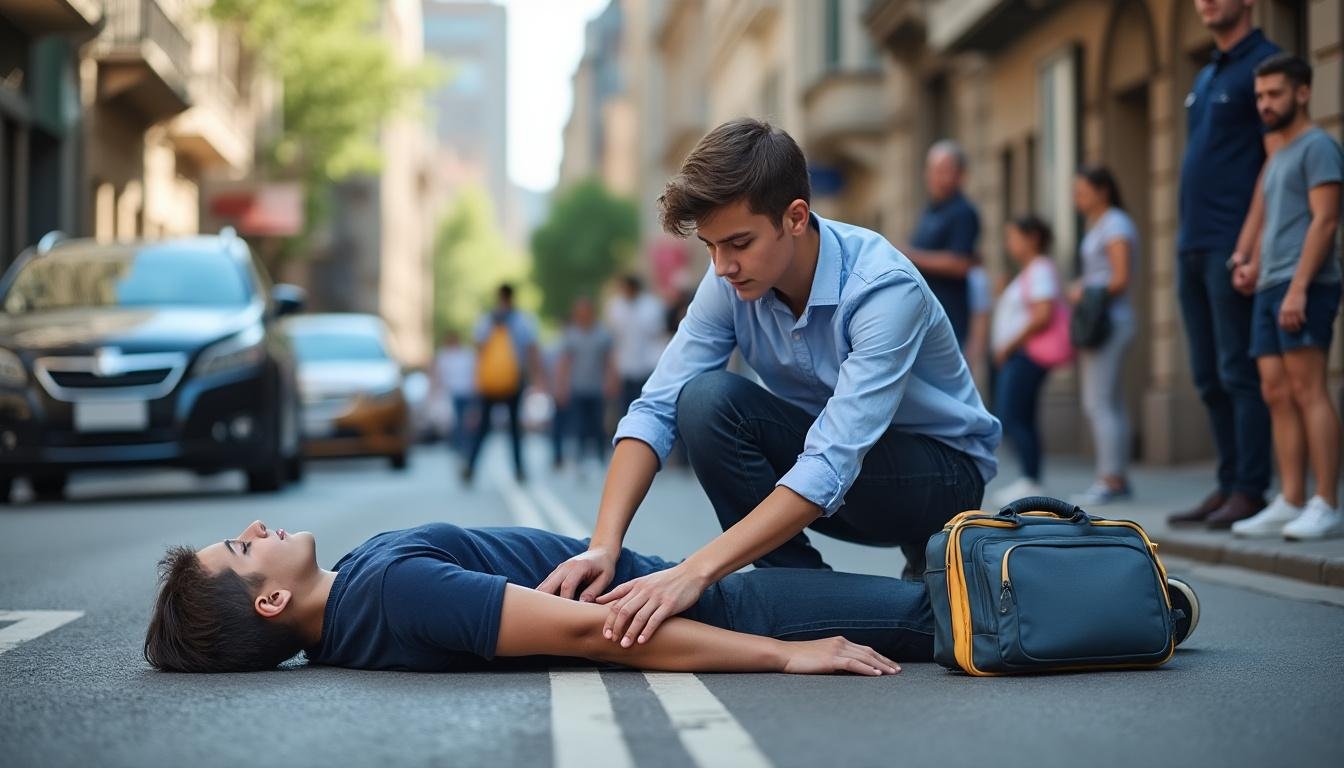
    learn what to do in a medical emergency with this step-by-step guide. find clear instructions, important tips, and immediate actions to help you respond effectively and stay calm when every second matters.

    How to Call for Help Effectively During a Medical Crisis

    Once the situation is assessed, the next pivotal step is to call emergency medical services without delay. Providing clear information enables faster and more appropriate dispatch of aid.

    • Location details: Specify your exact location to prevent delays in arrival.
    • Description of the emergency: Communicate the type of injury or illness, such as cardiac arrest or stroke symptoms.
    • Victim status: Inform about consciousness, breathing, bleeding, or any known medical history relevant to the emergency.

    Reliable services like EMS1 emphasize that time is a precious commodity in emergencies, and prompt communication with dispatch centers enhances the chances of survival. Hospitals such as Continental Hospitals stand ready to treat emergencies swiftly, so alerting them or equivalent services ensures expert care follows your initial assistance. For guidance on conversations with dispatchers, exploring resources like Mayo Clinic’s emergency communication tips can be invaluable.

    Step 2: Perform Basic First Aid to Stabilize the Patient While Waiting

    While waiting for professional responders, applying first aid can dramatically influence outcomes. Each emergency type necessitates specific actions, so acquiring fundamental skills from certified programs like those offered by the Red Cross or St John Ambulance is highly recommended.

    • Cardiac arrest: Immediately begin CPR—chest compressions at 100-120 per minute are critical, even without mouth-to-mouth if you are untrained. The American Heart Association asserts that continuous compressions pump life-sustaining blood until defibrillation or advanced care arrives.
    • Severe bleeding: Apply steady pressure with a clean cloth. If uncontrolled, a tourniquet above the injury may be necessary, but only if you have proper training as outlined by First Aid for Free and Healthline.
    • Choking: Administer the Heimlich maneuver for adults or back slaps and chest thrusts for infants, following clear established protocols.
    • Fractures: Immobilize the injured limb carefully to prevent further damage; makeshift splints can be fashioned from available materials.
    • Burns: Cool minor burns with cool water for at least ten minutes and cover severe burns with sterile dressings. Avoid ice, as recommended by WebMD.
    • Stroke suspicion: Note symptom onset time and keep the individual calm and still while awaiting emergency services, reinforcing urgency.
    Related Article :  What to do in a medical emergency — step by step

    Mastering these procedures serves as the first line of defense in emergencies and dramatically impacts recovery trajectories, as repeatedly evidenced by research documented in Cleveland Clinic reports and shared by EMS1 professionals.

    Monitoring and Moving Patients in Emergencies: What You Need to Know

    After initiating first aid, continuous monitoring is essential. Observe vital signs—breathing, pulse, and consciousness—and be prepared to perform CPR if deterioration occurs. For patients losing consciousness, positioning the head to maintain an open airway prevents complications.

    • Transport decisions: Only move a patient if their current environment poses immediate danger; improper handling can exacerbate injuries, notably spinal trauma.
    • Information relay: Upon arrival of medical professionals, convey all observations and care measures administered to enhance accuracy of further treatment.
    • Psychological support: Provide reassurance to alleviate fear and confusion, which can reduce physiological stress responses and promote stabilization.

    Professional bodies, including the Mayo Clinic, stress the significance of this comprehensive care chain from the scene to emergency departments. Coordinated efforts magnify survival rates and reduce long-term disabilities.

    emergency response first aid health tips medical care medical emergency
    Follow on Google News
    Share. Facebook Twitter LinkedIn Email WhatsApp Reddit Telegram Threads Copy Link
    Previous ArticlePromoting Wellness: Essential Healthy Habits for a Productive Classroom Environment
    Next Article Embrace Wellness: Begin Your Journey of Healthy Habits Today
    Avatar photo
    Amelie Goujon

    Amélie has been working in the health sector for over 15 years and now serves as an online journalist specializing in healthy living. Her background in healthcare gives her articles a solid foundation of credibility and empathy. Passionate about wellness, nutrition, and prevention, she translates complex medical topics into clear, accessible content for a wide audience. Through her writing, Amélie aims to empower readers to make informed choices and adopt healthier daily habits.

    Continue reading

    What are the hidden risks of cold plunges every woman needs to know?

    By Amelie Goujon

    Which are the 6 surprising foods that could be sabotaging your health?

    By Amelie Goujon

    How do burn injuries affect your daily life and mobility?

    By Amelie Goujon

    The So-Called ‘Healthy’ Habit That May Not Be Beneficial, Reveals New Research

    By FRANK JOST

    The Top Morning Routine Gastroenterologists Recommend for Better Digestion and Easy Bowel Movements

    By FRANK JOST

    PT’s Highly Effective Habit to Lower the Risk of a Serious Health Condition

    By FRANK JOST

    Weekend Habits Secretly Affecting Your Insulin Resistance

    By FRANK JOST

    Top Longevity Specialist Reveals the #1 Superfood for Vibrant Aging – You Won’t Believe What It Is…

    By FRANK JOST

    Essential Evening Habits to Improve Your Blood Sugar Levels, According to Experts

    By FRANK JOST

    What to do in a medical emergency — step by step

    By Tina Nguyen

    How to stay healthy when the seasons change

    By Tina Nguyen

    Local Physician Reveals How Simple Daily Habits Shield Your Heart Health

    By FRANK JOST
    View 2 Comments

    2 Comments

    1. Pingback: PGA Gives Back: Free Admission for Healthcare Heroes

    2. Pingback: Not all strokes look like FAST: subtle symptoms you shouldn’t ignore - LiveWell Magazine

    Leave A Reply Cancel Reply

    Subscribe to Our Newsletter

    Join the Live Well Magazine Newsletter and get exclusive tips on health, wellness, lifestyle, and personal growth — straight to your inbox.

    Trending
    Health Products

    How will updated tariff regulations and the halt of international postal deliveries impact your access to global health products?

    Lifestyle & Habits

    Women Reveal Which ‘Romantic’ Gestures From Men Miss The Mark

    Wellness

    How can airline staff altercations and passenger conflict affect your travel wellness?

    Screenings & Prevention

    Actxa and LIF Forge Strategic Alliance to Revolutionize Preventive Healthcare Together

    Wellness

    How can exploring the haunting history of the Royal Mile in Edinburgh enhance your travel wellness?

    Natural Remedies

    Could cannabis compounds be the key to enhancing your liver and heart wellness?

    Facebook
    • About us
    • Contact us
    • Contributors
    • Legal
    • Privacy
    © 2026 livewellmagazine.org.

    Type above and press Enter to search. Press Esc to cancel.