


In today’s fast-evolving workplace and sports environments of 2025, fostering a culture deeply rooted in healthy habits is no longer a luxury but a necessity. Organizations and teams aiming for sustained success realize that integrating wellness practices within their culture promotes not only physical vitality but also mental resilience and emotional balance. The challenge lies in adopting straightforward yet effective strategies that embed these habits seamlessly into everyday routines, ensuring team members thrive both individually and collectively. From emotional regulation to nutrition, and punctuality to mindfulness, cultivating a healthy work culture can significantly elevate performance, satisfaction, and overall team wellness.
This exploration breaks down proven tactics and cutting-edge insights on how coaches, managers, and wellness champions can lead the way in transforming team dynamics through small, intentional habit shifts. We delve into the why behind habit formation, specific habitual practices for pre-, during-, and post-performance, and how leveraging technology and incentives from platforms like TeamFit, FitBit, and Happify can power sustained employee engagement. Respected voices like TrueSport’s Dr. Kevin Chapman inspire this conversation, reinforcing the crucial role of coaches and leaders as role models who directly influence the internalization of healthy behaviors.
Whether you’re steering a competitive athletics squad, managing a corporate team, or coordinating wellness initiatives, this guide unveils actionable ideas backed by psychology, organizational culture research, and real-world examples. Embrace this opportunity to cultivate mindful teams, hone mental sharpness, and spark a culture of wellness that reshapes team performance in 2025 and beyond.
- Understanding the Importance of Healthy Habits in Team Culture
- Establishing Emotional Regulation and Communication Practices
- Structuring Pre-Game and Workday Rituals for Optimal Focus
- Utilizing Technology and Incentives to Support Healthy Routines
- Measuring Progress and Sustaining Wellness Momentum in Teams
- Frequently Asked Questions (FAQ)
Understanding the Importance of Healthy Habits in Team Culture
The foundation of any thriving team lies in its shared culture, and embedding healthy habits into this culture can transform interaction patterns and outcomes. As emphasized by experts like Kevin Chapman, PhD, a clinical psychologist and founder of The Kentucky Center for Anxiety and Related Disorders, coaches and leaders wield extraordinary influence in setting the tone for health-related behaviors within teams. Whether the environment is a sports team, office workforce, or volunteer group, the normalization of healthy habits—such as consistent sleep patterns, sound nutrition, and punctuality—establishes a framework conducive to sustained performance and well-being.
Too frequently, there is an assumption that young athletes or employees naturally possess these healthy habits, when in fact, many lack access to appropriate education or role models. This gap underscores the pressing need for intentional habit integration and mentorship. Teams that cultivate wellness recognize the compounding effect of small, positive behaviors driving motivation, focus, and resilience, each translating into enhanced collective energy and success.
The Ripple Effect of Coaches and Leaders as Wellness Champions
Leadership’s role extends beyond issuing instructions; coaches and managers personify the habits they wish to instill. Athletes and employees emulate top-down behaviors, meaning that leaders’ attitudes toward nutrition, emotional openness, and time management color the entire team’s conduct and mindset.
For instance, if a manager regularly practices mindfulness or uses health tracking devices such as FitBit to monitor quality sleep, team members witness, absorb, and often replicate these routines. Organizations like Thrive Global and Healthify emphasize that wellness champions serve as catalysts who motivate their teams to adopt habit changes voluntarily, rather than by mandate. By fostering authenticity and leading through example, leaders create an environment where healthy choices become the default.
Key Healthy Habits to Normalize in Team Settings
- Healthy Eating Patterns: Emphasizing nutrient-dense meals and snacks supports sustained energy and sharp cognitive function. Offering team-wide access to online resources or workshops, such as those highlighted by LiveWell Magazine (healthy snack ideas), provides practical guidance.
- Sleep Hygiene: Encouraging regular bedtimes and relaxation techniques to optimize rest ensures recovery and emotional stability.
- Emotional Regulation: Creating a judgement-free space where team members openly discuss feelings reduces stress and conflicts.
- Punctuality and Accountability: Cultivating habits around showing up on time and holding each other accountable strengthens trust and team cohesion.
| Habit | Benefits | Team Implementation Strategies |
|---|---|---|
| Consistent Hydration | Maintains cognitive function and physical health | Scheduled water breaks; hydration stations; reminders via apps like LifeAID |
| Visualization Techniques | Enhances focus and reduces performance anxiety | Integrate short guided visualizations at practices and meetings |
| Regular Emotional Check-Ins | Improves communication and emotional intelligence | Weekly group discussions and anonymous feedback channels |
For more detailed practical ideas, resources like USA Cheer’s guide provide specific frameworks tailored for team habit-building.
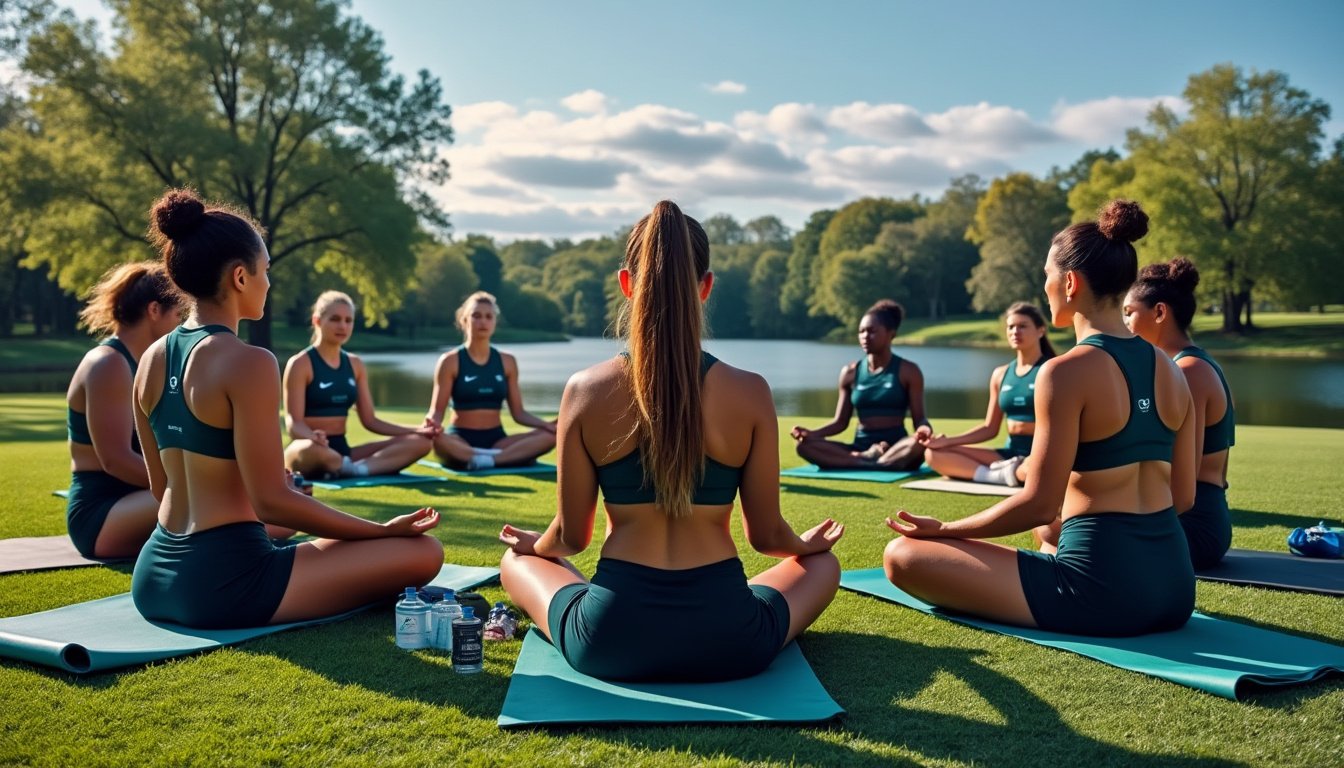
Establishing Emotional Regulation and Communication Practices within Teams
The ability to regulate emotions and foster open communication is a cornerstone of a resilient team culture. These skills underpin better teamwork, reduce burnout, and increase mental wellness. Kevin Chapman emphasizes that coaches and team leaders must model vulnerability and constructive emotional expression to cultivate trust and psychological safety.
Many teams shy away from discussions around emotional challenges due to societal stigmas or fears of appearing vulnerable. However, creating routine opportunities for team members to voice concerns in a judgement-free atmosphere dramatically shifts team dynamics. Over time, these habits not only improve individual emotional intelligence but enhance group cohesion and conflict resolution capabilities.
Strategies to Introduce and Normalize Emotional Practices
- Scheduled Emotional Check-Ins: Implement weekly sessions where members can share feelings, challenges, or gratitude. Use structured formats such as round-robin sharing or emotion cards to encourage participation.
- Pre-Set Boundaries and Group Agreements: Establish explicit guidelines about respectful interactions and support mechanisms during stressful times.
- Role-Modeling by Leaders: Coaches demonstrating healthy emotional regulation—such as calm responses to setbacks or acknowledgment of stress—helps destigmatize emotional conversations.
- Integrate Mindfulness and Breathing Exercises: Small, daily guided practices from platforms like Mindful Teams can anchor emotional stability.
| Emotional Regulation Technique | Description | Intended Impact |
|---|---|---|
| Guided Breathing | Simple breath control exercises to center attention and calm nerves | Reduced anxiety and improved focus during high-pressure moments |
| Emotion Labeling | Encouraging articulation of feelings rather than suppressing them | Builds emotional awareness and communication |
| Peer Accountability Pairs | Pairs check in on each other’s emotional health and progress | Enhanced trust and support networks within the team |
Such emotional health initiatives are essential components of a Healthy Work Culture and can complement physical wellness programs to holistically support team members. Resources like TrueSport’s mental wellness guide offer deeper insights and tools for implementation.
Structuring Pre-Game and Workday Rituals to Maximize Focus and Performance
Pre-performance and workday rituals establish psychological readiness and consistency, key factors in achieving peak performance. Across diverse domains, from sports to business, intentional habits become cues that invoke calm, confidence, and concentration. Consistency here converts activities into automatic routines, liberating cognitive resources for critical tasks.
Kevin Chapman suggests weaving key rituals into daily practice, such as visualization exercises, breathing techniques, or pep talks. The advantage of this approach is twofold: it habituates these positive behaviors well before “game day” or project deadlines, and it equips individuals with reliable tools to regulate stress and sustain peak focus.
Examples of Effective Rituals and Their Implementation
- Pre-Game/Work Warm-ups: Simple drills, stretches, or peer encouragement rounds prepare the body and mind.
- Guided Visualization: Two to three minutes of mental rehearsal during practice primes athletes or employees to experience success and manage pressure.
- Consistent Breathing Exercises: Short paced breathing to calm nerves and sharpen attention immediately before performance.
- Established Cue Words: Teams create shared verbal cues (e.g., “press the reset button”) that signal emotional regulation or strategy shifts during high-pressure moments.
| Ritual Component | Purpose | Implementation Tips |
|---|---|---|
| Visualization | Promotes mental rehearsal and confidence | Conduct short, focused visualizations at start of practices and meetings |
| Breathing Techniques | Centers attention and reduces stress hormones | Lead guided breathing exercises during warm-ups and before project kickoffs |
| Team Pep Talks | Builds collective motivation and morale | Use positive affirmations and highlight recent achievements |
Organizations embracing digital wellness tools enable greater adherence to these habits. The use of apps like TeamFit, Vitality, or Happify provides real-time prompts and progress tracking to embed rituals into daily routines. For further reading on integrating these simple yet effective practices, explore innovative workplace habit incentives and comprehensive wellness-centric culture guides.
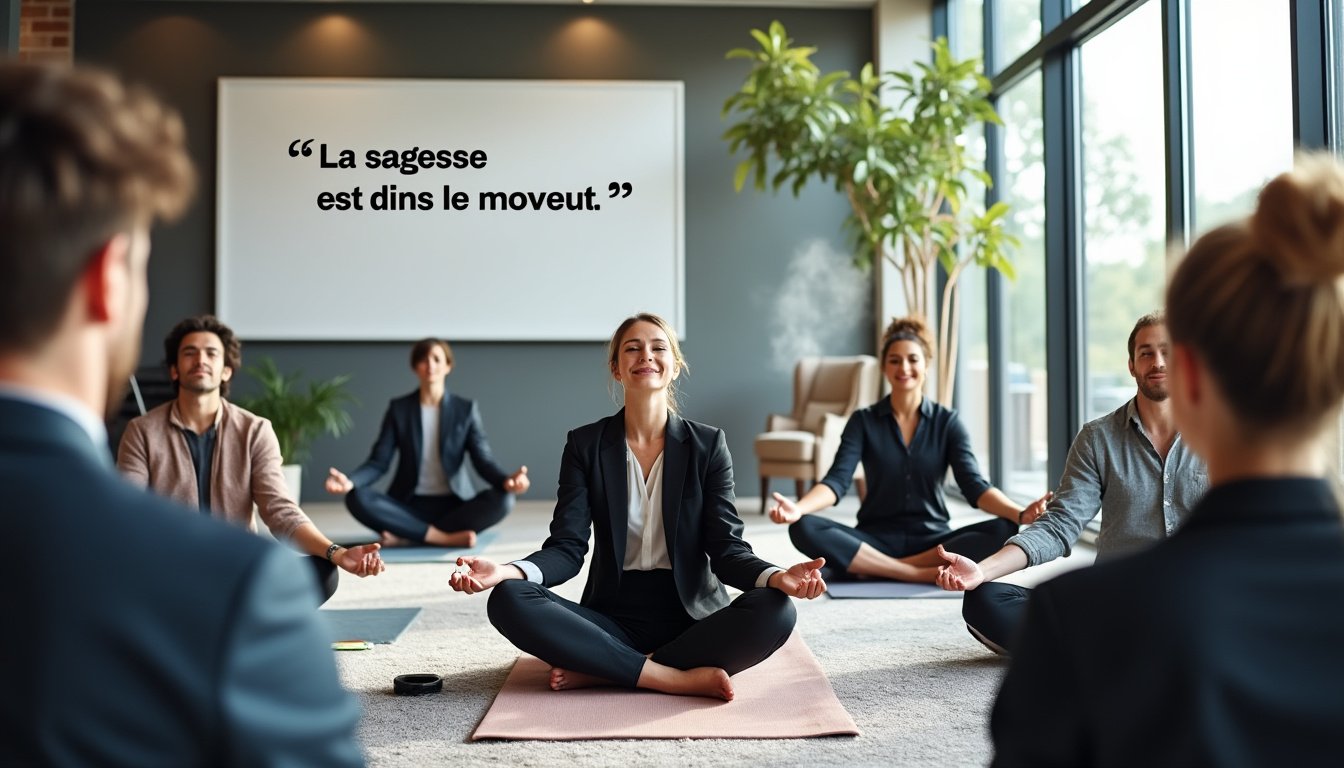
Utilizing Technology and Incentives to Foster Long-Term Healthy Habits in Teams
Technology has become an integral driver in supporting wellness cultures across industries. Wearable devices like FitBit not only monitor activity and sleep but also motivate users through gamified challenges and social sharing. Likewise, apps from platforms such as Happify or Vitality use evidence-based methods to encourage mental health practices and reward system adherence.
Leaders can harness these technologies to incentivize participation and create a sense of friendly competition. Incentive programs might include:
- Step challenges with team and individual tiers
- Nutrition tracking contests encouraged through Healthify-based meal logging
- Mental well-being quizzes and interactive content fostering emotional literacy
- Rewards such as wellness stipends, branded gear, or extra break time
Motivating employees and athletes through structured incentives cultivates habits while embedding wellness into organizational DNA. For an in-depth look at how innovative incentives bolster engagement, Mosaic Consulting Group and Auracious Global offer practical insights and real-world examples.
| Technology/Program | Focus Area | Example Use-Case | Desired Outcome |
|---|---|---|---|
| FitBit | Physical activity and sleep tracking | Daily step goal challenges among departments | Increased movement and better sleep habits |
| Healthify | Nutrition awareness | Weekly healthy meal photo contests and healthy snack education (LiveWell Magazine) | Improved dietary choices and meal planning |
| Happify | Mental wellness and resilience | Guided meditation sessions and stress reduction challenges | Reduced workplace stress and better emotion regulation |
| TeamFit | Team-building and activity challenges | Organizing company sports teams and virtual fitness competitions | Enhanced camaraderie and motivation |
Measuring Progress and Sustaining Wellness Momentum in Teams
Long-term success in embedding healthy habits depends on continuous assessment and evolution of wellness initiatives. Organizations that establish key performance indicators (KPIs) and regularly monitor engagement, satisfaction, and health metrics create a feedback loop for sustainable culture change.
Measurement ideas include:
- Employee surveys on perceived wellness and emotional climate
- Tracking participation numbers in wellness programs and challenges
- Analyses of absenteeism and productivity correlating with wellness efforts
- Regularly publishing team wellness achievement reports
Celebrating milestones and improvements, no matter how small, energizes teams and reinforces the value of their commitments. Public recognition programs led by wellness champions illuminate progress and motivate continued engagement.
| Metric | Measurement Method | Benefits |
|---|---|---|
| Engagement Rate | Participation tracking via apps and sign-ups | Identifies active involvement; guides program enhancements |
| Employee Wellbeing Scores | Anonymous surveys on physical and emotional health | Informs focus areas for support and resource allocation |
| Absenteeism Rate | HR attendance records comparison pre/post wellness initiatives | Measures impact on health-related work absences |
| Team Performance Indicators | Quality and output metrics linked with wellness participation | Highlights direct correlations between wellness and results |
For deeper frameworks on measurement strategies and sustaining healthy cultures, resources like Forbes Business Council and Loving Life Co’s wellness promotion tips provide comprehensive guidance.
Frequently Asked Questions About Integrating Healthy Habits into Team Culture
- How early should healthy habits be introduced to a team?
Starting early is crucial. Embedding habits from the onset—whether at the beginning of a season or when a team forms—makes adherence easier over time and ingrains them deeply into team culture.
- What role do leaders play in habit formation?
Leaders act as role models and wellness champions. Their consistent demonstration of healthy behaviors influences team members to emulate and internalize these habits.
- Are technology tools necessary for success?
While not mandatory, technology enhances accountability and engagement. Tools like FitBit and Happify create visible progress markers and encourage participation through gamification and prompts.
- How can emotional regulation be taught effectively?
By normalizing open emotional communication, setting boundaries, and using techniques like guided breathing and visualization, teams develop resilience and improved interpersonal dynamics.
- What are practical incentives to encourage habit formation?
Incentives can range from wellness stipends and recognition programs to team competitions and access to health-related apps, which motivate consistent habit adoption.
