

Close Menu
    Follow us on Google News
    Follow Livewell Magazine on Google News
    Facebook X (Twitter) Instagram
    LiveWell Magazine
    Facebook
    Follow LiveWell Magazine on Google News
    • Cancer

      Barry Manilow Opens Up About Embracing Healthier Lifestyle Choices During His Cancer Battle

      April 8, 2026

      Healthy Dad’s Unexpected Cancer Diagnosis Revealed After Ignoring Nighttime Bathroom Trips: ‘A Heartbreaking Surprise’

      February 22, 2026

      BREAKING NEWS: Gene therapy for sickle cell disease: a medical breakthrough still out of reach for many

      December 29, 2025

      How Your Drinking Habits Could Significantly Increase Your Cancer Risk

      December 28, 2025

      Could the time of day you get cancer treatment affect survival? What a new lung cancer study suggests

      December 25, 2025
    • Fitness

      A 65-Year-Old Fitness Trainer’s Guide to Stocking Up on Healthy Foods at Costco

      April 10, 2026

      How many calories do you actually burn by running one mile?

      April 9, 2026

      Biochemist Reveals the Powerful 10-Minute Workout That Keeps the Mind Razor-Sharp All Day

      March 23, 2026

      The best workouts for busy people

      March 3, 2026

      A Fitness Trainer’s Perspective: How My Approach Transformed from 40 to 60

      March 2, 2026
    • Health

      How can better patient-doctor communication help you stay on track with your medication?

      April 8, 2026

      What can an infectious disease doctor’s experiences in Kazakhstan and America teach us about global health?

      April 3, 2026

      Federal Judge Hits Pause on HHS Secretary Kennedy’s Vaccine Policy Overhaul

      March 18, 2026

      Medicare Advantage Shifts: Payments to Plans Increase as Enrollment Hits a New Record

      March 18, 2026

      The battle over “$0 premium” plans: What’s at stake for your healthcare?

      February 19, 2026
    • Lifestyle

      How can finding the best flight deals reduce your travel stress and improve your well-being?

      April 9, 2026

      Daily Routine Discovered in New Study That Could Help Slow Down Aging

      April 6, 2026

      The So-Called ‘Healthy’ Habit That May Not Be Beneficial, Reveals New Research

      April 5, 2026

      Celebrity Manicurist Reveals Daily Habit That Gradually Weakens Your Nails

      April 5, 2026

      Embracing Emotional Strength: The Key to Healthy Habits and a Longer Life

      April 4, 2026
    • Nutrition

      Which 7 vitamin C-packed fruits should you try to boost your immunity?

      April 10, 2026

      Daily Avocado Consumption: Insights from a Dietitian on Its Health Benefits

      March 25, 2026

      Celebrate National Nutrition Month this March with Toi Degree – Salisbury Post

      March 21, 2026

      Protein-Packed Mediterranean Dinners to Boost Your Heart Health

      March 20, 2026

      Remarkable Health Benefits of Prunes That Transform Them into a Nutritional Powerhouse

      March 6, 2026
    • Senior

      Nurturing Your Gut After 50: 7 Essential Habits for Lasting Digestive Wellness

      April 3, 2026

      Nourishing Your Golden Years: 10 Essential Nutrition Habits to Promote Healthy Aging and Maintain Independence After 60

      March 27, 2026

      Wound Care Revolution: How a New Medicare Payment System Aims to Cut Waste in Senior Care

      March 19, 2026

      The $2,000 Cap is Here: How the New Annual Out-of-Pocket Drug Limit Saves Seniors Thousands

      March 17, 2026

      Why Conventional Health Tips Might Shift After Turning 50

      March 15, 2026
    • Trends

      Which innovative skincare trends will shape the industry in 2026 according to Uliana-Sofiia Savchenko?

      April 6, 2026

      Transparency at HHS: How the New “Radical Transparency” Initiative Aims to Expose Big Pharma Conflicts

      March 13, 2026

      How Wearable Technology Could Spark a Revolution in Healthier Living

      February 5, 2026

      Early cholesterol treatment in kids may prevent heart disease for life

      January 28, 2026

      Wearable health devices: the future of personalized medicine?

      January 27, 2026
    • Wellness

      The 20-Minute Routine That Could Unlock a Healthier Heart and a Sharper Mind

      April 8, 2026

      How can celebrating Día de los Muertos at a Mexican-owned resort enhance your cultural wellness?

      April 6, 2026

      Is the rising cost of a Hawaii vacation becoming a barrier to your travel wellness?

      April 2, 2026

      How will Palma Mallorca’s new party boat and vacation rental rules affect your travel wellness?

      April 1, 2026

      This Wellness Routine Unlocks Greater Brain Benefits Especially for Beginners

      March 28, 2026
    Subscribe
    LiveWell Magazine
    Home»Health & Safety»What Are Xylazine and Ketamine? The Truth Behind the So-Called “Zombie Drugs”
    Health & Safety

    What Are Xylazine and Ketamine? The Truth Behind the So-Called “Zombie Drugs”

    Amelie GoujonBy Amelie Goujon1 Comment
    Facebook Twitter Email WhatsApp Pinterest LinkedIn Reddit Telegram Threads
    Share
    Facebook Twitter LinkedIn Email Reddit Telegram WhatsApp Threads

    You may have heard whispers of a new drug menace sweeping through parts of the United States—substances so potent and dangerous that they’ve earned the nicknames “zombie drug” and “horse tranquilizer.” These terms refer to a deadly duo: xylazine and ketamine. Originally developed as veterinary anesthetics, both have found their way into the illicit drug market with devastating consequences. But what exactly are these substances, and why are they causing such alarm?

    From veterinary medicine to street drug: What are ketamine and xylazine?
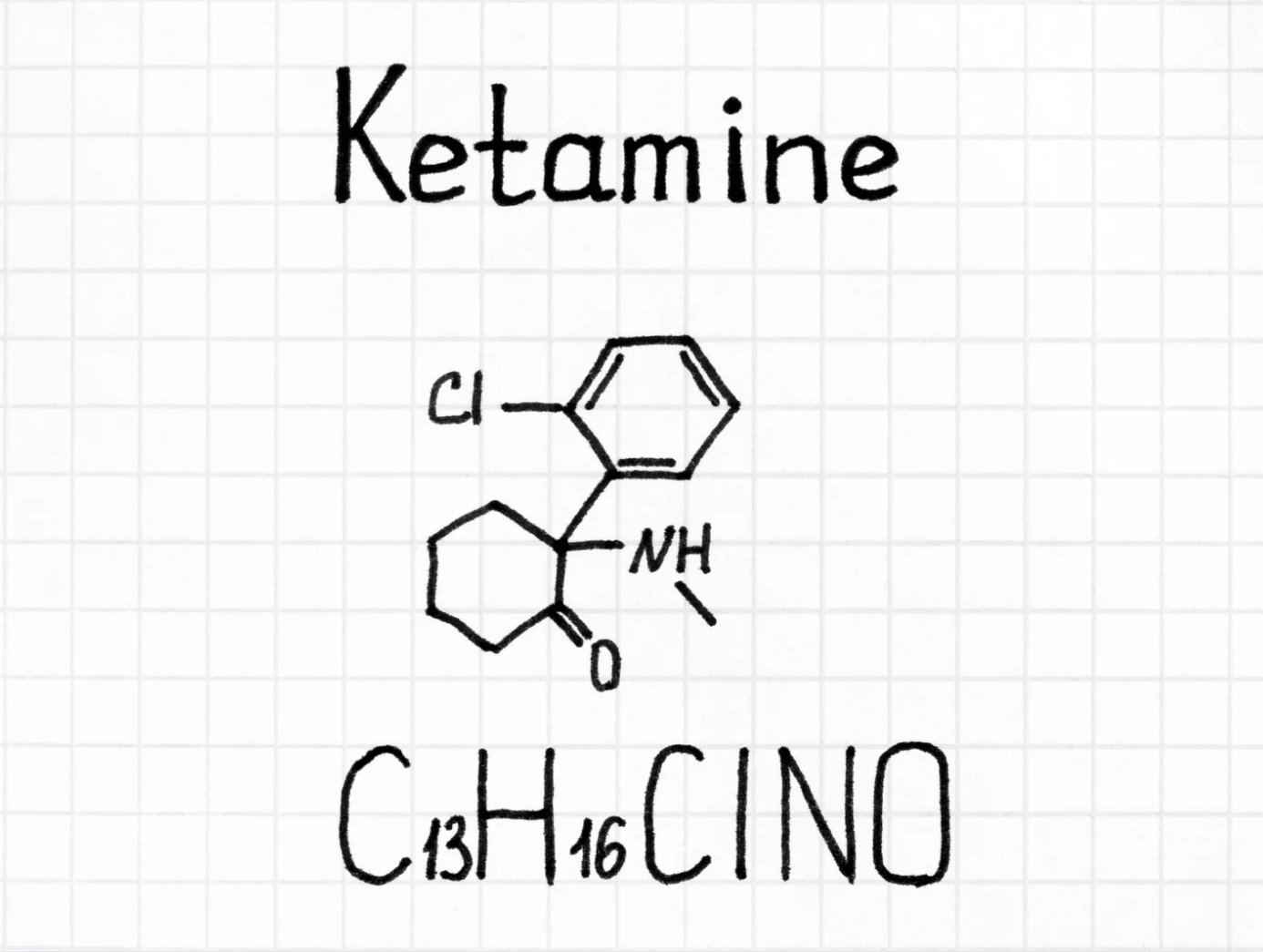
    The Ketamine molecule
    The Ketamine molecule

    Ketamine was first synthesized in the 1960s as a safer alternative to PCP. It’s widely used today in veterinary medicine for its rapid-acting anesthetic and pain-relieving properties, especially for large animals like horses and cattle. In human medicine, it’s sometimes used in surgical settings and, more recently, in controlled doses to treat treatment-resistant depression under the brand name Spravato®.

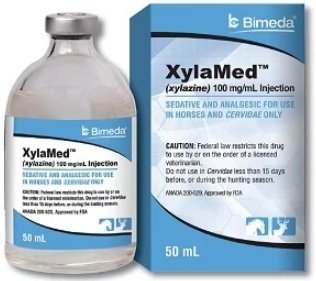
    Xylazine, on the other hand, is not approved for human use at all. It is an alpha-2 adrenergic agonist, which means it slows down key physiological processes: lowering heart rate, blood pressure, and levels of neurotransmitters like dopamine. Like ketamine, it’s used to sedate large animals—but on the streets, its off-label use has turned into a public health nightmare.

    Why people are abusing these drugs—and at what cost

    Illicit drug users are drawn to these substances for their strong dissociative effects. When taken recreationally, ketamine can cause vivid hallucinations, a feeling of floating, or an out-of-body experience. This has made it popular in rave culture and underground party scenes, but it’s increasingly showing up in private, more casual settings among people looking to self-medicate or “check out” from daily stress.

    Related Article :  NPS Healthy Choices Week: Promoting Family-Oriented Strategies for Lasting Wellness

    Xylazine’s effects are even more alarming. Often described as a “zombie-like” state, users exhibit slow, staggering movements, disorientation, and a haunting lack of awareness. Its powerful sedative qualities can produce euphoria, numbness, and muscle relaxation—but at a devastating cost to health and safety.

    Unpredictable and dangerous effects
    As with any drug, the impact of ketamine or xylazine depends on various factors: the dose, the user’s weight, age, overall health, mental state, and any other substances taken at the same time. But both can cause serious harm even in small amounts, especially when combined with opioids or alcohol.

    At high doses, ketamine use can lead to what’s known as a “K-hole”: a terrifying dissociative state in which users are unable to move or speak, experiencing intense hallucinations and a profound sense of dread. Some report feeling like they’re having a near-death experience. These effects may last hours, and psychological trauma can linger long after the drug wears off.

    Xylazine, meanwhile, suppresses the central nervous system so severely that it can slow breathing, reduce body temperature, and trigger cardiac arrest. Unlike opioids, it does not respond to naloxone (Narcan), making overdoses even more difficult to reverse.

    Addiction and long-term damage

    Despite the illusion of control that some users may feel, both substances are highly addictive. Tolerance builds quickly, leading people to take larger and riskier doses just to feel the same effects. Psychological and physical dependence often follows, trapping users in a destructive cycle.

    The long-term impact is devastating. Chronic ketamine use has been linked to memory loss, depression, bladder damage, and severe cognitive impairment. Xylazine poses an additional risk: users can injure themselves without realizing it, due to the drug’s numbing effects. Reports of severe skin ulcers and infections are increasingly common, especially when xylazine is injected.

    Related Article :  Trump's drug pricing deals: a closer look at the impact on americans

    When combined with opioids, the danger multiplies

    One of the most alarming trends in the U.S. is the growing presence of xylazine in the illicit opioid supply, particularly fentanyl. Because fentanyl’s effects are short-lived, dealers are now mixing xylazine to prolong the high—often without users even knowing it. This combination significantly raises the risk of overdose, coma, or death.

    And the numbers reflect the crisis. In the U.S., xylazine was detected in only 2% of overdose deaths a decade ago. By 2019, that number had skyrocketed to over 30%, and it continues to climb. Ketamine, while less common in fatal overdoses, has still been implicated in numerous deaths—including that of actor Matthew Perry, best known for his role as Chandler Bing on Friends.

    A growing threat beyond the U.S.

    While ketamine and xylazine abuse is still relatively rare in Europe and countries like France, health authorities are keeping a close eye on developments. These substances are not yet part of widespread trafficking networks in many countries—but that could change quickly. As synthetic drugs become easier to produce and smuggle, the risk of global spread grows.

    Both ketamine and xylazine are powerful medications with specific medical uses—but on the street, they become something else entirely. Their effects may seem appealing at first, but the reality is far more dangerous. These so-called “zombie drugs” can destroy lives, impair brain function, and lead to fatal overdoses.

    Whether you’re a health professional, a concerned parent, or someone navigating your own recovery journey, awareness is critical. Recognizing the risks and educating others could save lives.

    Related Article :  Three ways to donate life
    Follow on Google News
    Share. Facebook Twitter LinkedIn Email WhatsApp Reddit Telegram Threads Copy Link
    Previous ArticleScorching Risks: How Extreme Heat from Climate Change Endangers Pregnant Women and Their Babies
    Next Article simple strategies to integrate healthy habits into your team culture
    Avatar photo
    Amelie Goujon

    Amélie has been working in the health sector for over 15 years and now serves as an online journalist specializing in healthy living. Her background in healthcare gives her articles a solid foundation of credibility and empathy. Passionate about wellness, nutrition, and prevention, she translates complex medical topics into clear, accessible content for a wide audience. Through her writing, Amélie aims to empower readers to make informed choices and adopt healthier daily habits.

    Continue reading

    What are the six hidden health risks you should be aware of?

    By Amelie Goujon

    How can better patient-doctor communication help you stay on track with your medication?

    By Amelie Goujon

    What are the top 10 advantages of using a virtual receptionist for your healthcare practice?

    By Amelie Goujon

    How could Venezuela’s military moves impact your travel safety and well-being in the Caribbean?

    By Amelie Goujon

    Could smoking be permanently harming your eyesight?

    By Amelie Goujon

    Doctor Cautions That Boomers’ Excessive Screen Time Could Imitate Dementia Symptoms

    By FRANK JOST

    Common Contaminants in Tap Water That Prove a Home Filter Is Essential

    By FRANK JOST

    What can an infectious disease doctor’s experiences in Kazakhstan and America teach us about global health?

    By Amelie Goujon

    How can you stay safe while traveling to Jamaica during Hurricane Melissa?

    By Amelie Goujon

    How can you unlock your brain’s potential and preserve cognitive vitality after 40?

    By Amelie Goujon

    Roseanne Barr’s Friends Urge Her to Prioritize Health Amidst Concerns

    By FRANK JOST

    Army Grounds Helicopter Crews Following Mysterious Flyover at Kid Rock’s Residence

    By FRANK JOST
    View 1 Comment

    1 Comment

    1. Pingback: Ketamine’s double life: Medical miracle or street menace? – Health talks

    Leave A Reply Cancel Reply

    Subscribe to Our Newsletter

    Join the Live Well Magazine Newsletter and get exclusive tips on health, wellness, lifestyle, and personal growth — straight to your inbox.

    Trending
    Health & Safety

    What are the six hidden health risks you should be aware of?

    Fitness

    A 65-Year-Old Fitness Trainer’s Guide to Stocking Up on Healthy Foods at Costco

    Nutrition

    Which 7 vitamin C-packed fruits should you try to boost your immunity?

    Screenings & Prevention

    Enhanced Dosage of Common Vaccine Dramatically Reduces Alzheimer’s Disease Risk

    Natural Remedies

    How can you use castor oil to unlock radiant skin and a healthy glow?

    Fitness

    How many calories do you actually burn by running one mile?

    Facebook
    • About us
    • Contact us
    • Contributors
    • Legal
    • Privacy
    © 2026 livewellmagazine.org.

    Type above and press Enter to search. Press Esc to cancel.