

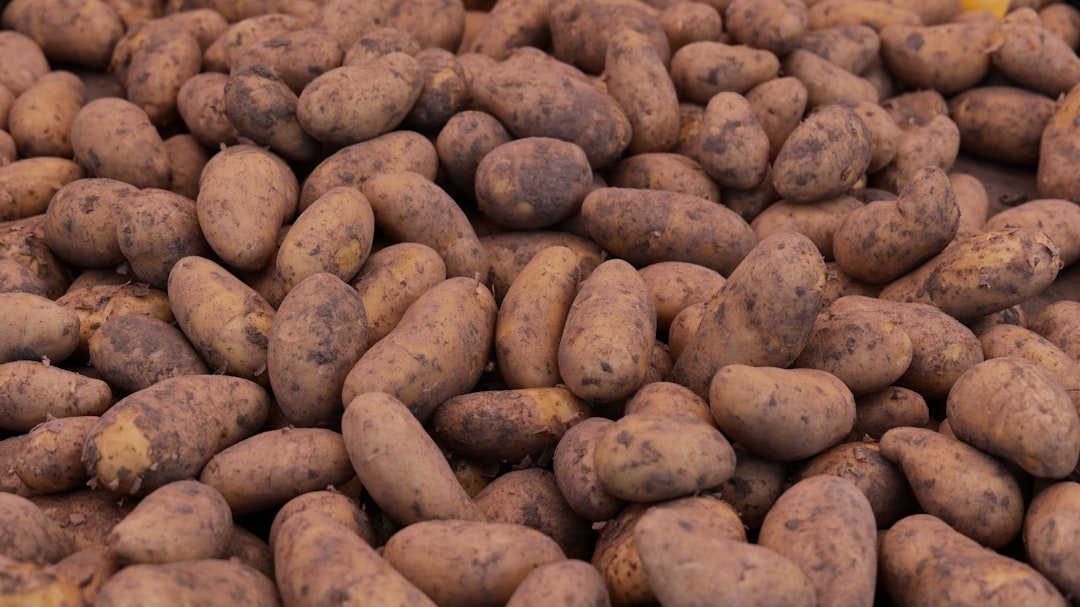
Picture this: a serene morning walk along the East Sussex shoreline is suddenly interrupted by a bizarre carpet of uncooked French fries and scattered onions. This coastal anomaly, born from recent maritime cargo spills, reads like a scene from an avant-garde film. Yet, it ripples with deeper implications for the fragility of our modern food chain.
Beneath the absurdity of this starchy shipwreck lies a poignant reminder of our agricultural vulnerability. It echoes the historic voyages of the potato and its relentless shadow, the devastating plant pathogen known as blight. As our global food networks face unpredictable disruptions, the ripple effects invariably wash up on our local grocery store shelves.
For older adults navigating the delicate balance of nutritional needs and fixed incomes, understanding these agricultural tides is an essential endeavor. It represents a vital step in adapting daily shopping habits and minimizing household expenses. Ultimately, a proactive approach safeguards physical vitality against the unpredictable currents of an ever-changing economic environment.
In Brief: Key Takeaways on Coastal Spills and Crop Health
– The unexpected appearance of potato products on English beaches highlights modern supply chain vulnerabilities.
10 quick checks to spot low-quality supplements before you buy - plus research-backed doses for 12 common ingredients. Free PDF, no spam.
– Historical plant pathogens continue to evolve, directly influencing current agricultural yields and consumer prices.
– Strategic meal planning is a highly effective method for reducing daily household expenditures.
– Older adults can protect their budgets by substituting volatile staple crops with cost-effective root vegetables.
The Surreal Starchy Shores of Sussex and Modern Supply Chains
The recent shipping mishaps off the coast of West and East Sussex transformed a natural beach into a sprawling landscape of processed food. An ocean of fries washing ashore feels like a whimsical tale, but cargo lost at sea represents significant waste in our logistical networks. For the aging consumer, these distant logistical failures subtly inflate the cost of everyday groceries.
As supply constraints restrict the availability of beloved staples, grasping the mechanics of smart shopping becomes crucial. Let this strange maritime event serve as a prompt to evaluate what lands in your daily shopping cart. Modifying your purchasing habits can protect your retirement budget from unexpected market fluctuations.
Shifting Tides in Grocery Pricing
When tons of produce vanish into the ocean, the market reacts swiftly. These subtle price hikes disproportionately affect those living on fixed retirement incomes. A proactive approach to budgeting can shield you from these unforeseen agricultural waves.
By monitoring local produce sales and buying in bulk during harvest seasons, shoppers can outsmart erratic supply chains. Selecting seasonal items over imported goods minimizes your exposure to maritime shipping risks. This simple shift in perspective is a powerful tool for cutting unnecessary expenses.
Tracing the Footsteps of a Microscopic Menace Through Time
The Sussex fries are merely a modern chapter in the potato’s turbulent oceanic history. Decades before cargo ships spilled processed foods, the potato traveled alongside a microscopic stowaway known as Phytophthora infestans. This devastating water mold reshaped the global population by triggering the Great Famine in the 1840s.
Millions faced starvation in Ireland, Scotland, and mainland Europe during that catastrophic era. This widespread crop failure forced an unprecedented wave of human migration to the United States and beyond. A seemingly invisible organism altered the course of human history and continues to threaten modern agriculture.
Unraveling the Origins of the Pathogen
Today, the race to understand and eradicate this disease continues in high-tech laboratories around the world. Researchers like Michael David Martin have dedicated extensive efforts to analyzing genetic material from historical plant samples. By studying specimens housed at the University Museum of the Norwegian University of Science and Technology, scientists are uncovering the complex lineage of this plant killer.
His team analyzed over 70 samples dating back 170 years, comparing historical variants of Phytophthora infestans with the South American Phytophthora andina. This genetic detective work casts doubt on the long-held belief that the blight originated solely in Mexico, suggesting the pathogen may have split into distinct groups much earlier in the Andes.
Understanding the geographical origins of agricultural diseases is the first step in discovering wild, naturally resistant crop varieties that could secure our future food supply.
Navigating Grocery Aisles Amidst Agricultural Uncertainty
As the year 2026 unfolds, environmental shifts continue to place pressure on our personal finances. Protecting your health while maintaining a strict budget requires a dash of culinary imagination. When potato prices surge due to ongoing blight mutations or supply chain hiccups, turning to alternative root vegetables can keep your meals satisfying.
Pivoting away from expensive staples during market shortages is a masterful way to cut unnecessary expenses. Embrace the variety offered by local farmers’ markets, where seasonal produce bypasses complex maritime routes. Integrating a wider spectrum of vegetables anchors your weekly food budget while ensuring a robust intake of essential vitamins.
Cost-Effective Nutritional Alternatives
The beauty of an adaptable diet is that it inherently protects against the financial shock of agricultural crises. Transforming a potential budgetary strain into a culinary adventure keeps the mind sharp and the palate delighted. Below is a guide to swapping out volatile staples for budget-friendly, nutrient-dense alternatives.
| Traditional Staple | Budget-Friendly Alternative | Health Benefit for Older Adults | Cost Efficiency Strategy |
|---|---|---|---|
| Standard White Potatoes | Sweet Potatoes or Yams | High in beta-carotene for eye health | Purchase in bulk during autumn harvest |
| Imported French Fries | Roasted Parsnips or Carrots | Excellent source of dietary fiber | Utilize locally grown winter root vegetables |
| Pre-Packaged Hash Browns | Grated Turnips or Rutabaga | Rich in Vitamin C and potassium | Buy whole vegetables and grate at home |
Empowering Your Nutritional Wallet Against Environmental Tides
The spectacle of onions and fries adorning the English coast is a stark reminder to minimize waste within our own kitchens. Every ingredient tossed into the compost bin represents a fraction of your retirement savings washing away. Engaging in mindful meal prep, such as batch cooking, can drastically reduce daily household expenses.
By transforming vegetable scraps into nourishing broths, older adults can extract every ounce of value from their purchases. Practical, effective budgeting is fundamentally about anticipating change and adapting with grace. When navigating the grocery store, challenge yourself to focus on versatile, whole foods that offer the highest nutritional yield per dollar.
Developing a habit of writing a strict shopping list based on pantry inventory prevents impulse buys. Ultimately, the resilience we admire in nature can be mirrored in how we manage our physical wellness and our finances. Take control of your grocery habits today by planning next week’s meals around locally sourced, seasonal produce, ensuring your golden years remain vibrant and financially secure.
10 quick checks to spot low-quality supplements before you buy - plus research-backed doses for 12 common ingredients. Free PDF, no spam.
