

Close Menu
    Follow us on Google News
    Follow Livewell Magazine on Google News
    Facebook X (Twitter) Instagram
    LiveWell Magazine
    Facebook
    Follow LiveWell Magazine on Google News
    • Cancer

      What are the key actions you should take following a mesothelioma diagnosis?

      June 19, 2026

      The “Silent Killer”: 2 Hidden Signs of Pancreatic Cancer You Can Spot Years in Advance

      April 20, 2026

      Barry Manilow Opens Up About Embracing Healthier Lifestyle Choices During His Cancer Battle

      April 8, 2026

      Healthy Dad’s Unexpected Cancer Diagnosis Revealed After Ignoring Nighttime Bathroom Trips: ‘A Heartbreaking Surprise’

      February 22, 2026

      BREAKING NEWS: Gene therapy for sickle cell disease: a medical breakthrough still out of reach for many

      December 29, 2025
    • Fitness

      Unveiling the Science Behind Why Exercise Feels Tough for Many: Insights and Solutions

      June 27, 2026

      How can you revitalize your cardiovascular health with 8 engaging cardio tips for the reluctant fitness enthusiast?

      June 26, 2026

      Easy Habits to Make Your Workouts Feel Effortless

      June 25, 2026

      What are the top 5 strategies to walk faster and torch more calories?

      June 24, 2026

      Which workout reigns supreme in the ultimate fitness challenge?

      June 15, 2026
    • Health

      How to choose a supplement for dizziness and balance problems

      July 10, 2026

      How vestibular supplements work: Science behind balance and dizziness relief

      July 10, 2026

      Causes of vertigo: Common triggers and when to see a doctor

      July 10, 2026

      How to choose a joint supplement: Evidence-based checklist for better mobility

      July 10, 2026

      How collagen, glucosamine and turmeric work to support mobility

      July 10, 2026
    • Lifestyle

      Effective Strategies to Foster Constructive Peer Feedback in the Workplace

      August 4, 2026

      Healthy Habits: An Abilene Family Nurse Practitioner’s Expert Tips for a Healthier School Year

      August 3, 2026

      Why Place a Bay Leaf in Your Shoes? Discover the Surprising Benefits of This Simple Ritual

      August 2, 2026

      Days to Building Wellness: Your Guide to Healthy Habits

      August 1, 2026

      Discovering Healthy Habits: NET Health Tyler Center’s ‘Learn, Grow, Eat & Go’ Program Empowers Kids

      July 31, 2026
    • Nutrition

      Top 7 Heart-Friendly Foods to Enjoy This July, Recommended by Expert Dietitians

      July 20, 2026

      Expert-Recommended Food Combinations That Boost Nutrient Absorption

      July 14, 2026

      Top 10 Most Beneficial Teas to Sip, Backed by Nutrition Experts

      July 12, 2026

      Daily Avocado Toast: What Registered Experts Reveal About Its Impact on Your Health

      July 8, 2026

      The Ideal After-Dinner Drink for Managing High Cholesterol

      July 6, 2026
    • Senior

      Doctors Reveal the Key Mindset Shift That Boosts Health After 65

      July 6, 2026

      How is the rise of telehealth benefiting senior citizens?

      June 4, 2026

      What are the essential approaches for promoting high-quality senior care and independence?

      May 6, 2026

      Nurturing Your Gut After 50: 7 Essential Habits for Lasting Digestive Wellness

      April 3, 2026

      Nourishing Your Golden Years: 10 Essential Nutrition Habits to Promote Healthy Aging and Maintain Independence After 60

      March 27, 2026
    • Trends

      Why is Zhiyin Zhou advocating for a human-centered approach in AI healthcare evolution?

      June 25, 2026

      What are the innovative approaches to autism therapy by psychologist Valeriia Manchuk?

      June 15, 2026

      What are the innovative techniques in permanent makeup for aesthetic and restorative purposes?

      June 2, 2026

      How could the 7 surprising travel trends of 2026 disrupt your wellness plans and how can you navigate them?

      April 15, 2026

      Which innovative skincare trends will shape the industry in 2026 according to Uliana-Sofiia Savchenko?

      April 6, 2026
    • Wellness

      Glow Up Like a Hip-Hop Star: Essential Skin Care Habits for Radiant, Celebrity-Style Skin

      July 23, 2026

      Dr. Oz Shares 3 Simple, Medication-Free Strategies to Enhance Your Health for Free

      July 12, 2026

      How will new European taxes to combat overtourism affect your travel wellness?

      June 26, 2026

      How could the travel advisory for Nepal amid political turmoil affect your travel wellness?

      June 25, 2026

      How will American Airlines’ new luxury experience impact your travel wellness?

      June 23, 2026
    Subscribe
    LiveWell Magazine
    Home»Cancer»Cancer vaccines and mRNA: hype vs. real clinical progress
    Cancer

    Cancer vaccines and mRNA: hype vs. real clinical progress

    Tina NguyenBy Tina Nguyen1 Comment
    Facebook Twitter Email WhatsApp Pinterest LinkedIn Reddit Telegram Threads
    explore the latest advancements and information on cancer vaccines, innovative treatments designed to stimulate the immune system to fight cancer effectively.
    Share
    Facebook Twitter LinkedIn Email Reddit Telegram WhatsApp Threads

    Fueled by the unprecedented success of COVID-19 vaccines, mRNA technology is now at the forefront of oncology, transforming a decades-old dream into a tangible reality. The concept of a vaccine to treat or even prevent cancer is no longer confined to science fiction. As of 2025, a wave of optimism is sweeping through the medical community, backed by promising early-stage clinical trial data and over 120 active studies exploring this revolutionary approach. For seniors navigating a cancer diagnosis, this represents one of the most significant shifts in treatment philosophy, moving away from broad-stroke therapies toward highly personalized, immune-boosting strategies that could redefine survival and quality of life. This is truly a second breakthrough for the mRNA platform, promising to train the body’s own defenses to hunt and destroy malignant cells with remarkable precision.

    In Brief: Key Facts on mRNA Cancer Vaccines

    • 🧬 How They Work: mRNA vaccines deliver temporary instructions to your cells, teaching your immune system to recognize and attack specific proteins found on cancer cells.
    • 🚫 Safety First: They do not alter your DNA and the mRNA molecule breaks down naturally in the body within a few days.
    • 🎯 Two Main Types: Vaccines can be personalized to a patient’s unique tumor or designed to target common cancer markers shared by many patients. These personalized cancer vaccines are a major step forward.
    • ⚕️ Under Study: Active clinical trials are underway for several cancers, including melanoma, lung, breast, and pancreatic cancer.
    • 🤝 Better Together: Early results show they are particularly effective when combined with other immunotherapies like checkpoint inhibitors.

    From Pandemic Savior to Cancer’s New Foe

    Messenger RNA, or mRNA, is a natural molecule that acts as a blueprint, carrying temporary instructions from our DNA to the protein-making machinery in our cells. The technology’s triumph during the pandemic provided a powerful proof of concept and an invaluable foundation of safety data. Scientists are now applying these lessons to oncology. Unlike traditional vaccines for infectious diseases, which prepare the body for an external invader, mRNA cancer vaccines are a form of immunotherapy. They work by introducing a specific mRNA sequence that tells cells to produce a harmless piece of a cancer protein, known as an antigen. The immune system sees this antigen as a red flag, learning to identify and destroy any cancer cells that carry it.

    Related Article :  How personalized cancer vaccines could quietly revolutionize treatment for seniors

    The speed and flexibility of this platform are game-changers. Cancers are notorious for changing and evolving, but mRNA vaccines can be designed and manufactured relatively quickly. This agility opens the door to a new era of cancer care that looks beyond chemotherapy and towards truly individualized treatments.
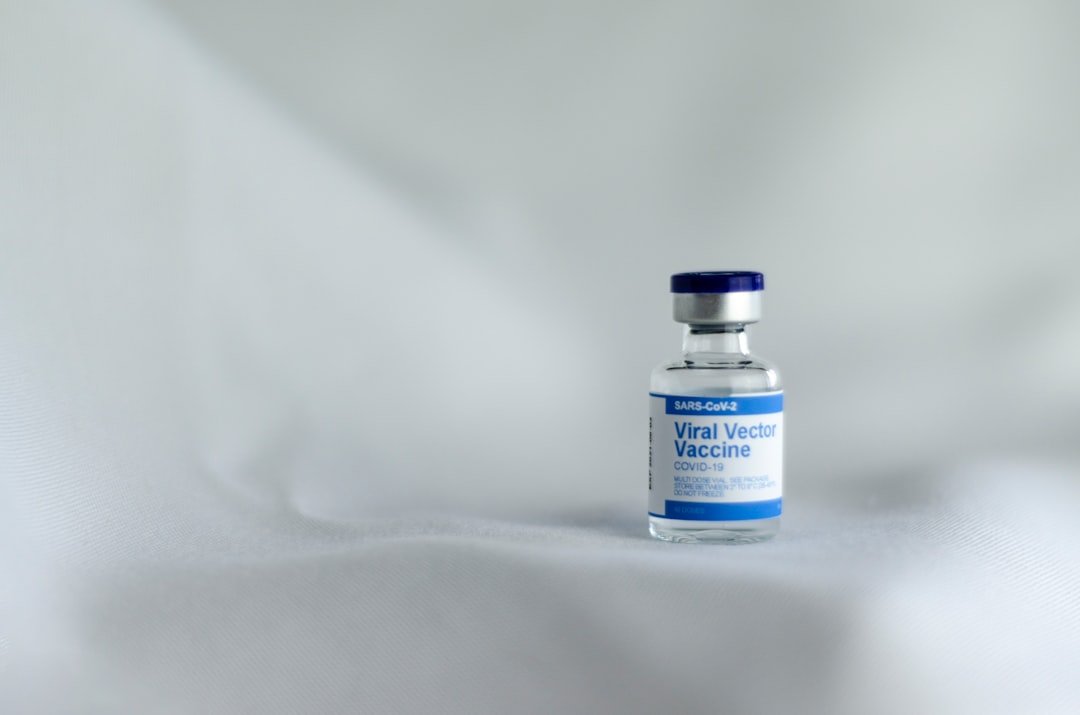
    learn about cancer vaccines, innovative treatments designed to boost the immune system to fight cancer more effectively and prevent its development.

    A Personalized Powerhouse: Vaccines Tailored to You

    The most exciting frontier in this field is personalization. While some vaccines target antigens common to many patients with, for example, lung or colorectal cancer, others are custom-built for a single individual. By sequencing a patient’s tumor, scientists can identify unique mutations, or “neoantigens,” that are exclusive to their cancer cells. A personalized mRNA vaccine is then created to train the immune system against that specific molecular signature.

    FREE GUIDE
    The Supplement Safety Checklist

    10 quick checks to spot low-quality supplements before you buy - plus research-backed doses for 12 common ingredients. Free PDF, no spam.

    We respect your inbox. Unsubscribe anytime.
    Thank you! Download your checklist here.

    “When I was diagnosed with stage 3 melanoma, my options felt limited,” shares fictitious patient George Franklin, 72. “Joining a trial for a personalized vaccine was a leap of faith. The main side effect was feeling like I had a mild flu for a day, but knowing my own immune system was being taught to fight back gave me a sense of control I hadn’t felt since my diagnosis.” This approach is showing significant promise, particularly in melanoma and pancreatic cancer. Landmark progress in breast cancer vaccine research, such as the Cleveland Clinic trial for a preventative vaccine, further highlights the potential to stop cancer before it even starts in high-risk individuals.

    Related Article :  Why doctors are urging more people under 50 to get screened for colon cancer

    Charting the Course: Clinical Progress and What’s Next

    The pipeline of mRNA cancer vaccines is robust and expanding. Dozens of trials are exploring their use across a wide spectrum of malignancies, from glioblastoma to prostate cancer. The clinical advances of mRNA vaccines for immunotherapy are especially profound when they are used to boost other treatments. Studies have shown that combining them with checkpoint inhibitors—drugs that release the brakes on the immune system—can create a powerful one-two punch, substantially improving patient outcomes.

    This synergistic approach is helping to rewrite cancer’s survival odds. However, it’s crucial to maintain realistic expectations. While early results are encouraging, most of these therapies are still in Phase I or II trials. Full approval for public use will require larger, more definitive Phase III studies, meaning widespread availability for many cancers could still be five to ten years away. The ongoing research helps overcome the clinical application progress and challenges inherent in developing such novel therapies.
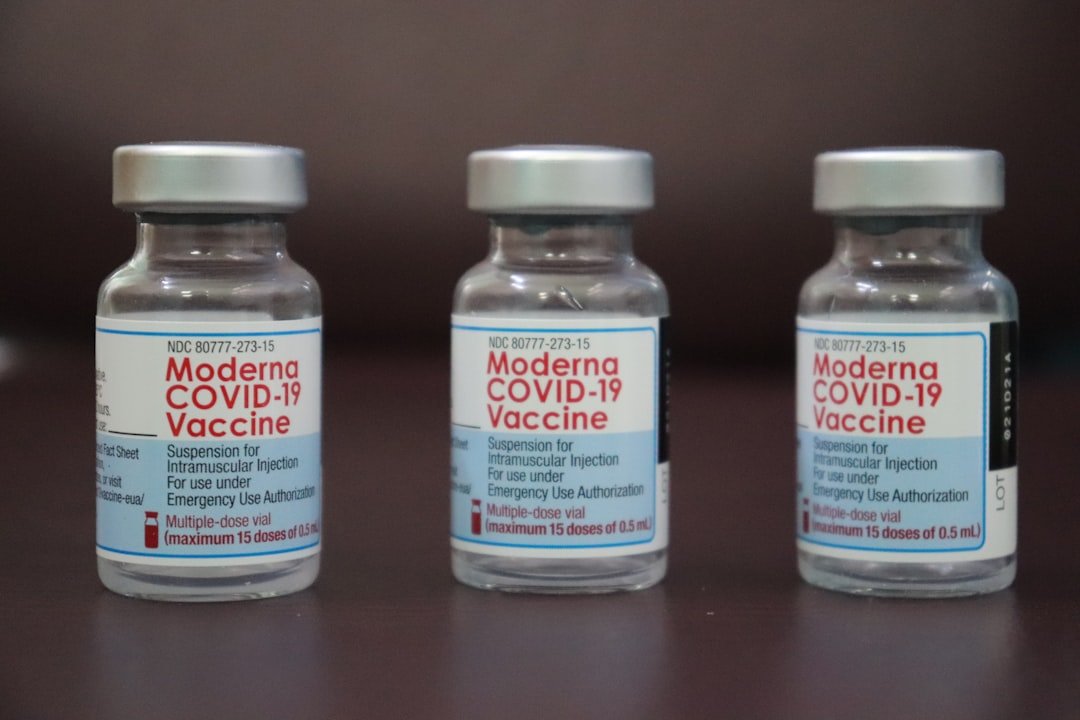
    learn about cancer vaccines, their development, and how they help prevent and treat cancer by boosting the immune system's response.

    Safety, Synergy, and the Road Ahead

    Thanks to the billions of doses administered worldwide, the safety profile of mRNA technology is well understood. For cancer patients, the most common side effects reported in trials are mild and temporary, including fatigue, injection site soreness, and flu-like symptoms. These are positive signs that the immune system is being activated as intended. The rigorous manufacturing and trial process ensures that safety remains the top priority. Extensive studies confirm that the link between COVID mRNA vaccines and cancer is one of therapeutic promise, not risk.

    The future of cancer treatment isn’t about a single magic bullet. Instead, it’s about building a smarter, multi-pronged strategy. mRNA vaccines are poised to become a cornerstone of this new approach, transforming cancer into a manageable, and in some cases, curable disease. These targeted therapies represent a breakthrough that could offer lasting protection and hope to millions of patients and their families.

    Can an mRNA cancer vaccine change my DNA?

    No. The messenger RNA (mRNA) from the vaccine never enters the nucleus of the cell, which is where our DNA is kept. It delivers its instructions in the cell’s outer region and is naturally broken down by the body within a few days.

    Related Article :  Beyond chemo: how mRNA tech is reshaping cancer vaccines

    How is a cancer vaccine different from a flu shot?

    A flu shot is a preventive (or prophylactic) vaccine that teaches your immune system to fight an external virus before you get sick. Most mRNA cancer vaccines currently in trials are therapeutic, meaning they are given to people who already have cancer to help their immune system find and destroy existing tumor cells.

    When will these vaccines be widely available?

    While early results are very promising, most mRNA cancer vaccines are still in clinical trials. It typically takes several years for a new treatment to complete all three phases of trials and receive regulatory approval. Some experts estimate that the first vaccines for certain cancers could become available as early as 2030, but timelines will vary.

    What are the most common side effects seen in clinical trials?

    The most frequently reported side effects are generally mild and short-lived. They include soreness or redness at the injection site, fatigue, headache, muscle aches, and mild fever or chills. These symptoms are a sign that the immune system is being activated.

    Please note: The illustration photo accompanying this article was generated by an artificial intelligence program. Fictional testimonials may have been included to illustrate the patient experience.

    FREE GUIDE
    The Supplement Safety Checklist

    10 quick checks to spot low-quality supplements before you buy - plus research-backed doses for 12 common ingredients. Free PDF, no spam.

    We respect your inbox. Unsubscribe anytime.
    Thank you! Download your checklist here.
    cancer immunotherapy cancer vaccines clinical progress medical research mrna technology
    Follow on Google News
    Share. Facebook Twitter LinkedIn Email WhatsApp Reddit Telegram Threads Copy Link
    Previous ArticleLiquid biopsies and earlier detection
    Next Article Postbiotics: the next big thing after probiotics
    Avatar photo
    Tina Nguyen

    Tina has been a health journalist for over ten years, reporting from various countries around the world. Her international experience gives her a unique and nuanced perspective on global wellness trends, public health challenges, and cultural approaches to healthy living. Known for her curiosity and clarity, Tina strives to deliver reliable, well-researched content that resonates with diverse audiences. She is passionate about making health information both engaging and empowering for readers everywhere.

    Continue reading

    What are the key actions you should take following a mesothelioma diagnosis?

    By Amelie Goujon

    The “Silent Killer”: 2 Hidden Signs of Pancreatic Cancer You Can Spot Years in Advance

    By FRANK JOST

    Barry Manilow Opens Up About Embracing Healthier Lifestyle Choices During His Cancer Battle

    By FRANK JOST

    Healthy Dad’s Unexpected Cancer Diagnosis Revealed After Ignoring Nighttime Bathroom Trips: ‘A Heartbreaking Surprise’

    By FRANK JOST

    mRNA vaccines: the game-changer in vaccine development

    By Amelie Goujon

    BREAKING NEWS: Gene therapy for sickle cell disease: a medical breakthrough still out of reach for many

    By FRANK JOST

    How Your Drinking Habits Could Significantly Increase Your Cancer Risk

    By FRANK JOST

    Could the time of day you get cancer treatment affect survival? What a new lung cancer study suggests

    By FRANK JOST

    Can exercise lower cancer risk? what the science suggests (and what to do today)

    By Frank Jost

    Cancer myths that won’t quit: the top 4 misconceptions to stop believing

    By Frank Jost

    “Super survivor”: the mental and physical comeback story every older adult needs to read

    By Frank Jost

    Cervical cancer screening is becoming easier — and why that matters for long-term health

    By Tina Nguyen
    View 1 Comment

    1 Comment

    1. Pingback: mRNA vaccines: the game-changer in vaccine development - LiveWell Magazine

    Leave A Reply Cancel Reply

    Subscribe to Our Newsletter

    Join the Live Well Magazine Newsletter and get exclusive tips on health, wellness, lifestyle, and personal growth — straight to your inbox.

    Trending
    Healthy Recipes

    Miranda Kerr Shares Her Unique Breakfast Routine Featuring Venison and Bison

    Lifestyle & Habits

    Effective Strategies to Foster Constructive Peer Feedback in the Workplace

    Diet & Weight Loss

    Top 15 Major U.S. Cities Ranked by the Worst Eating Habits Across the Nation

    Natural Remedies

    Expert-Approved Natural Strategies to Lower Your Cholesterol

    Lifestyle & Habits

    Healthy Habits: An Abilene Family Nurse Practitioner’s Expert Tips for a Healthier School Year

    Diet & Weight Loss

    Remember the Titans’ Actor Ethan Suplee Sounds Alarm on Risks of Popular Weight-Loss Medication

    Facebook
    • About us
    • Contact us
    • Contributors
    • Legal
    • Privacy
    © 2026 livewellmagazine.org.

    Type above and press Enter to search. Press Esc to cancel.

    FREE GUIDE
    The Supplement Safety Checklist

    10 quick checks to spot low-quality supplements before you buy - plus research-backed doses for 12 common ingredients. Free PDF, no spam.

    We respect your inbox. Unsubscribe anytime.
    Thank you! Download your checklist here.