
Close Menu
    Follow us on Google News
    Follow Livewell Magazine on Google News
    Facebook X (Twitter) Instagram
    LiveWell Magazine
    Facebook
    Follow LiveWell Magazine on Google News
    • Cancer

      What are the key actions you should take following a mesothelioma diagnosis?

      June 19, 2026

      The “Silent Killer”: 2 Hidden Signs of Pancreatic Cancer You Can Spot Years in Advance

      April 20, 2026

      Barry Manilow Opens Up About Embracing Healthier Lifestyle Choices During His Cancer Battle

      April 8, 2026

      Healthy Dad’s Unexpected Cancer Diagnosis Revealed After Ignoring Nighttime Bathroom Trips: ‘A Heartbreaking Surprise’

      February 22, 2026

      BREAKING NEWS: Gene therapy for sickle cell disease: a medical breakthrough still out of reach for many

      December 29, 2025
    • Fitness

      Unveiling the Science Behind Why Exercise Feels Tough for Many: Insights and Solutions

      June 27, 2026

      How can you revitalize your cardiovascular health with 8 engaging cardio tips for the reluctant fitness enthusiast?

      June 26, 2026

      Easy Habits to Make Your Workouts Feel Effortless

      June 25, 2026

      What are the top 5 strategies to walk faster and torch more calories?

      June 24, 2026

      Which workout reigns supreme in the ultimate fitness challenge?

      June 15, 2026
    • Health

      How to choose a supplement for dizziness and balance problems

      July 10, 2026

      How vestibular supplements work: Science behind balance and dizziness relief

      July 10, 2026

      Causes of vertigo: Common triggers and when to see a doctor

      July 10, 2026

      How to choose a joint supplement: Evidence-based checklist for better mobility

      July 10, 2026

      How collagen, glucosamine and turmeric work to support mobility

      July 10, 2026
    • Lifestyle

      When Good Intentions Go Wrong: Personal Stories of Healthy Habits That Backfired

      July 11, 2026

      Master Gardeners Inspire Healthy Habits Among Young Learners

      July 10, 2026

      How Healthy Eating Habits Can Shield Your Brain from Aging – Insights from CNN

      July 7, 2026

      Habits to Steer Clear of After 5 P.M. for Better Blood Pressure Control

      July 6, 2026

      Tiny Habits That Can Transform Your Well-Being and Boost Your Happiness

      July 5, 2026
    • Nutrition

      Expert-Recommended Food Combinations That Boost Nutrient Absorption

      July 14, 2026

      Top 10 Most Beneficial Teas to Sip, Backed by Nutrition Experts

      July 12, 2026

      Daily Avocado Toast: What Registered Experts Reveal About Its Impact on Your Health

      July 8, 2026

      The Ideal After-Dinner Drink for Managing High Cholesterol

      July 6, 2026

      What are the top 5 scientifically proven drinks to reduce your cholesterol?

      June 26, 2026
    • Senior

      Doctors Reveal the Key Mindset Shift That Boosts Health After 65

      July 6, 2026

      How is the rise of telehealth benefiting senior citizens?

      June 4, 2026

      What are the essential approaches for promoting high-quality senior care and independence?

      May 6, 2026

      Nurturing Your Gut After 50: 7 Essential Habits for Lasting Digestive Wellness

      April 3, 2026

      Nourishing Your Golden Years: 10 Essential Nutrition Habits to Promote Healthy Aging and Maintain Independence After 60

      March 27, 2026
    • Trends

      Why is Zhiyin Zhou advocating for a human-centered approach in AI healthcare evolution?

      June 25, 2026

      What are the innovative approaches to autism therapy by psychologist Valeriia Manchuk?

      June 15, 2026

      What are the innovative techniques in permanent makeup for aesthetic and restorative purposes?

      June 2, 2026

      How could the 7 surprising travel trends of 2026 disrupt your wellness plans and how can you navigate them?

      April 15, 2026

      Which innovative skincare trends will shape the industry in 2026 according to Uliana-Sofiia Savchenko?

      April 6, 2026
    • Wellness

      Dr. Oz Shares 3 Simple, Medication-Free Strategies to Enhance Your Health for Free

      July 12, 2026

      How will new European taxes to combat overtourism affect your travel wellness?

      June 26, 2026

      How could the travel advisory for Nepal amid political turmoil affect your travel wellness?

      June 25, 2026

      How will American Airlines’ new luxury experience impact your travel wellness?

      June 23, 2026

      Mindful Glow: How Meditation Enhances Your Skin’s Natural Radiance – AOL

      June 17, 2026
    Subscribe
    LiveWell Magazine
    Home»Cancer»Bladder, lung, colorectal: the “big three” senior cancers and what’s new
    Cancer

    Bladder, lung, colorectal: the “big three” senior cancers and what’s new

    Tina NguyenBy Tina Nguyen2 Comments
    Facebook Twitter Email WhatsApp Pinterest LinkedIn Reddit Telegram Threads
    comprehensive information about cancers, including types, symptoms, treatment options, and prevention tips to help you stay informed and proactive.
    Share
    Facebook Twitter LinkedIn Email Reddit Telegram WhatsApp Threads

    For decades, a diagnosis of bladder, lung, or colorectal cancer in one’s senior years came with a daunting prognosis and a grueling treatment plan. These “big three” cancers remain significant health challenges for older adults, but the narrative is rapidly changing. We are entering an era of unprecedented innovation where treatment is no longer just about carpet-bombing cancer cells with chemotherapy. Instead, a wave of sophisticated, targeted, and personalized therapies is rewriting the rulebook. From treatments that unleash the power of your own immune system to simple blood tests that can detect cancer at its earliest stages, the future of oncology is happening now. This shift brings new hope and, crucially, new options that are often gentler and more effective, focusing on quality of life alongside survival. We’re looking at a future where cancer care is as unique as the individual receiving it.

    In Brief

    • 💡 New Treatment Frontiers: Major advances are being seen in immunotherapy, personalized vaccines, and targeted therapies for bladder, lung, and colorectal cancers.
    • 🩸 Smarter Screening: The development of liquid biopsies offers a revolutionary, non-invasive way to detect cancers like colorectal cancer earlier than ever.
    • 🛡️ Personalized Defense: Treatments are moving away from a one-size-fits-all model towards customized approaches, including personalized cancer vaccines designed to target a patient’s specific tumor.
    • ✅ Improved Tolerability: A key focus of modern oncology is on better toxicity management for older patients, making these powerful new treatments more accessible and manageable for seniors.

    Beyond the Scalpel: A New Era in Fighting Lung and Bladder Cancer

    For lung cancer, once considered one of the most difficult to treat, the landscape has been completely transformed. The star of the show is immunotherapy, a revolutionary approach that essentially takes the brakes off the body’s immune system, allowing it to recognize and attack cancer cells. “I was diagnosed with stage IV lung cancer at 72,” shares fictional patient Maria Rodriguez. “Chemo was tough, but then my doctor put me on an immunotherapy drug. Within months, my tumors started shrinking. I feel like I’ve been given a second chance to see my grandkids grow up.” This is a testament to the growing success of immunotherapy for older adults. Similarly, bladder cancer treatment is seeing a surge in innovation. Beyond standard therapies, researchers are exploring powerful oncolytic viruses that can selectively infect and destroy cancer cells, offering a highly targeted weapon in this fight.
    Related Article :  Healthy Dad’s Unexpected Cancer Diagnosis Revealed After Ignoring Nighttime Bathroom Trips: ‘A Heartbreaking Surprise’
    comprehensive information on cancers including types, symptoms, treatments, and prevention strategies to support patients and caregivers.

    Harnessing Your Body’s Own Blueprint

    What makes these new treatments so powerful is their precision. Instead of the broad-stroke approach of traditional chemotherapy, these therapies are often tailored to the specific genetic makeup of a tumor. This personalization minimizes damage to healthy cells, which is a critical consideration for older patients who may have other health conditions. Emerging technologies are pushing this boundary even further. Scientists are exploring everything from gene-editing breakthroughs like CRISPR to new ways of delivering medication directly to the tumor. The goal is no longer just to fight the disease, but to do so in a way that preserves the patient’s strength and quality of life.

    Colorectal Cancer: Winning with Early Detection and Tailored Vaccines

    Colorectal cancer is a prime example of a disease where early detection saves lives, and new technologies are making that detection easier and more accurate than ever. The most exciting development is the rise of liquid biopsies. Imagine detecting colorectal cancer with a simple blood draw, long before any symptoms appear. This non-invasive test looks for tiny fragments of DNA shed by tumors into the bloodstream. It holds the promise of becoming a routine screening tool, catching the disease at its most treatable stage. This could be a game-changer, especially for those who are hesitant to undergo a colonoscopy.

    The Dawn of Personalized Cancer Vaccines

    Beyond detection, the treatment for colorectal and other cancers is becoming incredibly personal. One of the most promising frontiers is the development of mRNA cancer vaccines. Much like the technology used for COVID-19 vaccines, these are not preventive but therapeutic. After a tumor is surgically removed, it can be analyzed to identify its unique mutations. A custom vaccine is then created to teach the patient’s immune system to recognize and destroy any remaining cancer cells. This approach could dramatically reduce the risk of recurrence. Here are some key benefits of these next-generation therapies:

    • 🎯 High Precision: Targets only cancer cells, sparing healthy tissue.
    • 💪 Fewer Side Effects: Generally better tolerated than traditional chemotherapy.
    • 🧠 Immune Memory: Can provide long-lasting protection against cancer recurrence.
    • 🧬 Fully Personalized: Tailored to the unique genetic profile of your specific tumor.
    Related Article :  Cancer vaccines and mRNA: hype vs. real clinical progress

    These exciting developments point to a future where many of the latest FDA cancer approvals will likely revolve around such personalized and targeted agents, offering more effective and less toxic options for seniors.

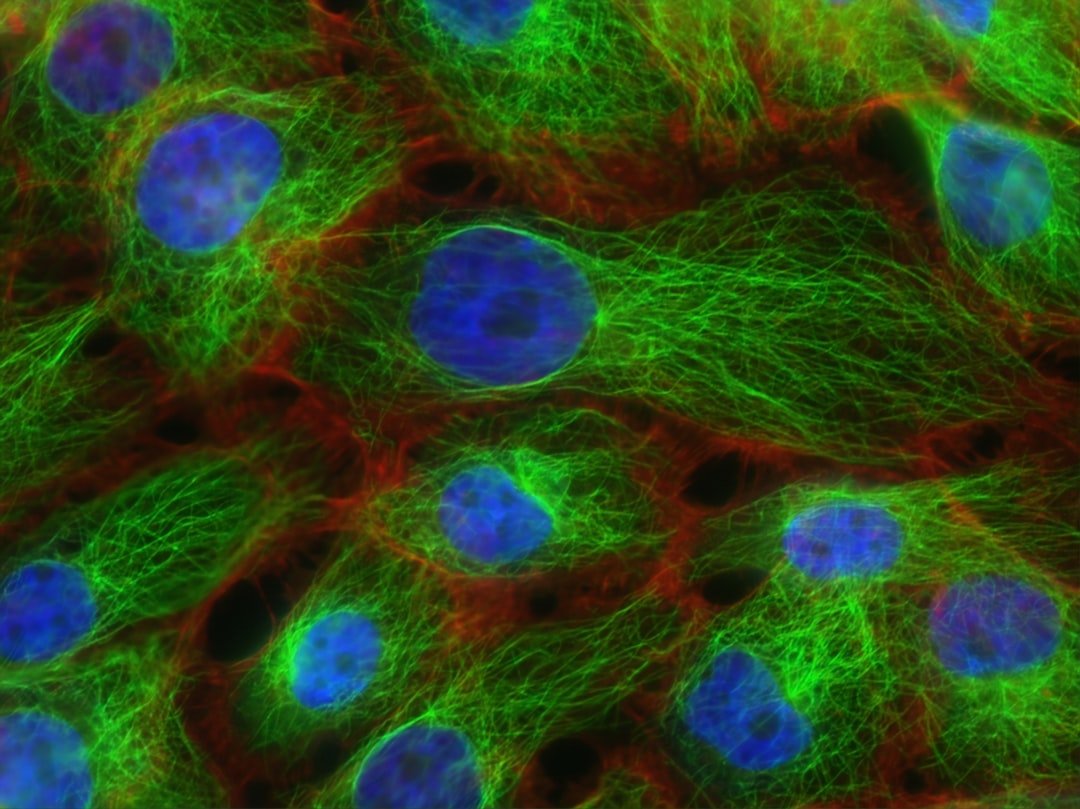
    Disclaimer: The illustration photo was generated by an AI. Fictional testimonials may have been added to illustrate the article.

    Are these new treatments like immunotherapy and cancer vaccines widely available?

    Many immunotherapy drugs are now standard of care for specific types of lung, bladder, and other cancers. Therapeutic cancer vaccines are still largely in clinical trials but are showing incredible promise. Always talk to your oncologist to see if you are a candidate for these treatments or eligible for a clinical trial.

    What makes a senior a good candidate for these newer therapies?

    Eligibility depends on several factors, including the specific type and stage of cancer, the tumor’s genetic markers, and your overall health. Unlike older chemotherapies, age itself is becoming less of a barrier. Your oncologist will conduct tests to determine if your cancer has the right targets for these drugs.

    How do the side effects of immunotherapy compare to chemotherapy?

    While generally considered more tolerable, immunotherapy has its own unique set of potential side effects. Because it ramps up the immune system, it can sometimes cause inflammation in healthy organs. However, these side effects are often well-managed by a patient’s care team, and the focus is always on balancing treatment effectiveness with quality of life.

    Is a liquid biopsy as effective as a colonoscopy for colorectal cancer screening?

    Currently, a colonoscopy is still the gold standard for colorectal cancer screening and diagnosis because it allows doctors to both find and remove polyps during the same procedure. Liquid biopsies are an exciting, rapidly developing technology primarily used for monitoring cancer recurrence and are being studied for early detection. They may soon become a powerful complementary screening tool.

    Related Article :  Cancer myths that won’t quit: the top 4 misconceptions to stop believing
    big three cancers bladder cancer colorectal cancer lung cancer senior cancers
    Follow on Google News
    Share. Facebook Twitter LinkedIn Email WhatsApp Reddit Telegram Threads Copy Link
    Previous ArticleBuilding Healthy Habits for Children | RWJBH & DYF Collaboration
    Next Article Natural ways to cope with anxiety and stress
    Avatar photo
    Tina Nguyen

    Tina has been a health journalist for over ten years, reporting from various countries around the world. Her international experience gives her a unique and nuanced perspective on global wellness trends, public health challenges, and cultural approaches to healthy living. Known for her curiosity and clarity, Tina strives to deliver reliable, well-researched content that resonates with diverse audiences. She is passionate about making health information both engaging and empowering for readers everywhere.

    Continue reading

    What are the key actions you should take following a mesothelioma diagnosis?

    By Amelie Goujon

    The “Silent Killer”: 2 Hidden Signs of Pancreatic Cancer You Can Spot Years in Advance

    By FRANK JOST

    Barry Manilow Opens Up About Embracing Healthier Lifestyle Choices During His Cancer Battle

    By FRANK JOST

    Healthy Dad’s Unexpected Cancer Diagnosis Revealed After Ignoring Nighttime Bathroom Trips: ‘A Heartbreaking Surprise’

    By FRANK JOST

    BREAKING NEWS: Gene therapy for sickle cell disease: a medical breakthrough still out of reach for many

    By FRANK JOST

    How Your Drinking Habits Could Significantly Increase Your Cancer Risk

    By FRANK JOST

    Could the time of day you get cancer treatment affect survival? What a new lung cancer study suggests

    By FRANK JOST

    Can exercise lower cancer risk? what the science suggests (and what to do today)

    By Frank Jost

    Cancer myths that won’t quit: the top 4 misconceptions to stop believing

    By Frank Jost

    “Super survivor”: the mental and physical comeback story every older adult needs to read

    By Frank Jost

    Cervical cancer screening is becoming easier — and why that matters for long-term health

    By Tina Nguyen

    Nanomedicine in oncology: tiny particles, big hope for senior cancer survivors

    By Frank Jost
    View 2 Comments

    2 Comments

    1. Pingback: Liquid biopsies and earlier detection - LiveWell Magazine

    2. Pingback: The cost of innovation: new cancer drugs and Medicare out-of-pocket reality - LiveWell Magazine

    Leave A Reply Cancel Reply

    Subscribe to Our Newsletter

    Join the Live Well Magazine Newsletter and get exclusive tips on health, wellness, lifestyle, and personal growth — straight to your inbox.

    Trending
    Health Products

    ArcticBlast Review 2026: Legit Breakthrough or Overhyped?

    Study Finds That Men Who Maintain Healthy Sleep Patterns Could Extend Their Lifespan by Almost Five Years

    Health Products

    My 30-Day Look at Metabo Drops: Results & Red Flags (2026 Review)

    Sleep & Recovery

    Adopting Healthy Sleep Habits May Extend Women’s Lifespan by Over 2 Years

    Health Products

    Ikaria Juice Reviews: Does It Actually Work? (Honest 2026 Look)

    Nutrition

    Expert-Recommended Food Combinations That Boost Nutrient Absorption

    Facebook
    • About us
    • Contact us
    • Contributors
    • Legal
    • Privacy
    © 2026 livewellmagazine.org.

    Type above and press Enter to search. Press Esc to cancel.