

Close Menu
    Follow us on Google News
    Follow Livewell Magazine on Google News
    Facebook X (Twitter) Instagram
    LiveWell Magazine
    Facebook
    Follow LiveWell Magazine on Google News
    • Cancer

      What are the key actions you should take following a mesothelioma diagnosis?

      June 19, 2026

      The “Silent Killer”: 2 Hidden Signs of Pancreatic Cancer You Can Spot Years in Advance

      April 20, 2026

      Barry Manilow Opens Up About Embracing Healthier Lifestyle Choices During His Cancer Battle

      April 8, 2026

      Healthy Dad’s Unexpected Cancer Diagnosis Revealed After Ignoring Nighttime Bathroom Trips: ‘A Heartbreaking Surprise’

      February 22, 2026

      BREAKING NEWS: Gene therapy for sickle cell disease: a medical breakthrough still out of reach for many

      December 29, 2025
    • Fitness

      Unveiling the Science Behind Why Exercise Feels Tough for Many: Insights and Solutions

      June 27, 2026

      How can you revitalize your cardiovascular health with 8 engaging cardio tips for the reluctant fitness enthusiast?

      June 26, 2026

      Easy Habits to Make Your Workouts Feel Effortless

      June 25, 2026

      What are the top 5 strategies to walk faster and torch more calories?

      June 24, 2026

      Which workout reigns supreme in the ultimate fitness challenge?

      June 15, 2026
    • Health

      How to choose a supplement for dizziness and balance problems

      July 10, 2026

      How vestibular supplements work: Science behind balance and dizziness relief

      July 10, 2026

      Causes of vertigo: Common triggers and when to see a doctor

      July 10, 2026

      How to choose a joint supplement: Evidence-based checklist for better mobility

      July 10, 2026

      How collagen, glucosamine and turmeric work to support mobility

      July 10, 2026
    • Lifestyle

      When Good Intentions Go Wrong: Personal Stories of Healthy Habits That Backfired

      July 11, 2026

      Master Gardeners Inspire Healthy Habits Among Young Learners

      July 10, 2026

      How Healthy Eating Habits Can Shield Your Brain from Aging – Insights from CNN

      July 7, 2026

      Habits to Steer Clear of After 5 P.M. for Better Blood Pressure Control

      July 6, 2026

      Tiny Habits That Can Transform Your Well-Being and Boost Your Happiness

      July 5, 2026
    • Nutrition

      Top 10 Most Beneficial Teas to Sip, Backed by Nutrition Experts

      July 12, 2026

      Daily Avocado Toast: What Registered Experts Reveal About Its Impact on Your Health

      July 8, 2026

      The Ideal After-Dinner Drink for Managing High Cholesterol

      July 6, 2026

      What are the top 5 scientifically proven drinks to reduce your cholesterol?

      June 26, 2026

      What are the unexpected perks of broccoli for your hormonal harmony?

      June 23, 2026
    • Senior

      Doctors Reveal the Key Mindset Shift That Boosts Health After 65

      July 6, 2026

      How is the rise of telehealth benefiting senior citizens?

      June 4, 2026

      What are the essential approaches for promoting high-quality senior care and independence?

      May 6, 2026

      Nurturing Your Gut After 50: 7 Essential Habits for Lasting Digestive Wellness

      April 3, 2026

      Nourishing Your Golden Years: 10 Essential Nutrition Habits to Promote Healthy Aging and Maintain Independence After 60

      March 27, 2026
    • Trends

      Why is Zhiyin Zhou advocating for a human-centered approach in AI healthcare evolution?

      June 25, 2026

      What are the innovative approaches to autism therapy by psychologist Valeriia Manchuk?

      June 15, 2026

      What are the innovative techniques in permanent makeup for aesthetic and restorative purposes?

      June 2, 2026

      How could the 7 surprising travel trends of 2026 disrupt your wellness plans and how can you navigate them?

      April 15, 2026

      Which innovative skincare trends will shape the industry in 2026 according to Uliana-Sofiia Savchenko?

      April 6, 2026
    • Wellness

      Dr. Oz Shares 3 Simple, Medication-Free Strategies to Enhance Your Health for Free

      July 12, 2026

      How will new European taxes to combat overtourism affect your travel wellness?

      June 26, 2026

      How could the travel advisory for Nepal amid political turmoil affect your travel wellness?

      June 25, 2026

      How will American Airlines’ new luxury experience impact your travel wellness?

      June 23, 2026

      Mindful Glow: How Meditation Enhances Your Skin’s Natural Radiance – AOL

      June 17, 2026
    Subscribe
    LiveWell Magazine
    Home»Screenings & Prevention»Autoimmune risk and air pollution: what emerging research could change in prevention
    Screenings & Prevention

    Autoimmune risk and air pollution: what emerging research could change in prevention

    Amelie GoujonBy Amelie Goujon1 Comment
    Facebook Twitter Email WhatsApp Pinterest LinkedIn Reddit Telegram Threads
    learn about autoimmune risk factors, symptoms, and prevention strategies to better understand and manage autoimmune diseases.
    Share
    Facebook Twitter LinkedIn Email Reddit Telegram WhatsApp Threads

    For decades, we’ve understood that genetics play a significant role in autoimmune diseases, but the full picture has remained elusive. Now, groundbreaking research is illuminating a powerful environmental trigger hiding in plain sight: the air we breathe. A flood of new studies, culminating in a landmark 2025 genetic analysis, is establishing a direct causal link between common air pollutants and the onset of specific autoimmune conditions. This isn’t just about correlation anymore; the evidence shows that pollutants like nitrogen oxides and fine particulate matter can actively increase the risk of developing diseases such as rheumatoid arthritis, lupus, and inflammatory bowel disease. This revelation is shifting the conversation from mere management to proactive prevention, empowering us with the knowledge that a healthier life could be as simple as breathing cleaner air. It’s a call to action, not just for policymakers, but for every individual seeking to safeguard their long-term health and vitality.

    In Brief: Air Pollution and Your Immune System

    • 🔬 A Causal Link: Recent genetic studies confirm that specific air pollutants don’t just correlate with—but can actually cause—an increased risk for certain autoimmune diseases.
    • 💨 Key Culprits: The main pollutants implicated include nitrogen oxides (from traffic) and particulate matter (PM2.5 and PM10) from sources like industrial emissions, traffic, and wildfire smoke.
    • 🎯 Specific Risks: Research links nitrogen oxides to a higher risk of rheumatoid arthritis and lupus, while PM2.5 is tied to ulcerative colitis and PM10 to psoriasis.
    • 💪 Empowered Prevention: By understanding these risks, individuals can take practical steps to reduce exposure, such as monitoring local air quality and using home air purifiers, to better protect their immune health.

    The Invisible Threat: How Air Quality Directly Impacts Autoimmune Risk

    For years, we’ve linked air pollution to respiratory issues like asthma and cardiovascular problems, including understanding heart attack signs and symptoms. However, the science of 2026 points to a more insidious danger. Researchers using powerful genetic analysis have now uncovered compelling evidence that air pollutants act as triggers, disrupting our immune systems and increasing the risk of autoimmune diseases. These conditions occur when the body’s natural defense system mistakenly attacks its own cells. The culprits are microscopic particles and gases, particularly nitrogen oxides from vehicle exhaust and PM2.5 particulate matter, which are so small they can enter the bloodstream and cause systemic inflammation—a key driver of autoimmunity.

    Related Article :  Hidden holiday heart risks: why heart attacks and irregular heart rhythms spike this time of year

    This isn’t just a problem for those living in dense, industrial cities. Wildfire smoke and traffic pollution can travel for miles, affecting suburban and even rural communities. For many, this new knowledge is a turning point. “I was diagnosed with rheumatoid arthritis two years ago,” shares Martha, a 72-year-old retired teacher from Ohio. “I always thought it was just bad luck or my genes. Learning that the air quality in my neighborhood might have been a major factor was shocking, but it also gave me a sense of control. Now, I check the air quality index every morning before my walk and run an air purifier in my home. It’s one of the practical lifestyle changes to reduce your risk of rheumatoid arthritis I can actually make.”
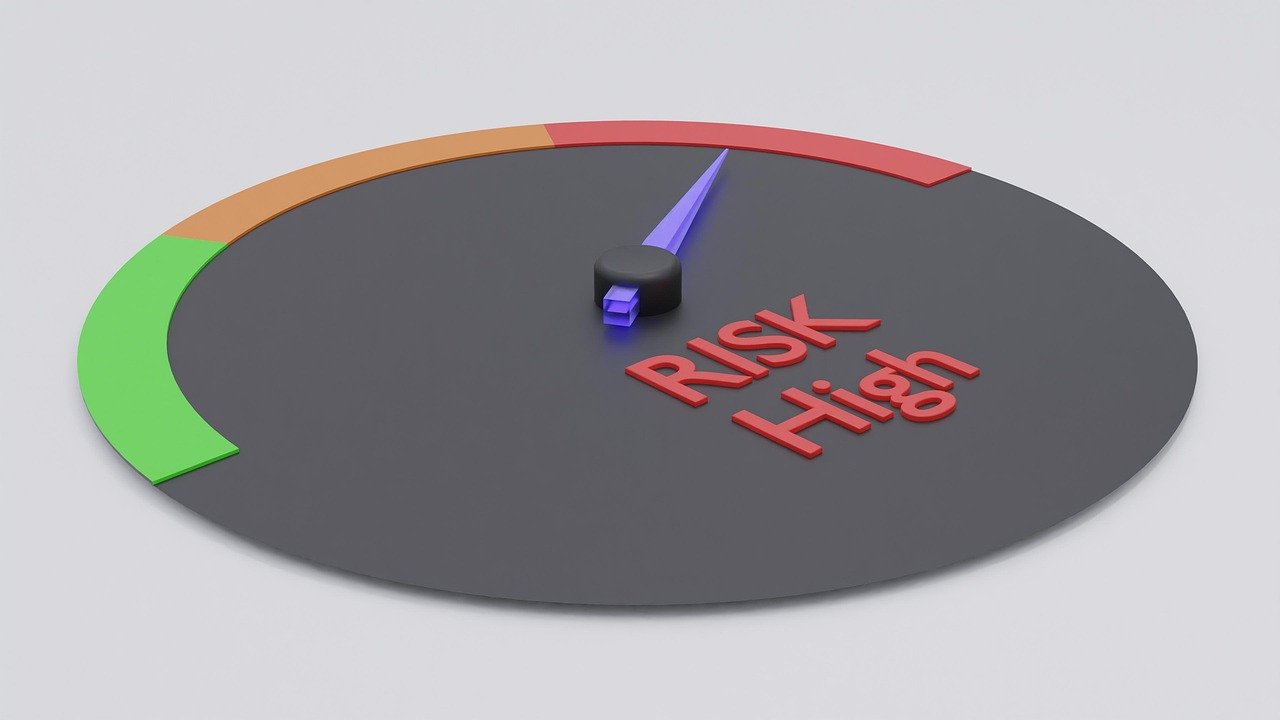
    learn about autoimmune risk factors, symptoms, and prevention strategies to better understand and manage autoimmune diseases effectively.

    Mapping the Connection: Specific Pollutants and Diseases

    The latest research doesn’t just paint a broad picture; it provides a specific map connecting certain pollutants to distinct autoimmune conditions. This level of detail helps clarify the risks and paves the way for more targeted preventive health strategies. Understanding these links is the first step toward safeguarding your body’s delicate immune balance. Some of the most significant findings are outlined below.

    Pollutant 💨 Associated Autoimmune Disease(s) 🛡️ Primary Source 🏭
    Nitrogen Oxides (NOx) Rheumatoid Arthritis, Lupus (SLE), Sjögren’s Syndrome Vehicle exhaust, power plants
    Fine Particulate Matter (PM2.5) Ulcerative Colitis, increased inflammation in Lupus Combustion (traffic, industry), wildfires
    Particulate Matter (PM10) Psoriasis Dust, construction sites, industrial emissions

    Breathe Easier: Proactive Steps to Fortify Your Health

    Knowing the risks is empowering, not frightening. This emerging science hands us the tools to become active participants in our own well-being. By taking simple, conscious steps, you can significantly reduce your exposure to harmful pollutants and support your body’s immune resilience. It’s not about making drastic changes overnight but about incorporating small, sustainable habits that create a healthier personal environment. This approach is fundamental, whether you’re looking into immunotherapy for older adults or simply trying to feel your best every day.

    Related Article :  Air pollution isn’t just “bad air”: why seniors face higher heart-attack risk during smog spikes

    “My doctor and I discussed these new findings,” says David, an 80-year-old widower living near a major highway. “Besides managing my existing joint pain and arthritis, we talked about prevention. I invested in a good air filter for my apartment, and I’ve switched my afternoon strolls to a park further from the traffic. I feel better, more energetic, and more hopeful.” Taking control starts with a few key actions:

    • ✅ Monitor Your Local Air Quality: Use websites like AirNow.gov or a weather app to check the daily Air Quality Index (AQI). On days when it’s high (orange or red levels), limit strenuous outdoor activities.
    • 🏡 Purify Your Indoor Air: Invest in a HEPA filter for your home, especially for the bedroom. These devices are among the top-rated health products for creating a clean indoor sanctuary.
    • 🌿 Embrace Anti-Inflammatory Habits: Support your immune system from the inside out. A diet rich in fruits, vegetables, and omega-3s can help combat inflammation.
    • 🚗 Breathe Clean on the Go: When driving in heavy traffic, set your car’s ventilation system to recirculate the air to reduce the intake of exhaust fumes.
    discover insights into autoimmune risk factors, prevention strategies, and the latest research to better understand and manage autoimmune diseases.

    Can improving my home’s air quality really make a difference for my health?

    Absolutely. Since we spend a significant amount of time indoors, improving your home’s air quality by using HEPA filters, ensuring good ventilation, and reducing indoor pollutants (like harsh cleaning chemicals and artificial fragrances) can lower your overall exposure and reduce the inflammatory burden on your body.

    Are certain people more at risk for developing autoimmune diseases from pollution?

    Research suggests that a combination of genetic predisposition and environmental exposure creates the highest risk. Individuals with a family history of autoimmune disease may be more vulnerable to triggers like air pollution. Furthermore, factors like chronic stress and diet can also influence immune function, making a holistic approach to health essential.

    Related Article :  Expert Tips for Keeping Your Cut Flowers Fresh and Vibrant

    What are the early signs of an autoimmune disease I should watch for?

    Early symptoms are often vague and can include persistent fatigue, recurring low-grade fever, muscle aches, and joint pain or swelling. If you experience these symptoms consistently, it’s important to consult with your healthcare provider for a proper diagnosis.

    Besides air quality, what else can I do to protect my immune system?

    A healthy lifestyle is your best defense. This includes a balanced, anti-inflammatory diet, regular moderate exercise, sufficient sleep, and managing stress. Some people also find benefits from targeted anti-inflammatory supplements, but it’s crucial to discuss any new additions with your doctor first.

    Please note: The illustration photo accompanying this article was generated by artificial intelligence. Fictional testimonials may have been included for illustrative purposes to highlight key concepts.

    air pollution autoimmune risk disease prevention emerging research environmental health
    Follow on Google News
    Share. Facebook Twitter LinkedIn Email WhatsApp Reddit Telegram Threads Copy Link
    Previous ArticleBright Minds in Cold Times: Combating Winter Blues Through Active Transportation
    Next Article Holiday stress eating after 65: how to stop the spiral without willpower battles
    Avatar photo
    Amelie Goujon

    Amélie has been working in the health sector for over 15 years and now serves as an online journalist specializing in healthy living. Her background in healthcare gives her articles a solid foundation of credibility and empathy. Passionate about wellness, nutrition, and prevention, she translates complex medical topics into clear, accessible content for a wide audience. Through her writing, Amélie aims to empower readers to make informed choices and adopt healthier daily habits.

    Continue reading

    Expert Tips for Keeping Your Cut Flowers Fresh and Vibrant

    By FRANK JOST

    Weekend Behaviors That Silently Raise Your Risk of Diabetes

    By FRANK JOST

    How long does the shingles vaccine really protect you?

    By Amelie Goujon

    What are the advantages of timely diagnosis of venous disorders at vein clinics?

    By Amelie Goujon

    What are the essential tips from OB-GYN Tetiana Mielikhova for gynecologic cancer prevention?

    By Amelie Goujon

    Actxa and LIF Forge Strategic Alliance to Revolutionize Preventive Healthcare Together

    By FRANK JOST

    What is the truth behind common Lyme disease myths and misconceptions?

    By Amelie Goujon

    Enhanced Dosage of Common Vaccine Dramatically Reduces Alzheimer’s Disease Risk

    By FRANK JOST

    Beyond the Pill: Secretary Kennedy’s Plan to Shift HHS Focus to “Root Cause” Prevention

    By Frank Jost

    Leading Chinese Health Official Emphasizes Cancer Prevention Through Early Screening and Healthy Lifestyle

    By FRANK JOST

    The End of “Silver Loading”: How New Cost-Sharing Reductions Could Cut Your Monthly Premiums

    By Frank Jost

    National Cancer Prevention Month: Emphasizing Early Detection and the Power of Healthy Living

    By FRANK JOST
    View 1 Comment

    1 Comment

    1. Pingback: Secretary Kennedy’s Bold Shift to Root Cause Prevention Beyond the Pill

    Leave A Reply Cancel Reply

    Subscribe to Our Newsletter

    Join the Live Well Magazine Newsletter and get exclusive tips on health, wellness, lifestyle, and personal growth — straight to your inbox.

    Trending
    Health Products

    What Nobody Tells You About Java Burn Reviews 2026 — The Hidden Truth

    Preventive Health

    Could This Everyday Habit Be Silently Increasing Your Risk of Diabetes?

    Health Products

    NeuroPrime Review 2026: Is It Worth It in 2026? I Weigh Price vs Value

    Nutrition

    Top 10 Most Beneficial Teas to Sip, Backed by Nutrition Experts

    Health Products

    Prosta Peak Reviews 2026: Scam or the Real Deal? (Honest Verdict)

    Wellness

    Dr. Oz Shares 3 Simple, Medication-Free Strategies to Enhance Your Health for Free

    Facebook
    • About us
    • Contact us
    • Contributors
    • Legal
    • Privacy
    © 2026 livewellmagazine.org.

    Type above and press Enter to search. Press Esc to cancel.