

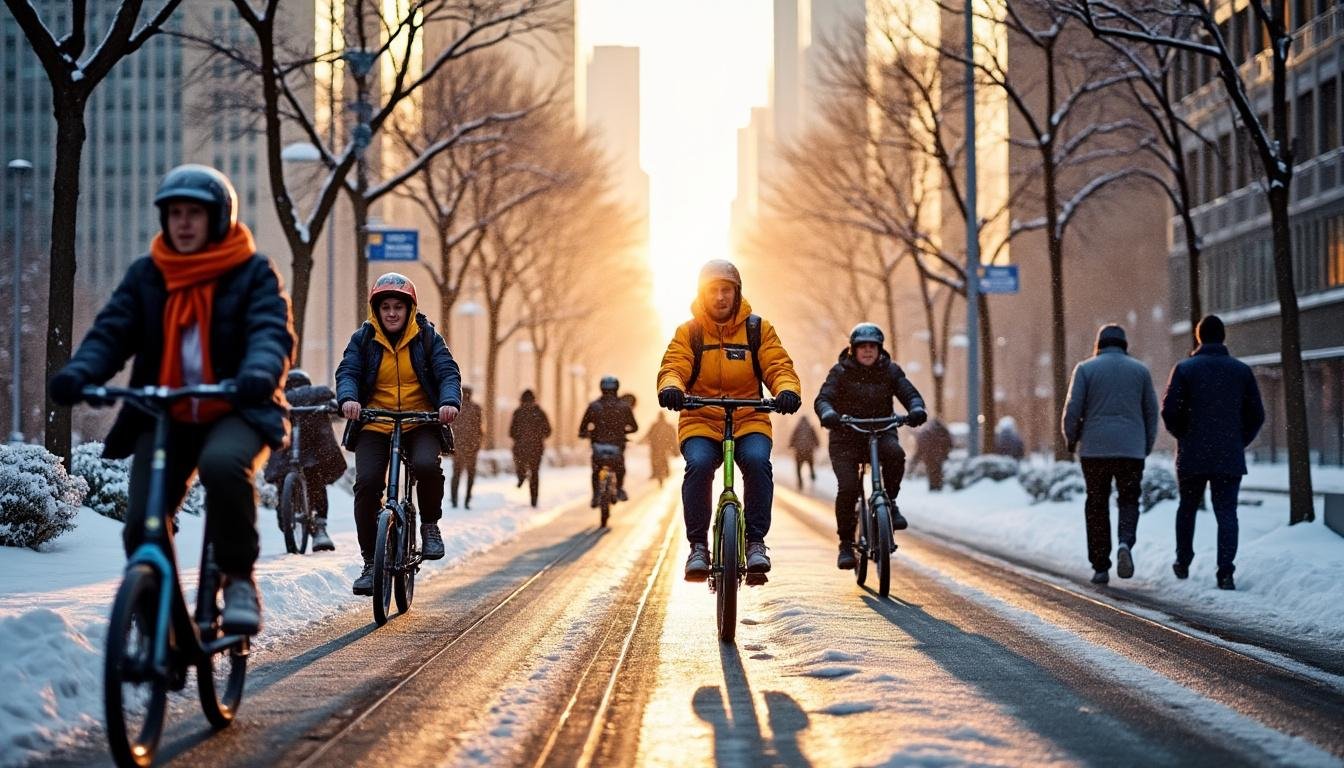
Understanding Winter Blues and the Power of Active Transportation for Mental Health
As the cold weather sets in and days grow shorter, many individuals experience a decline in mood and energy, commonly referred to as the winter blues. This seasonal phenomenon is characterized by feelings of lethargy, increased stress, and a general sense of melancholy, often linked to reduced exposure to natural light and decreased physical activity. The winter months pose unique challenges to maintaining mental wellness, particularly when the cold discourages outdoor movement.
Active transportation, including walking and cycling, emerges as a practical, accessible solution to these challenges. By integrating physical activity into daily routines—such as commuting or running errands—individuals can enjoy significant mental health benefits without the need for dedicated exercise sessions. Even short episodes of walking or cycling spark the release of endorphins, which promote mood improvement and reduce stress levels.
Research highlights that staying physically active during winter not only supports mental health but also combats the symptoms of Seasonal Affective Disorder (SAD), a form of depression related to seasonal changes. For example, a simple 20- to 30-minute brisk walk exposes the body to natural light, enhancing circadian rhythms and stabilizing sleep patterns, both crucial factors in mitigating the winter blues. Moreover, maintaining an active lifestyle fosters a sense of accomplishment and routine, which are essential to emotional resilience in colder months.
The community aspects of active transportation also play a vital role. Walking or cycling through neighborhoods fosters social interaction and connection, preserving a sense of belonging during a period when social withdrawal is common. Cities that encourage active travel have reported lower incidences of winter mood disorders, illustrating how environmental design and individual choices intersect to improve overall wellbeing.
10 quick checks to spot low-quality supplements before you buy - plus research-backed doses for 12 common ingredients. Free PDF, no spam.
For deeper insights into scientifically supported methods to overcome seasonal mood dips, personalized strategies can be found at resources such as research-backed ways to beat the winter blues and practical strategies for mood improvement. Incorporating active transportation into one’s routine is among the most effective and sustainable approaches to staying mentally vibrant through the winter.

Physical Health Benefits of Maintaining Active Transportation in Cold Weather
Beyond mental health improvements, active transportation plays a crucial role in sustaining physical wellbeing during the colder months. The challenges posed by winter—such as icy sidewalks, cold drafts, and reduced daylight—often reduce overall activity levels. However, evidence from 2026 health studies confirms that individuals who persist in walking or cycling throughout winter maintain stronger immune systems and better cardiovascular health than those who adopt sedentary habits.
Engaging regularly in physical activity through walking or cycling strengthens the heart muscle, improves circulation, and boosts lung capacity. These benefits are particularly significant during winter when respiratory illnesses spike, as stronger body systems better resist infections. Furthermore, managing body weight during winter months becomes easier with consistent active commuting, preventing the weight gain that can accompany seasonal inactivity.
For people with chronic conditions—such as diabetes or arthritis—maintaining physical movement is essential. Active transportation offers a low-impact form of exercise that can be tailored to individual tolerance levels while still delivering health benefits. For instance, cycling at a moderate pace on winter-safe pathways enhances joint flexibility and muscle tone without excessive strain.
The mental and physical benefits are intertwined. Improved fitness enhances energy levels, reduces fatigue, and fosters a positive mood, creating a feedback loop that encourages continued outdoor activity. The release of neurotransmitters during exercise—including serotonin and dopamine—promotes feelings of reward and motivation essential for combating the winter blues. These connections underscore why maintaining an active lifestyle through walking or cycling is fundamental to surviving and thriving through cold weather.
For those seeking practical advice on sustaining healthful habits in winter, the family-friendly strategies for balanced living provide customizable routines blending exercise, nutrition, and rest. Embracing active transportation is a cornerstone of these holistic approaches.
Safety Best Practices for Winter Walking and Cycling to Prevent Accidents
While the advantages of walking and cycling in winter are clear, ensuring safety during these activities is paramount due to challenges like low visibility, slippery surfaces, and unpredictable weather conditions. Proactive safety measures can significantly reduce the risk of falls, collisions, or injuries.
Visibility is one of the primary concerns during winter months when gray skies, early nightfall, and snow reduce the ability of drivers and pedestrians to see each other. Wearing bright or reflective clothing is essential. Cyclists should also equip their bikes with front and rear lights, and flashing indicators where possible, to enhance visibility.
Footwear and tire selection are equally critical. Shoes with strong treads and water resistance help walkers maintain traction on icy or wet surfaces. Similarly, winter tires for bicycles provide improved grip on snow and slush. Cyclists are advised to reduce speed and extend braking distances, adapting riding techniques to the road conditions.
Another safety tip is route planning. Selecting well-maintained paths and streets with proper lighting and cleared snow can make a substantial difference. Avoiding busy roads or known hazardous spots reduces potential hazards. Pedestrians should stay alert at crossings, make eye contact with drivers, and avoid distractions from phones or headphones.
Safety gear, such as helmets for cyclists and gloves that provide warmth without sacrificing dexterity, further supports protection. Communities also bear responsibility by maintaining clean sidewalks, providing winter bike lanes, and promoting winter-safe urban infrastructure.
For comprehensive advice on safe winter habits, including active travel, visit expert guidelines on coping with winter challenges. Establishing these precautions helps build confidence in outdoor winter activity, encouraging more people to remain mobile and engaged despite the season.

Creating Consistent Healthy Routines to Combat Seasonal Affective Disorder Through Movement
Seasonal Affective Disorder (SAD) represents a more severe manifestation of the winter blues, affecting a notable percentage of the population. SAD symptoms include deep fatigue, feelings of hopelessness, carbohydrate cravings, and disrupted sleep. Addressing these symptoms requires a multifaceted approach, and integrating active transportation into daily life is a highly effective component.
Establishing healthy routines that include regular walking or cycling helps regulate circadian rhythms, a key factor in managing SAD. The predictable exposure to natural light obtainable through outdoor movement has a direct influence on melatonin and serotonin production, both crucial neurotransmitters linked to mood regulation.
Furthermore, active transportation imposes structure amid the often chaotic or isolating winter months. Setting fixed times for walking or cycling creates a sense of normalcy and control that supports mental stability. It also encourages engagement with community surroundings, enhancing social interaction safely.
To optimize the benefits, it’s useful to combine physical activity with other lifestyle adjustments such as balanced nutrition, adequate sleep, and mindfulness practices. For example, walking through a park or green space stimulates the senses and nurtures calmness, contributing to overall wellbeing.
Resources offering evidence-based tactics to manage SAD and winter blues, like the inviting ways to stay joyful during colder months, emphasize that even minimal, consistent outdoor activity yields significant mood improvements. Through well-structured routines, individuals build mental resilience that lasts beyond the winter season.
Community Impact and Broader Benefits of Promoting Active Transportation in Winter
The benefits of active transportation during winter extend beyond individual health, fostering safer, more vibrant, and connected communities. When more people choose walking and cycling over driving, urban environments become quieter, cleaner, and less congested, which amplifies community wellbeing.
From a public health perspective, promoting winter active transportation reduces healthcare costs associated with inactivity-related illnesses and mental health disorders aggravated by seasonal effects. Cities investing in winter-friendly infrastructure—like cleared bike lanes, heated sidewalks, and public lighting—encourage these healthy behaviors.
Moreover, as families adopt walking or cycling for school commutes despite colder temperatures, they set positive examples across generations. Studies show a strong correlation between parental commuting habits and children’s active commuting choices, indicating the potential for lasting cultural shifts.
Community programs that combine social support with walking or cycling meetups help overcome the isolation common in winter, simultaneously addressing mental health and social connectedness. Such initiatives contribute to creating ‘bright minds’ in cold times—a collective mental health uplift that resonates through neighborhoods.
For further exploration of community-based approaches and family-oriented strategies, the research on intergenerational commuting patterns gives insightful data on how active transportation habits evolve and persist. By fostering these practices, society as a whole combats the winter blues together, weaving greater resilience into our communal fabric.
How does active transportation help improve mental health during winter?
Active transportation like walking and cycling increases exposure to natural light and physical exercise, triggering endorphin release which enhances mood and reduces symptoms associated with the winter blues and Seasonal Affective Disorder.
What safety precautions should be taken for winter cycling and walking?
Wearing bright or reflective clothing, using bike lights, choosing winter-appropriate footwear and tires, and planning safe routes can minimize risks of slips, falls, and collisions during winter active transportation.
Can short walks or bike rides really affect Seasonal Affective Disorder symptoms?
Yes. Regular short outdoor activities help regulate sleep patterns and neurochemical balances, improving mood and alleviating depression symptoms linked to Seasonal Affective Disorder.
How can families encourage active transportation habits during winter?
Parents setting examples by walking or cycling children to school encourage children to adopt similar habits, establishing lifelong healthy routines that counteract the winter blues.
Where can I find reliable tips to sustain healthy routines against winter blues?
Websites like Headspace and Farmers’ Almanac offer practical advice and evidence-based strategies to maintain mental and physical health in cold weather.
10 quick checks to spot low-quality supplements before you buy - plus research-backed doses for 12 common ingredients. Free PDF, no spam.

1 Comment
Pingback: Blue Monday 2026: Unveiling Why This Monday Is Labeled the Most Depressing Day of the Year - LiveWell Magazine