Close Menu
    Follow us on Google News
    Follow Livewell Magazine on Google News
    Facebook X (Twitter) Instagram
    LiveWell Magazine
    Facebook
    Follow LiveWell Magazine on Google News
    • Cancer

      Healthy Dad’s Unexpected Cancer Diagnosis Revealed After Ignoring Nighttime Bathroom Trips: ‘A Heartbreaking Surprise’

      February 22, 2026

      BREAKING NEWS: Gene therapy for sickle cell disease: a medical breakthrough still out of reach for many

      December 29, 2025

      How Your Drinking Habits Could Significantly Increase Your Cancer Risk

      December 28, 2025

      Could the time of day you get cancer treatment affect survival? What a new lung cancer study suggests

      December 25, 2025

      Can exercise lower cancer risk? what the science suggests (and what to do today)

      December 22, 2025
    • Fitness

      Biochemist Reveals the Powerful 10-Minute Workout That Keeps the Mind Razor-Sharp All Day

      March 23, 2026

      The best workouts for busy people

      March 3, 2026

      A Fitness Trainer’s Perspective: How My Approach Transformed from 40 to 60

      March 2, 2026

      Healthy Living: Dr. Angela Haskins Embraces Peloton Workouts for Fitness

      February 2, 2026

      The “protein first” trick: protect muscle and stay full during holiday meals

      January 11, 2026
    • Health

      Federal Judge Hits Pause on HHS Secretary Kennedy’s Vaccine Policy Overhaul

      March 18, 2026

      Medicare Advantage Shifts: Payments to Plans Increase as Enrollment Hits a New Record

      March 18, 2026

      The battle over “$0 premium” plans: What’s at stake for your healthcare?

      February 19, 2026

      Early cholesterol treatment in kids may prevent heart disease for life

      January 28, 2026

      Functional medicine: a personalized approach to healthcare

      January 27, 2026
    • Lifestyle

      Happiness Guru Reveals 7 Key Habits That Foster Long-Term Joy and Well-Being

      April 2, 2026

      Top Morning Routines Recommended by Doctors for a Healthy and Vibrant Life

      April 1, 2026

      The Top Morning Routine Gastroenterologists Recommend for Better Digestion and Easy Bowel Movements

      March 30, 2026

      Weekend Habits Secretly Affecting Your Insulin Resistance

      March 28, 2026

      Amid Soaring Demand for GLP-1 Pills and Injections, Maintaining Healthy Habits Remains Essential

      March 27, 2026
    • Nutrition

      Daily Avocado Consumption: Insights from a Dietitian on Its Health Benefits

      March 25, 2026

      Celebrate National Nutrition Month this March with Toi Degree – Salisbury Post

      March 21, 2026

      Protein-Packed Mediterranean Dinners to Boost Your Heart Health

      March 20, 2026

      Remarkable Health Benefits of Prunes That Transform Them into a Nutritional Powerhouse

      March 6, 2026

      Top 4 Vegetables to Boost Liver Health, Recommended by Registered Dietitians

      February 27, 2026
    • Senior

      Nourishing Your Golden Years: 10 Essential Nutrition Habits to Promote Healthy Aging and Maintain Independence After 60

      March 27, 2026

      Wound Care Revolution: How a New Medicare Payment System Aims to Cut Waste in Senior Care

      March 19, 2026

      The $2,000 Cap is Here: How the New Annual Out-of-Pocket Drug Limit Saves Seniors Thousands

      March 17, 2026

      Why Conventional Health Tips Might Shift After Turning 50

      March 15, 2026

      The Unexpected Superfood to Boost Your Health as You Get Older, Reveals New Research

      March 1, 2026
    • Trends

      Transparency at HHS: How the New “Radical Transparency” Initiative Aims to Expose Big Pharma Conflicts

      March 13, 2026

      How Wearable Technology Could Spark a Revolution in Healthier Living

      February 5, 2026

      Early cholesterol treatment in kids may prevent heart disease for life

      January 28, 2026

      Wearable health devices: the future of personalized medicine?

      January 27, 2026

      AI in healthcare: ethical considerations and promising applications

      January 26, 2026
    • Wellness

      Is the rising cost of a Hawaii vacation becoming a barrier to your travel wellness?

      April 2, 2026

      How will Palma Mallorca’s new party boat and vacation rental rules affect your travel wellness?

      April 1, 2026

      This Wellness Routine Unlocks Greater Brain Benefits Especially for Beginners

      March 28, 2026

      Stephen A. Smith Blasts Pelicans: ‘Y’all Have Been Trash’ After Critiquing Zion Williamson

      March 19, 2026

      Simple and Effective Health Hacks for Busy Lives

      February 28, 2026
    Subscribe
    LiveWell Magazine
    Home»Health & Safety»Health misinformation: the silent killer in the age of social media
    Health & Safety

    Health misinformation: the silent killer in the age of social media

    Amelie GoujonBy Amelie GoujonNo Comments
    Facebook Twitter Email WhatsApp Pinterest LinkedIn Reddit Telegram Threads
    discover the impact of health misinformation and learn how to identify and combat false health information for better well-being.
    Share
    Facebook Twitter LinkedIn Email Reddit Telegram WhatsApp Threads

    The waiting room is often where the real diagnosis begins, not in the examination cubicle. In my years of practice, I have noticed a shift in the tone of conversations occurring before patients even see me. Years ago, people exchanged nervous glances or read outdated magazines. Today, they are glued to their screens, scrolling through an endless feed of medical advice delivered by algorithms rather than professionals. This digital deluge has created a paradox where we have access to more information than ever before, yet we are becoming increasingly confused about how to care for our bodies.

    We are facing a crisis that the World Health Organization has aptly termed an infodemic. This is not merely a nuisance of the digital age but a genuine public health threat that competes with viruses and chronic diseases in its capacity to harm. The rapid spread of inaccurate health claims travels faster than any pathogen, infiltrating our homes and influencing decisions that can mean the difference between life and death. As a physician, I have treated patients who delayed chemotherapy in favor of unproven diet changes found on social media, and parents who refused standard immunizations because of a frightening, decontextualized video they saw on their feed.

    The mechanism behind the viral spread of falsehoods

    Social media platforms are designed to maximize engagement, not accuracy. The algorithms that dictate what appears on our screens prioritize content that elicits strong emotional reactions, particularly fear, outrage, or surprise. In the realm of health, a nuanced explanation of vaccine efficacy simply cannot compete with a sensationalist headline claiming a common medication causes a catastrophic side effect. This engagement-driven architecture creates the perfect environment for misinformation to flourish, often outpacing the corrective efforts of health organizations.

    The human brain is wired to seek patterns and confirmation for existing beliefs. When a user pauses to watch a video expressing skepticism about modern medicine, the platform serves up dozens more videos reinforcing that specific viewpoint. This creates an echo chamber where false narratives are repeated until they feel like the consensus. We see this phenomenon clearly when patients arrive at the clinic armed with printouts or screenshots, convinced that a secret remedy is being withheld from them by the medical establishment.

    Related Article :  Experts urge bounce house safety precautions
    learn about health misinformation, its impact, and how to identify and combat false health information for better well-being.

    Psychological triggers that make us vulnerable

    Fear is the most potent driver of health misinformation. When people feel a loss of control, such as during a disease outbreak or a personal health crisis, they desperately search for answers that offer certainty. Science often deals in probabilities and changing data, which can feel unsatisfying compared to the absolute guarantees offered by pseudo-experts online. These bad actors exploit the anxiety of the public, offering simple, black-and-white solutions to complex physiological problems.

    Trust in institutions has also eroded significantly over the last decade. Many individuals feel marginalized or unheard by the healthcare system, making them prime targets for alternative narratives that frame doctors and scientists as part of a corrupt elite. When a charismatic influencer speaks directly to the camera, using emotive language and personal anecdotes, they build a parasocial relationship with the viewer that feels more authentic than a sterile government press release.

    Clinical consequences of digital deception

    The impact of this digital distortion is measured in real-world suffering. We are witnessing the resurgence of preventable diseases like measles and whooping cough in communities where vaccination rates have plummeted due to online fear-mongering. These are not abstract statistics but children ending up in intensive care units for conditions that were practically eliminated a generation ago. The hesitation is rarely born out of malice but stems from a genuine, albeit misplaced, desire to protect oneself and one’s family based on false data.

    Beyond infectious diseases, the management of chronic conditions is suffering. Patients with diabetes or hypertension are increasingly abandoning evidence-based treatments for supplements or lifestyle hacks promoted by influencers with no medical training. These interventions are often marketed as natural cures, playing on the fallacy that natural always equals safe. The result is often a silent progression of disease that goes unchecked until a catastrophic event, such as a stroke or kidney failure, forces the patient back into the emergency room.

    Related Article :  The truth about food additives: Decoding what the EU and US just restricted

    This environment makes it incredibly difficult for individuals to distinguish between helpful advice and dangerous lies. It is crucial to know reliable sources for medical advice that can act as a filter against the noise. Without verified anchors of truth, patients are left drifting in a sea of conflicting claims, often choosing the path that sounds the most comforting rather than the one that is clinically sound.
    explore the impact of health misinformation, learn how to identify false health information, and discover reliable sources to stay informed and make better health decisions.

    The erosion of the doctor-patient relationship

    The dynamic in the consulting room has changed. Instead of starting with symptoms, consultations now often begin with a negotiation regarding what the patient has read online. This adversarial stance consumes valuable appointment time that should be spent on examination and treatment planning. Physicians find themselves in the exhausting position of having to debunk myths before they can even begin to practice medicine. This friction can lead to physician burnout and, conversely, can cause patients to feel dismissed or ridiculed, further driving them away from evidence-based care.

    However, we must approach this with empathy. Dismissing a patient’s internet research out of hand only widens the divide. It is essential to acknowledge their effort to understand their health while guiding them toward better resources. We need to encourage proactive measures, such as adopting proactive wellness strategies that align with scientific consensus, allowing patients to feel empowered without falling victim to falsehoods.

    Strategies to navigate the information landscape

    Combatting this silent killer requires a shift in how we consume media. Digital health literacy is now as important as understanding nutrition or hygiene. We must learn to pause before sharing and to scrutinize the source of the information. A key indicator of credibility is whether the content provider cites peer-reviewed sources or relies solely on testimonials and emotional appeals. If a headline seems designed to make you angry or terrified, it is likely manipulating your emotions rather than informing your intellect.

    Social media platforms are beginning to take more responsibility, but the sheer volume of content makes total policing impossible. Therefore, the filter must be the user. Identifying red flags such as the promise of a secret cure, the use of all-caps dramatic language, or claims that seem too good to be true is the first line of defense. We must treat information with the same caution we treat medication, checking the label and the source before ingestion.

    Related Article :  Access vs. fraud prevention : the debate over zero-premium Obamacare plans

    Empowering the next generation

    Education systems must integrate critical thinking regarding digital content into their curriculums. Children today are growing up in a world where truth is fragmented. Teaching them to triangulate information by checking multiple independent sources is a vital life skill. It is not about cynicism but about healthy skepticism. By fostering a culture of inquiry, we can immunize the population against the most dangerous strains of misinformation.

    Healthcare providers also need to inhabit these digital spaces. We cannot cede the territory of social media to those who spread falsehoods. By creating engaging, accurate, and empathetic content, medical professionals can provide a counter-narrative that is both scientifically sound and accessible. The goal is to make the truth as shareable and compelling as the lie.
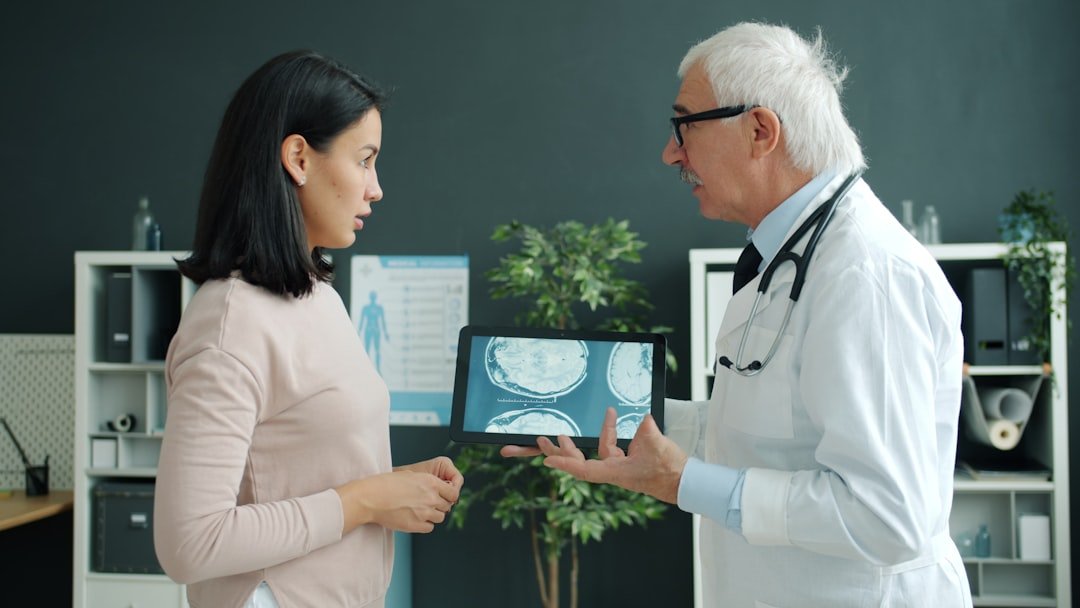
    explore the impact of health misinformation and learn how to identify and combat false health information for better well-being.

    Restoring trust in science and medicine

    Rebuilding the bridge between the public and the medical community takes time and transparency. We must be honest about what we know and what we do not know. Science is an iterative process, and acknowledging uncertainty can actually build trust rather than diminish it. When health officials admit that guidelines evolve as new data emerges, it demonstrates integrity. The pretense of infallibility is brittle; the honesty of scientific inquiry is resilient.

    Ultimately, health is a shared responsibility. While platforms and regulators have a role to play, the individual choices we make about what to believe and share have a cumulative effect on the health of our society. By prioritizing accuracy over speed and expertise over virality, we can begin to turn the tide against this silent killer.

    fake health news health communication health misinformation silent killer social media
    Follow on Google News
    Share. Facebook Twitter LinkedIn Email WhatsApp Reddit Telegram Threads Copy Link
    Previous ArticleReport Reveals Koreans Prioritize Wealth Over Genetics and Lifestyle for Health
    Next Article Early cholesterol treatment in kids may prevent heart disease for life
    Avatar photo
    Amelie Goujon

    Amélie has been working in the health sector for over 15 years and now serves as an online journalist specializing in healthy living. Her background in healthcare gives her articles a solid foundation of credibility and empathy. Passionate about wellness, nutrition, and prevention, she translates complex medical topics into clear, accessible content for a wide audience. Through her writing, Amélie aims to empower readers to make informed choices and adopt healthier daily habits.

    Continue reading

    Army Grounds Helicopter Crews Following Mysterious Flyover at Kid Rock’s Residence

    By FRANK JOST

    Does the Type of Alcohol You Drink Influence Its Health Risks? Unpacking the Truth Behind Your Favorite Booze

    By FRANK JOST

    Jerry O’Connell Opens Up About Rebecca Romijn’s Surprising Ultimatum

    By FRANK JOST

    2026 Medicare Premium Alert: Here’s the Breakdown of New Deductibles and Part B Costs

    By Frank Jost

    Cardiologist Shares Crucial Three-Word Advice for High Blood Pressure Patients

    By FRANK JOST

    Why Cardiologists Urge a Specialized Heart Scan for Optimal Health After Age 40

    By FRANK JOST

    Hospital Price Tag Reveal: New Federal Law Requires Every Hospital to Post Prices Prominently

    By Frank Jost

    Direct-to-Patient Subsidies: What the White House Move Toward Health Savings Accounts Means for Your 2026 Coverage

    By Frank Jost

    Persistent Migraine: Neurologist-Approved Solution for Instant Anesthetic Relief

    By Amelie Goujon

    The “Plain English” Mandate: New White House Rules Force Insurers to Reveal Denied Claims and Wait Times

    By Frank Jost

    A Pleasant-Smelling Home Isn’t Always Safe: Doctor Warns About the Dangers of Fumigation

    By Amelie Goujon

    Climate change and public health: the urgent need for action

    By Amelie Goujon
    Add A Comment
    Leave A Reply Cancel Reply

    Subscribe to Our Newsletter

    Join the Live Well Magazine Newsletter and get exclusive tips on health, wellness, lifestyle, and personal growth — straight to your inbox.

    Trending
    Lifestyle & Habits

    Happiness Guru Reveals 7 Key Habits That Foster Long-Term Joy and Well-Being

    Wellness

    Is the rising cost of a Hawaii vacation becoming a barrier to your travel wellness?

    Diet & Weight Loss

    Are Clear Spirits Healthier Than Dark Ones? Dietitians Weigh In with the Facts

    Women’s Health

    What are the proven strategies to manage your menstrual migraines?

    Wellness

    How will Palma Mallorca’s new party boat and vacation rental rules affect your travel wellness?

    Lifestyle & Habits

    Top Morning Routines Recommended by Doctors for a Healthy and Vibrant Life

    Facebook
    • About us
    • Contact us
    • Contributors
    • Legal
    • Privacy
    © 2026 livewellmagazine.org.

    Type above and press Enter to search. Press Esc to cancel.