

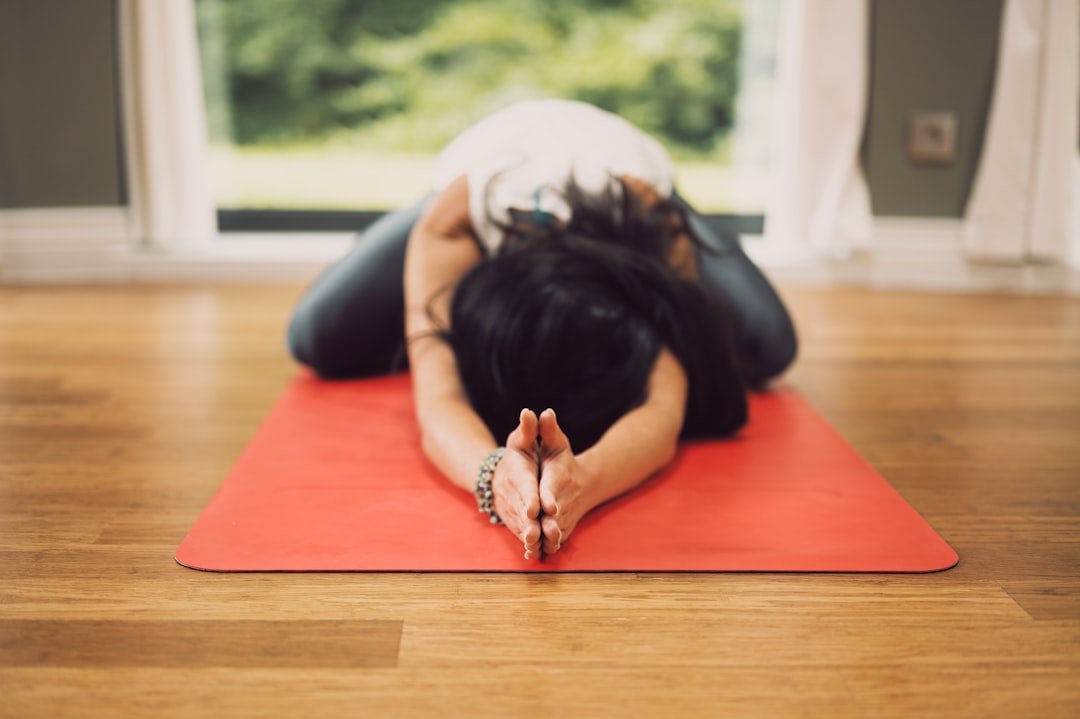
The crimson tide of a woman’s cycle often brings a tempest of physical discomfort, a storm that historically empties wallets as quickly as it drains vital energy. In 2026, the quiet revolution of managing our biological rhythms has shifted away from the brightly lit pharmacy counters to the warm sanctuary of our living room floors. We are witnessing a profound return to the body’s innate wisdom, a movement championed by seasoned women navigating the twilight of their reproductive years and passing this cost-saving legacy to younger generations. Over-the-counter remedies, heating patches, and specialty treatments drain monthly budgets, creating a hidden, recurring financial hemorrhage that goes largely unquestioned. Yet, the human vessel possesses its own internal apothecary, accessible through the simple, elegant architecture of breath and posture. Stretching the spine and opening the hips costs absolutely nothing but a few moments of quiet devotion. By transforming the way we view pelvic tension, we unlock an economical pathway to soothe the visceral aches that accompany menstruation. This financial and physical alchemy relies on ancient movements that require no subscription, no copay, and no specialized equipment, allowing women of all ages to reclaim their physical comfort and their financial independence simultaneously.
In Brief
For readers curious about non-exercise remedies for inflammation-related discomfort, our article asks is ArcticBlast worth it? and summarises the evidence.
The financial burden of monthly discomfort can be drastically reduced by replacing purchased remedies with the body’s own mechanical intelligence.
10 quick checks to spot low-quality supplements before you buy - plus research-backed doses for 12 common ingredients. Free PDF, no spam.
A sequence of gentle, restorative postures effectively neutralizes the chemical storm of prostaglandins without a single trip to the drugstore.
Integrating these movements with economical, nutrient-dense foods creates a holistic, budget-friendly defense against cyclical pain.
Bypassing the Pharmacy Aisle: The Economics of Pelvic Relief
The modern woman’s budget is a delicate tapestry, easily unraveled by the recurring expenses of pain management. For decades, the knee-jerk reaction to a contracting uterus has been a swift transaction at the local apothecary, trading hard-earned currency for temporary chemical relief. However, the golden years of womanhood teach us that throwing money at a natural biological process is neither sustainable nor strictly necessary. The financial drain of purchasing anti-inflammatory medications month after month accumulates into a staggering lifetime expense.
When the physical form experiences the deep, echoing aches of shedding its internal lining, it craves space, not merely chemical suppression. The rhythmic contraction of the pelvic bowl, driven by an excess of hormone-like messengers, demands a gentle, mechanical release. Cultivating a habit of stretching and mindful breathing acts as a natural analgesic, effectively cutting the intensity of these visceral spasms by half within just a few weeks of practice.
This approach not only preserves our joint health as we gracefully age but also fiercely protects our carefully curated household budgets. Much like the strategies we explore when seeking relief from seasonal dietary excesses, addressing cyclical swelling requires gentle, internal massage rather than expensive, external interventions. By turning our gaze inward, we discover that the most potent relief is entirely free and always accessible.
Reclining Into Wealth: Bound Angle and Child’s Pose
The first chapter of our cost-free sanctuary begins with the Reclined Bound Angle posture, known in ancient texts as Supta Baddha Konasana. Picture a butterfly resting gently on a sunlit stone; this is the essence of this restorative shape. By lying softly on the earth and allowing the knees to drift outward like unfurling petals, the pelvic floor experiences a profound, luxurious stretch. This posture acts as a silent negotiator, persuading the tense abdominal wall to surrender its stubborn grip.
It is a completely complimentary therapy that bathes the lower spine in relief, an absolute treasure for mature bodies seeking gentle mobility without the cost of a physical therapist. Transitioning from the open butterfly, the Child’s Pose offers a cocoon of safety. Balasana requires the practitioner to fold forward, creating a soft compression against the abdomen that mimics a warm, healing embrace.
This grounding shape acts as a thrifty, built-in massage for the internal organs, coaxing the nervous system out of its frantic fight-or-flight response. The lower back, often carrying the heavy toll of cyclical aches, lengthens and breathes deeply. Engaging in these two simple shapes daily builds a fortress of comfort that shields both the body and the bank account from unnecessary strain.
The Internal Rivers: Bridge Pose and Knees-to-Chest
Stagnation is the undeniable enemy of comfort, both in our financial portfolios and within our circulatory system. The Supported Bridge Pose acts as an architectural marvel, elevating the hips to reverse the pooling of blood in the pelvic basin. By placing a simple household cushion beneath the sacrum, the body creates a gentle slope that encourages fresh, oxygen-rich currents to wash over the reproductive organs.
This subtle inversion costs nothing, yet it pays massive dividends by counteracting the tightness forged by relentless uterine contractions. It is a brilliant example of using our own skeletal architecture to facilitate healing, bypassing the need for expensive treatments. Similarly, the Knees-to-Chest posture, elegantly termed Apanasana, is a masterclass in internal economy.
By drawing the limbs close to the heart, this shape gently squeezes the digestive tract, expelling trapped air and minimizing the uncomfortable distension that accompanies our cycles. Those who prioritize walking and cardiovascular health, perhaps those who participate in community walking events for wellness, will find this posture an excellent complementary practice to soothe tired legs and a heavy abdomen.
Wringing Out the Tension: Supine Twists and Wall Inversions
The Supine Spinal Twist operates like a meticulous accountant balancing the ledgers of your nervous system. As the knees cascade to one side and the arms extend like the wings of a soaring bird, the spine experiences a deeply therapeutic wringing action. This rotational movement stimulates the vagus nerve, sending a powerful wave of calm through the body’s entire communication network.
By lowering the perception of agony through natural vagal stimulation, this cost-free movement elegantly replaces the need for artificial muscle relaxants. To finalize this sequence of bodily frugality, we look to the nearest wall. Viparita Karani, the Legs-Up-the-Wall posture, is the ultimate gesture of surrender and restorative grace.
Allowing the legs to rest vertically drains the heavy, swollen sensation from the lower extremities, sending a refreshing cascade of lymphatic fluid back toward the heart. It is a deeply restorative practice that recalibrates the autonomic nervous system. For women navigating the unpredictable tides of later-stage menstruation, this inversion offers a priceless sanctuary of weightlessness.
| Restorative Shape | Physiological Alchemy | Economic Equivalent Saved |
|---|---|---|
| Reclined Bound Angle | Softens the pelvic floor and neutralizes abdominal spasms | Replaces expensive heating pads and single-use thermal patches |
| Child’s Pose | Compresses the digestive organs for a soothing internal massage | Eliminates the need for pricey topical back pain ointments |
| Supported Bridge | Reverses pelvic stagnation and floods the uterus with oxygen | Reduces reliance on premium over-the-counter painkillers |
| Legs-Up-the-Wall | Drains heavy lymphatic fluid and resets the nervous system | Acts as a completely free, at-home spa recovery session |
Smart Kitchen Strategies to Support Your Practice
Movement is the foundational pillar of our frugal healing strategy, but it requires the sturdy scaffolding of intelligent, cost-effective nutrition. The synergy between a supple body and a well-nourished cellular matrix cannot be overstated when addressing the root causes of cyclical pain. By focusing on accessible, nutrient-dense ingredients, we can further diminish the chemical triggers of discomfort without emptying our purses at high-end health food boutiques.
Magnesium is the great muscular pacifier, a crucial elemental force that commands the body’s tissues to release their tense grip. Fortunately, nature provides this mineral abundantly in humble, inexpensive staples like dark leafy greens, pumpkin seeds, and legumes. When we stock our pantries with these affordable gems, we actively build a defense system against the overproduction of prostaglandins.
Paired with budget-friendly sources of omega-3 fatty acids, such as ground flaxseeds or canned wild-caught salmon, these meals dismantle the inflammatory cascades before they can take root in the pelvis. This culinary wisdom, passed down through generations of resourceful women, proves that true wellness is not a luxury commodity reserved for the wealthy. It is, instead, a daily harvest of mindful, economical choices that honor both the body’s natural rhythms and our financial security.
10 quick checks to spot low-quality supplements before you buy - plus research-backed doses for 12 common ingredients. Free PDF, no spam.
