


How Hydration Plays a Crucial Role in Your Morning Routine for Gut Health
One of the most emphasized habits by gastroenterologists in promoting better digestion and easy bowel movements is proper hydration right at the start of the day. Upon awakening, your body has gone several hours without any fluid intake, leading to mild dehydration that can affect your gastrointestinal tract’s efficiency.
Drinking a warm glass of water as the first thing in the morning can gently stimulate the digestive organs and help mobilize the colon. Warm water helps relax the stomach and small bowel muscles, allowing peristalsis — the wave-like muscle contractions that propel food and waste through the digestive system — to kick in more effectively. As Dr. Ritu Nahar notes, many patients with sluggish bowels see improvement just by integrating this simple step into their daily routine.
Moreover, hydration influences stool consistency by ensuring the colon remains adequately lubricated, making it easier to pass stool and reducing instances of constipation. This effect is especially important as many individuals experience slower gut motility after sleep, which can lead to uncomfortable bloating or difficulty in bowel movements.
To maximize the benefits of morning hydration, experts recommend not just plain water but the addition of mild electrolytes or a squeeze of lemon, which can encourage bile production for digestion. Some gastroenterologists suggest avoiding caffeinated beverages as the initial drink, as caffeine can sometimes cause irritation or dehydration if consumed without adequate water first.
10 quick checks to spot low-quality supplements before you buy - plus research-backed doses for 12 common ingredients. Free PDF, no spam.
Incorporating this into a consistent morning routine sets a positive tone for your gut health throughout the day. For a full list of scientifically backed morning habits for gut wellness, there are valuable insights available from a respected gastroenterologist’s recommended morning habits.

Fiber Intake: The Backbone of Morning Digestion and Regular Bowel Movements
Integrating sufficient dietary fiber into your breakfast is another cornerstone recommended by gastroenterologists to enhance digestive health. Fiber intake in the morning jumpstarts the digestive process by adding bulk to the stool, which not only encourages regular bowel movements but also supports a thriving gut microbiome.
There are two essential types of fiber to consider: soluble and insoluble. Soluble fiber dissolves in water, forming a gel-like substance that helps slow digestion, stabilizes blood sugar, and nurtures beneficial gut bacteria. Insoluble fiber, on the other hand, adds bulk to stool and speeds its passage through the colon, preventing constipation.
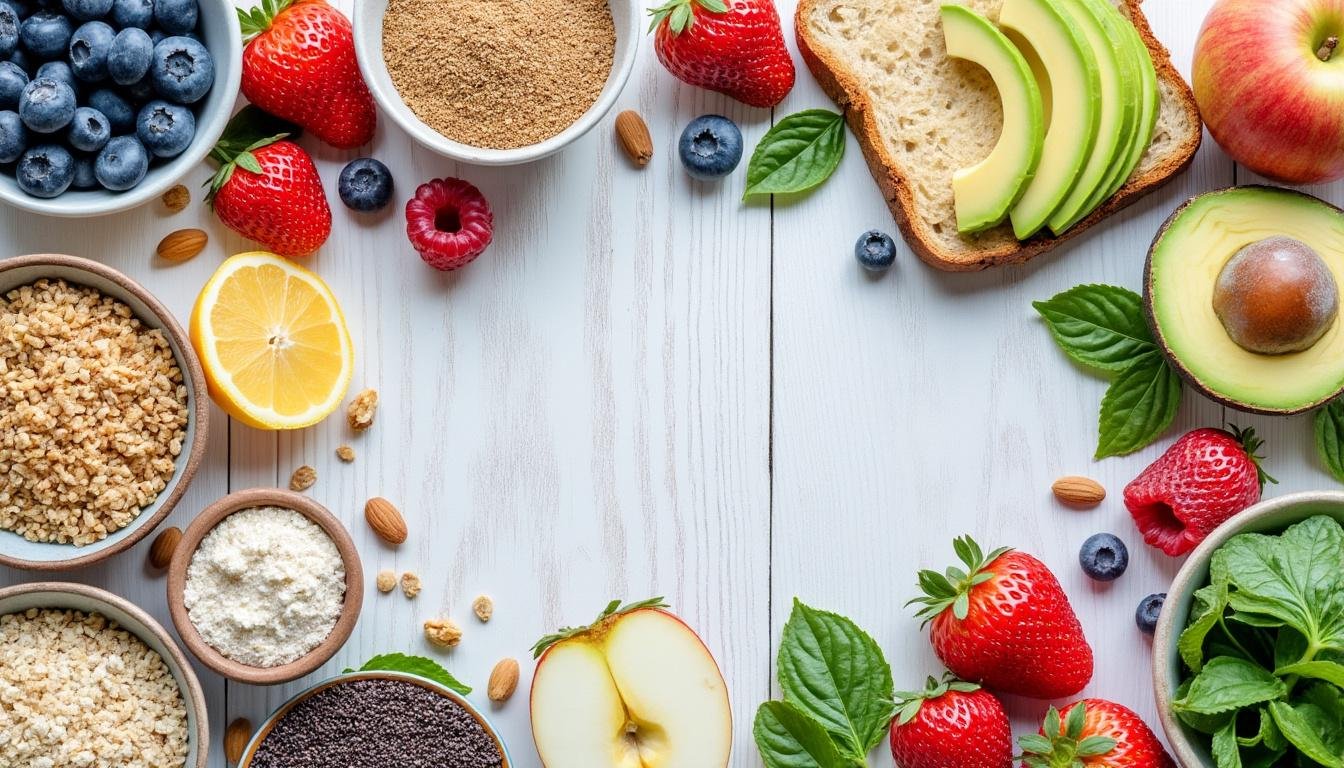
Examples of high-fiber breakfast choices that gastroenterologists often suggest include oatmeal topped with fresh fruits like berries, chia seeds, and flaxseeds. Whole-grain toast with avocado or a serving of mixed nuts are also excellent sources. The key is to balance fiber intake with appropriate hydration, as too much fiber without enough fluid can actually impede bowel movements.
It’s important to increase fiber gradually in your diet to avoid gas or bloating, which can be uncomfortable for many. Consistency in fiber consumption as part of the daily morning routine has been proven to improve digestion and contribute to a more predictable and easy-to-manage bowel pattern.
Clinical insights shared by gastroenterologists further detail how fiber not only supports mechanical digestion but significantly impacts immune function through the gut lining. For more expert advice and detailed tips on fiber-rich diets supporting gut health, resources like the ultimate morning routine for gut health article are highly recommended.
Incorporating Probiotics to Balance Your Morning Digestive Environment
Probiotics have earned their place in gastroenterology-backed morning routines due to their ability to foster a balanced and resilient gut microbiota. These “good bacteria” play a crucial role in breaking down food, synthesizing nutrients, and supporting immune defenses localized within the gastrointestinal tract.
Morning probiotic consumption helps repopulate the gut after the overnight fasting period and can be particularly beneficial for those recovering from antibiotic use, digestive disorders, or general imbalances causing irregular bowel movements.
Common probiotic foods suitable for breakfast include yogurt with live cultures, kefir, fermented vegetables like sauerkraut, and kombucha. Additionally, probiotic supplements taken with water can be an effective alternative for those who do not consume fermented foods regularly.
It’s important to note that probiotics work synergistically with fiber, so consuming them together optimizes their effectiveness in supporting digestion and motility. The combination helps create a more hospitable environment for the beneficial bacteria to flourish.
In clinical settings, gastroenterologists often recommend probiotic inclusion as part of tailored morning routines aimed at improving bowel regularity and easing digestive discomforts such as bloating and gas. Ongoing research continues to highlight the potential of specific probiotic strains to assist in managing conditions like irritable bowel syndrome (IBS) and constipation.
For further evidence-based recommendations and habit-building around probiotics, consulting expert resources like those found at trusted digestion-focused platforms can be enlightening.
Effective Abdominal Massage Techniques to Stimulate Bowel Movements Naturally
Besides internal dietary support, external physical practices can greatly influence bowel movements through natural stimulation of the gastrointestinal tract. Abdominal massage is a recommended technique for enhancing gut motility and alleviating constipation symptoms.
Gastroenterologists often advise performing gentle abdominal massage in the morning to encourage movement along the colon. The massage typically involves circular motions beginning in the lower right side of the abdomen, sweeping upward towards the ribcage, across the upper abdomen, and down the left side.
This routine follows the natural pathway of the colon, helping to prompt peristalsis and relieve any pockets of trapped gas or bloating. Additionally, this tactile approach can reduce abdominal discomfort and promote relaxation.
Integrating this habit requires only a few minutes and can be combined with deep breathing exercises to enhance its effect. Soft, consistent pressure with the fingertips or palm encourages blood flow and nervous system signaling that activates digestive muscles.
For individuals struggling with intermittent constipation or those seeking alternative non-pharmacological options, abdominal massage is a practical and accessible tool. Regular practice as part of your morning ritual can lead to more consistent bathroom visits and improved overall digestive function.
To master these techniques, some gastroenterologists provide detailed guides and videos demonstrating correct abdominal massage, making it easier for patients to adopt this habit at home.
Choosing a Healthy Breakfast to Support Digestion and Gut Health
A thoughtfully selected breakfast is vital in shaping the day’s digestive response and overall gut health. The best breakfast choices combine easy-to-digest ingredients with balanced macronutrients that nurture digestion and promote regular bowel movements.
Many experts recommend starting with foods that provide fiber, moderate protein, and healthy fats. Examples include chia seed pudding with almond milk, whole-grain cereal with nuts, or vegetable-based omelets. Avoiding overly processed or sugary foods in the morning can prevent digestive sluggishness and inflammation.
Incorporating fermented foods, which are natural probiotic carriers, into breakfast can further reinforce gut microbial balance, complementing the effects of fiber and hydration. Moreover, choosing low-FODMAP options is beneficial for those with sensitive digestive systems or IBS.
Importantly, practicing mindful eating habits—such as chewing food thoroughly, eating slowly, and avoiding distractions—supports digestion by allowing enzymes and gut hormones to function optimally. This awareness encourages bowel movements to occur more predictably and pain-free.
Famous gastroenterologists have shared detailed meal plans and breakfast tips tailored to enhance morning digestion, which can be explored in various health platforms. One practical resource covering nutritional guidance and morning rituals for gut health is accessible through reputable wellness websites.
What is the best drink to consume first thing in the morning for digestion?
Experts recommend starting your day with a glass of warm water to help stimulate the digestive tract and prepare the gut for bowel movements.
How does fiber affect bowel movements?
Fiber adds bulk to stool and speeds its passage through the colon, which helps in maintaining regular and easy bowel movements, reducing constipation risk.
Can abdominal massage really improve digestion?
Yes, abdominal massage stimulates the colon’s motility and can relieve constipation and bloating by enhancing muscle contractions along the digestive tract.
Are probiotics necessary for everyone to improve gut health?
While probiotics are beneficial in balancing gut microbiota, their necessity depends on individual digestive health. They are particularly helpful for those with imbalance but should be integrated with other habits like fiber intake and hydration.
10 quick checks to spot low-quality supplements before you buy - plus research-backed doses for 12 common ingredients. Free PDF, no spam.
