
Close Menu
    Follow us on Google News
    Follow Livewell Magazine on Google News
    Facebook X (Twitter) Instagram
    LiveWell Magazine
    Facebook
    Follow LiveWell Magazine on Google News
    • Cancer

      What are the key actions you should take following a mesothelioma diagnosis?

      June 19, 2026

      The “Silent Killer”: 2 Hidden Signs of Pancreatic Cancer You Can Spot Years in Advance

      April 20, 2026

      Barry Manilow Opens Up About Embracing Healthier Lifestyle Choices During His Cancer Battle

      April 8, 2026

      Healthy Dad’s Unexpected Cancer Diagnosis Revealed After Ignoring Nighttime Bathroom Trips: ‘A Heartbreaking Surprise’

      February 22, 2026

      BREAKING NEWS: Gene therapy for sickle cell disease: a medical breakthrough still out of reach for many

      December 29, 2025
    • Fitness

      Unveiling the Science Behind Why Exercise Feels Tough for Many: Insights and Solutions

      June 27, 2026

      How can you revitalize your cardiovascular health with 8 engaging cardio tips for the reluctant fitness enthusiast?

      June 26, 2026

      Easy Habits to Make Your Workouts Feel Effortless

      June 25, 2026

      What are the top 5 strategies to walk faster and torch more calories?

      June 24, 2026

      Which workout reigns supreme in the ultimate fitness challenge?

      June 15, 2026
    • Health

      How to choose a supplement for dizziness and balance problems

      July 10, 2026

      How vestibular supplements work: Science behind balance and dizziness relief

      July 10, 2026

      Causes of vertigo: Common triggers and when to see a doctor

      July 10, 2026

      How to choose a joint supplement: Evidence-based checklist for better mobility

      July 10, 2026

      How collagen, glucosamine and turmeric work to support mobility

      July 10, 2026
    • Lifestyle

      When Good Intentions Go Wrong: Personal Stories of Healthy Habits That Backfired

      July 11, 2026

      Master Gardeners Inspire Healthy Habits Among Young Learners

      July 10, 2026

      How Healthy Eating Habits Can Shield Your Brain from Aging – Insights from CNN

      July 7, 2026

      Habits to Steer Clear of After 5 P.M. for Better Blood Pressure Control

      July 6, 2026

      Tiny Habits That Can Transform Your Well-Being and Boost Your Happiness

      July 5, 2026
    • Nutrition

      Expert-Recommended Food Combinations That Boost Nutrient Absorption

      July 14, 2026

      Top 10 Most Beneficial Teas to Sip, Backed by Nutrition Experts

      July 12, 2026

      Daily Avocado Toast: What Registered Experts Reveal About Its Impact on Your Health

      July 8, 2026

      The Ideal After-Dinner Drink for Managing High Cholesterol

      July 6, 2026

      What are the top 5 scientifically proven drinks to reduce your cholesterol?

      June 26, 2026
    • Senior

      Doctors Reveal the Key Mindset Shift That Boosts Health After 65

      July 6, 2026

      How is the rise of telehealth benefiting senior citizens?

      June 4, 2026

      What are the essential approaches for promoting high-quality senior care and independence?

      May 6, 2026

      Nurturing Your Gut After 50: 7 Essential Habits for Lasting Digestive Wellness

      April 3, 2026

      Nourishing Your Golden Years: 10 Essential Nutrition Habits to Promote Healthy Aging and Maintain Independence After 60

      March 27, 2026
    • Trends

      Why is Zhiyin Zhou advocating for a human-centered approach in AI healthcare evolution?

      June 25, 2026

      What are the innovative approaches to autism therapy by psychologist Valeriia Manchuk?

      June 15, 2026

      What are the innovative techniques in permanent makeup for aesthetic and restorative purposes?

      June 2, 2026

      How could the 7 surprising travel trends of 2026 disrupt your wellness plans and how can you navigate them?

      April 15, 2026

      Which innovative skincare trends will shape the industry in 2026 according to Uliana-Sofiia Savchenko?

      April 6, 2026
    • Wellness

      Dr. Oz Shares 3 Simple, Medication-Free Strategies to Enhance Your Health for Free

      July 12, 2026

      How will new European taxes to combat overtourism affect your travel wellness?

      June 26, 2026

      How could the travel advisory for Nepal amid political turmoil affect your travel wellness?

      June 25, 2026

      How will American Airlines’ new luxury experience impact your travel wellness?

      June 23, 2026

      Mindful Glow: How Meditation Enhances Your Skin’s Natural Radiance – AOL

      June 17, 2026
    Subscribe
    LiveWell Magazine
    Home»Health & Safety»Wildfire smoke and the aging heart: what new data says about ER surges after big fires
    Health & Safety

    Wildfire smoke and the aging heart: what new data says about ER surges after big fires

    Amelie GoujonBy Amelie GoujonNo Comments
    Facebook Twitter Email WhatsApp Pinterest LinkedIn Reddit Telegram Threads
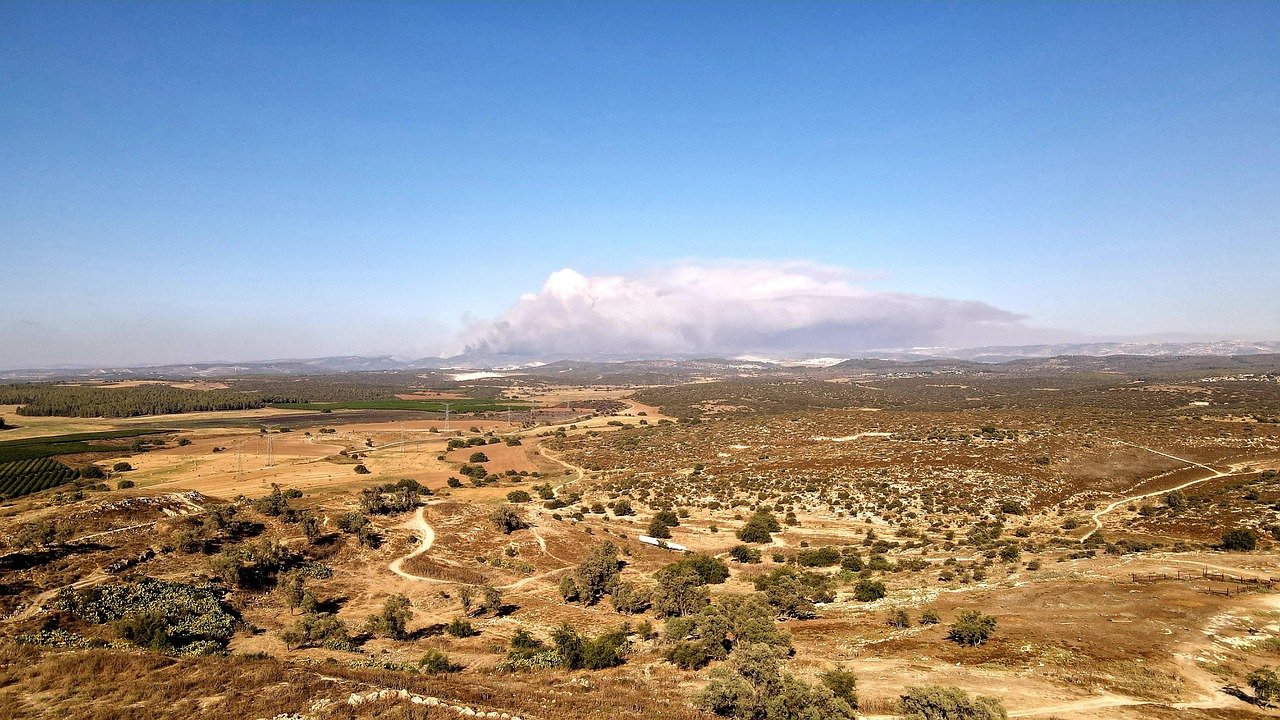
    learn about the causes, effects, and safety tips related to wildfire smoke to protect your health and stay informed during wildfire season.
    Share
    Facebook Twitter LinkedIn Email Reddit Telegram WhatsApp Threads

    The haze settling over our cities this summer isn’t just a picturesque sunset-maker; it’s a silent traveler carrying a serious health warning. As massive wildfires, like the ones currently raging in Canada, become more frequent, their smoke is drifting thousands of miles, blanketing communities far from the flames. For seniors, this smoky veil poses a particular and often underestimated threat, not just to the lungs, but directly to the heart. Recent data reveals a startling connection between poor air quality days and a significant surge in emergency room visits for heart attacks, strokes, and other cardiovascular events. Studies have shown ER visits for heart attacks can jump by over 40% within a day of exposure to dense wildfire smoke. This isn’t a distant problem; it’s an invisible health hazard arriving on our doorsteps, demanding we take proactive steps to protect our most vital organ. This article will guide you through understanding the risks, recognizing crucial warning signs, and fortifying your home and health against this growing environmental challenge.

    In Brief:

    • Wildfire smoke contains microscopic particles (PM2.5) that can enter the bloodstream, increasing the risk of heart attacks and strokes.
    • ER visits for heart attacks have surged by as much as 42% in areas affected by dense wildfire smoke, with adults over 65 being most vulnerable.
    • Knowing the symptoms of a heart attack (chest discomfort, shortness of breath, pain in arms/back/neck) is crucial for seeking timely help.
    • Simple, proactive measures like using high-efficiency air purifiers, staying indoors during smoke events, and staying hydrated can significantly reduce your exposure and risk.
    • You can monitor your local air quality in real-time using online tools like airnow.gov to make informed decisions about your daily activities.
    Related Article :  Racial disparities in healthcare: systemic issues and solutions

    The Invisible Intruder: How Smoke Travels and Strains Your Heart

    It’s a common misconception that the dangers of a wildfire are confined to its immediate vicinity. The reality is that the smoke, a toxic cocktail of gases and fine particulate matter, is a long-distance threat. These microscopic particles, known as PM2.5, are so tiny they can bypass the body’s natural defenses, embedding deep in the lungs and even entering the bloodstream. Once in circulation, they trigger inflammation, which can destabilize existing plaque in arteries and increase the risk of blood clots. The American Heart Association has issued urgent warnings about this very phenomenon, especially as the smoke from the May 2025 Canadian wildfires drifts across the U.S. A 2020 study in the Journal of the American Heart Association found that exposure to heavy smoke raised the risk of out-of-hospital cardiac arrests by a staggering 70%. It’s a stark reminder that what we can’t see can indeed hurt us. Protecting yourself involves understanding these everyday health hazards that are becoming more common.
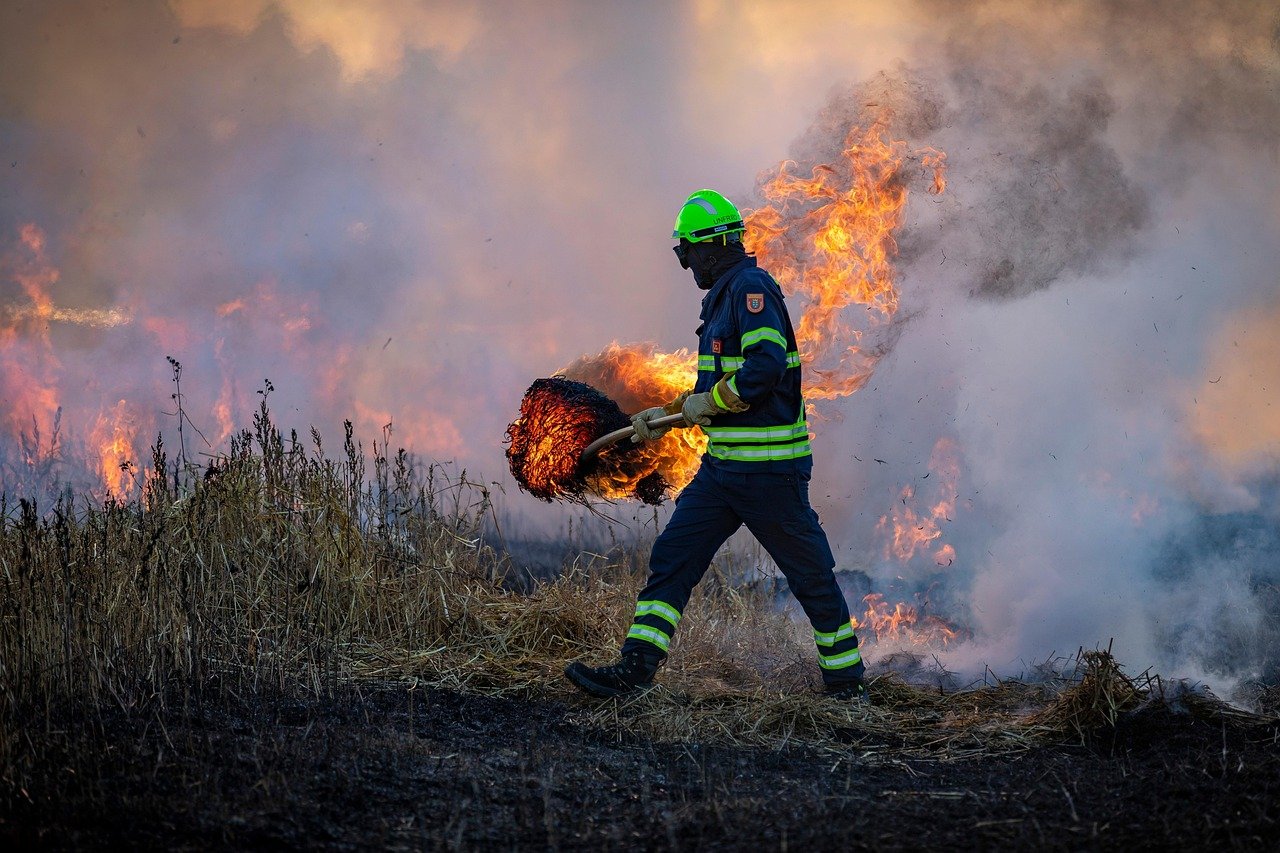
    learn about the causes, impacts, and safety tips related to wildfire smoke to protect your health and environment.

    Your Heart Under Siege: The Data Behind the Haze

    The statistics paint a clear and concerning picture. Research comparing ER visits during wildfire periods to normal conditions found dramatic increases in hospitalizations for heart-related issues. Following recent Los Angeles fires, for example, Cedars-Sinai Medical Center reported a 46% jump in ER visits for heart attacks in the 90 days after the blaze. It’s not just a West Coast problem; a new study found that even smoke drifting thousands of miles to cities like Baltimore led to increased medical visits for heart problems on poor air quality days. “I never connected the dots,” shared fictional testimonial Martha, 72, from Ohio. “I felt unusually tired and had a fluttering in my chest last summer. My doctor later told me it was likely aggravated by the smoke from fires happening halfway across the continent.” This underscores the vulnerability of older adults and those with pre-existing conditions like ischemic heart disease or heart failure, who are disproportionately affected.

    Related Article :  Insights from 4 Heart-Health Experts on the Most Effective Strategies to Reduce Blood Pressure—and What You Should Know

    Heeding the Call: Know the Signs and Protect Yourself

    During a wildfire smoke event, being attuned to your body’s signals is your first and most critical line of defense. The symptoms of a heart attack can be subtle, but ignoring them can be catastrophic. It’s about empowering yourself with knowledge to act swiftly. Pay close attention to any new or worsening symptoms.

    • 🚨 Chest Discomfort: This is the most common sign. It can feel like pressure, squeezing, fullness, or pain in the center of your chest.
    • 😮‍💨 Shortness of Breath: You might find yourself struggling to breathe, even without any chest discomfort.
    • 💪 Upper Body Pain: Discomfort can radiate to one or both arms, the back, neck, jaw, or even the stomach.
    • 💦 Other Telltale Signs: Breaking out in a cold sweat, nausea, or feeling lightheaded are also serious red flags.

    If you experience any of these, call 911 immediately. Every second counts. Learning CPR can also be a life-saving skill to protect your loved ones.
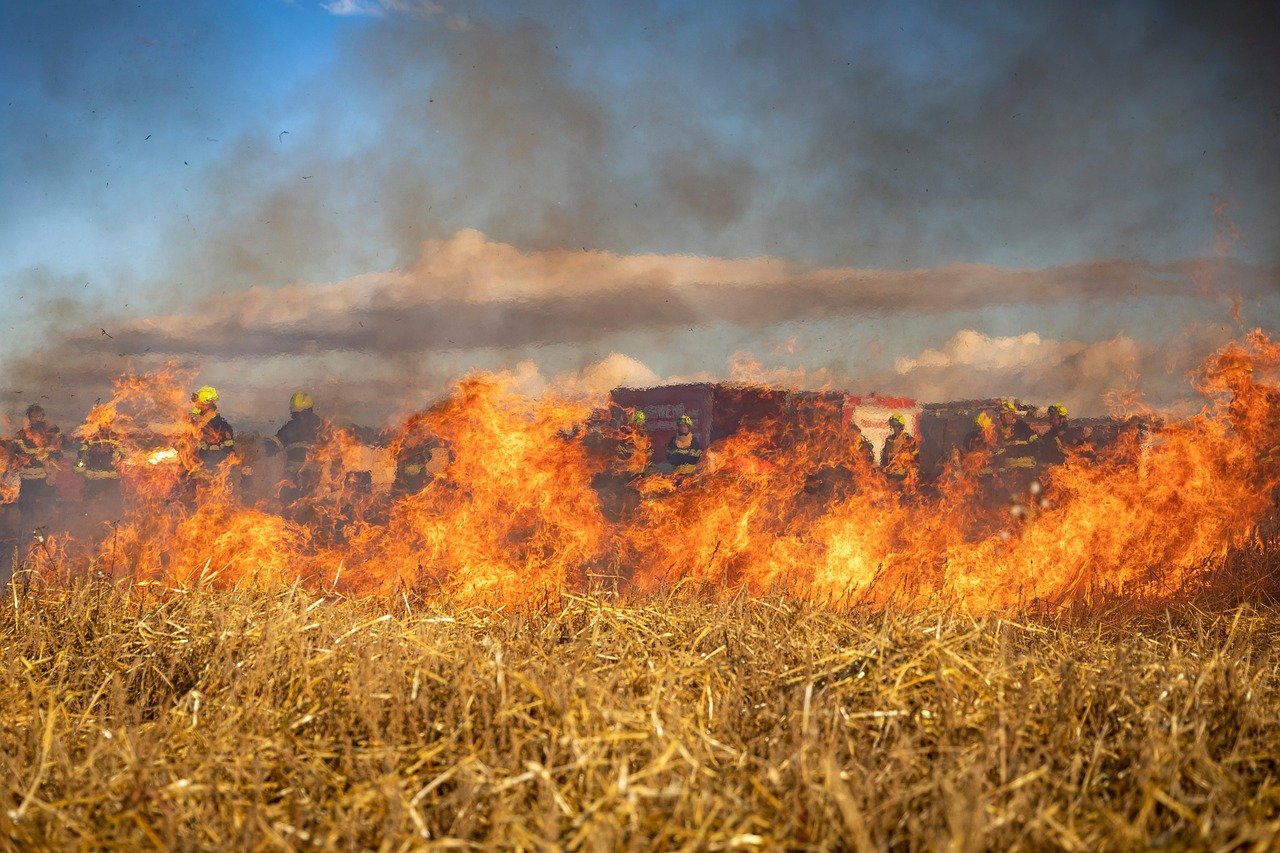
    learn about the causes, health effects, and safety tips related to wildfire smoke to protect yourself and your community.

    Your Safe Haven: Fortifying Your Home Against Smoke

    While we can’t control the path of wildfire smoke, we have significant power over our indoor environment. Creating a clean-air sanctuary at home is one of the most effective strategies for protecting your heart. Here are practical steps recommended by health experts.

    Protective Action Why It’s Important Pro Tip ✅
    Stay Indoors Limits your direct exposure to harmful PM2.5 particles. Keep windows and doors closed, and run the AC on its recirculation setting.
    Purify Your Air HEPA filters can capture up to 99.97% of airborne particles. A portable air cleaner can reduce indoor particulate matter by 50-60%. Consider one for the bedroom.
    Stay Hydrated 💧 Helps your body function optimally and clear toxins. Keep a water bottle handy and sip throughout the day, even if you don’t feel thirsty.
    Monitor Air Quality Allows you to plan your day and avoid outdoor exertion when levels are high. Bookmark airnow.gov on your phone or computer for real-time, zip-code-level updates.

    Can wildfire smoke harm my heart even if I don’t have a pre-existing condition?

    Yes. While individuals with existing cardiovascular disease are at higher risk, the fine particulate matter (PM2.5) in smoke can cause inflammation and stress on the circulatory system of otherwise healthy individuals, potentially triggering a cardiac event. Long-term exposure has been linked to an increased risk of developing heart failure.

    Related Article :  Simple habits that will change your health forever

    How far can dangerous wildfire smoke actually travel?

    Wildfire smoke can travel thousands of miles. Major fires in Canada or California can impact air quality all the way to the East Coast and beyond. This is why it’s crucial to monitor local air quality alerts, even if the fires are not in your state.

    What is the most important first step if I experience chest pain during a smoke event?

    Do not wait. The most important first step is to call 911 immediately. Emergency medical services can begin treatment en route to the hospital. Do not attempt to drive yourself. Time is critical in treating a heart attack and minimizing damage to the heart muscle.

    Disclaimer: The illustration photo accompanying this article was generated by artificial intelligence. Fictional testimonials may have been included for illustrative purposes to highlight key health messages.

    aging heart big fires emergency room surges wildfire health impact wildfire smoke
    Follow on Google News
    Share. Facebook Twitter LinkedIn Email WhatsApp Reddit Telegram Threads Copy Link
    Previous ArticleMagnesium L-threonate: does it actually support memory?
    Next Article Mental health for older adults: how Medicare’s audio-only and at-home teletherapy rules could widen access
    Avatar photo
    Amelie Goujon

    Amélie has been working in the health sector for over 15 years and now serves as an online journalist specializing in healthy living. Her background in healthcare gives her articles a solid foundation of credibility and empathy. Passionate about wellness, nutrition, and prevention, she translates complex medical topics into clear, accessible content for a wide audience. Through her writing, Amélie aims to empower readers to make informed choices and adopt healthier daily habits.

    Continue reading

    This Single Beverage Could Reduce Your Risk of Severe Liver Disease by Almost 50%

    By FRANK JOST

    A Parasite Behind ‘Explosive Diarrhea’ Cases Rapidly Spreads Across the US

    By FRANK JOST

    Insights from 4 Heart-Health Experts on the Most Effective Strategies to Reduce Blood Pressure—and What You Should Know

    By FRANK JOST

    Judge Halts SNAP Restrictions in Five States, Puts Oklahoma’s Measures on Notice

    By FRANK JOST

    What are the key considerations for selecting the ideal healthcare provider?

    By Amelie Goujon

    Inside RFK Jr.’s Push for American Medical Records: What You Need to Know

    By FRANK JOST

    What are the secrets of corona phlebectasia and what do those tiny ankle veins reveal about your health?

    By Amelie Goujon

    What are the unexpected health risks you need to know before traveling to Japan?

    By Amelie Goujon

    How can you stay safe from wild animal encounters while traveling to iconic beaches?

    By Amelie Goujon

    How can you protect yourself from poisoning risks while traveling to Mexico, Japan, and beyond?

    By Amelie Goujon

    When do customized painkillers become essential for your health and recovery?

    By Amelie Goujon

    What is the best choice for your cardiac well-being?

    By Amelie Goujon
    Add A Comment
    Leave A Reply Cancel Reply

    Subscribe to Our Newsletter

    Join the Live Well Magazine Newsletter and get exclusive tips on health, wellness, lifestyle, and personal growth — straight to your inbox.

    Trending
    Health Products

    Ikaria Juice Reviews: Does It Actually Work? (Honest 2026 Look)

    Nutrition

    Expert-Recommended Food Combinations That Boost Nutrient Absorption

    Health Products

    Before You Buy: The Truth About iGenics Reviews 2026

    Mental Health

    The Top 2 Brain-Boosting Habits a Neurologist Swears By — Beyond Diet and Exercise

    Health Products

    Liv Pure Review 2026: I Checked the Claims — Here’s My Honest Take

    Diet & Weight Loss

    Kid-Approved Trader Joe’s Snacks Endorsed by Dietitians That Your Children Will Love

    Facebook
    • About us
    • Contact us
    • Contributors
    • Legal
    • Privacy
    © 2026 livewellmagazine.org.

    Type above and press Enter to search. Press Esc to cancel.